Wichita plans to spend $602 million on new water plant project
READ MORE
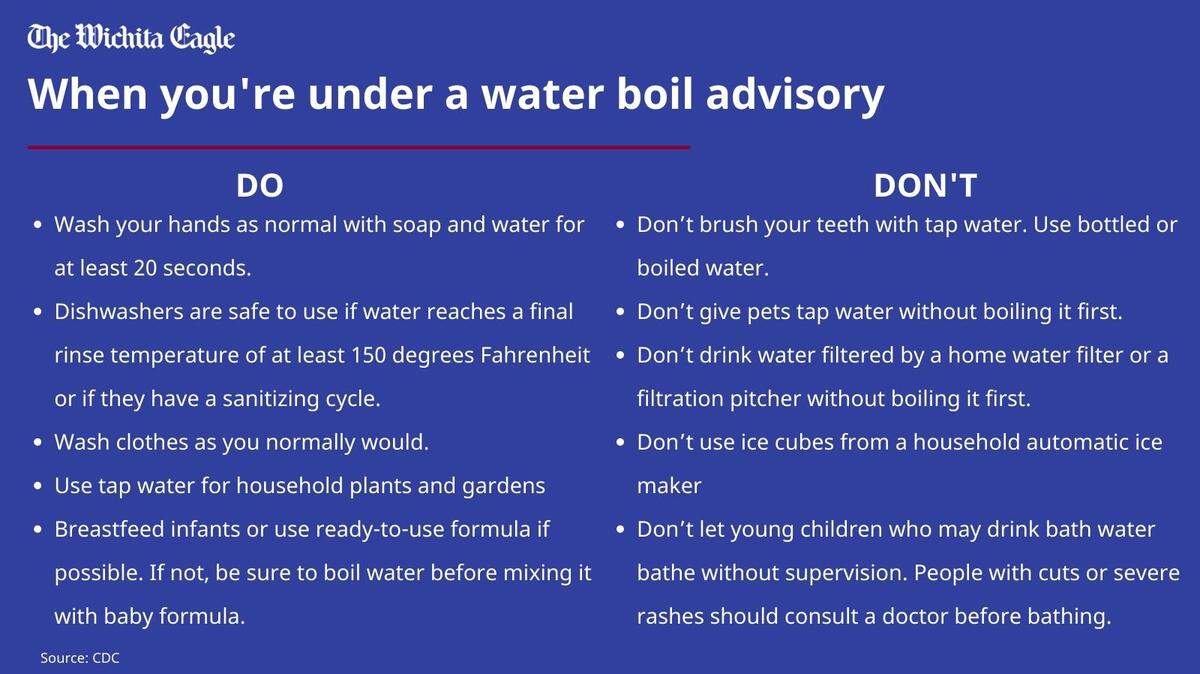
Wichita boil water advisory
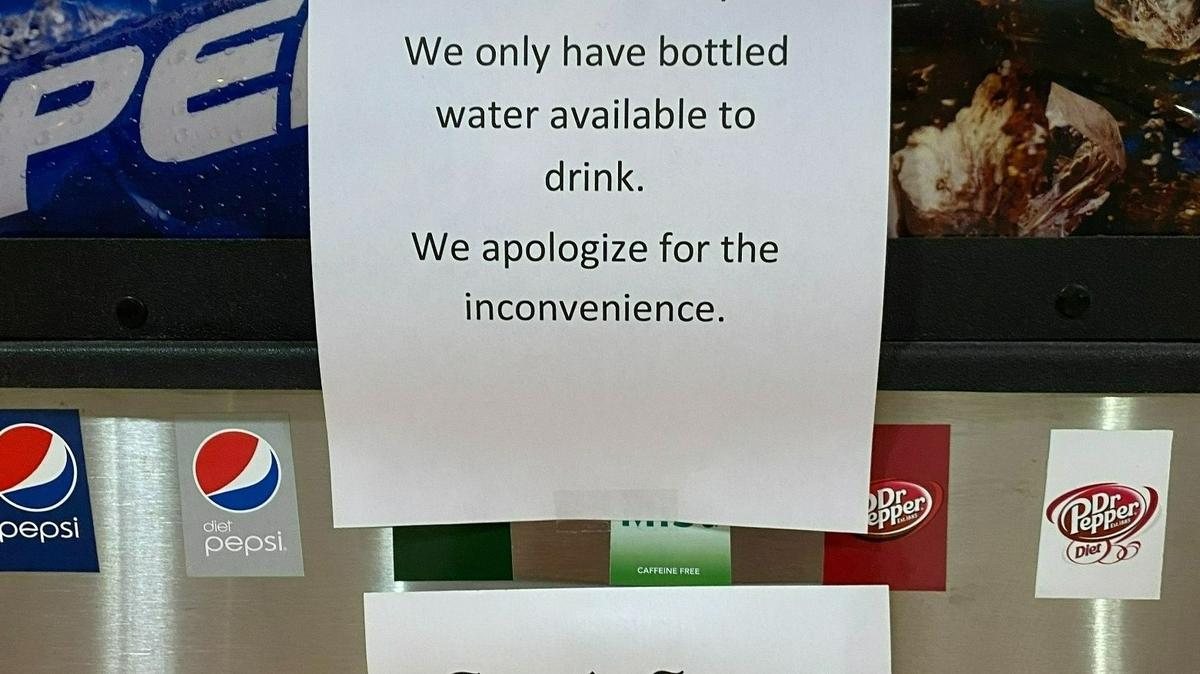
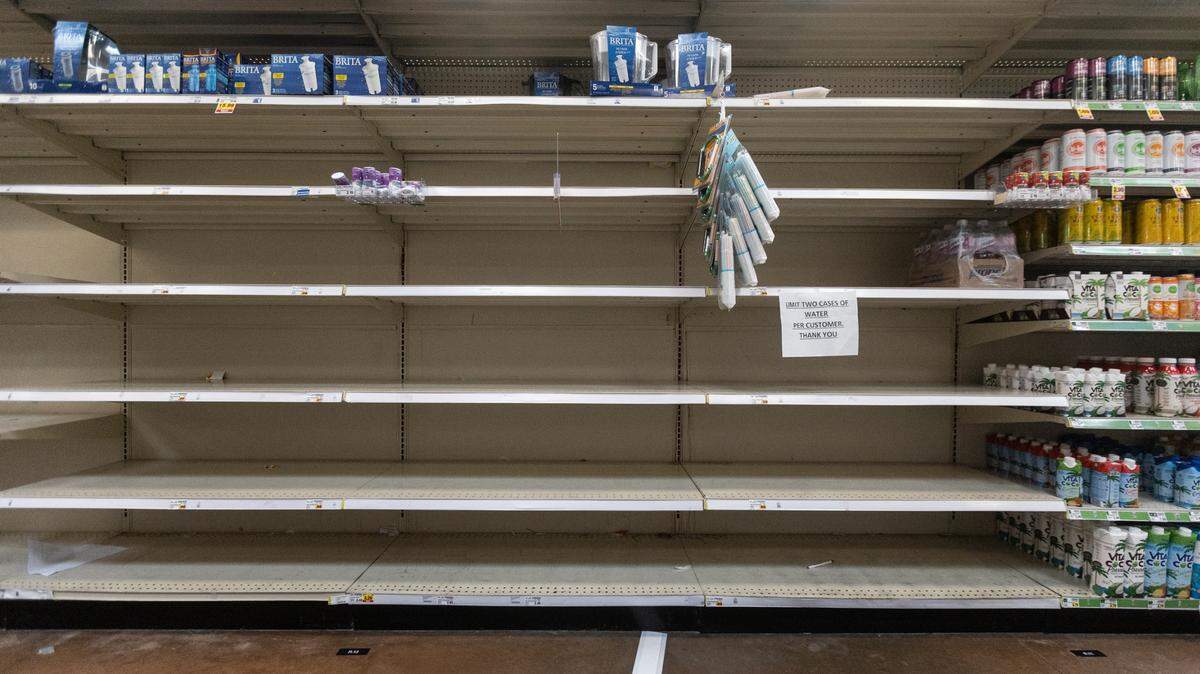
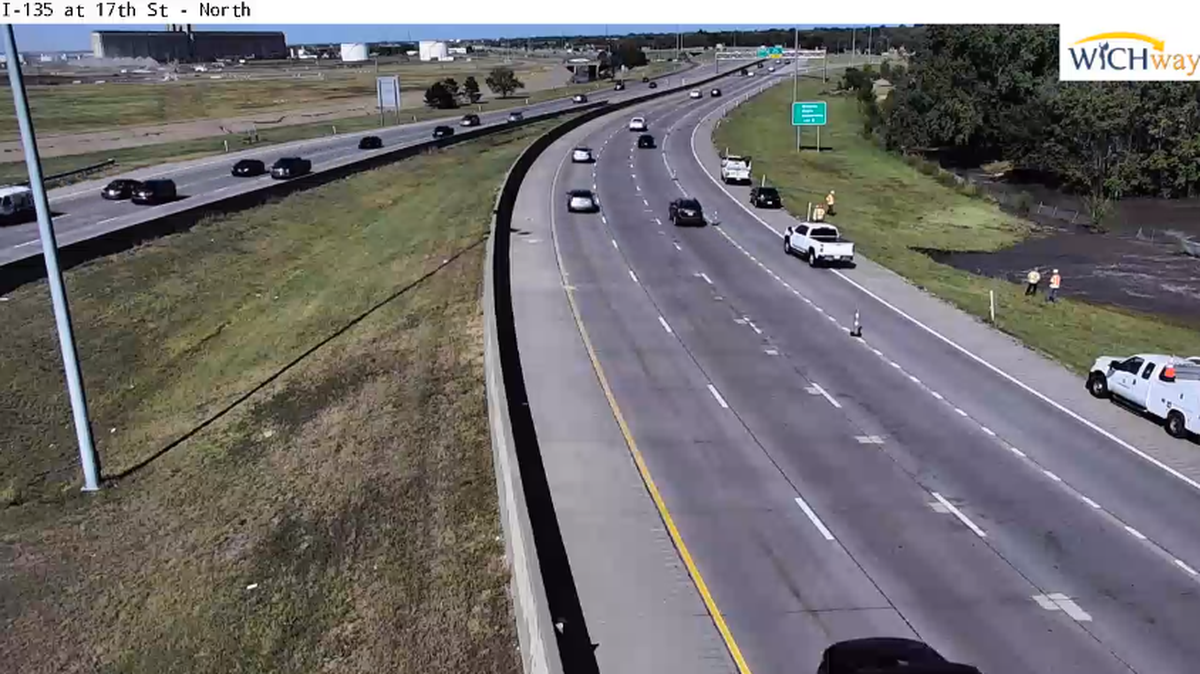
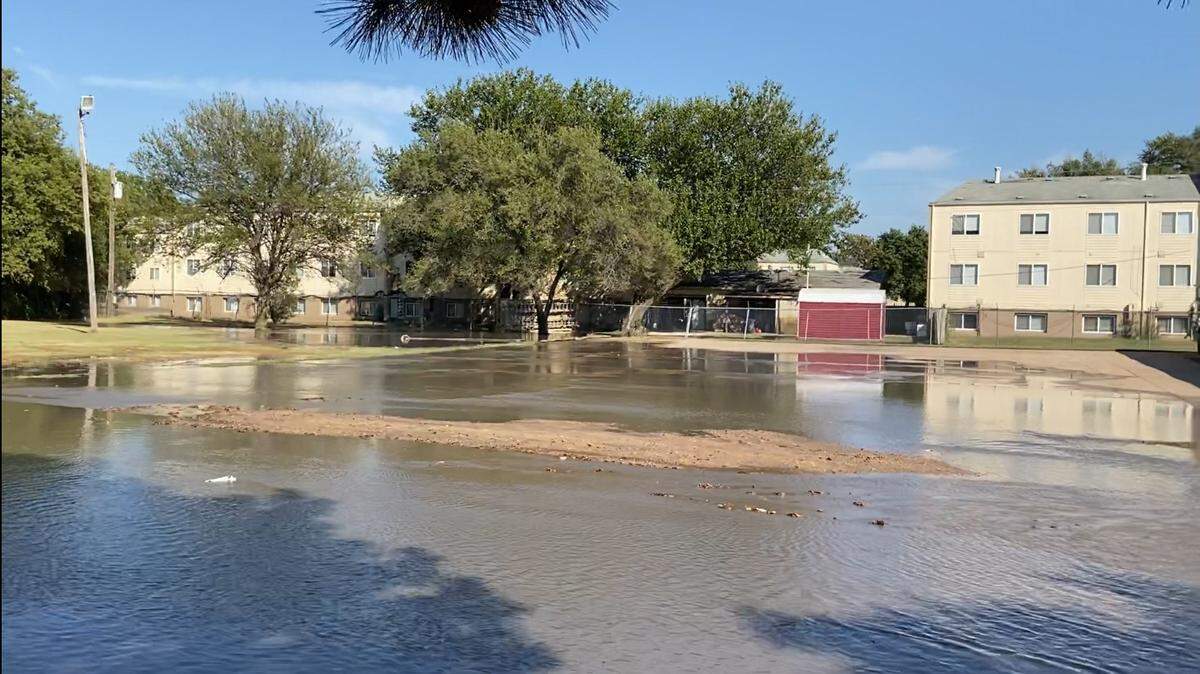
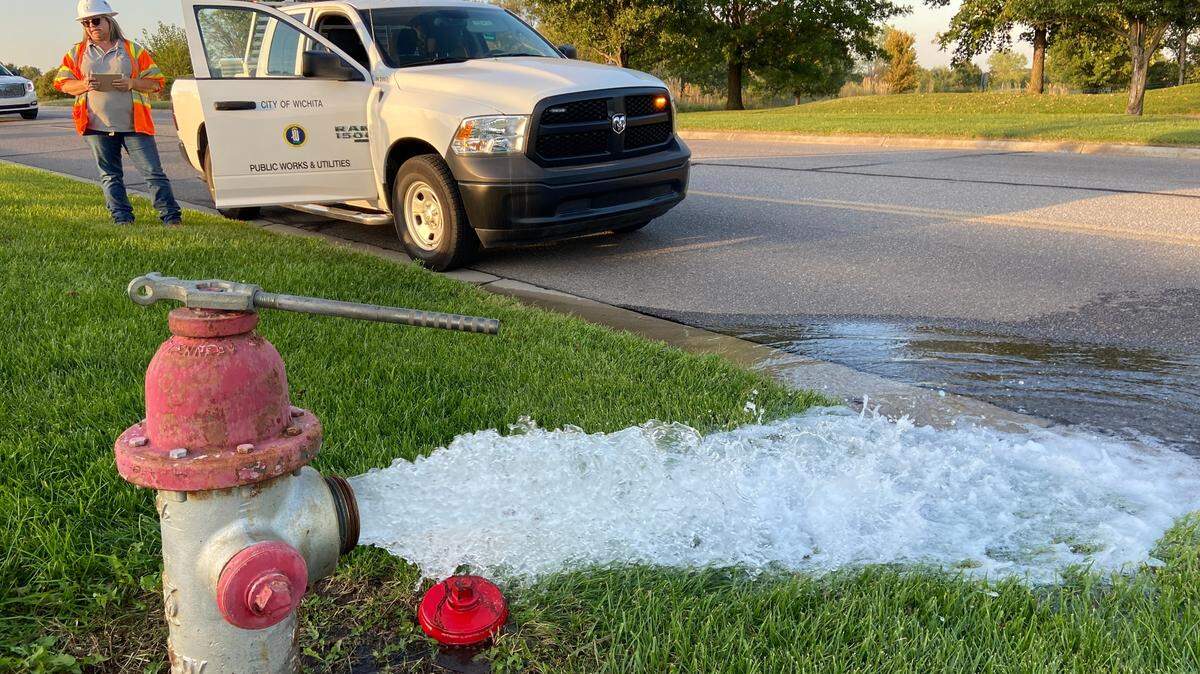
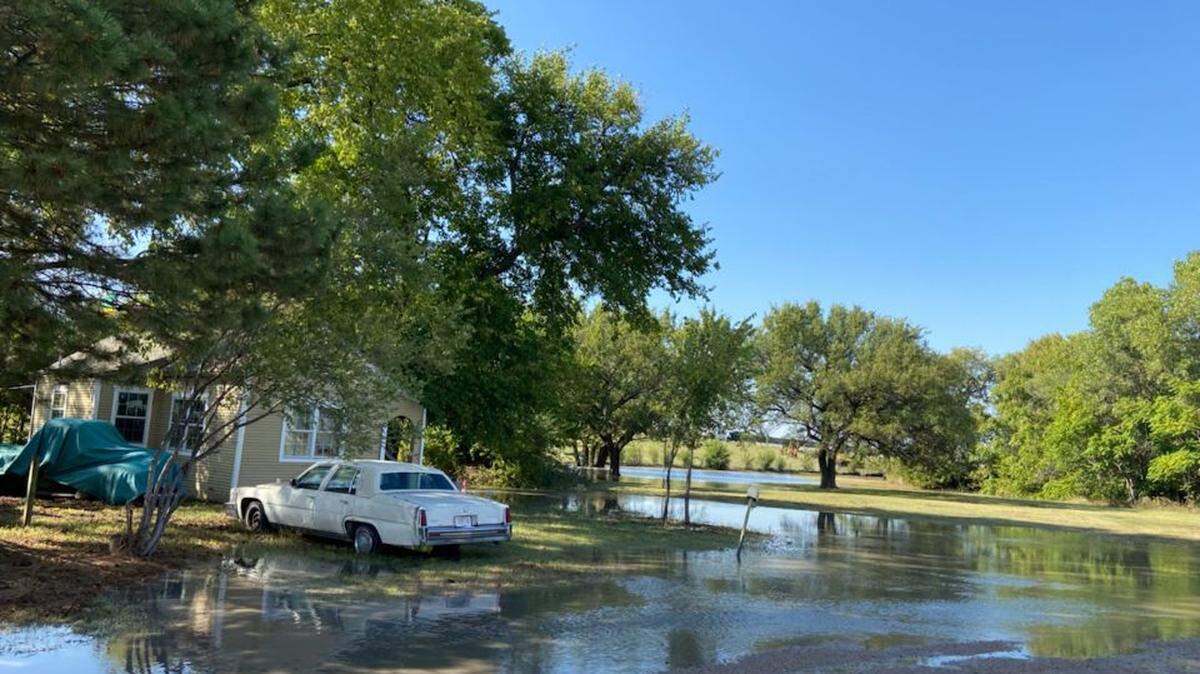
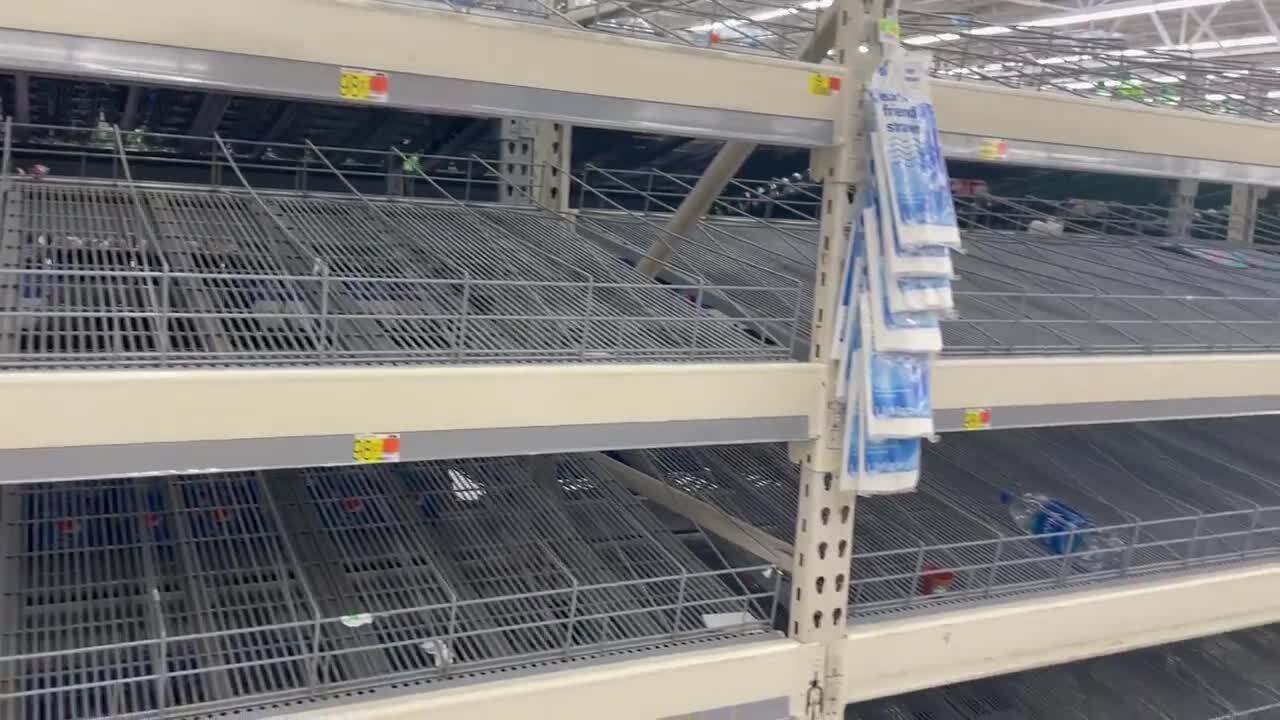
A major Wichita water main break on Oct. 7, 2021, led the Kansas Department of Heath and Environment to place the city and others that purchase water from its system under a boil water advisory.
Expand All
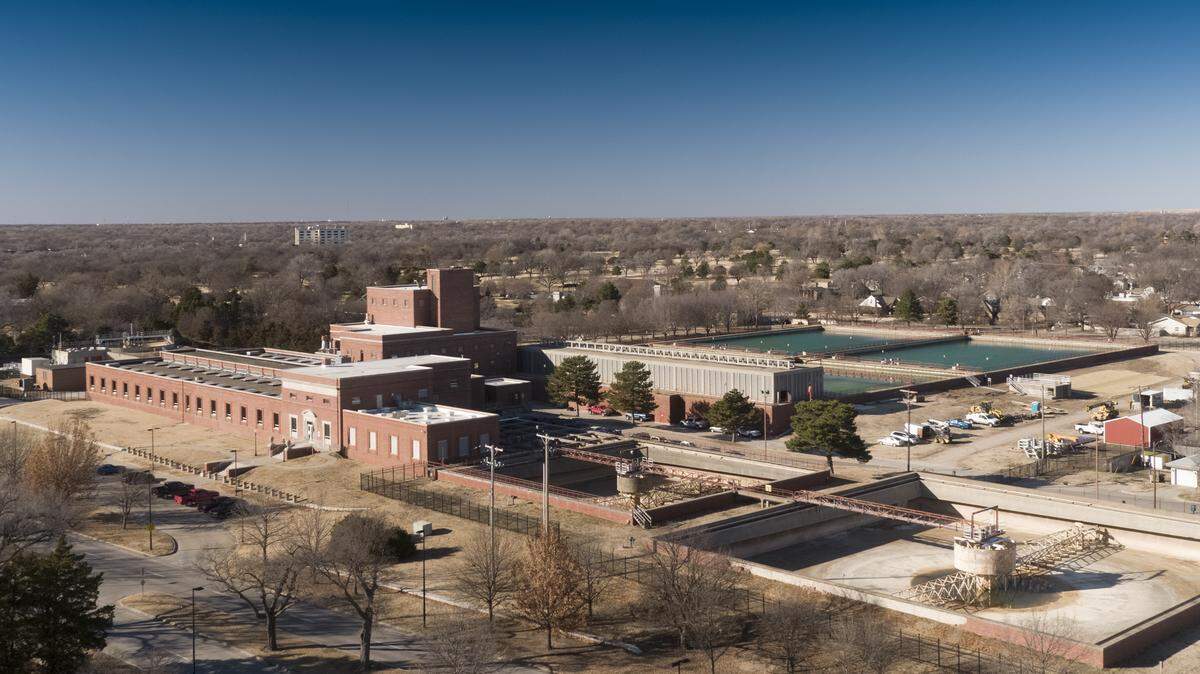
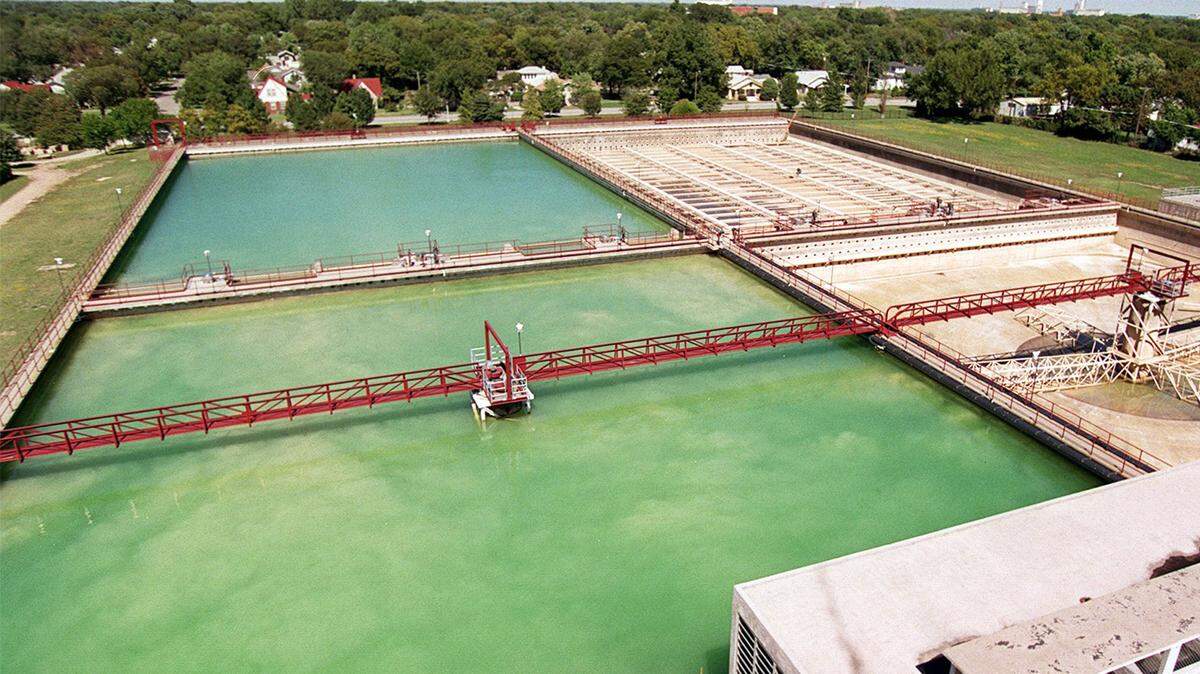
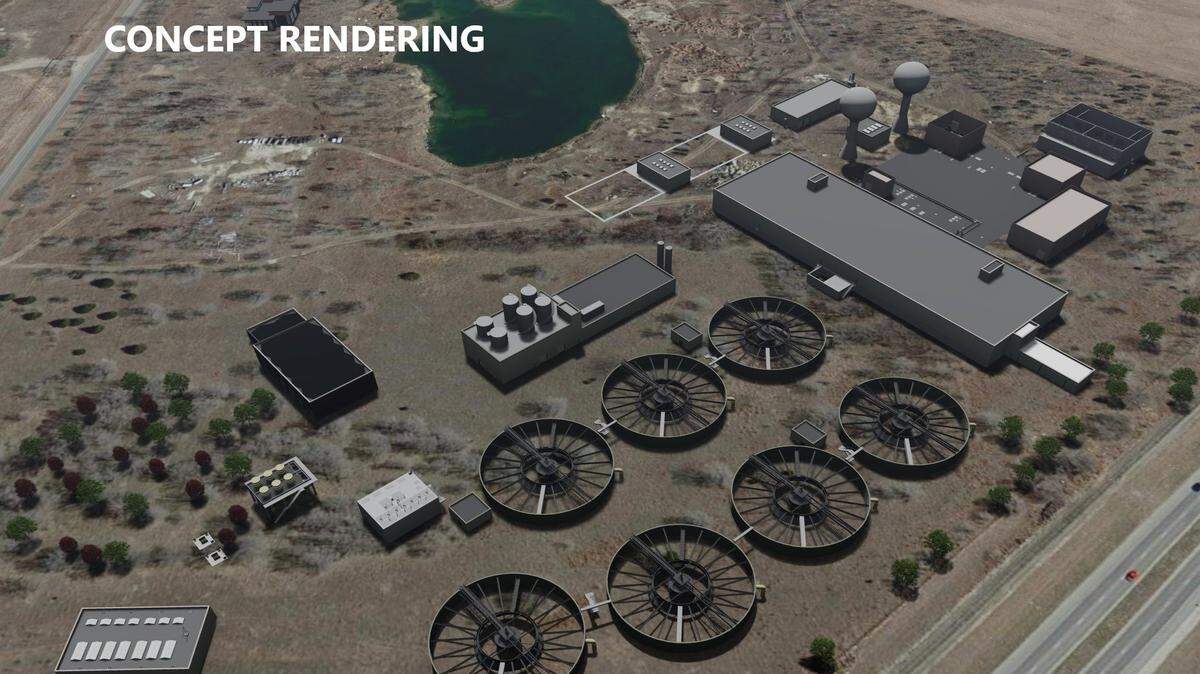
The total cost of Wichita’s new water treatment plant project could top $602 million, the city told the Environmental Protection Agency in a federal loan application.
And water rates are expected to continue increasing for the foreseeable future, city projections show.
Wichita needs a new water treatment plant because its existing plant is 80 years old and could fail at any moment, city officials have said.
Of the $602 million the city now plans to spend, at least $500 million would go to Wichita Water Partners, a consortium of national and local contractors that’s designing and building the Northwest Water Treatment Facility.
Wichita Water Partners also could get $13.75 million in add-ons for work on Hess Reservoir, where the city stores treated water in the Riverside Neighborhood, and right-of-way and site improvements.
City staff will ask the City Council to approve the second phase of its contract with Wichita Water Partners on Dec. 3. To fund the project, the city could raise water and sewer rates 5% next year.
Alan King, director of Public Works and Utilities, told the Northwest Water Treatment Facility Steering Committee on Tuesday that he will recommend keeping the contract with Wichita Water Partners, even though the City Council could vote against it.
“We’re at a crossroads right now,” King said. “We do have a real option to consider other project deliveries (besides Wichita Water Partners). But when we looked at this really hard, and I think objectively, right now we have a competitive price that’s under budget and meets all of the requirements.”
Cost savings was one of the City Council’s justifications for changing the selection criteria that ultimately led to the project being awarded to Wichita Water Partners instead of Jacobs Engineering, a more experienced team picked unanimously by an 11-member selection committee.
The water plant project became a major campaign issue after an Eagle investigation revealed Mayor Jeff Longwell accepted gifts from contractors on the Wichita Water Partners team before he proposed changing the selection criteria and cast the deciding vote to keep Wichita Water Partners in contention.
In 2017, the city estimated that a new plant would cost $524 million.
Ron Coker, project executive for Burns & McDonnell, which is part of the Wichita Water Partners’ team, told the City Council last November that dropping operations from the contract could save the city up to $80 million. At that same meeting, Longwell said putting the project back out for bid rather than awarding it to Jacobs could save another $75 million.
Those $155 million in savings never materialized, but King said inflation and the American Iron and Steel Act drove up costs since 2017.
King said dropping Wichita Water Partners would put federal loans for the project at risk.
“Any kind of an alternative would have a potential risk of adversely affecting our ability to secure [federal loan] funding,” King said.
Federal loans — the Water Infrastructure Finance and Innovation Act and State Revolving Fund Loans — could help minimize rate increases, King said.
Combined water and sewer rates are projected to increase 3-5% each year until at least 2039 to pay for the project, according to the city’s presentation on Tuesday. Water and sewer rates are set by the City Council.
The additional $102 million tacked on to the water plant project would be used to pay for interest ($44.3 million), an owner’s representative that manages the project on the city’s behalf ($20 million), improvements to the city’s reserve basins ($12 million), a new substation for Evergy to service the plant ($11.6 million) and land acquisition ($10.4 million), according to the loan application.
Costs associated with applying for the loan also are included in the cost estimate provided to the EPA. The federal loan will only cover 49% of eligible costs, and Wichita was invited to apply for $269.7 million.
King said Wichita Water Partners has done a “very good job” so far on the project, which has so far included designing 30% of the plant, applying for the loan and coming up with a final cost estimate.
“If it isn’t broke, don’t fix it,” King said. “Because right now we have a really good team.”
This story was originally published November 19, 2019 at 4:52 PM.