Wichita on track for new water plant in 5 years, city says
READ MORE
Wichita boil water advisory
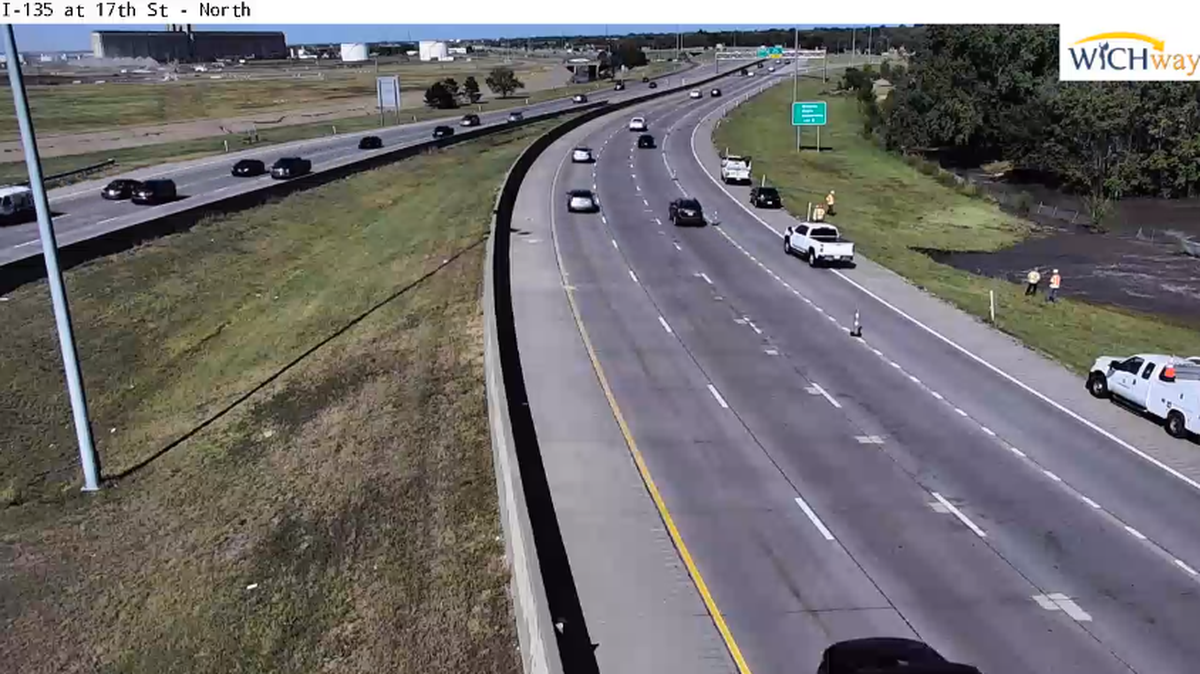
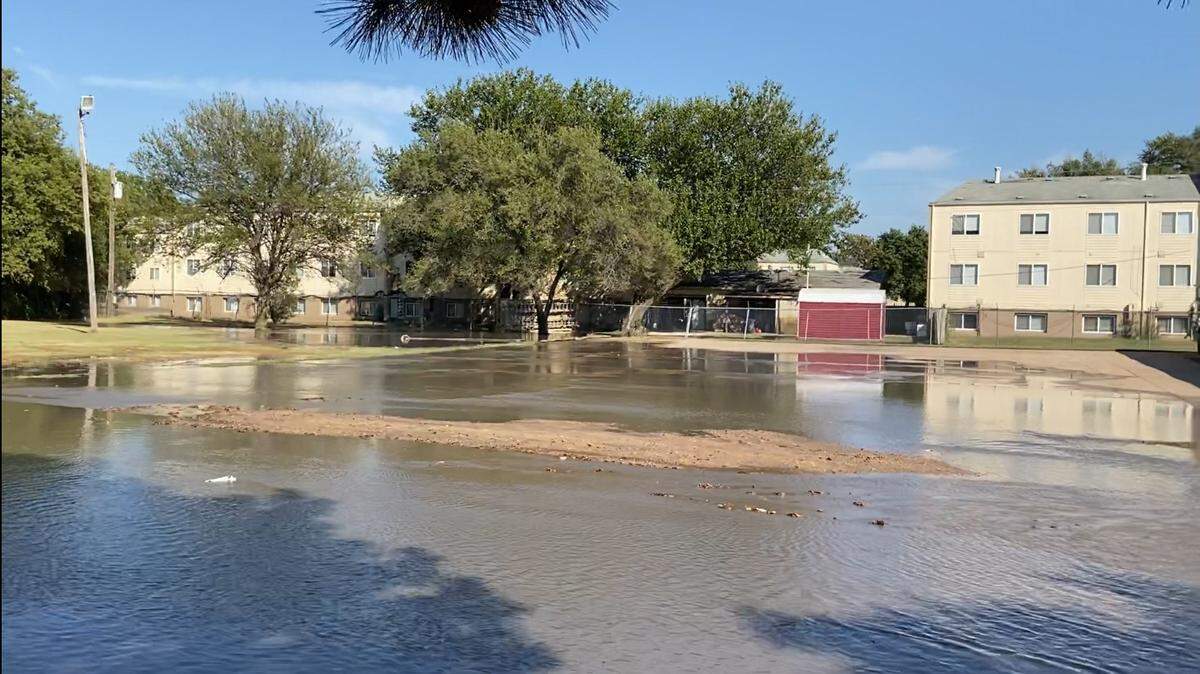
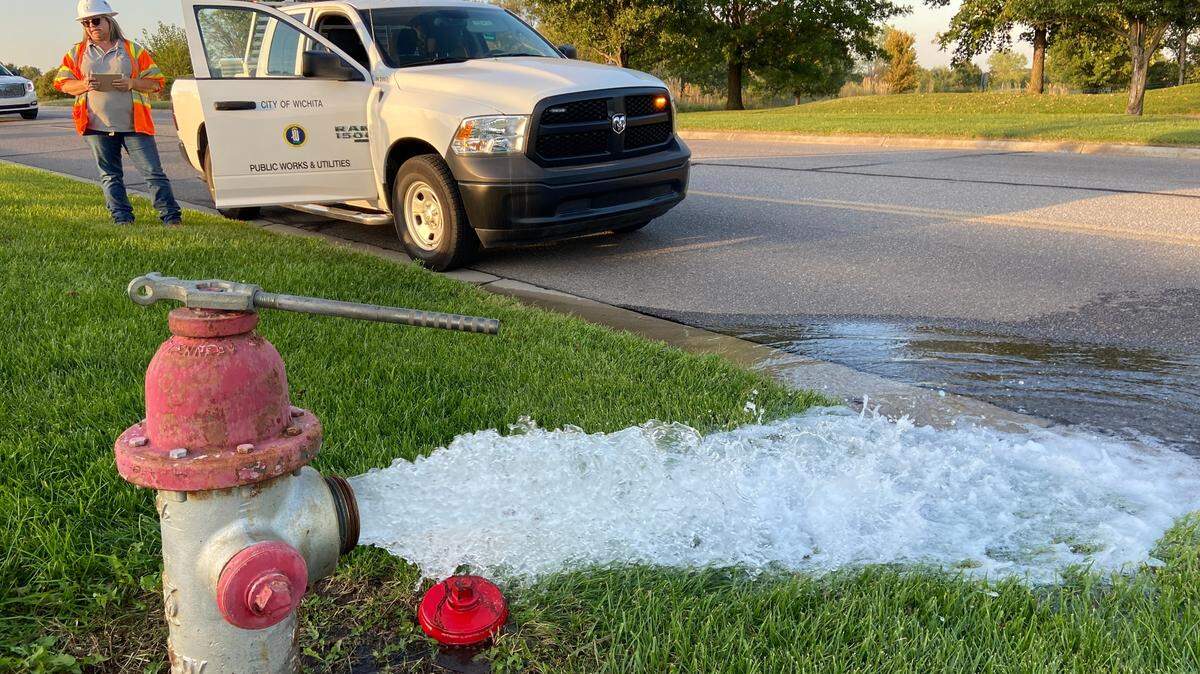
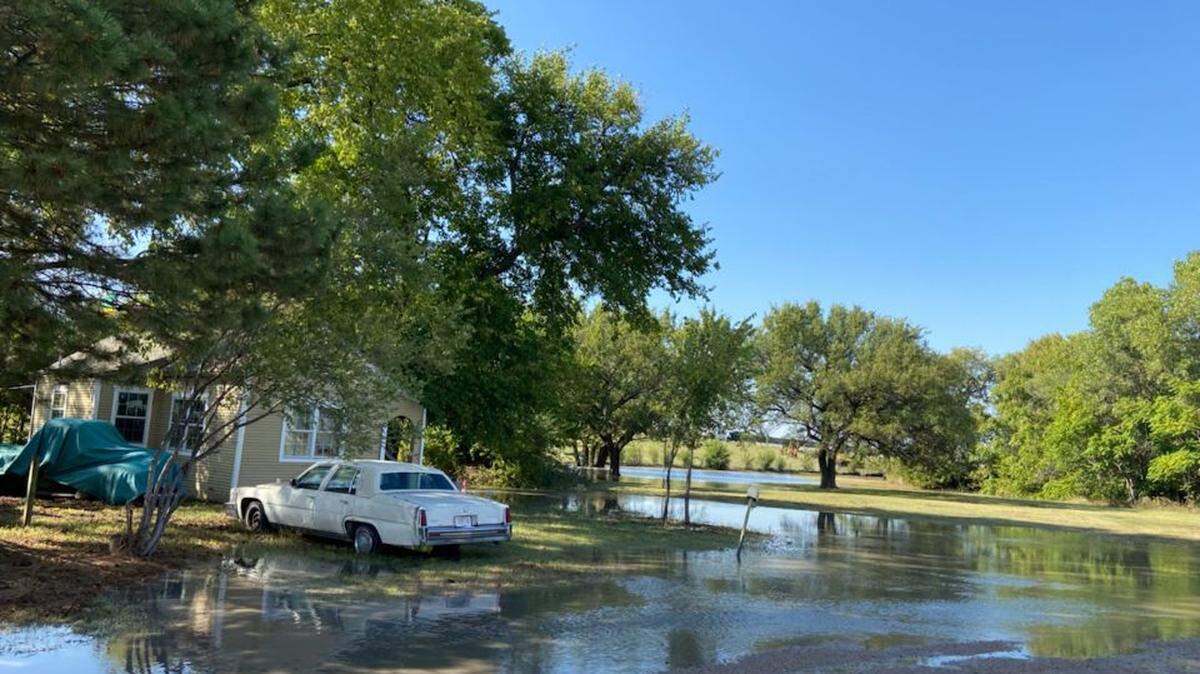
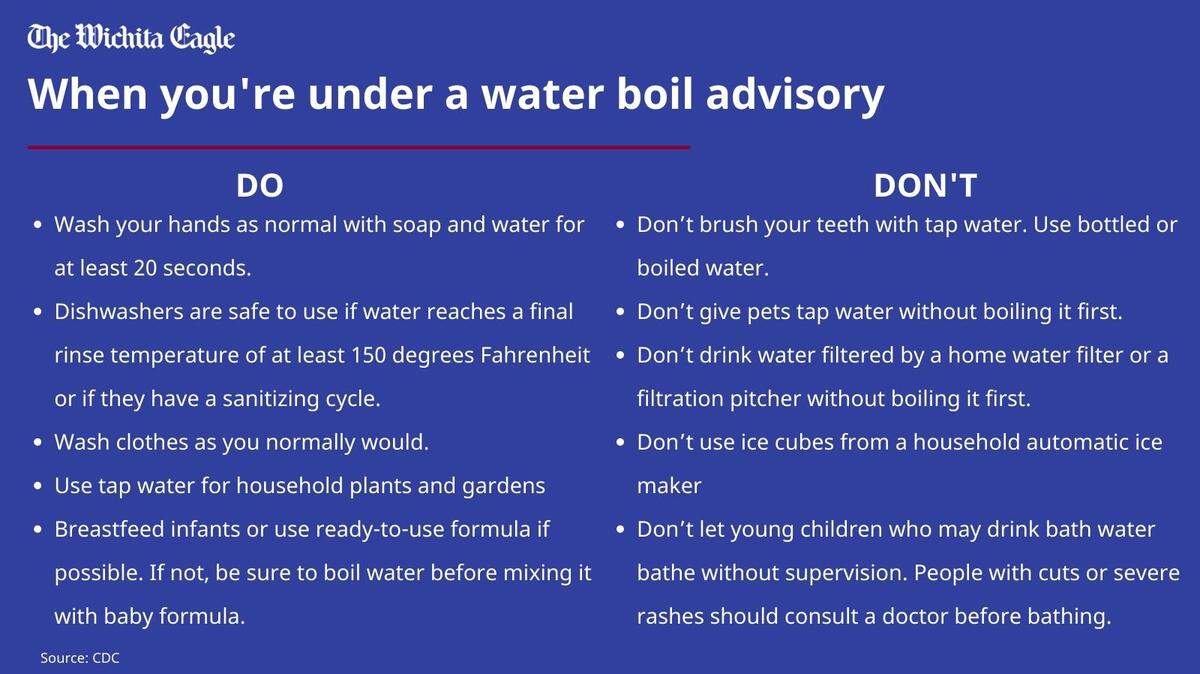
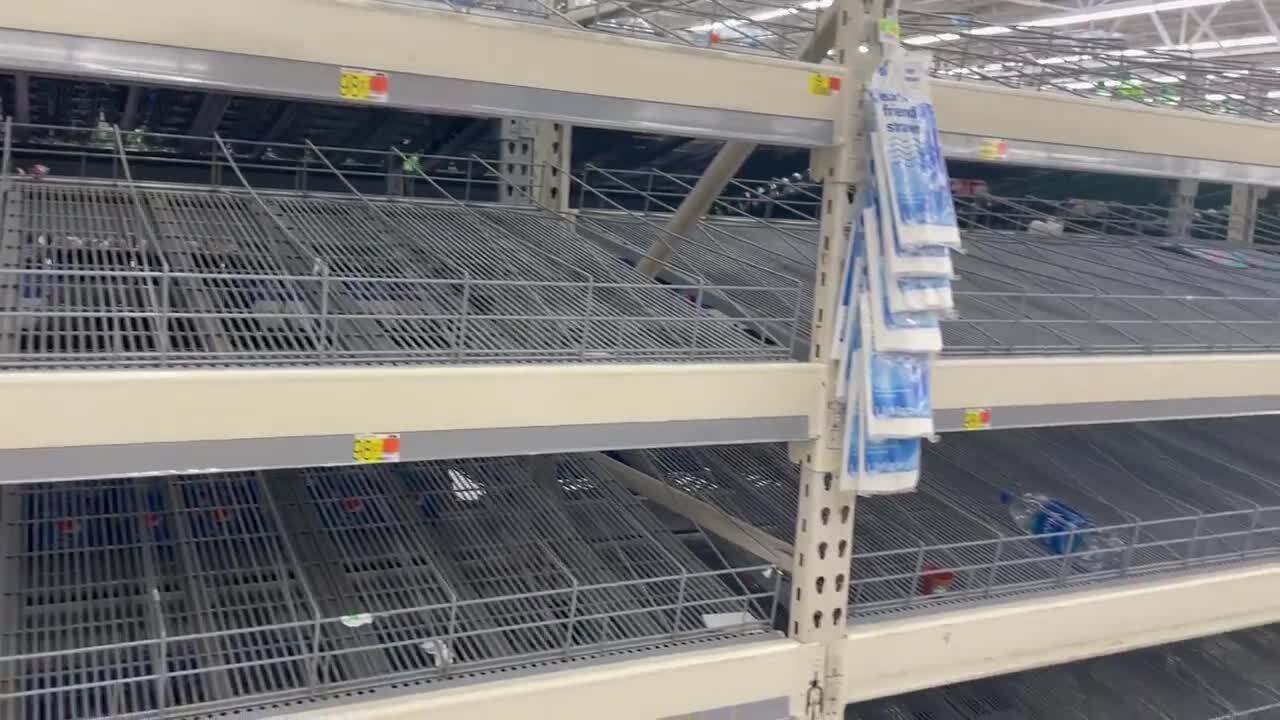
A major Wichita water main break on Oct. 7, 2021, led the Kansas Department of Heath and Environment to place the city and others that purchase water from its system under a boil water advisory.
Expand All
Wichita is on track to receive a $270 million federal loan that would help pay for a new water treatment facility, Director of Public Works and Utilities Alan King said.
The loan could save the city more than $70 million and allow the project to break ground by the end of 2020. The Environmental Protection Agency gives loans, called Water Infrastructure Finance and Innovation Act, or WIFIA, to repair the country’s crumbling infrastructure.
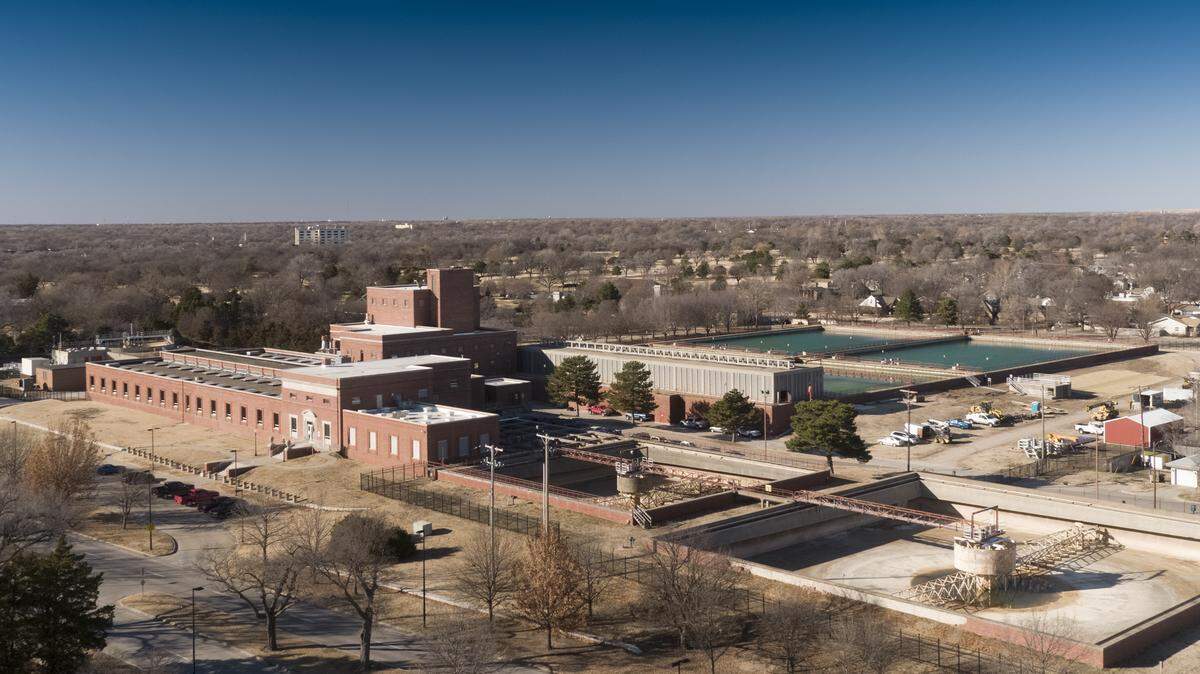
Wichita needs a new water treatment facility because the old one is in bad shape.
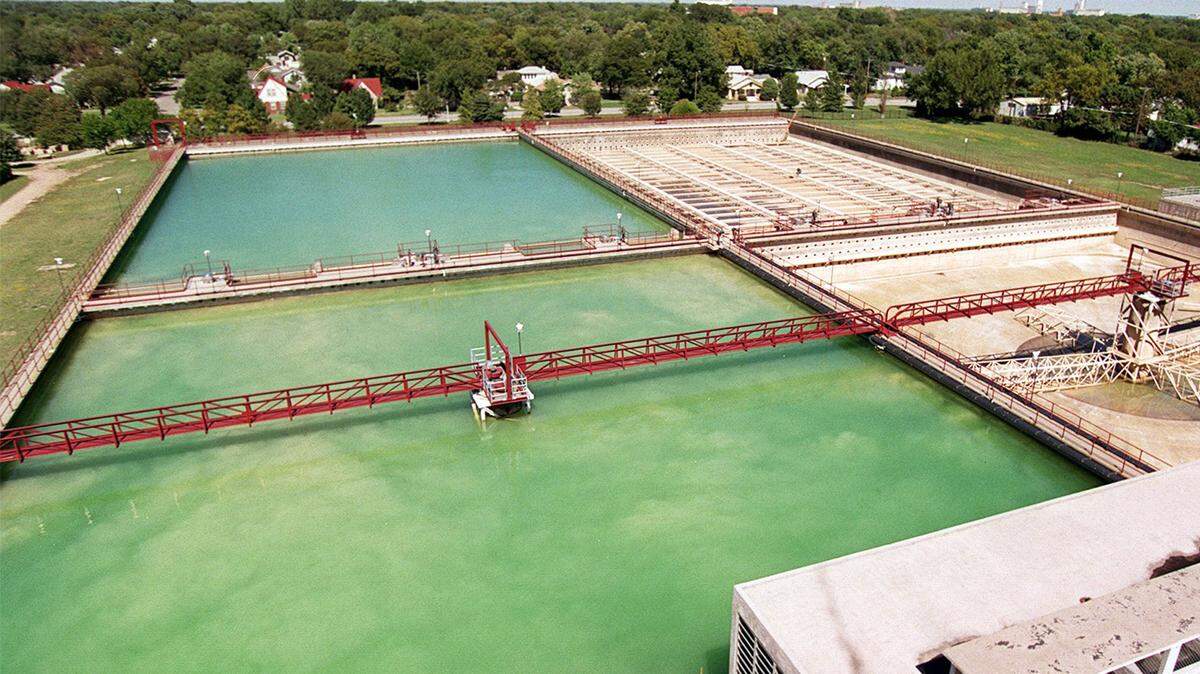
Critical infrastructure at Wichita’s existing water treatment plant is 80 years old and has outlived its useful life. A recent assessment of the plant found that 99% of the plant was in poor or very poor condition. To fully fix it, the city would have to shut it down. There is no backup plant.
Wichita is unique for a city of this size because it only has only one plant. In its application to the EPA for a loan, the city called the plant a “single point of failure,” meaning if it fails, the whole system could go down.
Construction of the new plant is expected to take four or five years. Without the loan, the project would be put on hold for seven years, King said, pushing the completion date to 2031. Its total cost is estimated at $524 million.
The existing plant is in Riverside, 1815 W. Pine, and the new plant would be near 21st and Hoover.
The Wichita Eagle/Kansas.com reported on the poor condition of the water treatment plant Sunday.
Mayor Jeff Longwell, who is running for re-election, made the city’s recent investments in its water system the central topic at his Thursday briefing. He said the Eagle article has residents concerned about losing access to water.
King was quoted in that story as saying the potential for failure at the plant keeps him awake at night.
“Every hour that thing is running, it could fail — right as we’re talking, right now,” he said.
Longwell said King’s comments were “maybe a little dramatic,” but complimented his openness.
“For me when I read that quote, personally, I’m glad that we have a public works director that takes his job seriously and is worried about every single day when people turn on the faucet, they’re going to have water,” he said.
“We’re doing that. We’ve done that. We will continue to do that by investing in our infrastructure,” he added.
Longwell cited the more than $428 million the city has invested in its water supply system since 2011. Most of that money went toward drought preparation, replacing aging water mains and some upgrades on the water treatment plant. The city has also made roof repairs, chemical feed improvements, added emergency power, and pipe and value replacements.
“It’s not an election-year gimmick that all of a sudden we’re focusing on water,” he said. “We’ve been focusing on water. We’ve been focusing on water for a very long time.”
Another $350 million on capital improvements are planned for the next 10 years. That doesn’t include the $524 million water treatment facility or a $357 million wastewater treatment facility project that’s expected to start within the next decade.
“I hope people understand: If the water treatment plant didn’t have issues we wouldn’t be spending $500 million,” Longwell said.
“The reason that we’re prepared to spend $500 million is we need to address an aging water treatment facility. If the water treatment facility was in perfect working order, we would not be spending $500 million.”
Until recently not much has been done about building a new plant, even though it was first identified as a need for the city in 1993.
Longwell, who served on the city council for eight years before becoming mayor, said previous councils were reluctant to raise water rates, which made it harder to fund the improvements needed.
But he defended what he’s done as mayor, saying “just a year and a half after I became mayor, we submitted our first WIFIA letter.”
That letter, sent in 2017, was rejected. But a year later, Wichita was invited to apply. An invitation to apply basically guarantees that EPA will grant the loan, according to the city.
Unprompted, Longwell defended the firm the City Council selected to build the new facility — Wichita Water Partners. That firm had lost a previous competitive bidding contest to Jacobs, a national firm that has built some of the largest water treatment plants in the country.
After Jacobs was recommended 11-0 by a project committee, Longwell pushed for a design contest. Jacobs declined to participate, and the firm that received zero votes the first time around ended up with the new contract.
“So we did divert from our regular bid process for this facility because the project cannot be business as usual,” Longwell said.
“We pushed a little bit differently. And then the right team and the right price and the right funding — I believe we found it with a whole entire group of local vendors,” Longwell said of Wichita Water Partners.
That group includes Burns and McDonnell and several local engineering, architectural and construction firms.
“They (Wichita Water Partners) are members of this community that know this community very well, and they know our water system very well. They’ve been working in this system for a very long time,” he said.
The first phase includes designing 30% of the new plant and setting a maximum cost for construction.
King said he’s confident that Wichita will get the loan from the EPA. The application is due at the end of October.
In the meantime, King said, his department is prepared to do whatever it takes to keep the water running.
“I get calls in the middle of the night, and they say our chemical feeds system is not working,” King said. “And so we have to scramble and make sure that we identify the need, the problem, and fix it before it does translate into a widespread service interruption, a failure of the whole treatment plant.”
Since King was hired in 2011, there hasn’t been a major water outage or a boil water advisory for Wichita’s water supply. He credits his staff’s dedication and commitment to keeping it running, even when things break.
The new plant is not expected to be finished until 2024, at the earliest.
After the news briefing, while fielding questions from reporters, King was asked what would happen if the water treatment plant failed.
Elyse Mohler, the city’s communications director, stood behind reporters shaking her head and waving her arms. King declined to go into specifics.
Anyone who woke up in Wichita on Sept. 28, 1995, probably remembers what happens when the water shuts down. Just before dawn, the 160-million-gallon-a-day water system went out like an old lightbulb, the Eagle reported, after a water main burst and knocked out power to the plant’s filters and pumps. About 300,000 people were left without water for 12 hours and without water that was safe to drink until the following day.
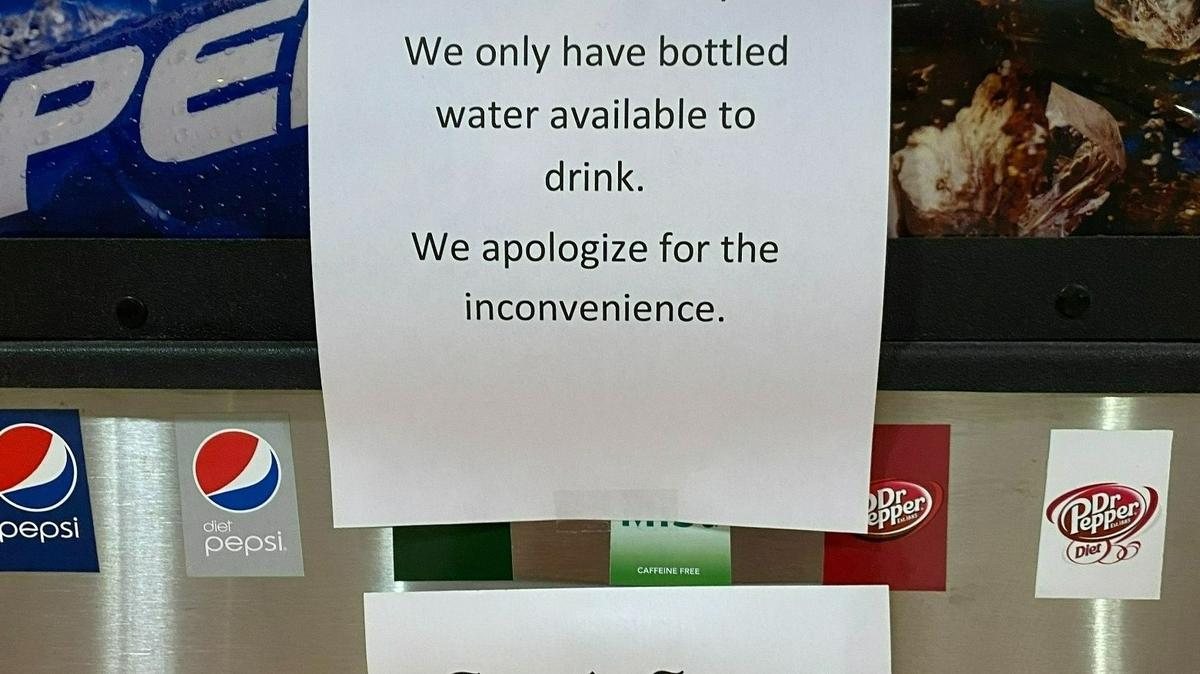
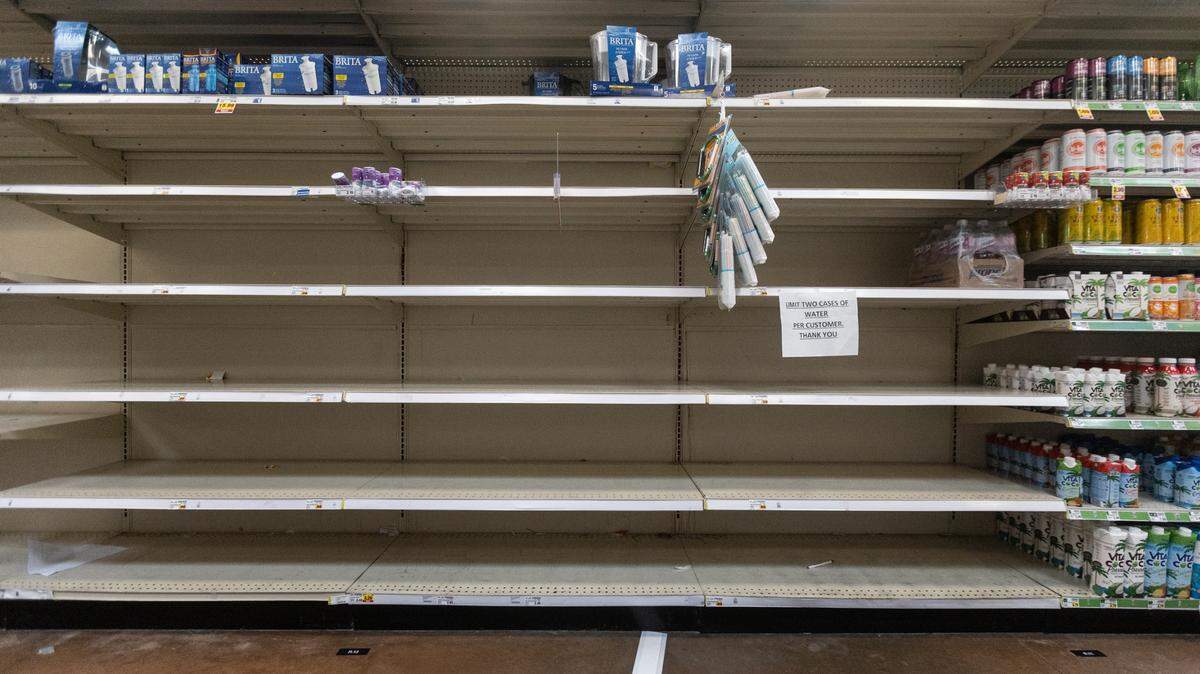
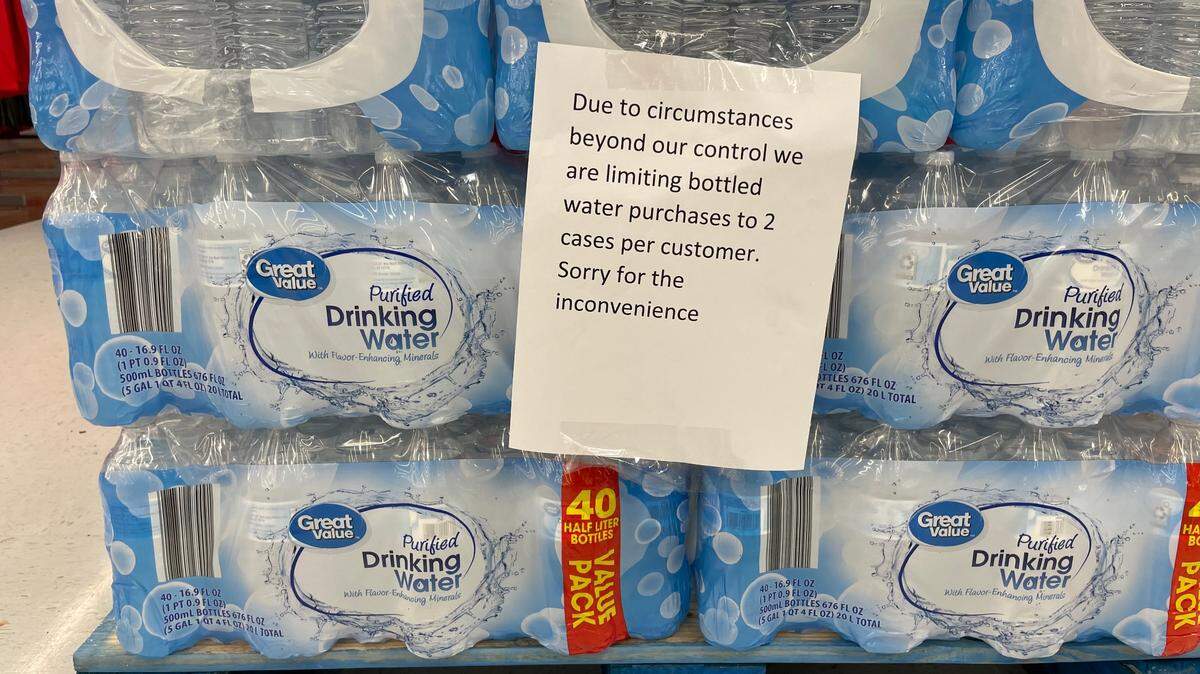
There was a run on bottled water because people couldn’t make coffee or mix baby formula. Residents couldn’t take a bath or shower before work or school. Some local businesses closed for the day or rented portable toilets. Aircraft factories sent employees home early or told them to bring their own bottles of water. Restaurants closed and Wichita State University canceled classes. The fire department called surrounding departments arranging to borrow water tender trucks.
Since then, more communities have tied into Wichita’s water system, including Derby and Valley Center. Wichita’s water treatment plant also serves Andover, Rose Hill, Bel Aire, Park City, Kechi, Benton, Bentley, Eastborough, Oaklawn, and Rural Water Districts 1, 3 and 8.
If the plant shutdown again, about 500,000 people would be left without running water. The affected area includes some of the state’s largest hospitals, multiple fire departments, a fifth of the Kansas economy and a U.S. military base, according documents submitted by the city to the EPA.
This story was originally published July 25, 2019 at 4:06 PM.