Wichita’s water crisis brings aging water infrastructure issues to a boil
READ MORE
Wichita boil water advisory
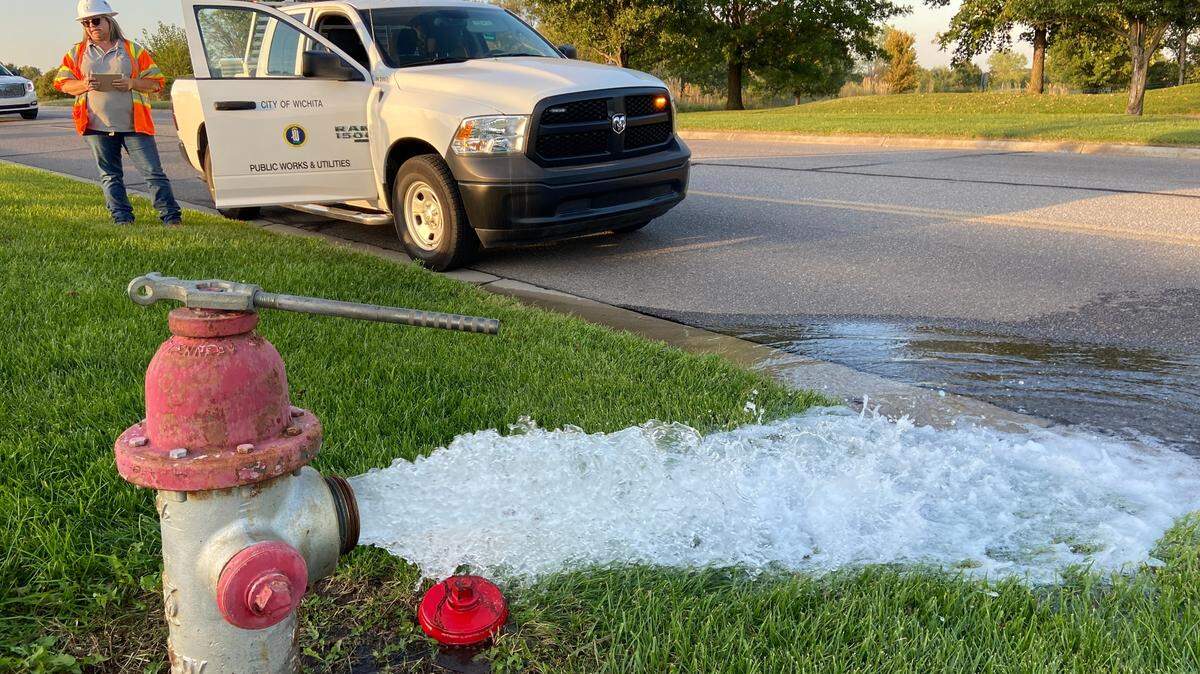
A major Wichita water main break on Oct. 7, 2021, led the Kansas Department of Heath and Environment to place the city and others that purchase water from its system under a boil water advisory.
Expand All
What happened Thursday could have been much worse.
And it was no surprise.
The water main break that threatened to contaminate the whole system, closing schools and hobbling restaurants was a crisis, but it could have happened at any time.
The city of Wichita’s water system has been flirting with disaster for years.
This time, the failure of a power pole’s insulator, one of the most common, cheapest and most reliable parts of an electrical system, was the trigger point in a cascade of events that broke a corroded, 52-year-old water main near downtown Wichita.
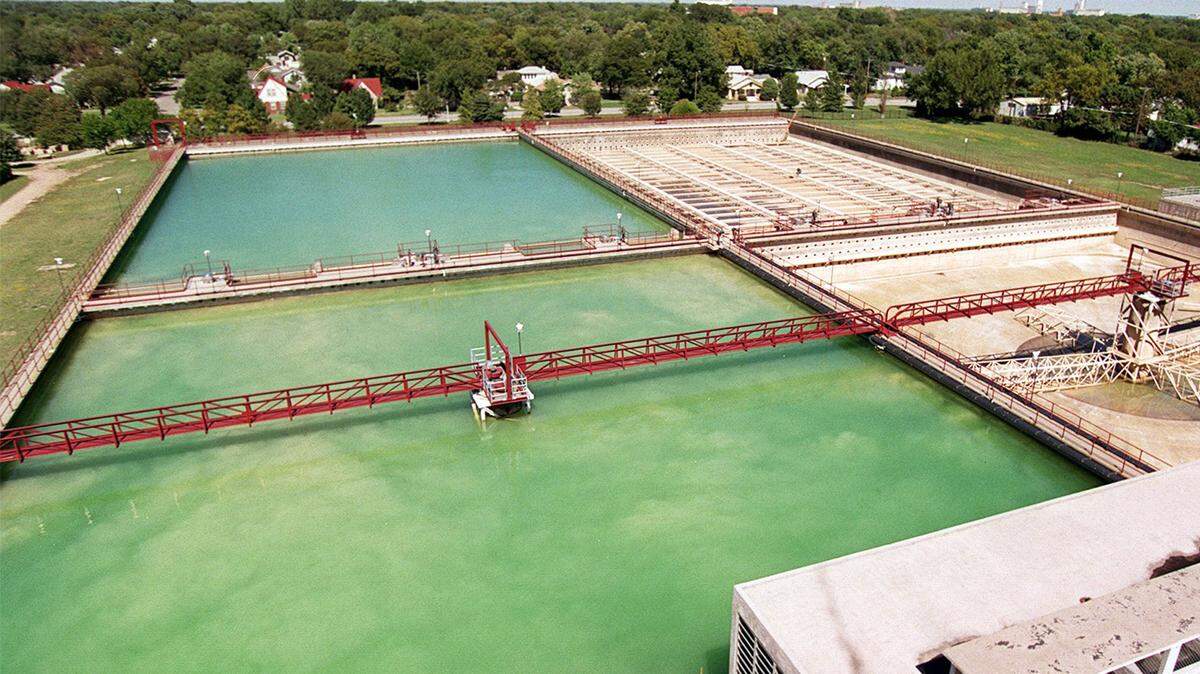
A 2017 assessment found 99% of Wichita’s water treatment plant was in poor condition and the entire raw water pipe system was in very poor condition. The Eagle reported in 2019 that Wichita’s entire water system has a “significant risk” of failure and lacks redundancy, meaning if a major asset fails, it can’t be fixed without shutting the whole plant down.
Recent reports have found Wichita’s water supply in critical condition and in need of hundreds of millions of dollars in investments and near-constant repair and replacement.
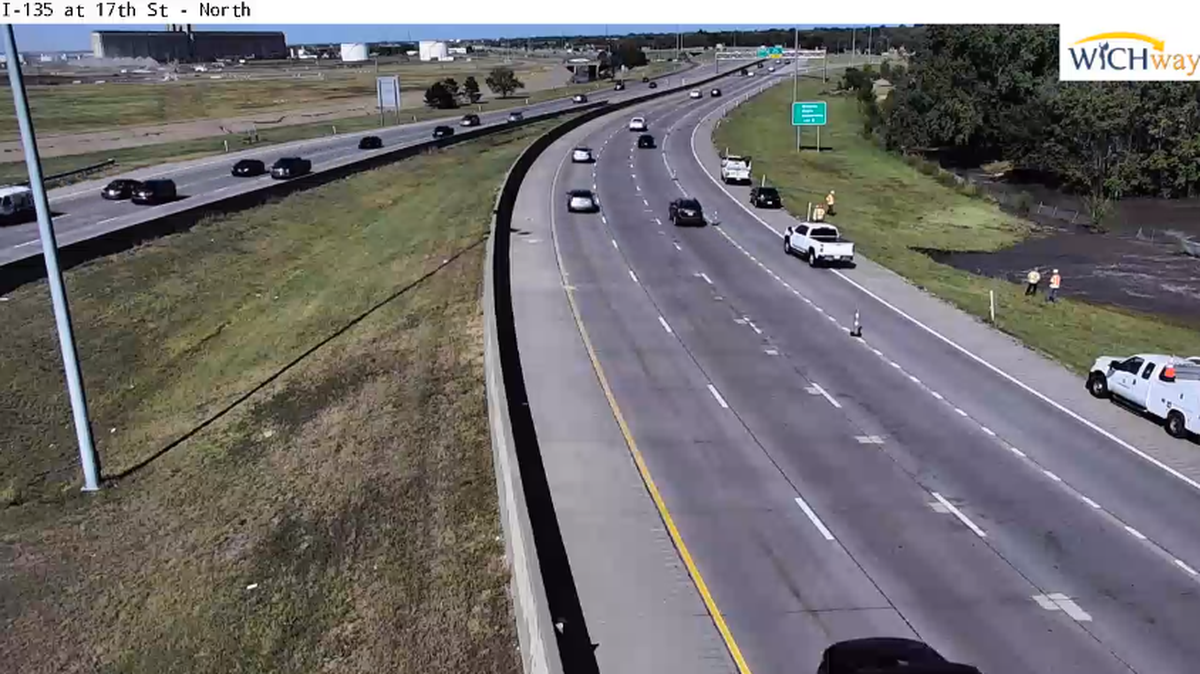
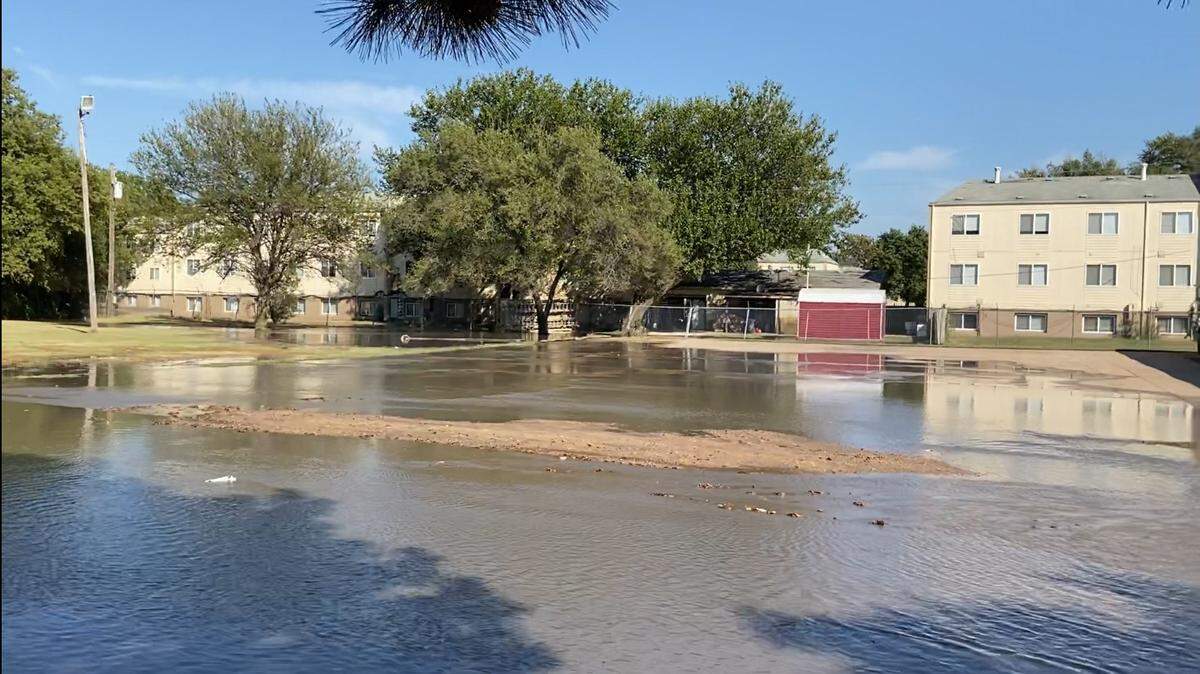
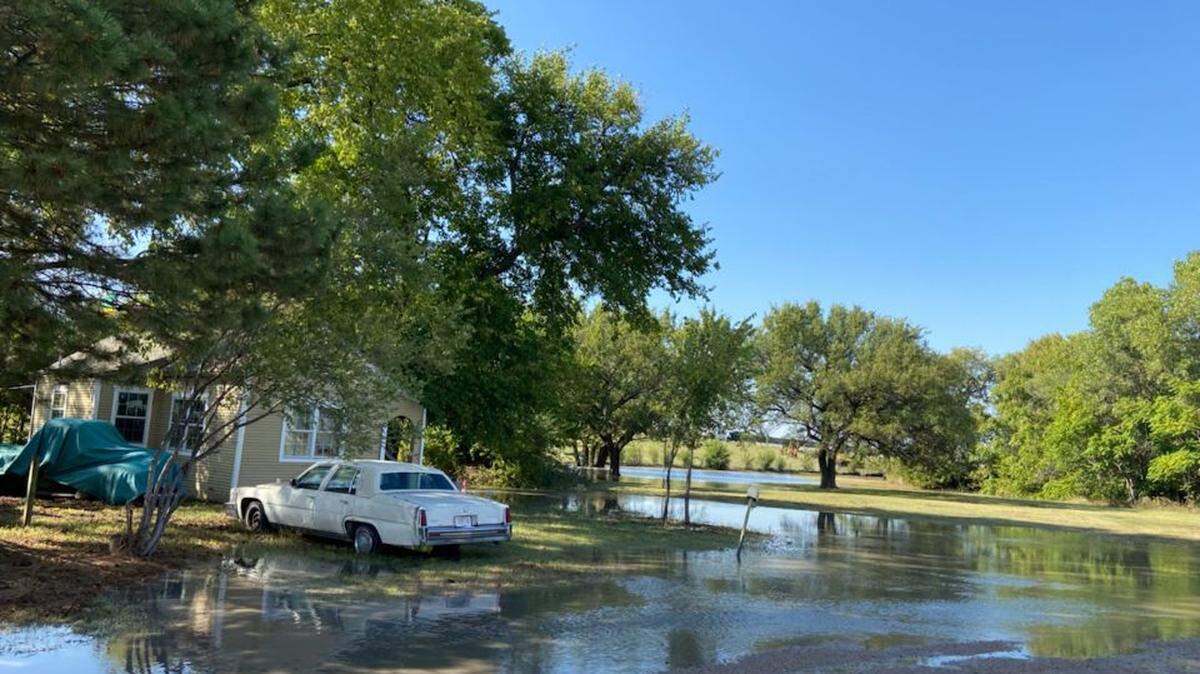
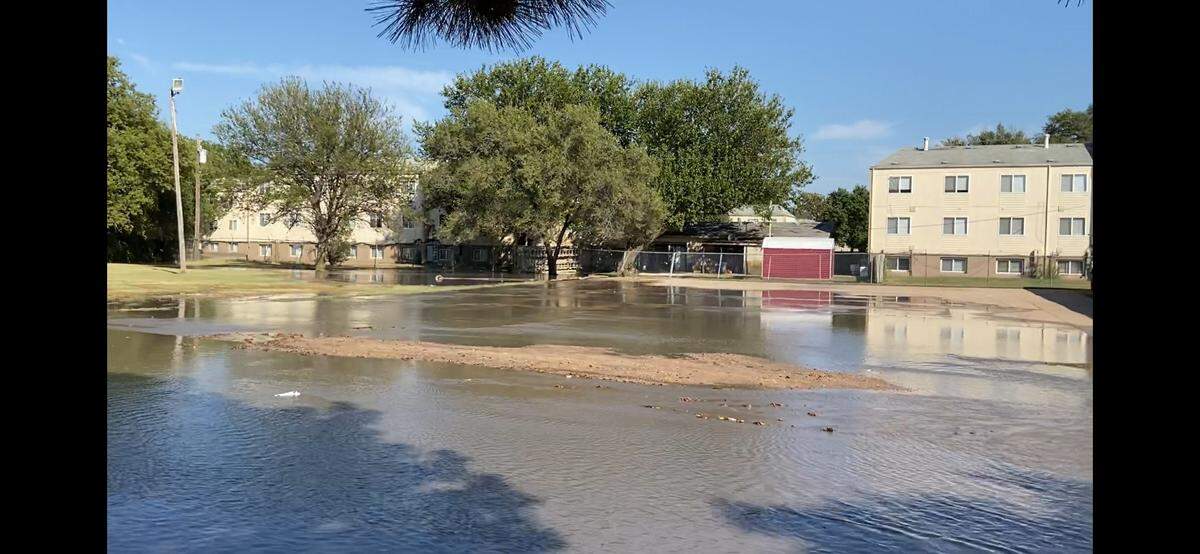
Thursday afternoon, as water burst from the side of I-135 and flooded streets and a neighborhood near McAdams Park, Director of Public Works and Utilities Alan King stood at a lectern to tell Wichitans that city crews were working diligently to restore safe water.
King didn’t have all the answers. But he had foretold the water failure years earlier.
He told The Eagle in 2019 that fear of a water treatment plant failure kept him up at night.
“Every hour that thing is running, it could fail — right as we’re talking, right now,” King said at the time.
On Thursday, it finally did.
By Saturday, it was safe to drink the water in Wichita again. The boil-water advisory issued by the Kansas Department of Health and Environment on Thursday afternoon ended after all the city’s water samples turned up negative for contamination.
That was about 36 hours after a water main break destabilized the whole city’s water supply.
But still the city is just one step away from losing access to running water for more than half a million people. The cause could be a major disaster — a tornado or earthquake — or merely the failure of one piece of equipment.
In Thursday’s case, it was a malfunction in one of the most common, cheapest and most reliable parts of an electrical system: a simple insulator on a power pole supplying electricity to Wichita’s water treatment plant.
That triggered a cascade of events that put residents of south-central Kansas in a spot where they had to boil their water before they could drink it.
How could this be allowed to happen?
What went wrong
City staff and on-call emergency contractors have kept the system running uninterrupted since 1995, the last time Wichita had a boil-water advisory.
But at 1:32 p.m., Thursday, the failure of the insulator in the power line caused mammoth pumps to depressurize and then repressurize the entire municipal water system, which broke a water main 2½ miles from the plant, according to utility and city public-works officials.
The break was so large that the treatment plant couldn’t pump enough to keep up with it, introducing the possibility that bacterial contamination could gain a foothold there and spread throughout the system.
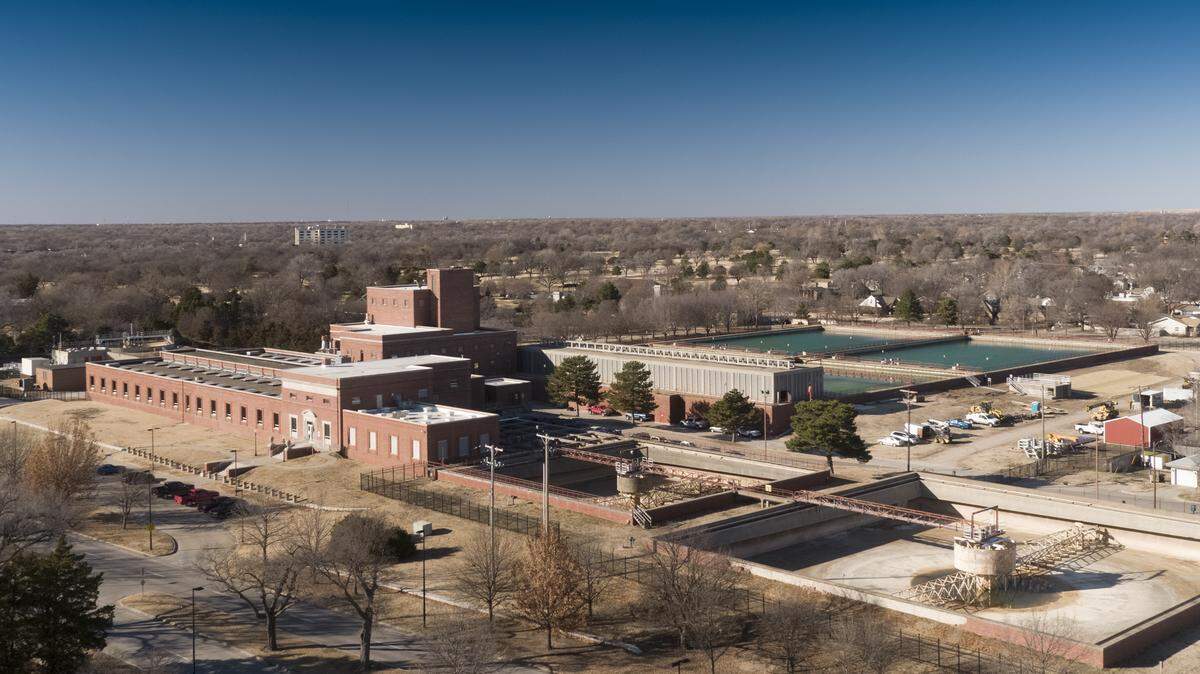
King, the city’s public works director, said the aging water treatment plant near Sim Park worked as designed.
The failed insulator triggered the equipment at the city’s water treatment plant to automatically shut down.
“We experienced a power blip,” King said. “We lost one or more of our phases of power. That will fry motors, a three-phase motor.”
To keep that from happening, the pump motors are set up to shut down automatically when they’re only getting partial power.
“The equipment did what it was supposed to do, it instantly shut down,” King said.
The problem with that is when you turn the pumps off and on, it puts extra stress on the aging network of pipes that carry pressurized water from the treatment plant to customers.
“That was an abrupt shutdown,” King said. “When we brought the pressure back up and to pressurize the system, that was a rapid decrease in pressure (followed by) a rapid increase in pressure, and both of those are not friendly to pipes, especially older pipes.
“So what we think is that pressure changes caused the rupture of the pipe just on the east side of I-135 at 17th.”
It wasn’t a small pipe or a small leak. The system was losing water at an estimated 2 million gallons an hour and the pumps simply couldn’t keep up.
“Because there was so much water being lost there, the treatment plant couldn’t keep the pressure up to what we normally would have,” King said.
Pressure drops and leaks can suck contaminants into the system.
Evergy, the power company that serves the city, is working on keeping power flowing to the plant.
The failed insulator was on “one of the transmission lines feeding the plant,” said spokeswoman Gina Penzig. “It wasn’t one of the big (transmission lines) like that you’d see cross-country at the wind-farm level.”
Insulators are a simple but vital component of any electrical system. They’re made of materials that can’t conduct electricity, usually ceramic and porcelain or special plastic composites.
They’re what keeps the power flowing through the power lines, rather than bleeding off into the ground through metal towers or wooden poles.
They’re generally durable, reliable and last through decades of trouble-free service.
“I’m not sure that we’ve gotten to the point yet of knowing why that insulator failed,” Penzig added. “We have conducted infrared inspections on the line and the equipment and are making some additional replacements to help ensure reliable service to the water plant.”
A new water plant under construction in northwest Wichita will have a different kind of pumps to prevent a similar situation in the future.
But the new plant won’t be online until 2024 at the earliest.
And a major part of what caused Thursday’s break will remain in place: the city’s aging water distribution pipes, which take finished water from the pumping station.
Fragile state of the water supply
A major failure, something more severe than what happened Thursday, would be far worse than having to boil water before drinking it or preparing food. Think baby wipes instead of showers and National Guard water filling stations.
After years of pressure from KDHE, the city recently received state approval on its emergency operating plan in case of a disaster, but what it contains is confidential under national security laws.
The city is also building a new water plant to help solve some of the system’s lack of redundancy. King said equipment at the new plant will have soft starters on pump motors and variable-speed controllers that allow for a more gradual shutdown and restart of the system than Thursday’s reboot.
In the same asset condition assessment by the engineering company CH2M Hill and the city, 48% of the city’s distribution lines were found to be in poor or very poor condition.
The 42-inch main — built in 1969 — that burst hadn’t yet been identified as needing repaired or replaced, King said.
“I’ve got a theory, and it’s only a theory, that (the broken main) could have been a result of corrosion,” King said. “This is a concrete pipe with what they call a steel cage … it’s reinforced concrete pipe. When we pulled the piece out of the ditch, that cage looked corroded.”
King said the city will conduct an investigation into the soil surrounding the break to find out if corrosion contributed to the weakness in the distribution system.
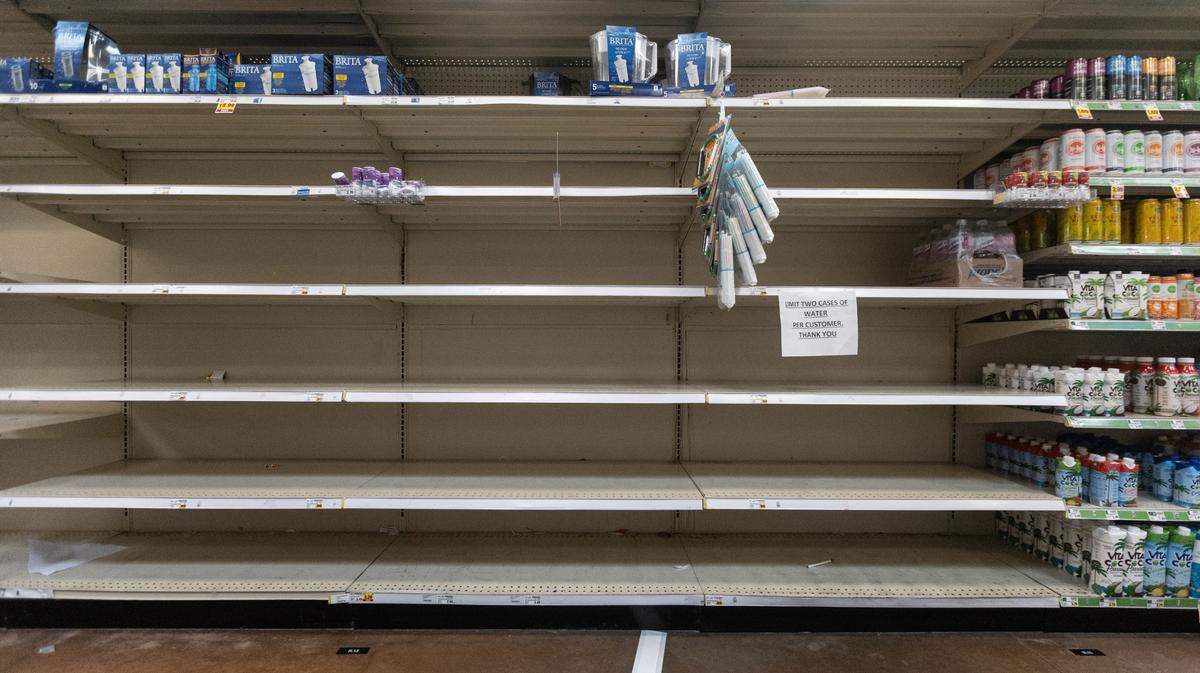
The city is aware of the fragile state of its water supply and has budgeted $10 million a year in its most recent capital improvements plan for repairs, replacements and maintenance of distribution lines, like the one that broke Thursday.
“We don’t know what the answer is yet. We’re still kind of figuring out, you know, what is the failure mode there,” King said.
“Depending on what we find, we may replace a portion of that pipe or we may protect the pipe if we think it still has a lot of life left in it. We may do what’s called cathodic protection, which is to introduce a low current into that soil and pipe so that it reverses or holds back the corrosivity of that environment.”
Boil advisory lifted
City officials had indications that the water was OK by Friday morning when tests of residual chlorine, the disinfectant used in city water, showed acceptable levels across the system.
The state lifted the boil advisory in the early morning hours Saturday, after testing of the city’s water samples came back showing no contamination.
“The water samples all came back clean,” Assistant Public Works Director Don Henry said slightly after 1 a.m. Saturday, shortly after he received the good news in a phone call with KDHE officials.
Most of the time it took to get the all-clear on city water was a result of a KDHE testing process that takes a full day to complete.
“Once the samples show up at the laboratory and then they’re set up for the test, once those tests go into the incubator, there’s a 24-hour incubation period before the tests are ready to read, because that gives the bacteria, if there are bacteria present, that gives them time to grow,” Henry said.
While Wichita is in the clear, several surrounding communities that receive their water from the city system remained under an advisory Saturday.
That’s mostly due to each individual utility having its own operating agreement with KDHE and having to complete its own testing period.
The systems remaining under advisory are: Sedgwick County Rural Water Districts 1, 2 and 3; the cities of Benton, Rose Hill, Derby (El Paso Water Co.), Kechi, Valley Center and McConnell Air Force Base.
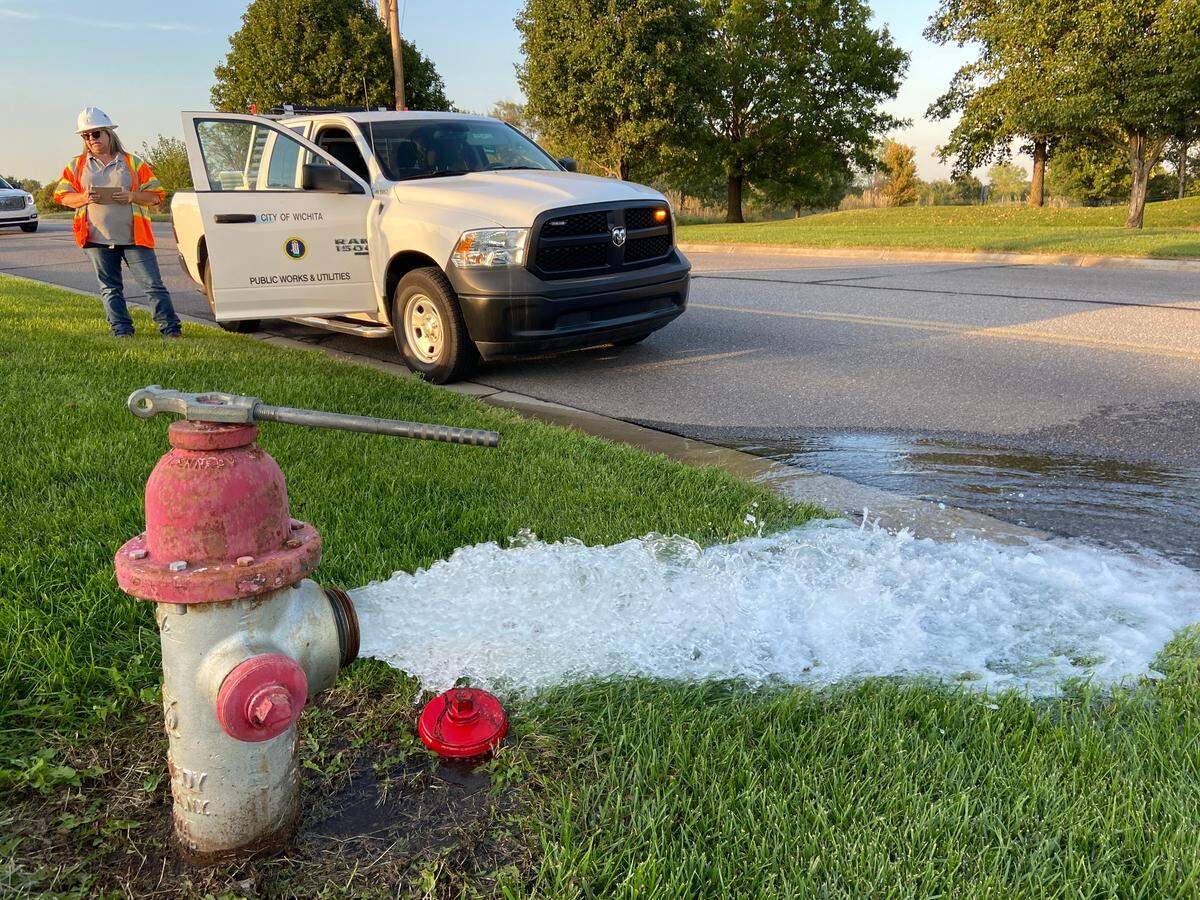
Also, Wichita is asking its customers to take a couple of precautionary steps, one of which is to run the water in the home for about 10 minutes to ensure the supply pipes are fully flushed out, Henry said.
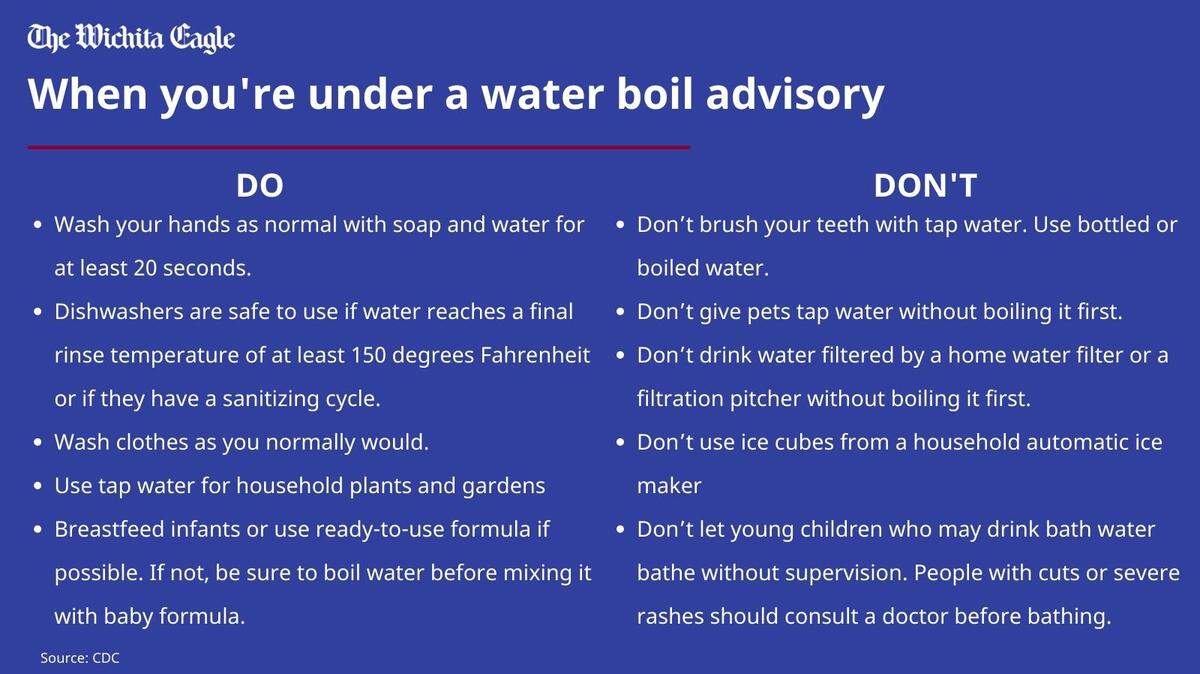
And, “KDHE recommends that customers with automatic ice-makers dispose of their ice and allow their ice-makers to cycle two times before using the ice,” he said.
An eye-opener
Although Thursday’s failure was no surprise, given the past studies showing how fragile Wichita’s water infrastructure is, the break was an eye-opener for city officials.
King said the city is reconsidering a proposal by Wichita Water Partners, the firm selected to design and build the Northwest Water Treatment Facility, to repurpose a massive existing water line instead of installing new pipe to run water from the new plant to the pump station near downtown.
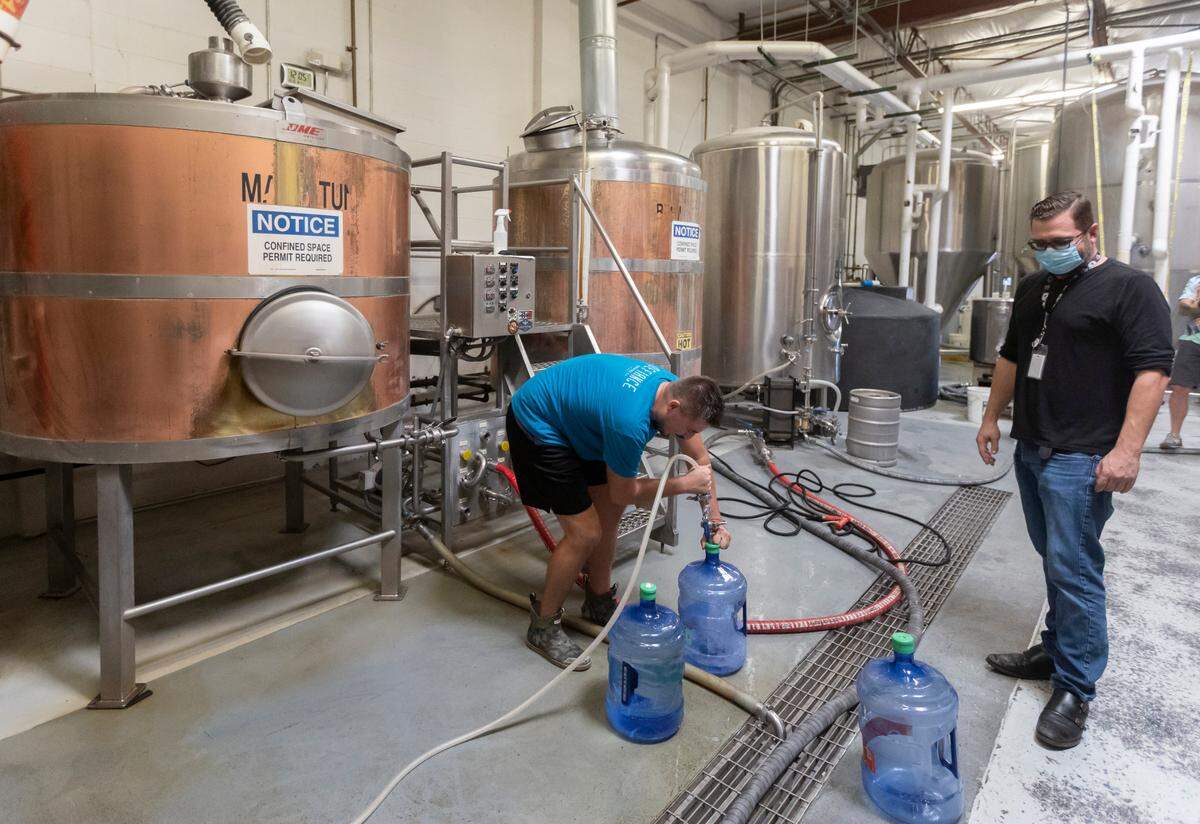
The cost-cutting maneuver shaved $14 million off the Wichita Water Partners’ price as the group and the city came under fire for a botched bidding process that ended with a sole bidder on the city’s largest-ever infrastructure project.
“It was a significant number ($14 million), enough for us to take it seriously and then to consider it. But it was all based on a condition assessment that is yet to be done on that pipe,” King said.
“In its current condition, it’s not going to meet our requirements for that use.”
This story was originally published October 10, 2021 at 5:00 AM.