
The most common tick-borne diseases in KS + 6 ways to reduce the risk of bites

Ticks are actively lurking in grasses, leaves and shrubs across the state of Kansas, waiting to attach to people or animals who get too close.
And if an infected tick latches on to you, they can spread diseases known to cause illness or death.
In Kansas, tick season is starting up, and the biggest risks will continue through early fall, according to a June 3 post from the Kansas Department of Health and Environment.
Here’s what to know about the most common ticks in Kansas, the tick-borne diseases they can spread and how to protect yourself from ticks.
Most common ticks in Kansas
The four most common ticks in Kansas are the American dog tick, blacklegged tick, lone star tick and Gulf Coast tick.
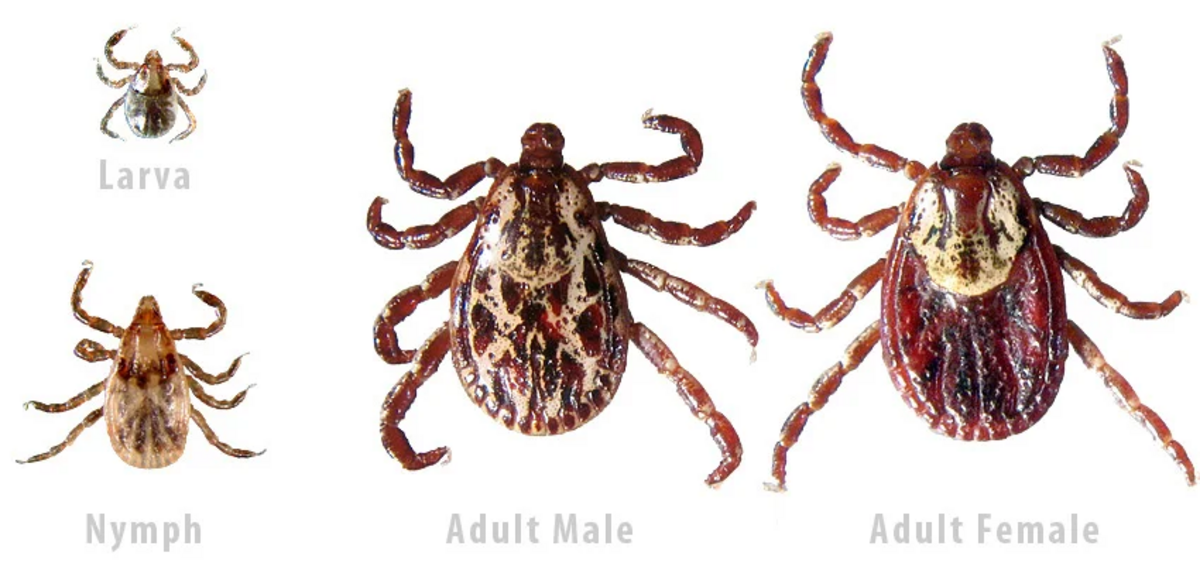
American dog tick
- Active in the spring and summer.
- Known to spread bacteria that causes Rocky Mountain spotted fever and tularemia.
- Lives in pastures and edge habitats (where two unique ecosystems meet).
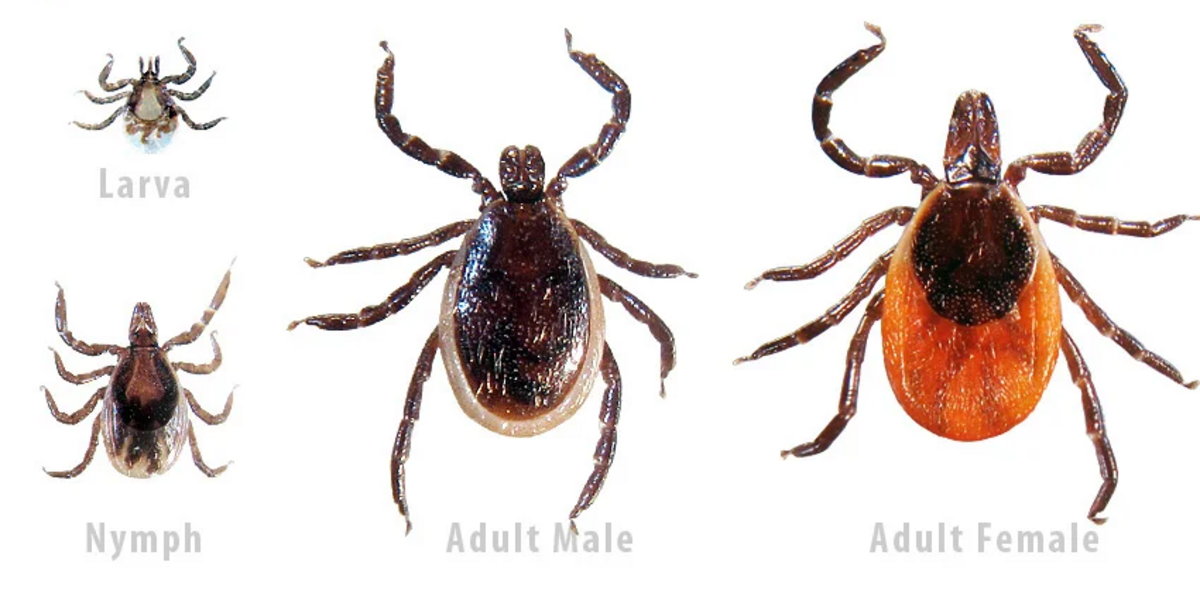
Blacklegged tick
- Most active when temperatures are cooler, including the spring and fall, but adults may also be active in the winter if there is little snow and temperatures are above freezing.
- Known to spread bacteria that causes anaplasmosis, lyme disease and babesiosis.
- Lives in woodland habitat.
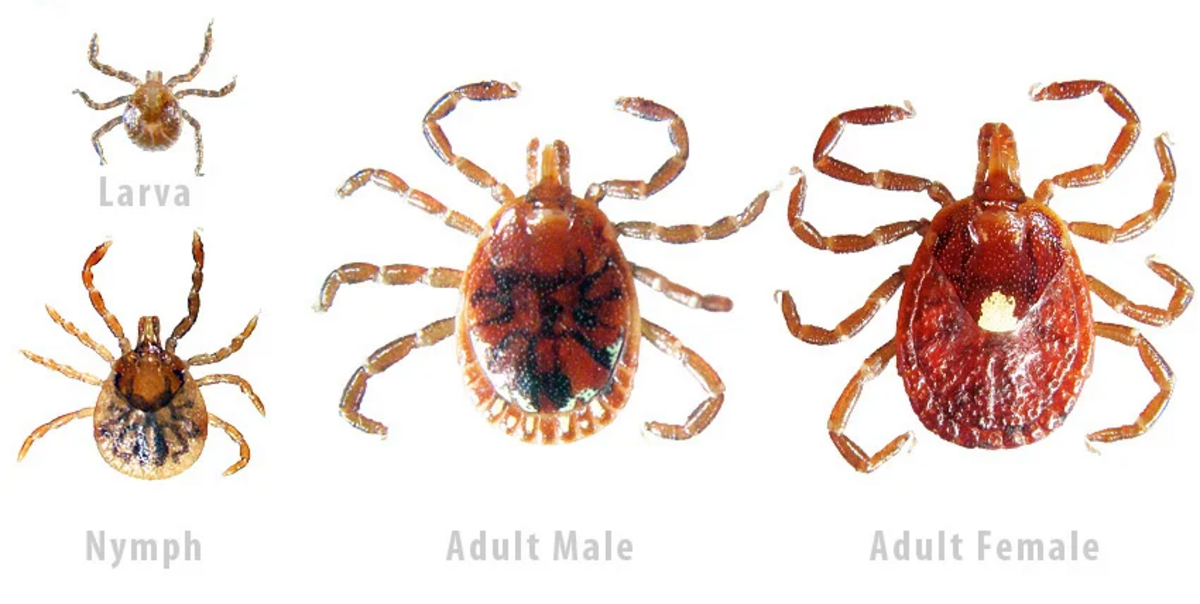
Lone star tick
- Most active from early spring into late fall.
- Known to spread pathogens that cause tularemia, ehrlichiosis, bourbon virus and heartland virus.
- An “aggressive feeder” that can cause alpha-gal syndrome (the red meat allergy).
- Lives in woodland, pasture and edge habitats.
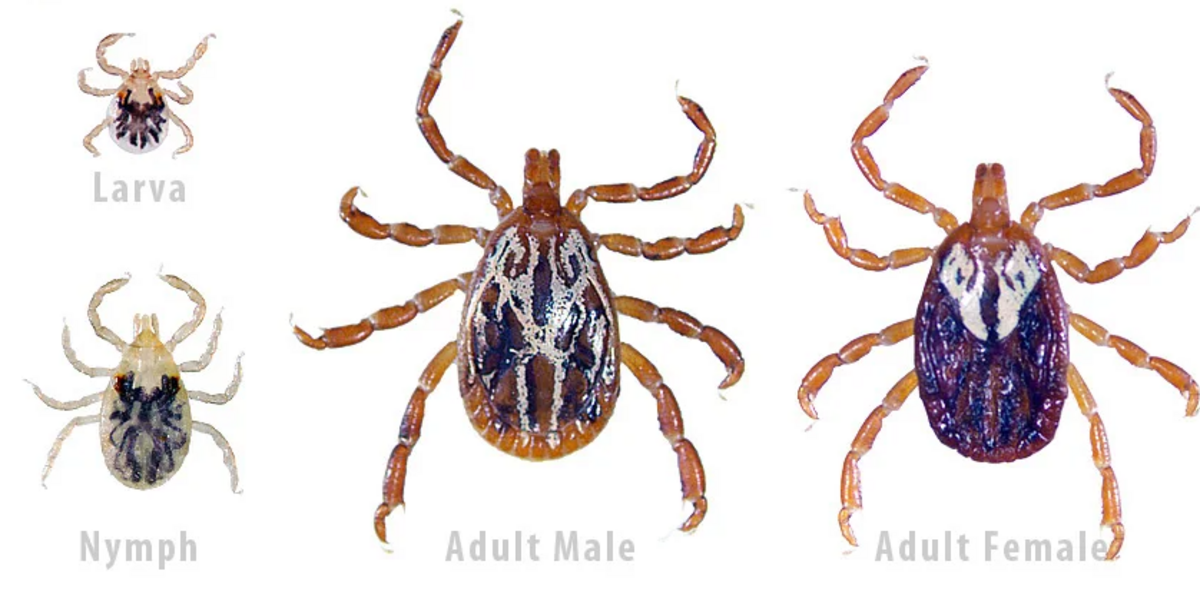
Gulf Coast tick
- Active during the hottest periods from April to October.
- Known to spread bacteria that causes spotted fever rickettsioses.
- Lives in grassland habitats.
Tick-borne diseases in Kansas
“A tick-borne disease is caused by ticks that are infected with bacteria, viruses, or parasites which are transmitted through the bite of an infected tick,” the KDHE said. “Many tick-borne diseases, if caught early, are readily treatable.”
The most common diseases in Kansas are ehrlichiosis, spotted fever rickettsioses, lyme disease and tularemia. Left untreated, they can cause serious illnesses or death.
Early signs of the diseases include fever, headache, nausea, vomiting and muscle aches. It is also possible for a rash to occur early on.
State health officials say you should be alert and watching for symptoms for 30 days after a possible tick bite. You should contact your doctor right away if you notice any symptoms.
6 ways to prevent tick bites
The best defense against tick-borne diseases and illnesses is reducing your exposure to ticks, according to the Centers for Disease and Control. Health officials say you should:
- Avoid time in wooded, bushy areas and in high grasses and leaf litter
- Treat clothing and gear with products containing 0.5% permethrin
- Use insect repellents
Once you return from inside, officials say you should:
- Check your clothes, gear and pets for ticks
- Shower soon after coming inside
- Check your entire body for ticks
If a tick bites you, the CDC says you should remove the tick immediately. Here’s how to remove a tick:
- Use tweezers to grab the tick as close to your skin’s surface as possible to avoid squeezing the tick’s body
- Pull the tick away using steady pressure and avoid twisting or jerking the tick
- Get rid of the tick by placing it in a sealed container, putting it in alcohol or flushing it down a toilet
- Clean the bite area and your hands with soap and water, hand sanitizer or rubbing alcohol
- Watch for symptoms for several weeks