
‘Destructive’ Japanese beetles are active in Kansas. Here’s how to get rid of them
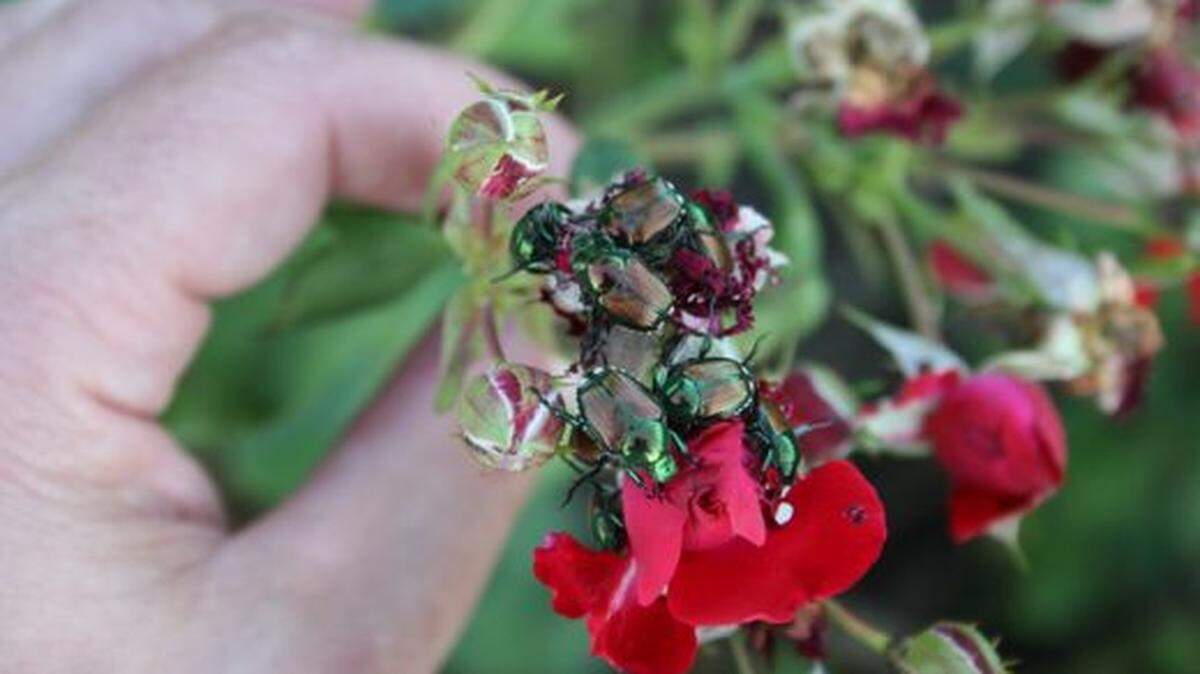
A notoriously harmful pest is once again active in Kansas, threatening your lawn and vegetable gardens along with your flowers, plants and trees.
The culprit is the Japanese beetle — and the adults are known as one of the Sunflower State’s “most destructive insect pests of horticultural plants,” according to Kansas State University Research and Extension.
“Japanese beetles are a widespread and destructive pest affecting landscapes, gardens, and turfgrass across Kansas,” Matthew McKernan, consumer horticulture extension associate, said in the June 2 K-State Horticulture Newsletter. “Both larvae (grubs) and adults (beetles) cause plant damage.”
First detected in the U.S. in 1916, the invasive beetles have since been found in nearly every state east of and immediately west of the Mississippi River, according to the U.S. Department of Agriculture National Invasive Species Information Center.
Japanese beetles are considered a “well-established pest” in eastern and central Kansas, and they continue to expand west, McKernan said. They’re known to attack over 300 species, including roses, crape myrtles and fruit plants.
What do Japanese beetles look like?
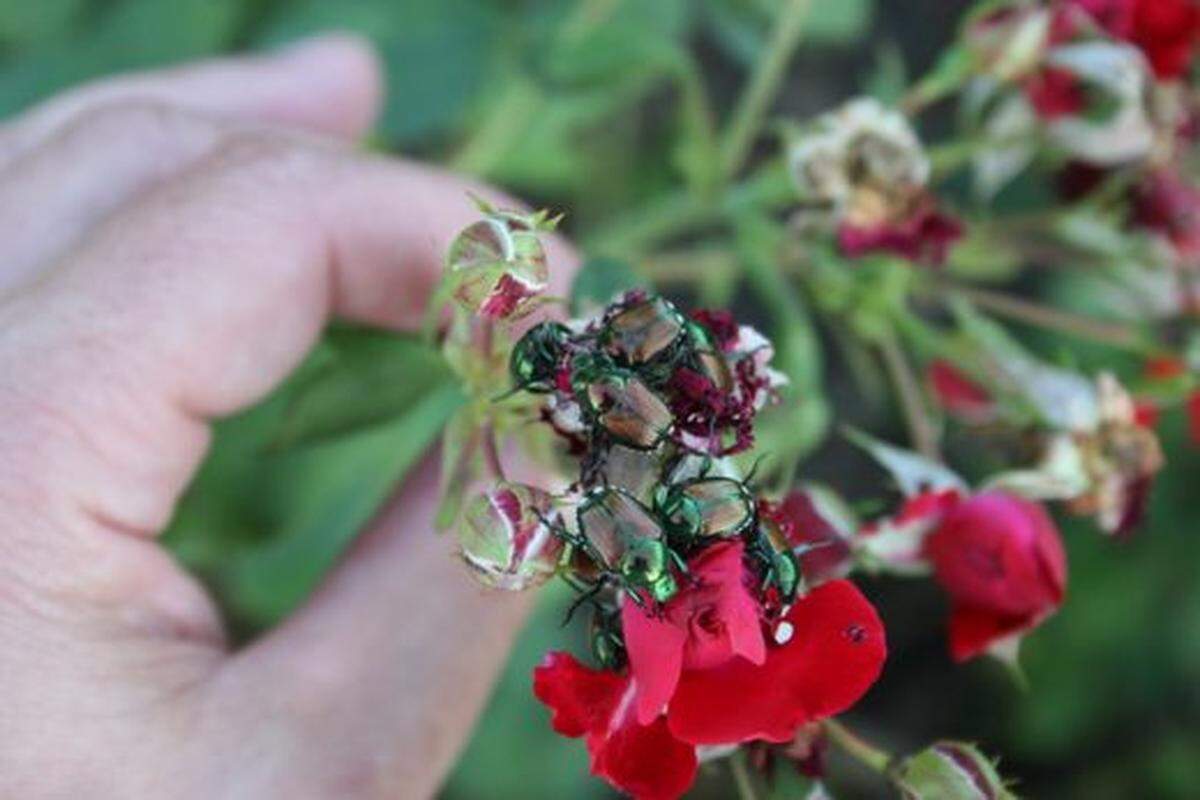
When searching your garden for Japanese beetles, McKernan said you can recognize the adults by their “metallic green bodies and copper-colored wing covers.”
“The most distinguishing feature for the adult beetles is the four to five tufts of white hair on each side of the abdomen, with two more tufts located at the rear end of the abdomen,” he continued. “These white tufts of hair are unique to Japanese beetles and distinguish adults from other beetle species.”
Adults measure less than half an inch long, according to the USDA Animal and Plant Health Inspection Service.
The young beetles, called larvae or grubs, are c-shaped with a brown head, according to Colorado extension agents. Lots of larvae look like this, though, so it can be hard to identify them.
When is Japanese beetle season?
Adults are usually active from June through September, depending on the state and weather conditions each year.
This year, in south central Kansas, McKernan said the adults became active in late May. The adult Japanese beetles live for about 4 to 6 weeks, feeding on plants and mating.
They then lay eggs in the soil, and the larvae hatch about two weeks later, according to K-State’s Department of Horticulture and Natural Resources. The grubs, or young beetles, feed on roots in the summer and into the fall before heading deeper into the soil for winter.
How do I get rid of Japanese beetles?
“The battle against Japanese beetle adults requires patience, persistence, and diligence in order to prevent adults from causing substantial damage to roses and other susceptible plants,” Raymond Cloyd, a professor of entomology at K-State, wrote in a blog post.
If you see Japanese beetles in your yard, K-State horticulture experts recommend the following to get rid of them:
- Remove the beetles by hand and place them in a bucket of soap and water, especially early in the season to limit population growth. This is easiest during the early morning or late evening when the beetles aren’t as active.
- Adults will fall to the ground when disturbed, so experts recommend placing a wide-mouthed jar or bucket under the beetles as you attempt to remove them.
- Remove smartweed and other weeds from the area, as they can attract adult beetles.
- Insecticides are only recommended if you have a large population of Japanese beetles, and it’s important to thoroughly cover the plant to effectively control the adults. To control larvae with insecticides, you should apply it near the soil surface when the grubs are small. Experts warn the insecticides can harm pollinators and natural predators of the beetles.
Extension agents do not recommend using traps as they can attract more beetles to your yard.
It is recommended to properly water, fertilize and prune your plants to help reduce any damage caused by the beetles. You should also limit watering your lawn when the beetles are laying eggs to decrease the grubs’ survival.