
It’s rattlesnake season in Kansas. How to avoid getting bitten
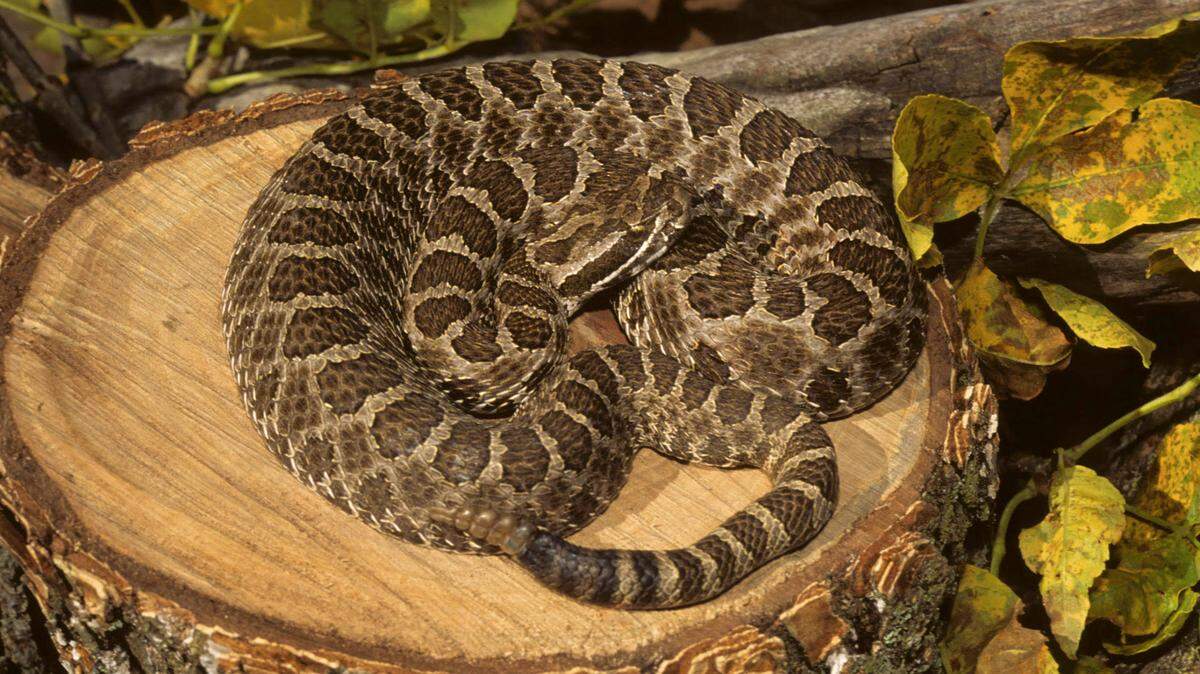
If you enjoy spending time in nature during the warmer months, Kansas game wardens say you should “watch your step and be vigilant.”
That’s because rattlesnake season is heating up across the state, typically running from April into the fall, when temperatures start to drop back down.
In Kansas, there are four species of rattlesnakes you might come across:
- Timber rattlesnake
- Prairie rattlesnake
- Western massasauga
- Western diamond-backed rattlesnake
“Their ranges vary across the state, but if you’re enjoying the outdoors, odds are you’ve probably come across a rattlesnake and didn’t even know it!” Shania Burkhead-Harris, an ecologist with the Kansas Department of Wildlife and Parks, told The Wichita Eagle.
How likely are you to see a rattlesnake in Kansas?
“While you are more likely to see a rattlesnake in rural Kansas than in more urban areas, it’s not impossible” to see one in some Kansas cities, Burkhead-Harris said. The timber rattlesnake, for example, extends into Johnson and Douglas County, so it wouldn’t be a surprise for one to be spotted at a city park or trail.
The only rattlesnake species that could be found in Sedgwick County is the western massasauga, she said, adding that they’ve only been documented in the extreme northwest part of the county. There are no state records of rattlesnakes in Wichita city limits.
What to know about western massasaugas
Western massasaugas are the smallest rattlesnakes in Kansas, reaching up to 30 inches long, according to the Kansas Herpetofaunal Atlas.
The species is usually gray or light brown with darker gray or brown blotches down its back and side. Younger western massasaugas may be lighter in color.
The snakes are considered “dangerously venomous,” as their bites can lead to loss of life or limbs.
Should Kansans be afraid of rattlesnakes?
“They shouldn’t necessarily be feared, but a healthy respect is good for both you and the snake,” Burkhead-Harris said. “If you stay aware of your surroundings and give snakes space, there shouldn’t be a reason to be scared.”
If you see a rattlesnake, wildlife experts say you should leave it alone and keep your distance. If the snake is coiled up, let it be, and if it’s moving, let it pass by without interference.
Western massasauga rattlesnakes prefer to avoid human attention and will do their best to not be seen or heard, according to the Kansas Poison Center.
“When you’re in an area where you suspect there might be a venomous snake, you just want to be careful where you put your hands and toes,” Travis Taggart, the director of The Center for North American Herpetology, previously told the Eagle.
What do you do if a venomous snake bites you?
While rare, snake bites do happen.
If you are bitten by a venomous snake, wildlife experts say the best thing to do is call 911 and immediately seek treatment at a hospital.
“Do not try to harm the snake or kill it,” Burkhead-Harris said. “Every native venomous snake in Kansas has the same anti-venom, so there is no reason to stick around and try to identify it or bring it with you.”
You should also do your best to remain calm, according to the Great Plains Nature Center.