
Kansans are needed to track bumble bees — some at risk of extinction. How to help
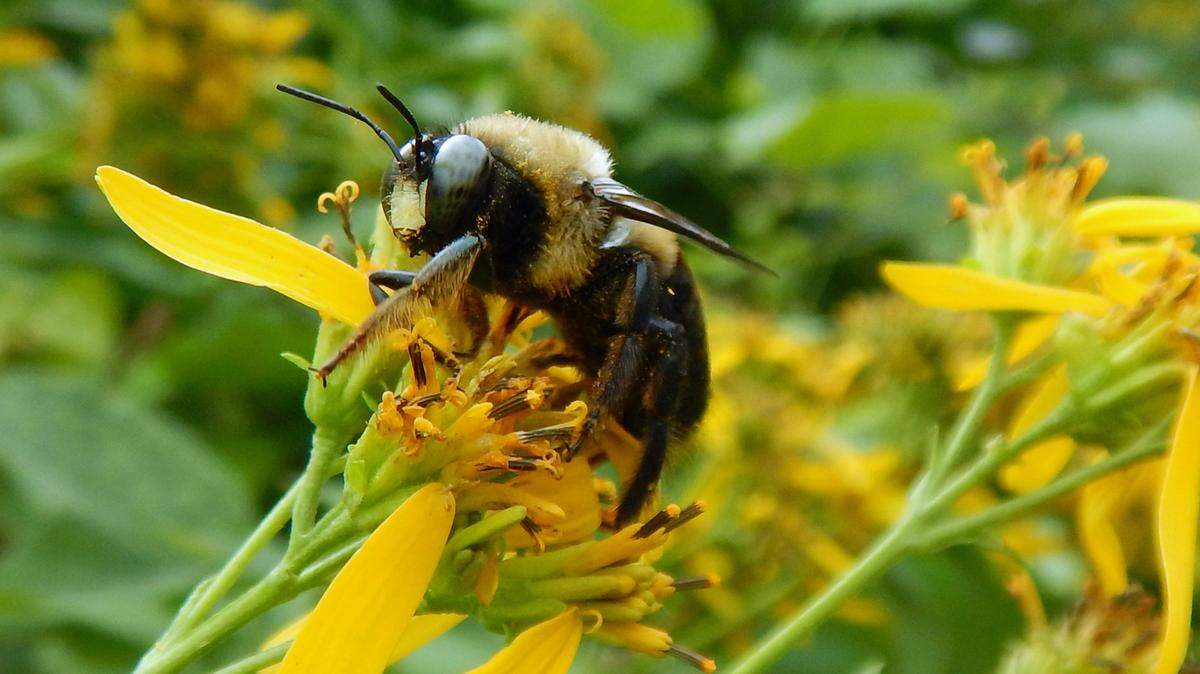
Over the last four summers, Kansas volunteers have tracked 2,300 bumble bees within six different species, two of which are at risk of extinction.
This summer, state officials are seeking more volunteers in hopes of surveying unsampled areas across the state, especially in the prairie habitat of western Kansas.
The effort is part of the Great Plains Bumble Bee Atlas, a project that trains volunteers on how to track the bees in hopes of gathering data that helps conserve the pollinators.
“Appreciate the wild spaces of Kansas and take part in supporting conservation efforts through this crucial initiative,” Gov. Laura Kelly wrote on Facebook.
Volunteers do not need to have any experience working with bees or any prior knowledge about bumble bees.
“All you need to become a volunteer is an interest in pollinators and the ability to spare a couple of weekends between June and September,” Katie Lamke, a conservation biologist for the Xerces Society for Invertebrate Conservation, said in a news release. “We especially need volunteers who want to explore sparsely populated areas like the western prairies, where we have less information about bumble bees.”
Here’s what you need to know to sign up.
Volunteer to track Kansas bumble bees
In partnership with the Kansas Department of Wildlife and Parks, the Xerces Society is hosting in-person and online trainings in June.
The free in-person trainings will provide hands-on experience with swinging a net and photographing the insects. Advance registration is required to attend:
- Tallgrass Prairie National Preserve, Strong City, June 6
- Sandsage Bison Range Wildlife Area, Garden City, June 7
If you cannot attend one of the in-person trainings, you can watch a recorded training webinar at www.bumblebeeatlas.org/pages/train-online.
Once trained, you can sign up for an account, apply for a scientific collection permit and “adopt” a grid cell to survey.
“With each grid cell you adopt, you are signing up to conduct at least two surveys within that area each summer you participate,” organizers said. “Surveys may take place anytime between June 1st and September 30th, at any location as long as you have permission to access the site.”
Why are bumble bees being tracked?
Bumble bees provide vital pollination to our ecosystem, but about 25% of bumble bees native to North America face risk of extinction, according to the Bumble Bee Atlas.
“The data collected helps researchers, state and federal agencies, and policymakers better support these important pollinators,” KDWP said.