
Is it too late to control crabgrass taking over your lawn? What a KS expert says
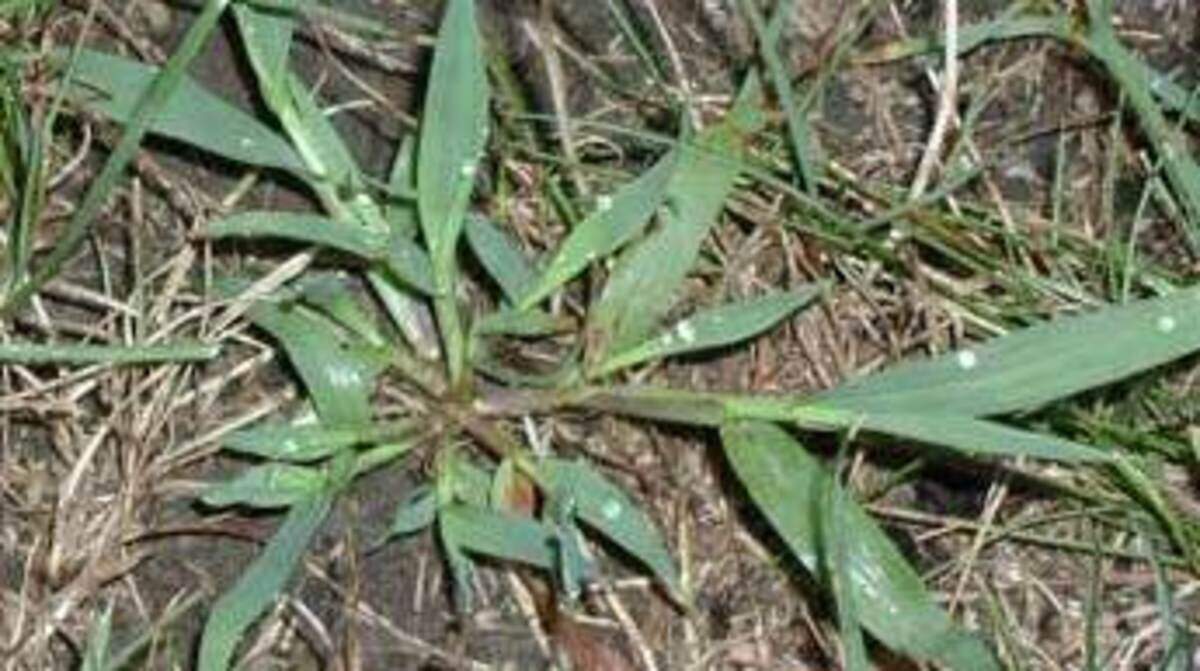
There’s a very pesky, highly aggressive and incredibly opportunistic weed that will take over your lawn if you’re not careful.
The weed, which commonly thrives in Kansas lawns, is called crabgrass.
And it is one of those weeds that can have homeowners feeling “pretty crabby” as the temperatures start to rise each year, according to Kansas State University Extension.
K-State consumer horticulture extension associate Matthew McKernan told The Wichita Eagle there are 2 to 3 species of crabgrass homeowners commonly experience in Kansas, and they are all summer annuals that germinate in the spring and die once it starts to freeze.
If you have noticed crabgrass thriving in your lawn this summer, you are not alone.
But you may have also since learned that the best time to prevent crabgrass is in the spring — around the same time the redbud trees start to bloom (those are the trees with purplish-pink flowers in mid-March or April).
That’s why we checked in with K-State Extension to see if it is too late to do anything about crabgrass this year. Here’s what the experts say about crabgrass in the summer months.
Crabgrass thrives in the summer
In the hot summer months, crabgrass thrives, according to K-State Extension.
“Because cool-season lawns struggle during the summer, crabgrass will often take over if the lawn is not well taken care of,” experts say.
In fact, McKernan told The Eagle that in a 1-foot by 1-foot square of crabgrass, the weeds can produce over 10,000 seeds in just one summer, “creating a bank of seeds in the soil for many years to come.”
Those seeds will then lay dormant in the soil until ideal growing conditions begin.
Controlling crabgrass in the summer
While the spring is a great time to prevent crabgrass, McKernan said this is not the only time to control the weed.
“Whether pre-emergent products were not applied, applied too late, or lost their effectiveness before the end of the growing season, there are still options available for homeowners who want to control crabgrass this summer,” he said. Those options include:
- Hand-pulling the weeds. This is effective especially in landscape and vegetable gardens, McKernan said. You can also apply layers of mulch (about 2 to 4 inches thick) to suppress future growth.
- Taking care of your lawn. One way to control crabgrass is to maintain a lawn that makes it harder for crabgrass to take over. “Mowing at the proper mowing height, fertilizing at the appropriate times of year, and proper irrigation can all limit crabgrass growth and boost lawn health,” McKernan said.
- Chemically treating crabgrass. Most post-emergent herbicides available to homeowners are most effective when crabgrass is either “very small or very large.” McKernan said it’s most ideal for crabgrass killers to be applied before the plants have developed five leaves, but you should read the label carefully about the number of leaves and tillers each product is designed to be used on. He also noted some herbicides may injure your lawn if daytime temperatures exceed 85 degrees.
“Often using a combination of pre- and post-emergent herbicides will be most effective in controlling crabgrass,” he added. “Even if post-emergent herbicides are used to kill actively growing crabgrass, in most cases they will not prevent new crabgrass seeds from germinating after the initial plants are removed. This means that you may kill crabgrass plants with a June or July spray, but still see crabgrass return in August or September as optimal growing conditions persist.”
And if you do treat your lawns with crabgrass killer, McKernan warned you should not use your grass clippings for mulch as they can harm your flowers and crops.
“If all else fails, homeowners can live with crabgrass this summer, knowing that it will die this winter,” McKernan said, adding that you can then make a plan to prevent crabgrass in the spring by applying pre-emergent herbicides when the redbud trees start to bloom.