
Plants used in flower arrangements now a noxious weed in KS. How to combat it
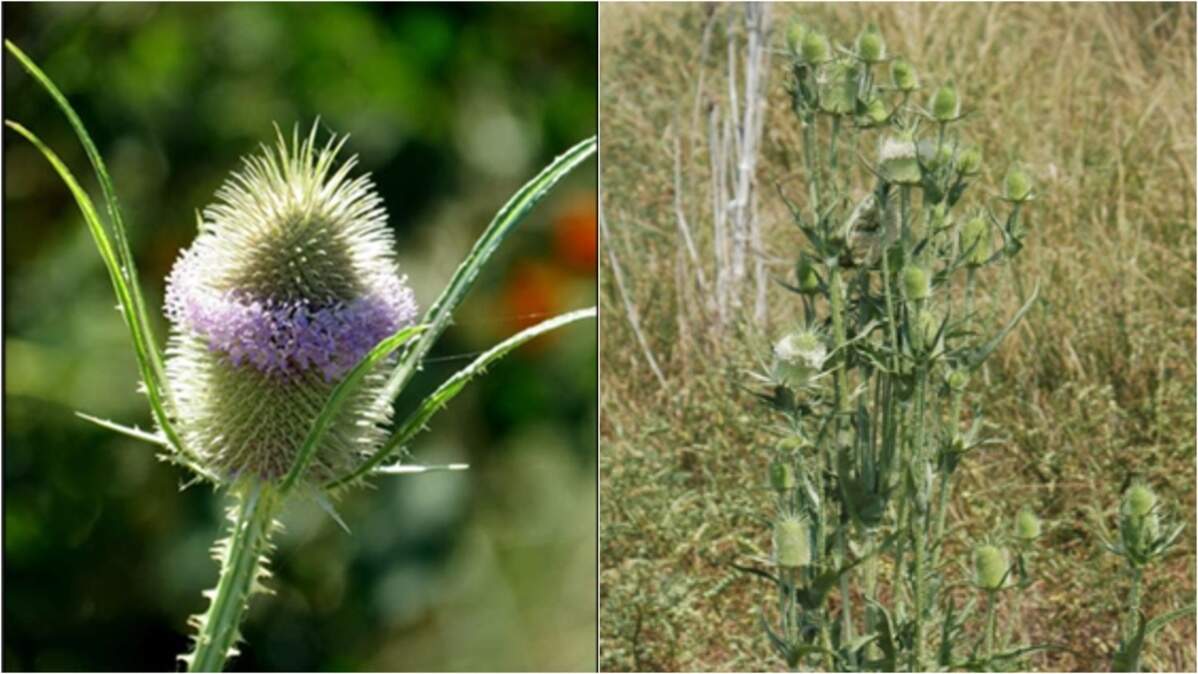
Two plants used in textile production and dried flower arrangements have been added to the Kansas Noxious Weed List.
The common teasel and cutleaf teasel were classified as Category B noxious weeds, meaning they are present in some parts of the state and must be controlled to prevent them from spreading, according to a news release from the Kansas Department of Agriculture. They were two of five weeds added to the list in May.
There are now 16 weeds on the Kansas Noxious Weed List, three of which are Category B.
“Noxious weeds are one of the greatest threats to the Kansas environment because they displace native plant species, interfere with the production of agricultural crops, increase erosion, destroy wildlife habitat and decrease property values,” according to the KDA.
Under state law, landowners are legally responsible for controlling the spread of and eradicating noxious weeds using official methods approved by the Kansas Secretary of Agriculture.
Common teasel
What is common teasel?
Common teasel was first cultivated in the U.S. in the 1800s for textile processing, though it may have accidentally been introduced with other teasel varieties, according to the U.S. Department of Agriculture National Invasive Species Center.
Also known as Fuller’s teasel, the plant is a biennial or short-lived perennial that also is able to occur as a summer annual, the KDA said.
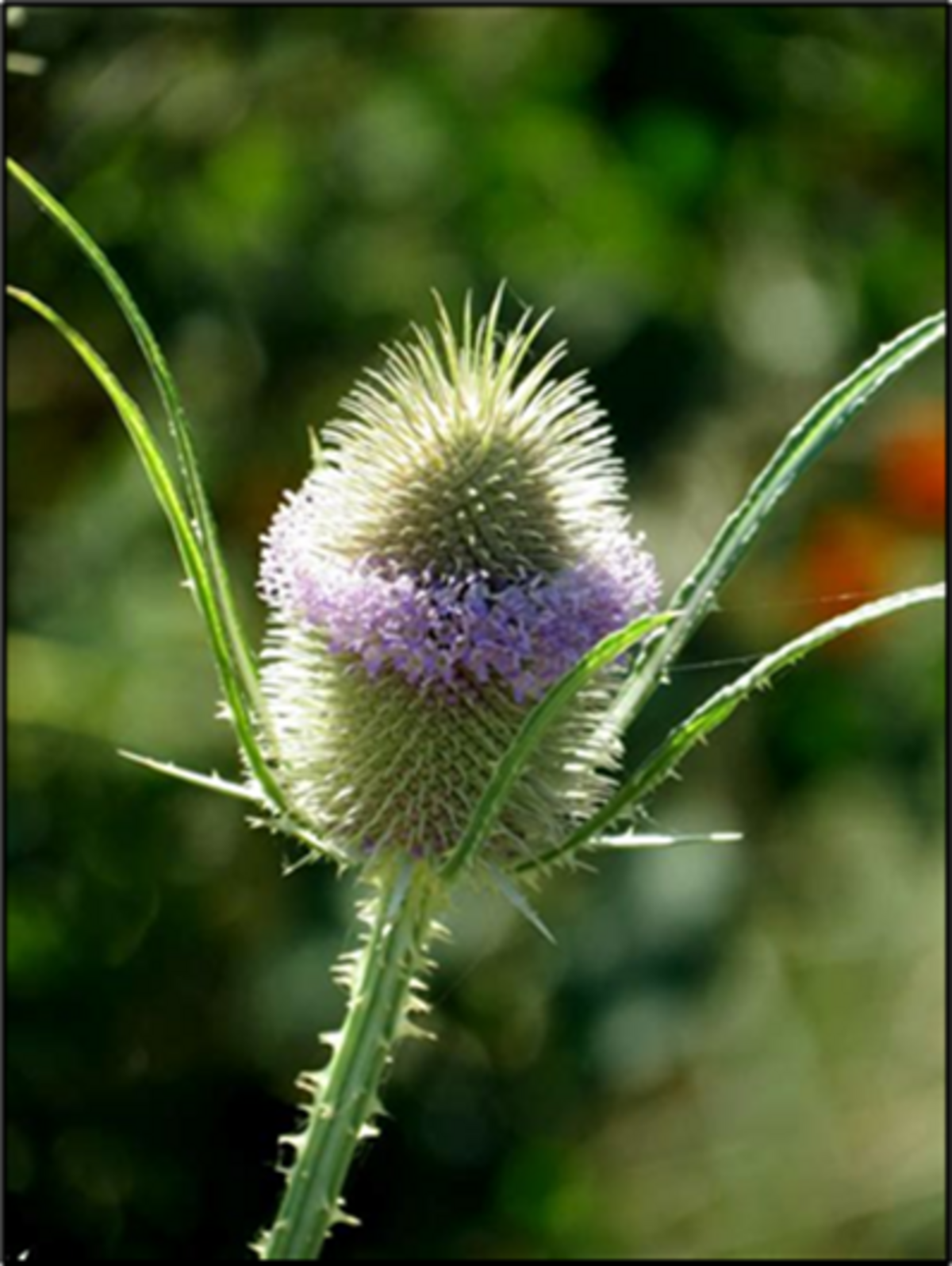
The plant flowers from June to October and has “dense, egg-shaped flower heads that grow individually at the tips of leafless stems.” The flowers can be white, pale purple or dark purple.
Common teasel plants produce up to 40 flower heads, and one flower head can produce up to 850 seeds that spread “by floating on water, in mud, soil movement, human activities, or by birds and animals.”
The weed can then crowd out native species.
How do I control common teasel?
Common teasel can be controlled by physically removing the entire plant or its reproductive parts.
“Plants in the rosette or early bolting stages can be removed by digging, however, it is important to remove as much of the taproot as possible to prevent re-sprouting,” the KDA said. “Plants should be cut just below ground level to prevent re-sprouting, which may produce seeds.”
If there is a large infestation, you can mow them back to the growth stage as long as the plants haven’t started flowering. If removing plants that have already flowered, the heads should be bagged, removed and either burned or disposed of.
Common teasel can also be controlled with herbicides, including 2,4-D and glyphosate.
Cutleaf teasel
What is cutleaf teasel?
Cutleaf teasel is believed to have been introduced to North America as early as the 1700s and cultivated for wool production and used as an ornamental plant, according to the National Park Service. It is also commonly used in dried flower arrangements, which may help it spread.
Similar to common teasel, the plant is a biennial or short-lived perennial that may occur as a summer annual.
Cutleaf teasel produces “dense clusters of white flowers” from June to October and produces “seed-like fruits” from July to October.
“Cutleaf teasel may not seriously reduce biodiversity, but it has the potential to become more of a problem invasive species,” the park service said.
.png "download (2).png")
How do I control cutleaf teasel?
Cutleaf teasel can be controlled by removing the entire plant or their reproductive parts, similar to common teasel.
They can also be controlled with herbicides, including 2,4-D, aminopyralid and glyphosate.
“Maintaining healthy plant communities will help prevent or reduce infestations of cutleaf teasel,” the KDA said. “Frequent surveys of fence lines, roadways, ditches and other susceptible areas for new infestations and the quick removal of any new plants will prevent cutleaf teasel from becoming established.”
All removed flower heads should be burned or disposed of safely.