
Can your damaged tree be saved after Kansas storms? Here’s what experts say
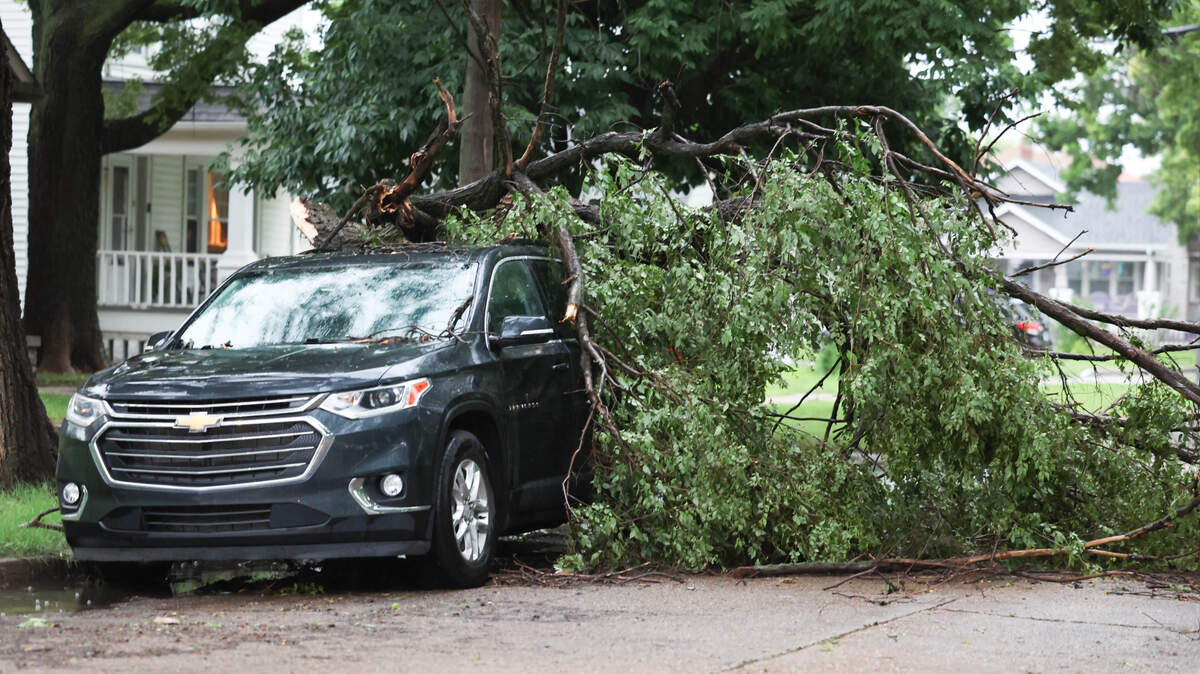
After a powerful storm brought a night of thunder, flash flooding and strong winds to central and eastern Kansas, many residents woke up to damaged or downed trees in their yards.
Whether you experienced minor or severe tree damage, Kansas State University extension agents have advice for how to safely clean up, evaluate and care for your trees.
“Your first priority should be any dangling limbs or limbs barely connected to the tree,” K-State Extension Butler County said. “These limbs can easily fall and hurt people or property, and they should be removed ASAP before you do anything else with the tree. After you have removed the hazards, it’s time to take a break and deal with other issues.”
Experts say it is usually OK to wait up to a few weeks to care for the trees.
“Often, our first thought is to get the tree taken care of immediately, and while that’s important if the tree or branches pose a danger to humans or property, general pruning can wait,” the agents said.
Evaluating damage to the trees
When you’re ready, you’ll need to evaluate your tree’s damage.
If your tree’s main trunk split in the storm, if it has significant bark damage or if the inner wood has been exposed, your tree may need to be removed. This may also be the case if more than 50% of the tree’s canopy has been lost.
“These trees are not likely to survive,” Matthew McKernan, K-State consumer horticulture extension associate, said in a May 25 news release. “Don’t be afraid to remove the entire tree if severe damage occurred, as these trees pose future safety risks.”
If a tree has too much damage, it will be susceptible to more diseases and pests, and it is at risk for more breakage, he continued.
How to prune damaged trees
Trees with minor damage and missing less than 50% of their canopies are more likely to be saved. To help them heal, it is recommended that you prune broken branches to the trunk or next largest branch.
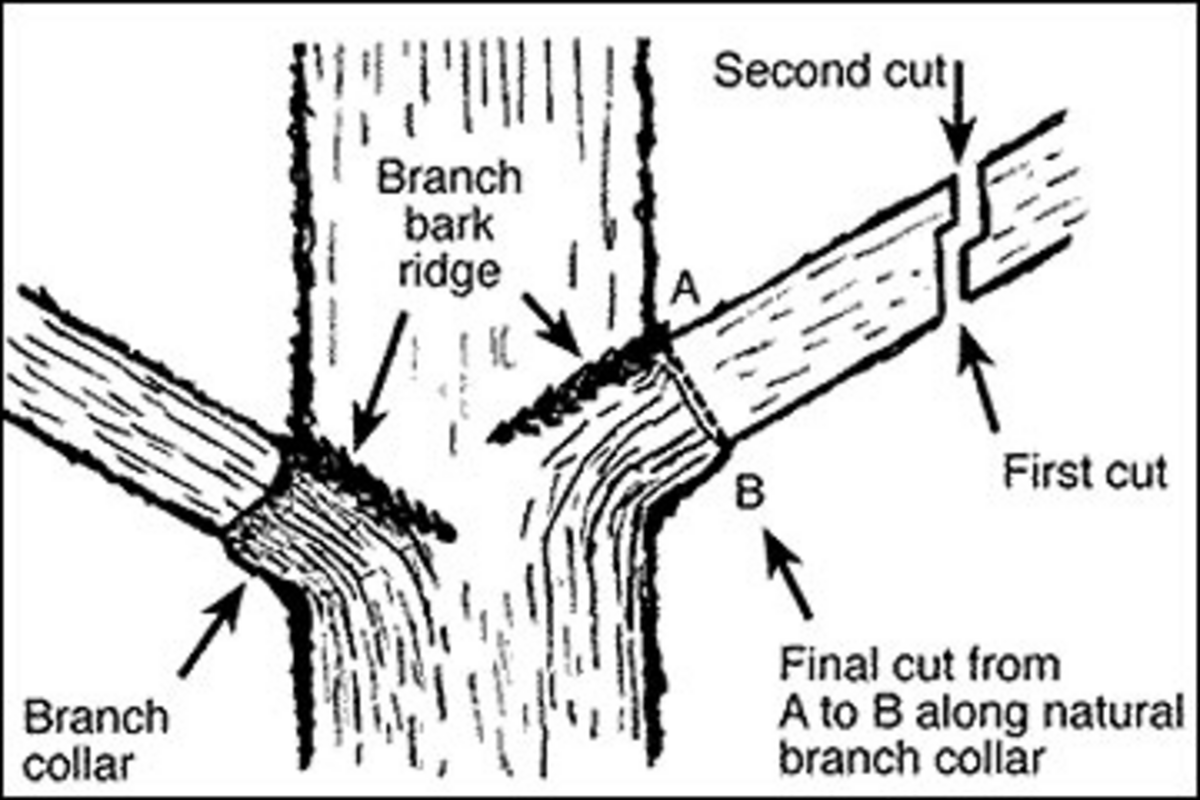
“When pruning branches over 3 inches in diameter, I recommend using the three-cut method to prevent tearing the bark,” a Butler County extension agent said. “The first cut is on the bottom side of the limb, about a foot or so from the trunk, preventing the bark from tearing when the limb falls off. The second cut from the top is 2-3 inches beyond the first cut and goes through the limb. This cut removes most of the weight from the branch and makes it easier to handle.
“The last cut is just beyond the branch collar, where there is a slight swelling or wrinkle in the bark on the tree. This collar contains the cells to heal the branch after the cut.”
For smaller trees with most of their roots still in the ground, you can try saving them by staking them upright and covering any exposed roots with soil.