Father Emil Kapaun laid to rest in Wichita as thousands pay their respects
READ MORE
Once Was Lost: Father Emil Kapaun
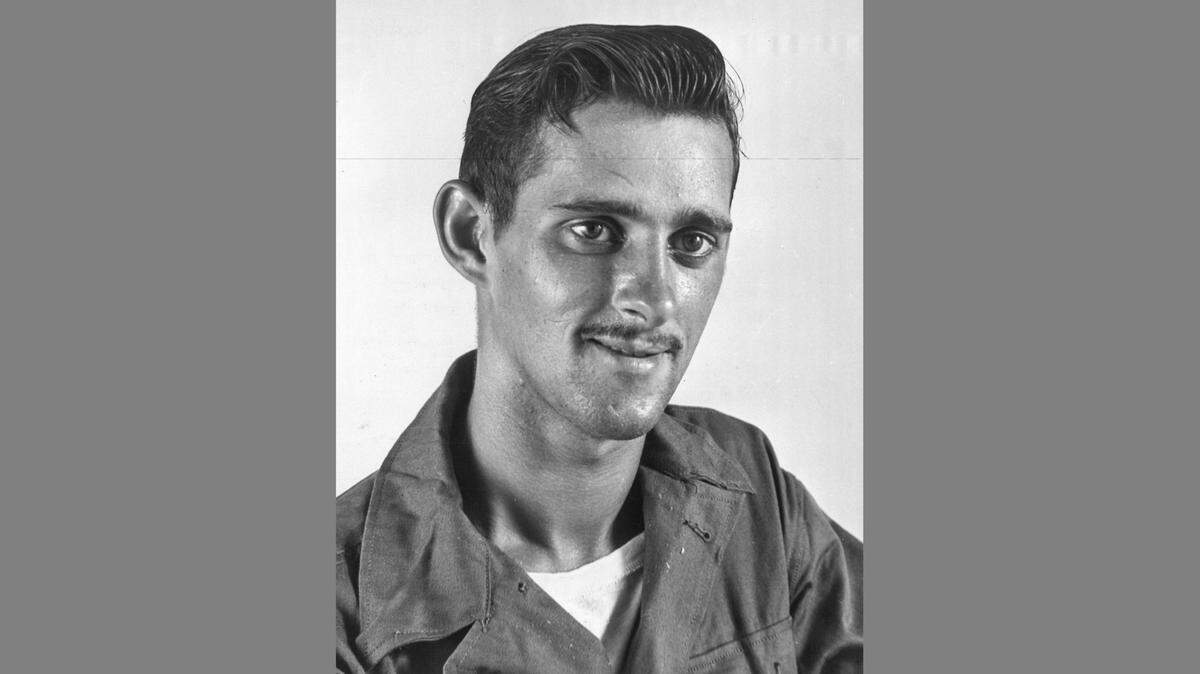
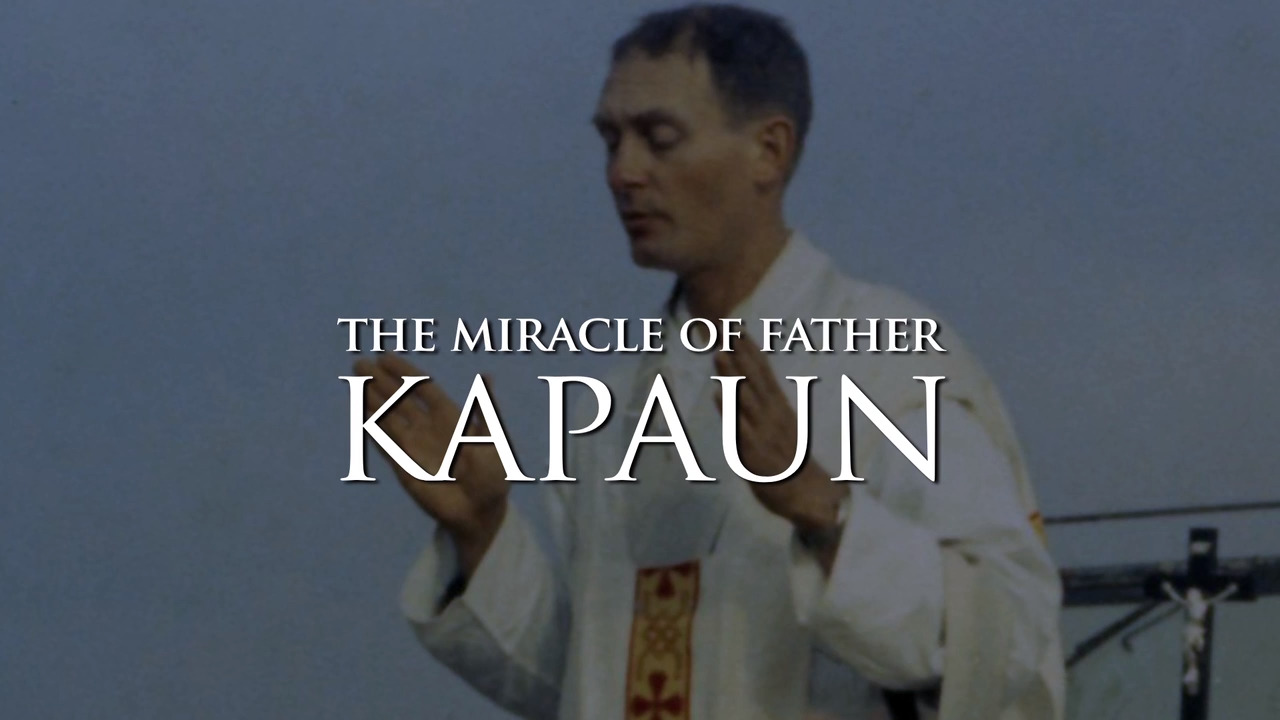
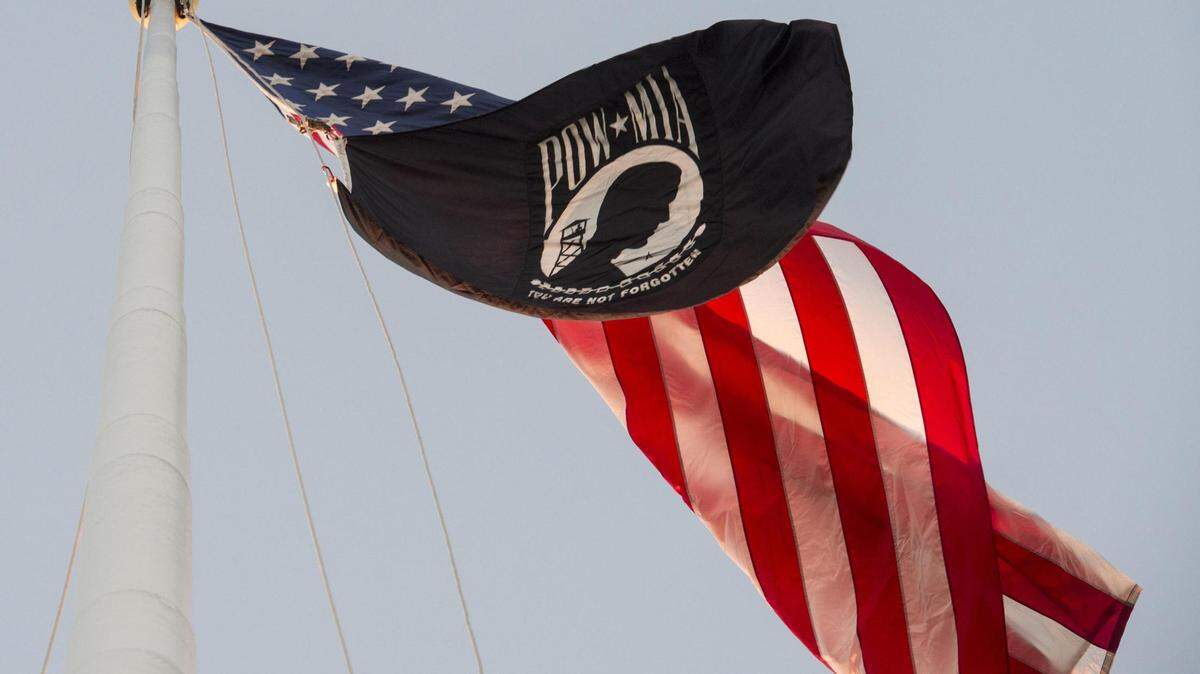
For 70 years, the remains of Father Kapaun, a Korean War hero and Catholic priest from Pilsen, Kansas, remained missing. Earlier this year, his remains were identified and now they’re back home in Kansas.
Expand All
Those who loved him lay Father Emil Kapaun to rest on Wednesday. Thousands came to Hartman Arena for his Mass of Christian Burial.
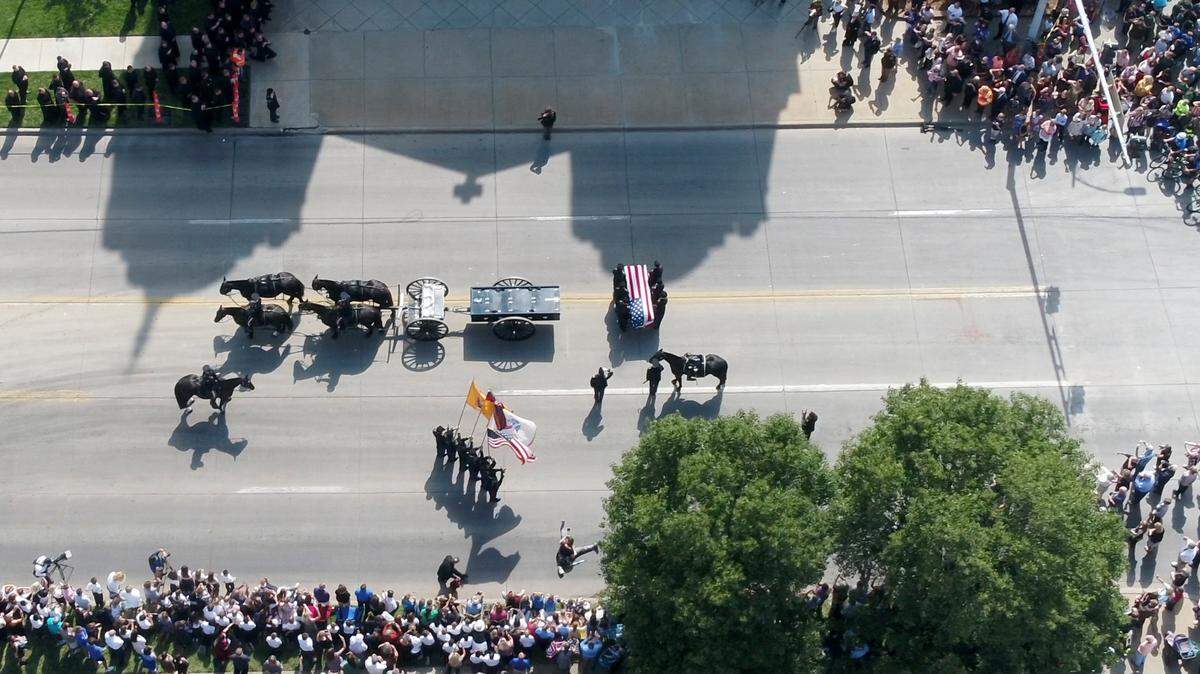
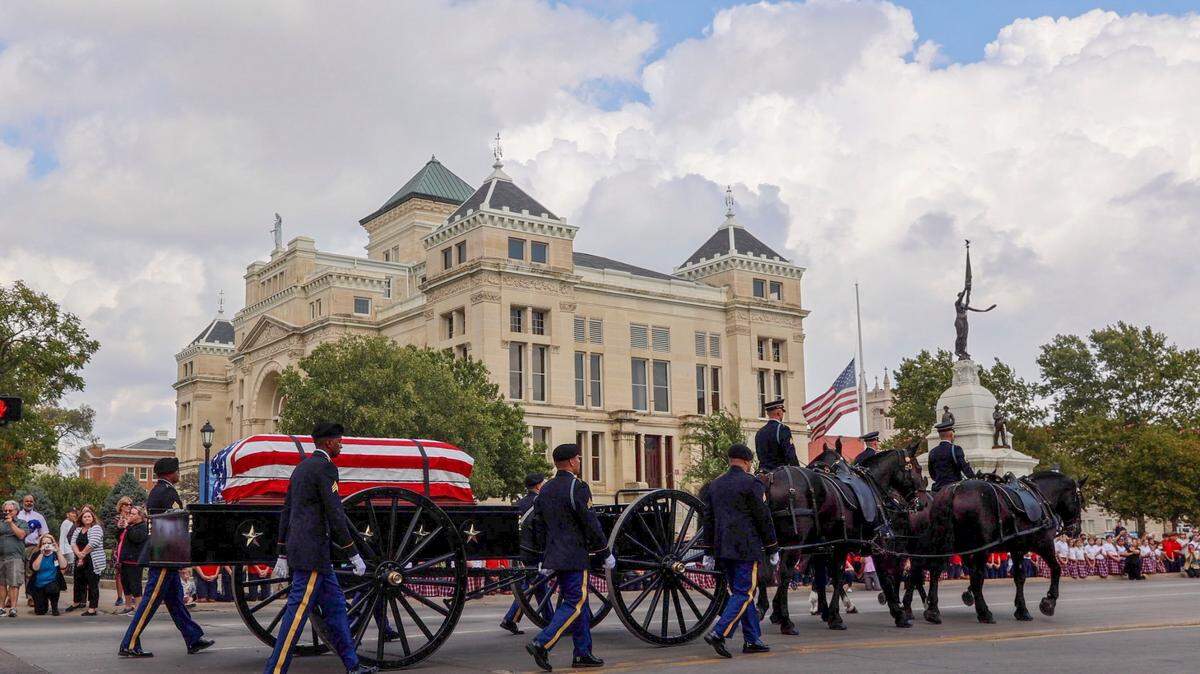
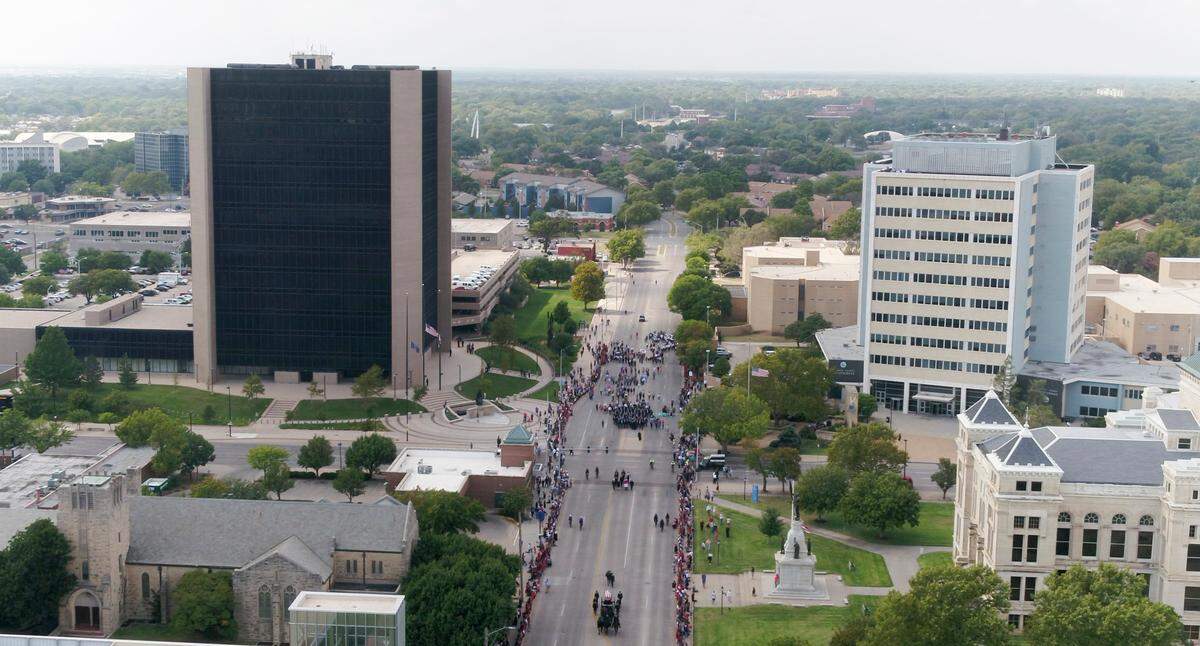
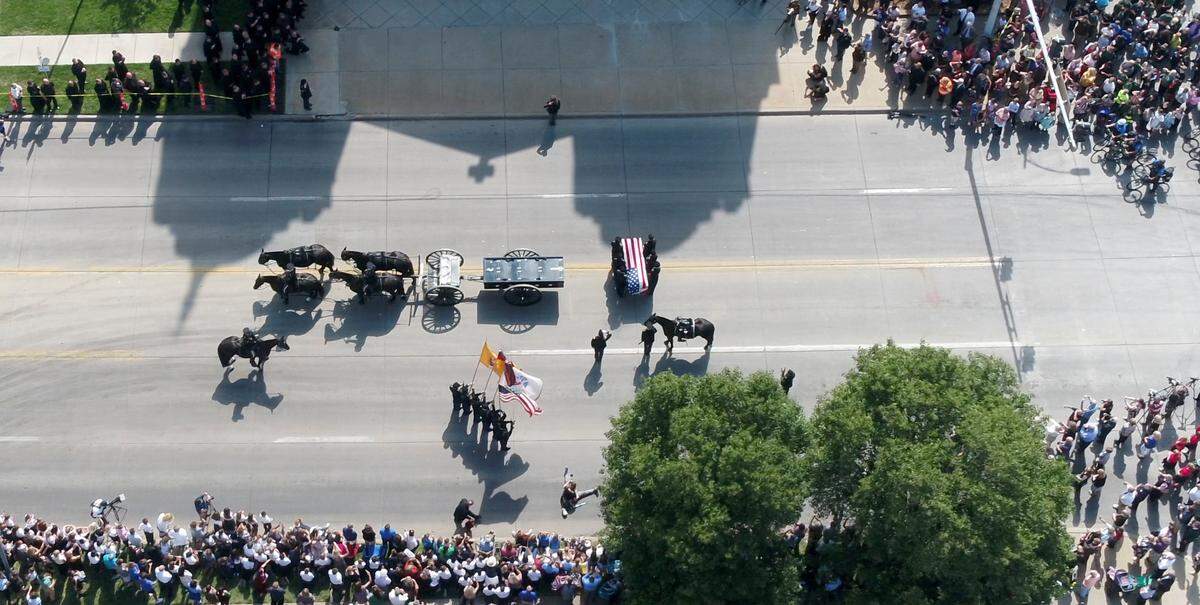
Many later lined Central Avenue in Wichita as his casket rolled past, drawn by a four-horse military honors caisson with a trailing horse and an empty saddle coming behind.
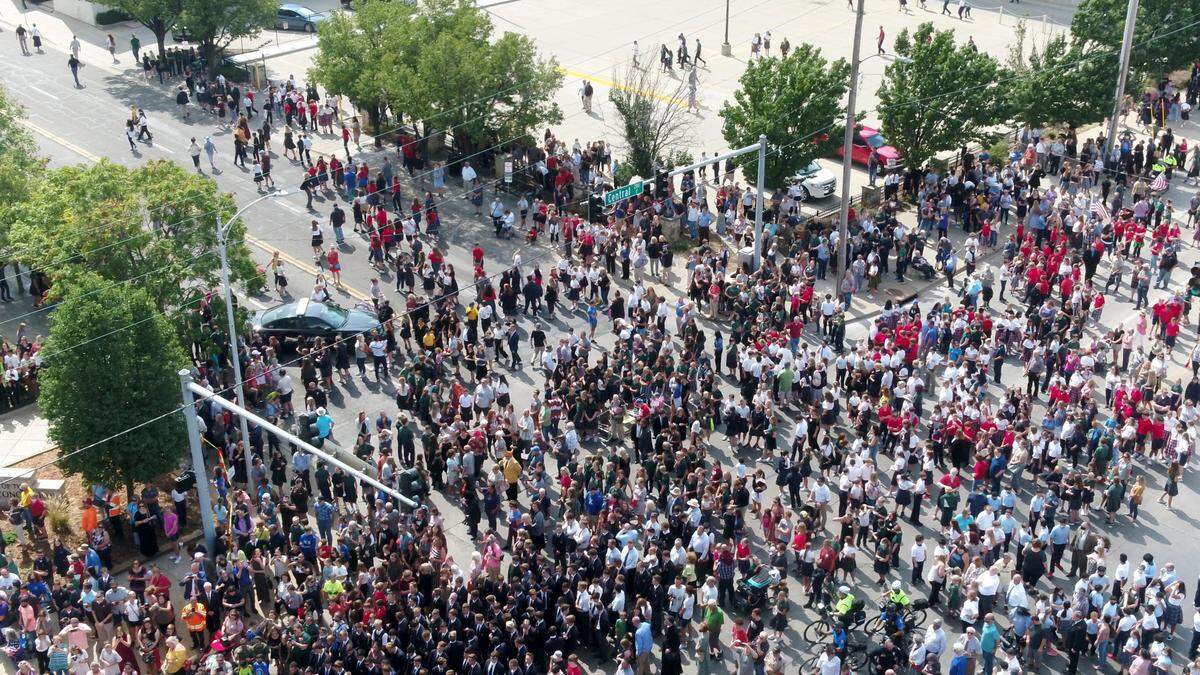
Hundreds of the people were Catholic schoolchildren, who knelt on the pavement and bricks, row after row of them, in the heat of the day, holding steady on those knees for a good 20 minutes. They looked upon him so that they will never forget.
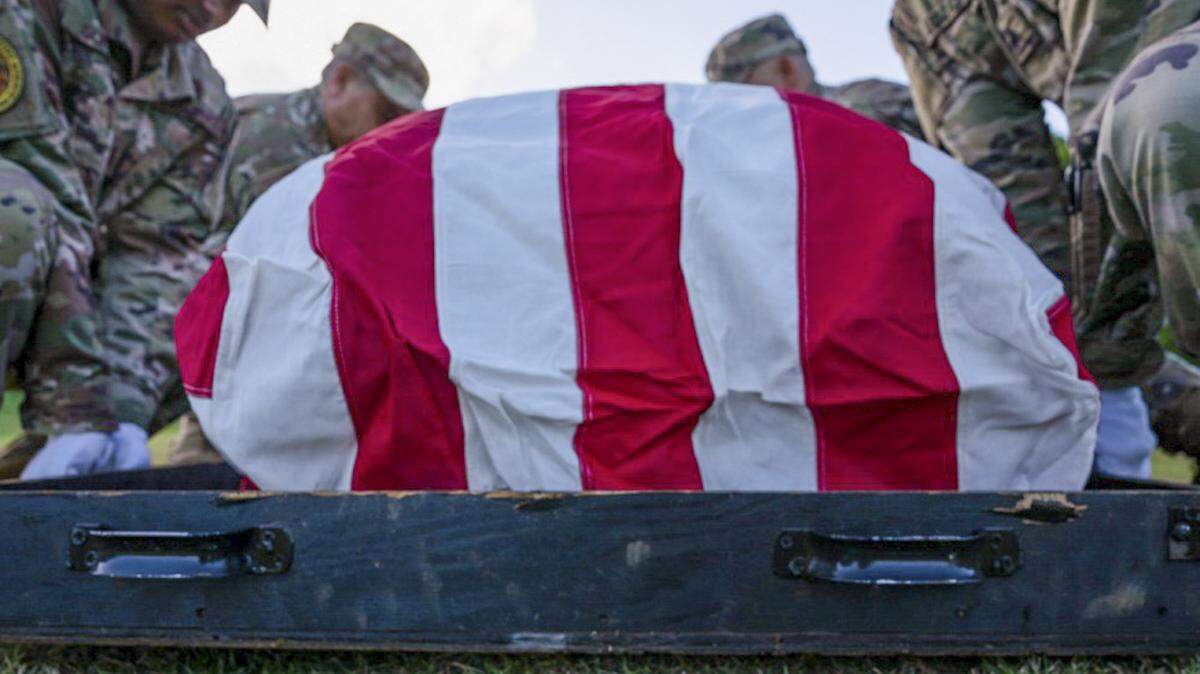
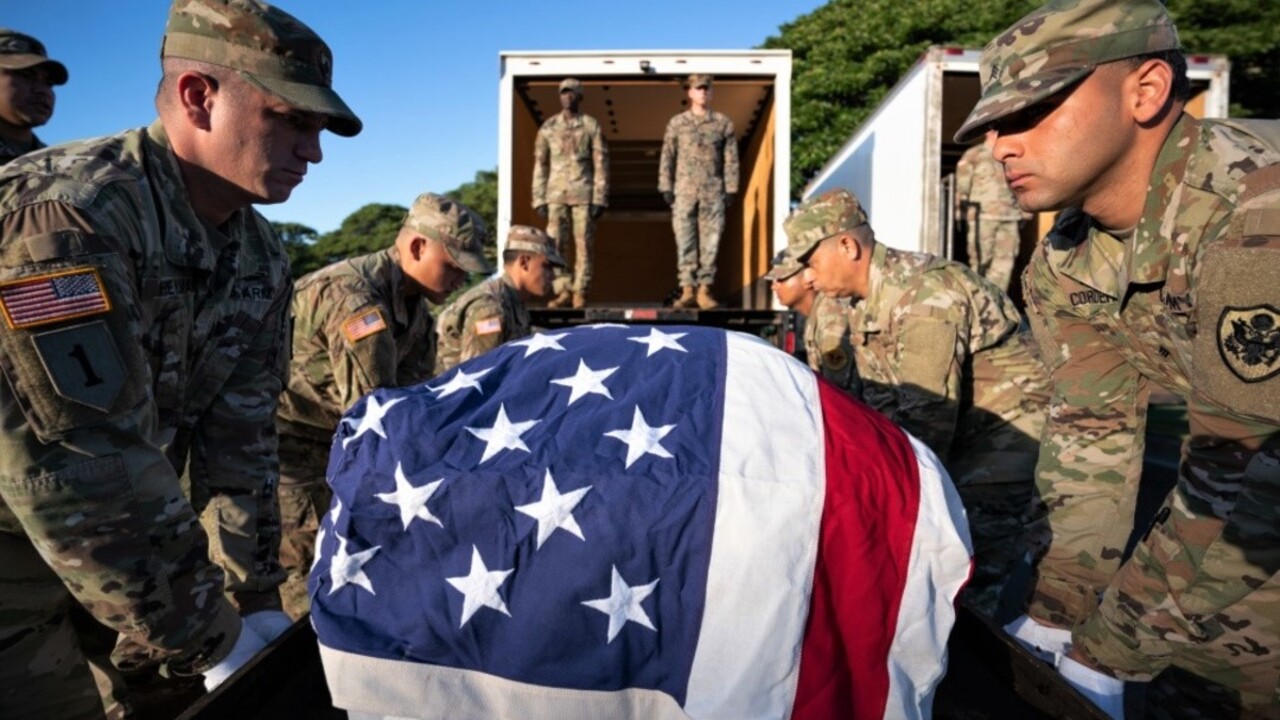
An American flag covered the casket. The ride had started, after the Mass, near a section of the Veterans Memorial Park that honors 36,000 Americans who died in the Korean War, including him.
All sorts lined the streets: Catholics and Protestants. People of faith, people who struggle with beliefs. Husbands and wives. Mothers with children: Chonci Lekawa, one of the mothers, stood in the shade, her face aglow, with her young children, Lawson Doll, Londyn Doll, Stella Brady, Finlee Brady.
Old soldiers stood at full salute as the casket passed, some looking care-worn and bent — but standing straight, shoulders back, knees locked.
The four horses drew his casket through the streets to the Cathedral of the Immaculate Conception, where his remains will lie in a place of quiet — a marble tomb, a polished stone monument to peace and honor.
Those who knew him — former prisoners of war Mike Dowe and Paul Roach — told us again this week as they visited here that Kapaun managed to inspire heroism and love, all while (mostly) not preaching, not lecturing, not criticizing, not even talking much at times. Like the Christ of the Gospels, whom he modeled himself after, Kapaun thought to demonstrate faith whenever possible, rather than declare it in too many words.
And so at the end of a long march between battles in Korea, he was the guy in shirt sleeves or T-shirt who would show up with a shovel. He’d walk to the side of a tired kid soldier and help the kid dig a latrine. Then he would grin and walk away, to help some other soldier. And the first soldier had no idea who he was, until some other soldier would say, “Do you know who THAT was? THAT was Father Kapaun.” Chaplain Kapaun made people feel good by just being present.
Now he has come home to rest, from the Hawaiian island of Oahu, where he lay in a grave marked “U.S. Unknown – Korea” for 63 years.
Nothing about that magnetic pull of Kapaun in life has changed 70 years after his death. If anything, the pull he exerts on the souls of others has intensified among thousands of people born long after we lost him.
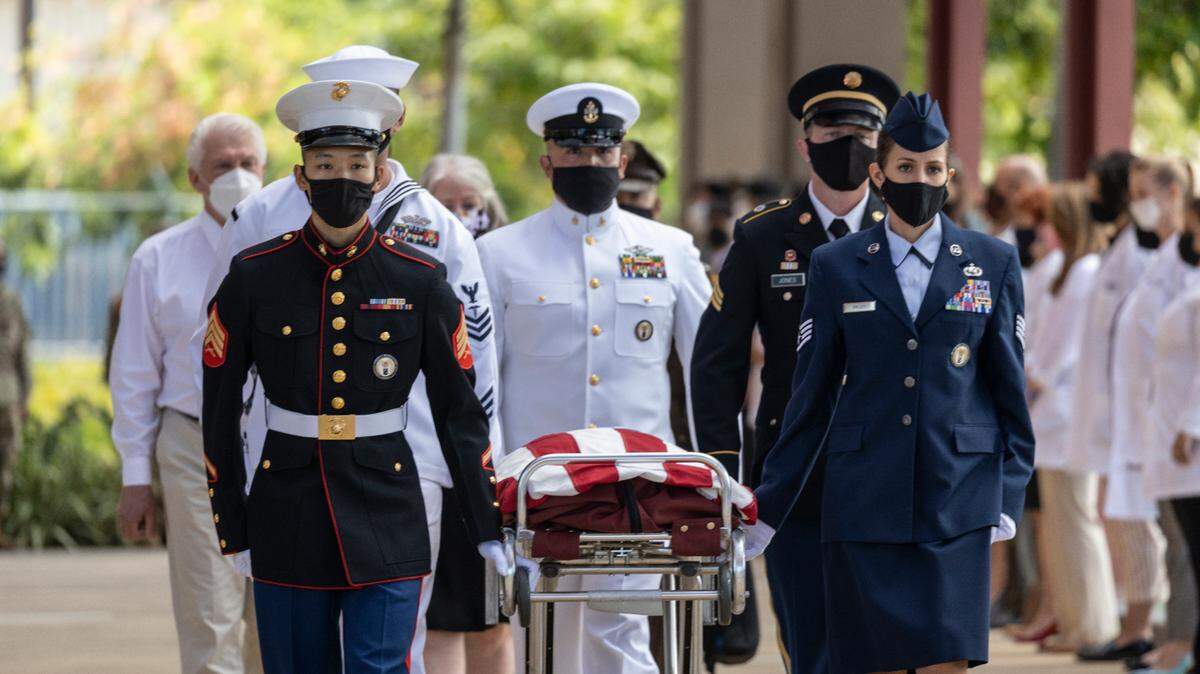
Last week, after the military released his newly discovered and identified remains to the Kapaun family, Ray Kapaun and family took the flag and casket to the Cathedral Basilica of our Lady of Peace, in downtown Honolulu, where Wichita Bishop Carl Kemme of Wichita helped celebrate a Mass for Kapaun.
But just before that Hawaiian Mass, something happened that is much in tune with the minimalist way that Kapaun so powerfully inspired people in life.
Just before the music rose and Kemme and his concelebrants walked in, a small woman walked up to Kapaun’s casket, which lay just below the altar.
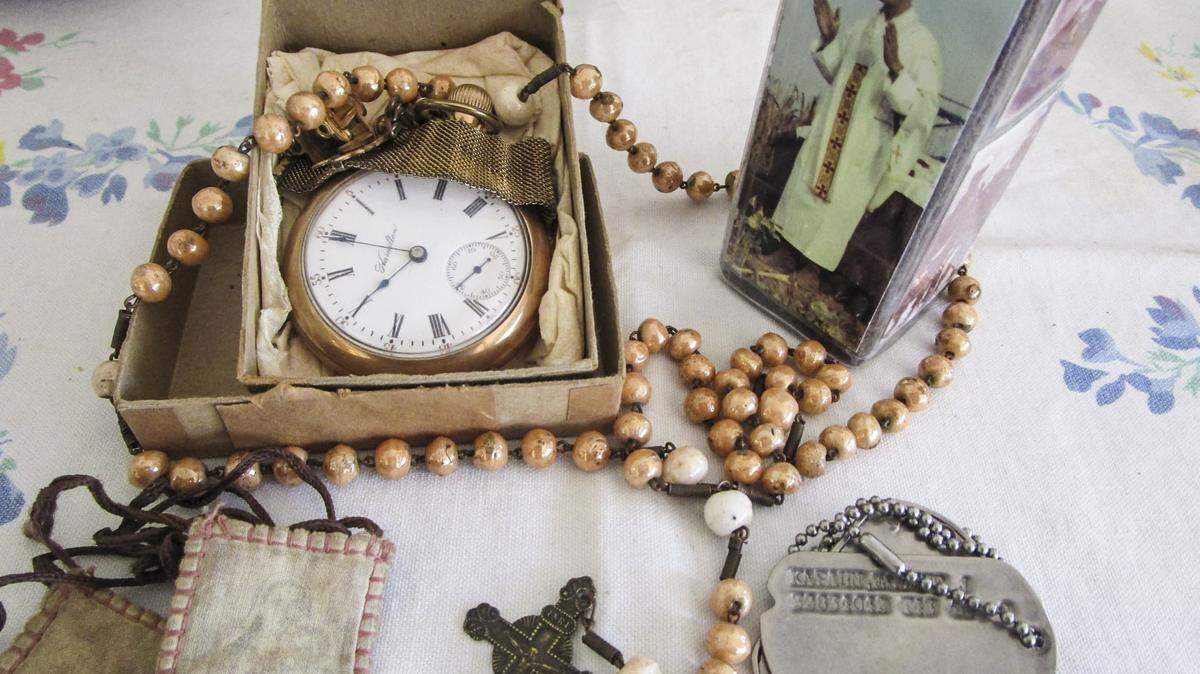
She was small, with a quick step — a nun dressed in a habit with color and flowers in it. She bowed before the casket, placed a pair of rosaries on it, placed perhaps 20 prayer cards. She spread the cards so that each was touching flag and casket.
The Vatican has declared Kapaun “Servant of God,” the first rung in the ladder that leads to sainthood. There is an ancient Catholic tradition that if you place an item on the casket of a person blessed with grace like that, then your item becomes blessed with that grace also, for the rest of time.
As with the latrine-digging soldiers, Kapaun inspired this good feeling, and her faith, merely by being present, by showing up, by not speaking, as he showed up and did not speak at the digging of so many foxholes.
The nun sat down with her blessed rosaries and cards. But she stiffened in her pew when the elderly man beside her said a word in her ear. She snatched the prayer card he was holding, scurried, laid the card on the casket, said one or two words of prayer and then scurried back to her pew, handing the card to the eldery man only seconds before Kemme and his concelebrants entered from the back.
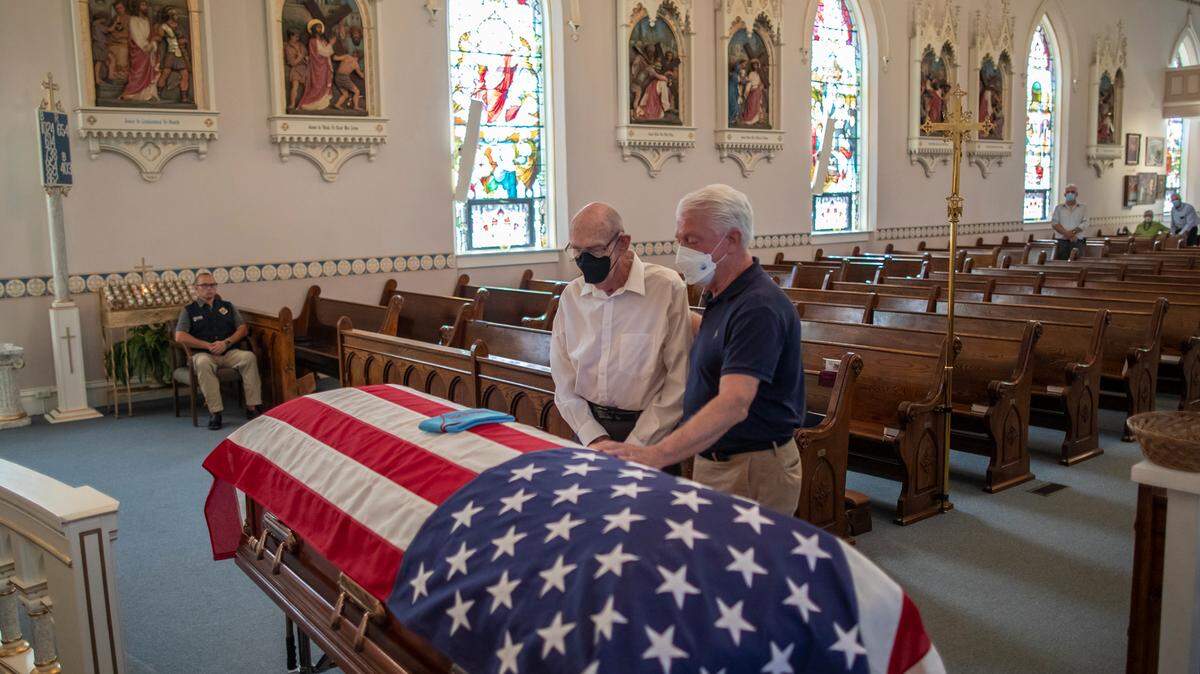
A similar scene repeated hundreds of times two days later at St. John Nepomucene in Pilsen, the church where Kapaun grew up, where he celebrated Mass as a priest in the 1940s. Hundreds of people from Pilsen and surrounding communities came one by one to lay prayer cards on his casket, along with rosaries, pocket Bibles, prayer books. At one point on Sunday, a woman came with a large box of small crucifixes and laid them one by one on the casket of Emil Kapaun.
It is not a stretch to claim that these scenes have more significance than might obviously appear — that a person can inspire a simple feeling of goodness in another person — and do it merely by being present. A soldier can dig a hole feeling a little more lifted. And an elderly man sitting next to a tiny nun worshiping in a Honolulu basilica can go home with a prayer card in his shirt pocket, knowing that he, too, is blessed.
Most of us, even the famous and powerful among us, know that our power of influence on other people drops off considerably — and then disappears — after our deaths. “We are all dust,” as the liturgy says. “And to dust we shall return.”
But that’s not what has happened here.
At the time he died, starved and sick in that North Korean prison camp in 1951, Kapaun had been merely the subject of a few national newspaper headlines declaring his battlefield heroism.
But after the war ended, Dowe, Roach, Ralph Nardella, Bill Funchess, Bob Wood and hundreds of other fellow prisoners came out of that camp and embarked on a 70-year campaign to demand that he be not only honored but remembered. And so because of them, and because his story is so appealing, Emil Kapaun was given the Medal of Honor, and a rung on the ladder to sainthood. But most of all many people who are not priests and not old and careworn combat soldiers began telling his story.
The story spreads to this day, slowly but relentlessly, one storyteller and one hearer at a time.
And now his story and the lesson is known: In the Vatican, in the White House, the Pentagon, in Wichita, in Pilsen, and around the world.
It is known in Catechism classes. It is heard in kitchens, and in living rooms where people tell their children to lay down their phones and listen for a few words.
It is known to those hundreds of children who knelt on concrete on Wednesday until their knees bruised, forever to remember.
This story was originally published September 29, 2021 at 4:47 PM.