In the search for Father Kapaun, one relentless man searched longer than anyone else
READ MORE
Once Was Lost: Father Emil Kapaun
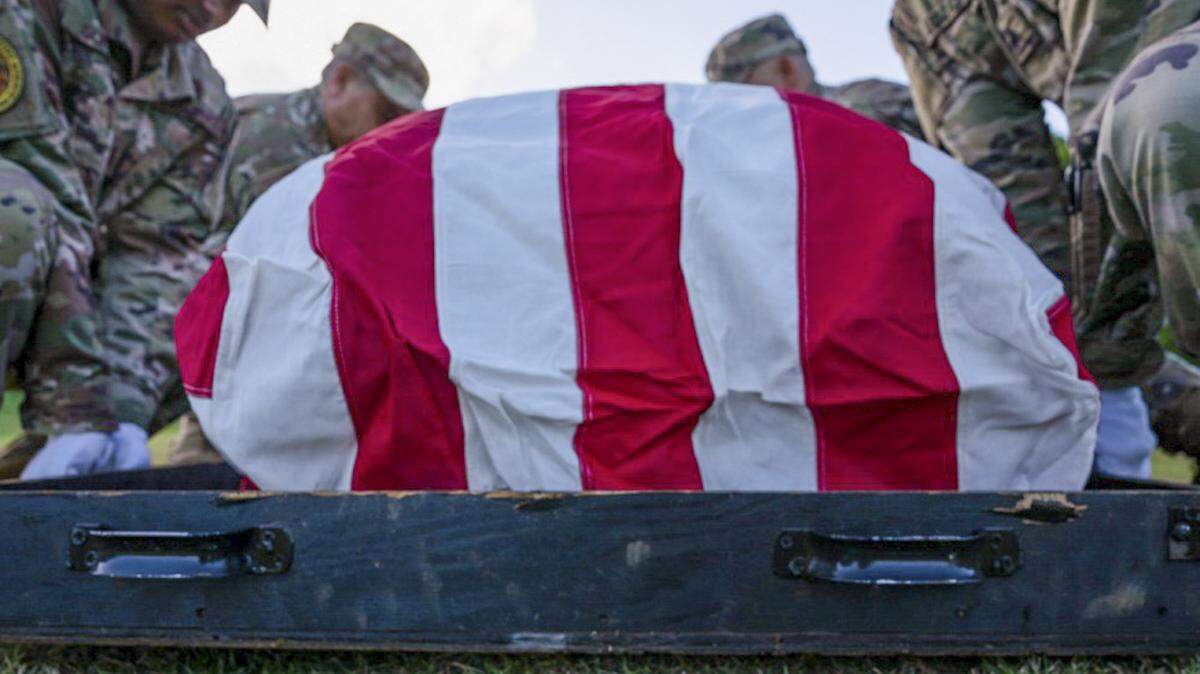
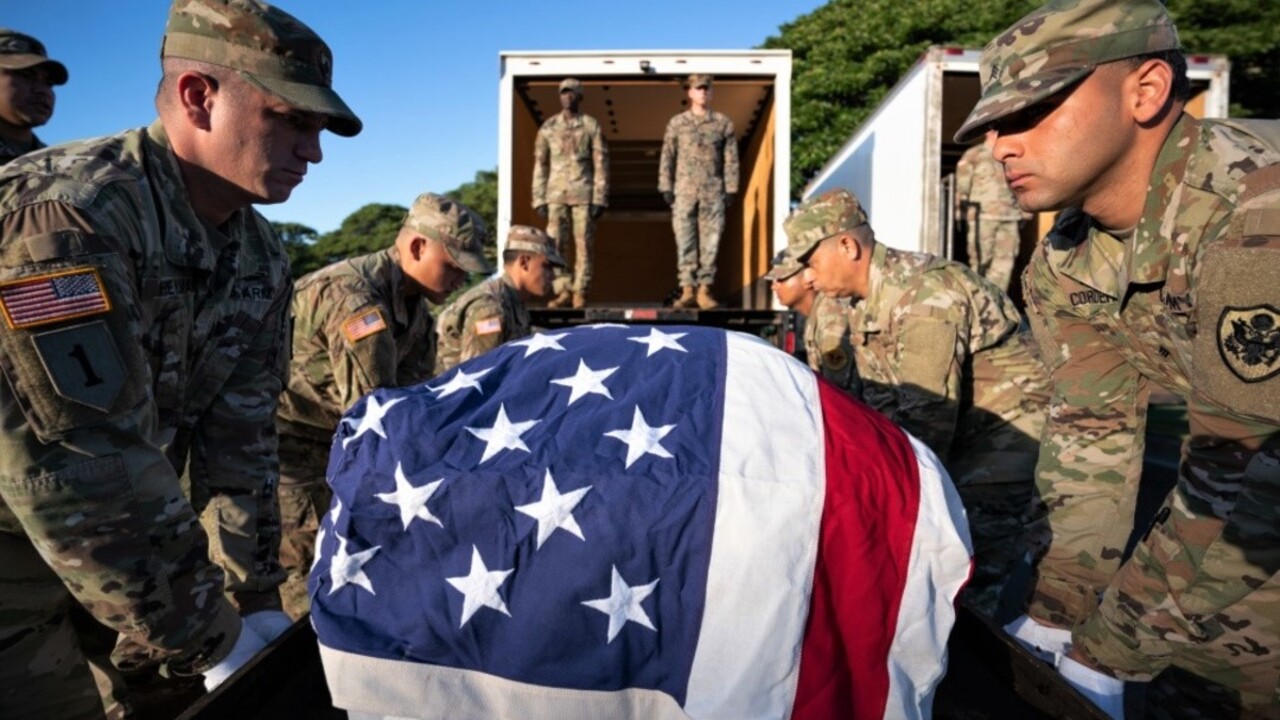
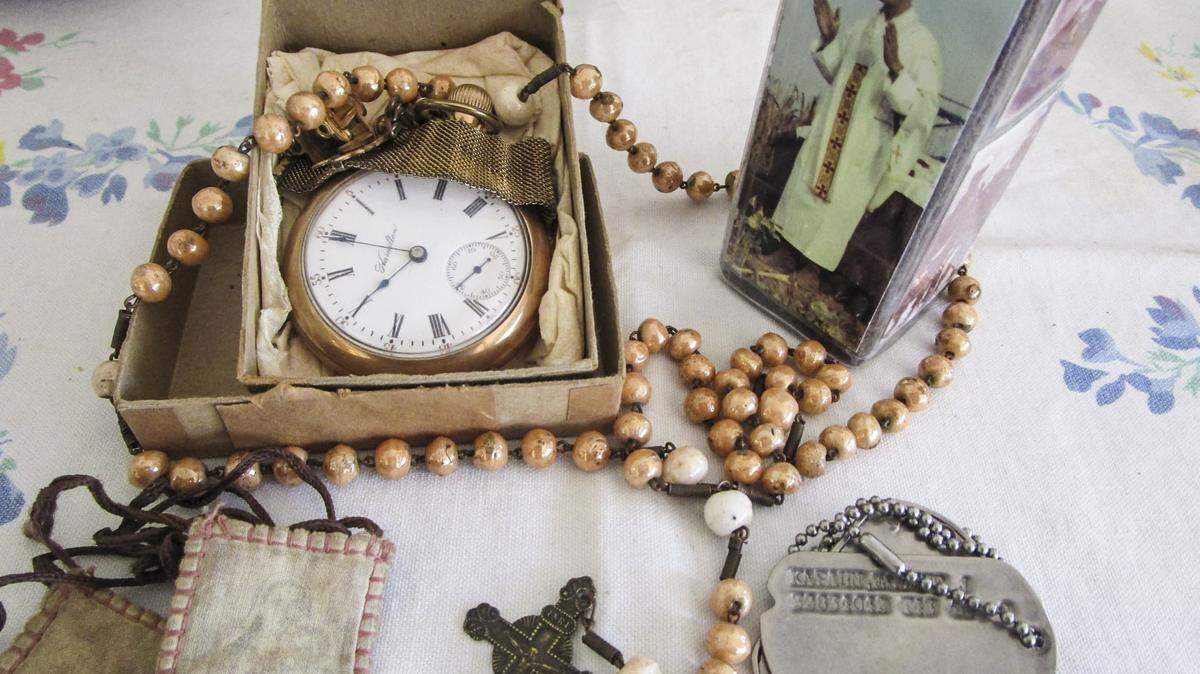
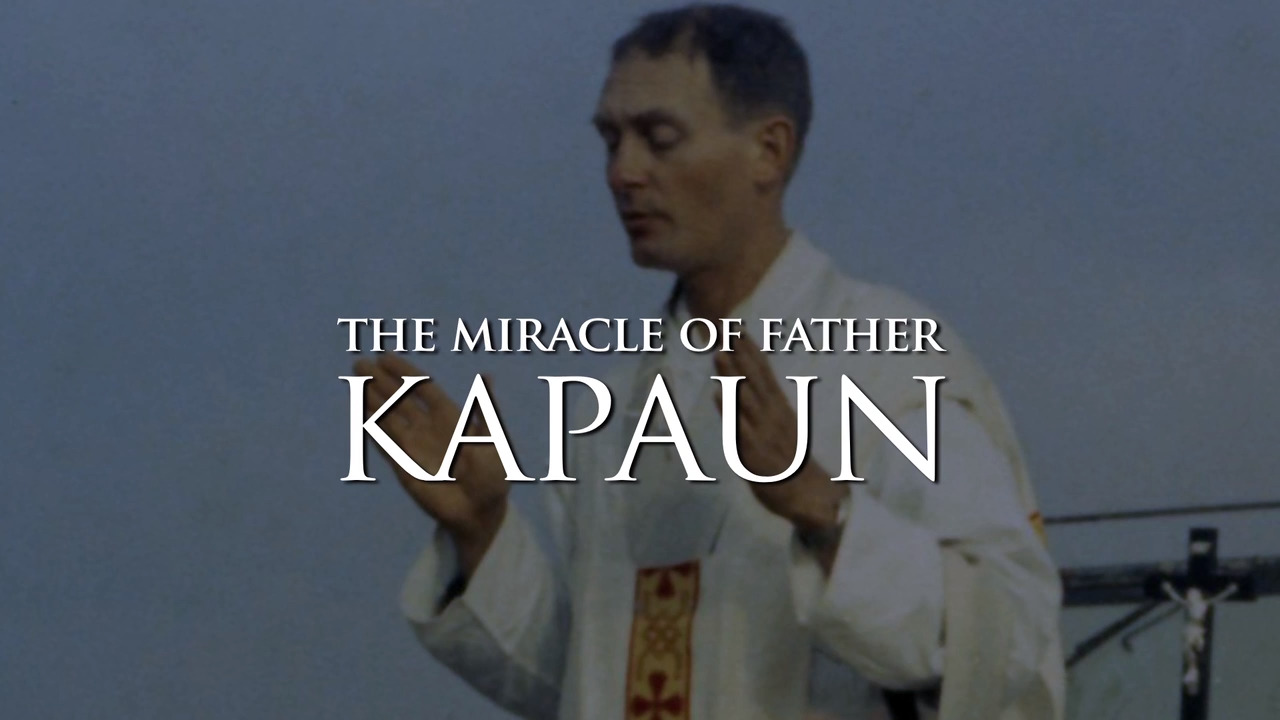
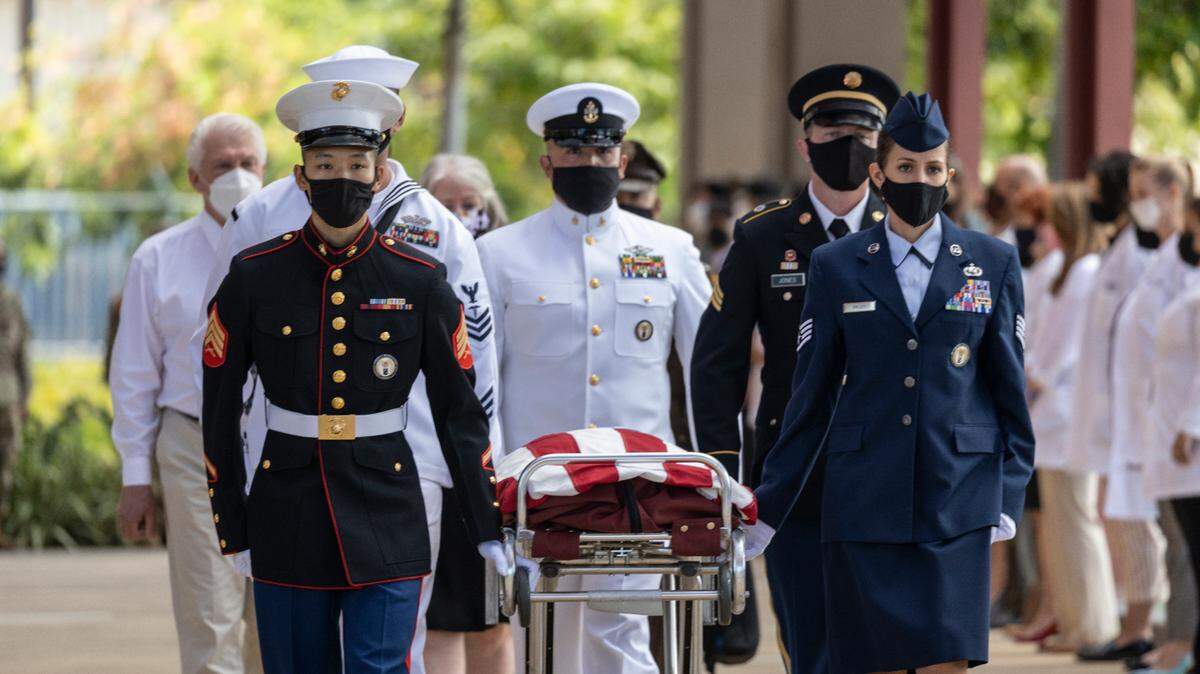
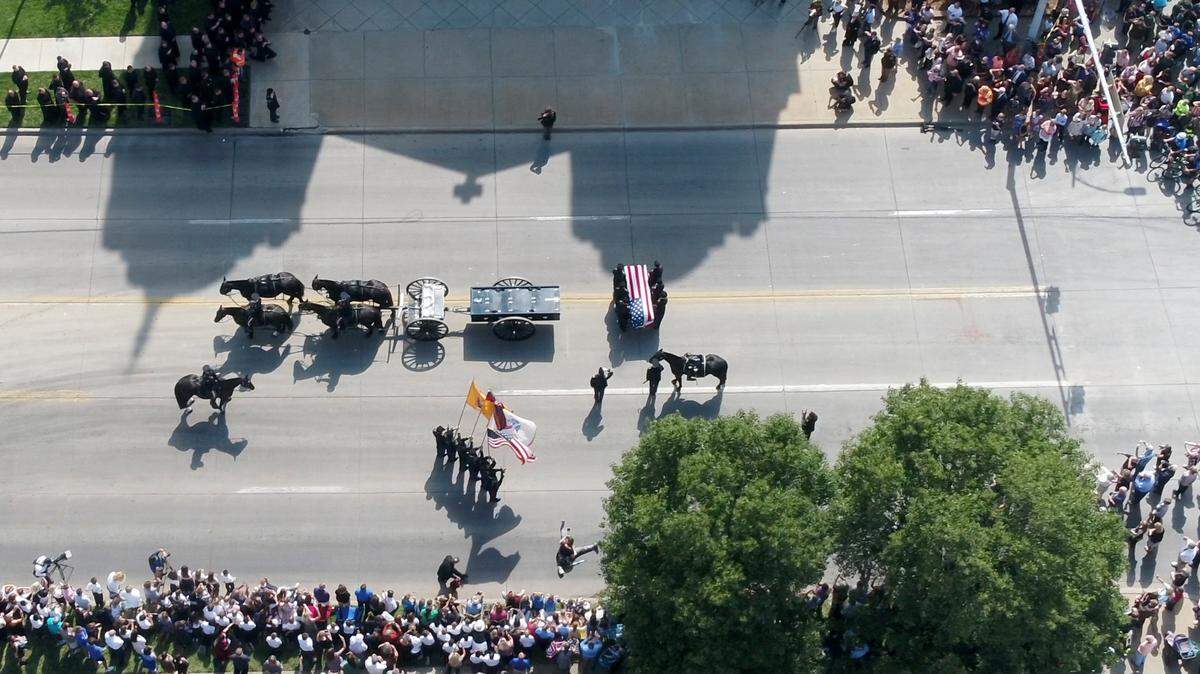
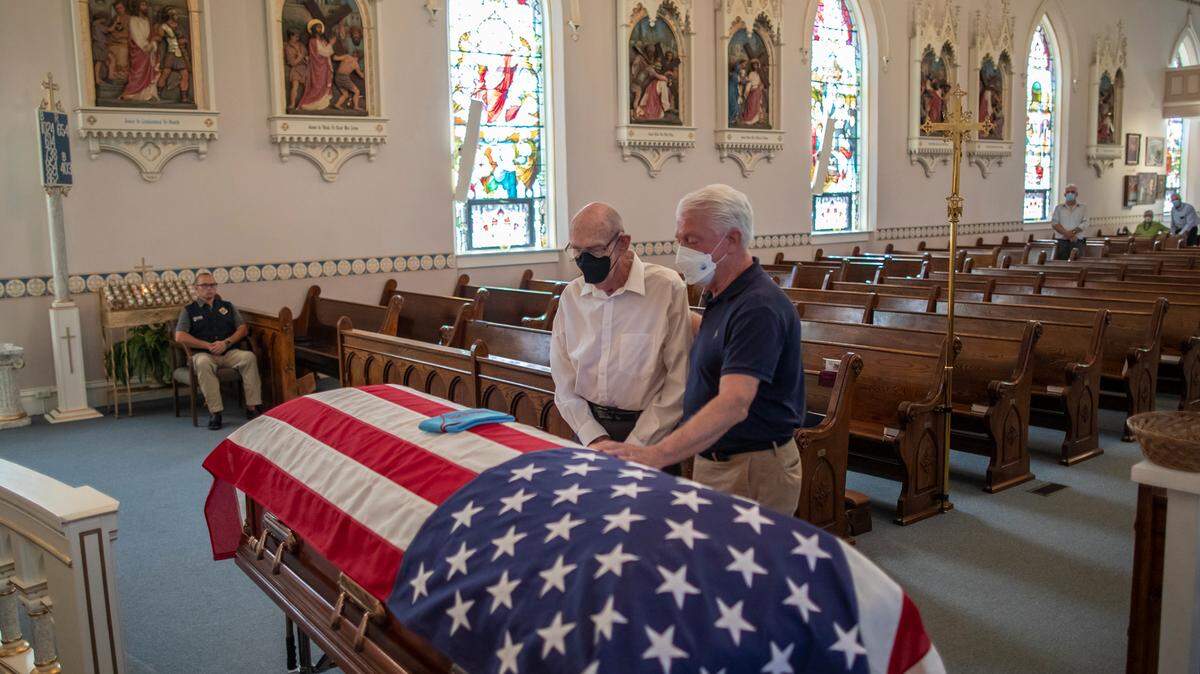
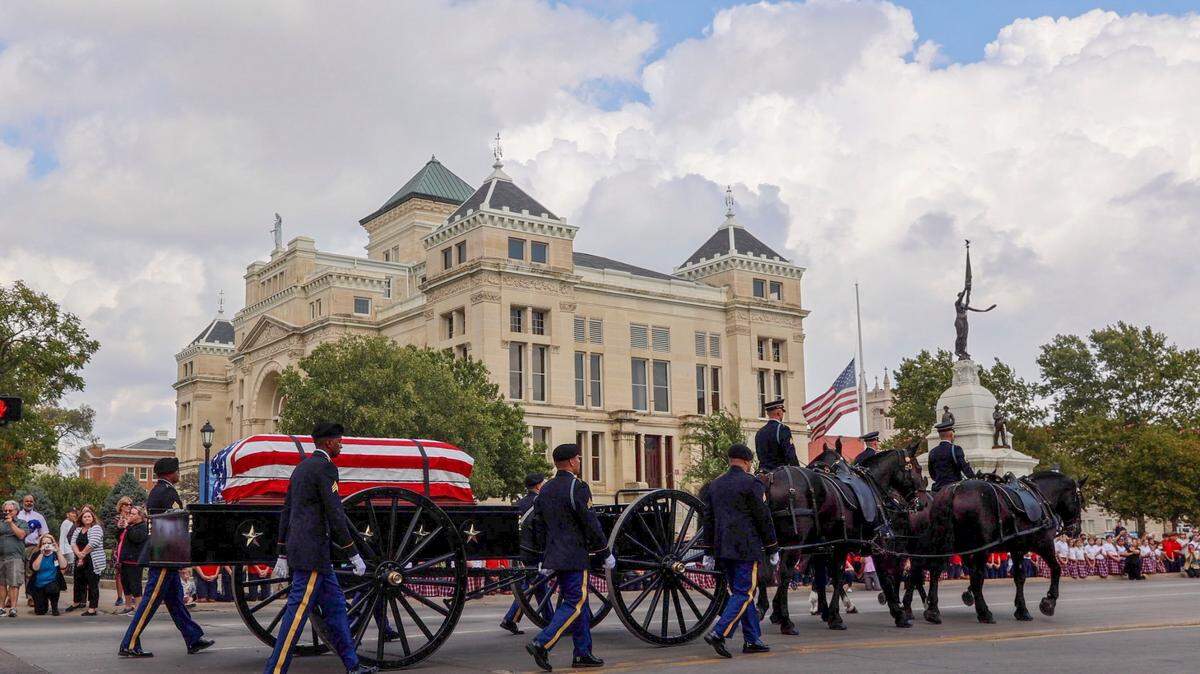
For 70 years, the remains of Father Kapaun, a Korean War hero and Catholic priest from Pilsen, Kansas, remained missing. Earlier this year, his remains were identified and now they’re back home in Kansas.
Expand All
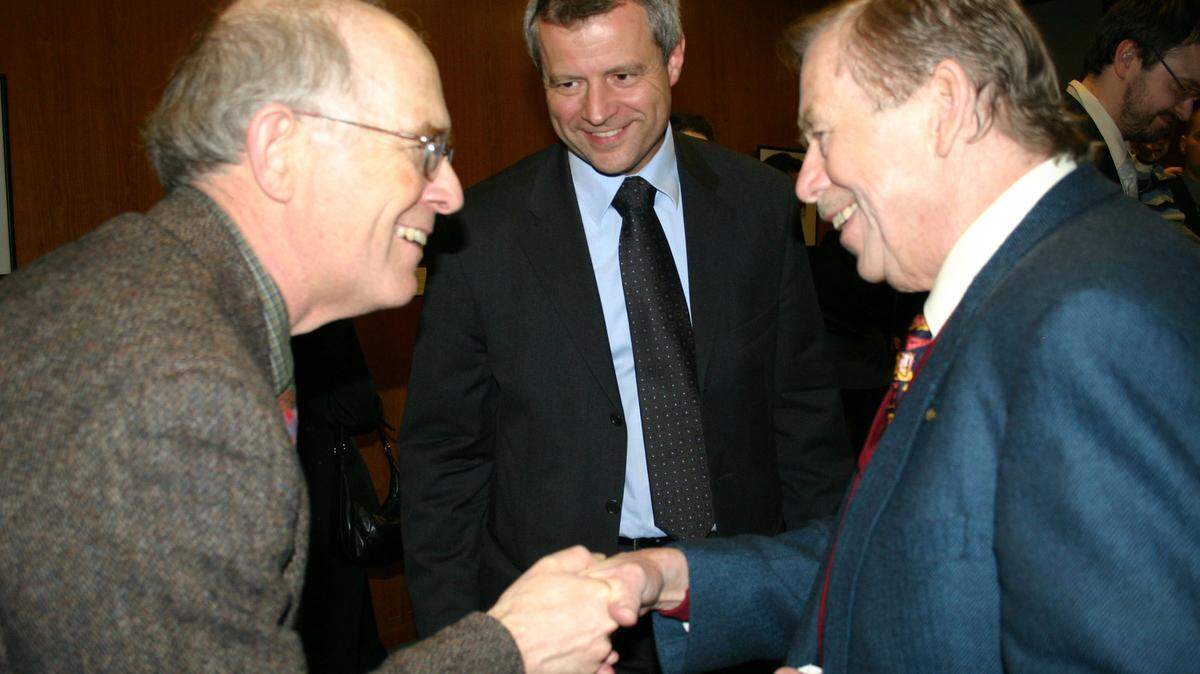
The person who searched longer than anyone else for the remains of Father Emil Kapaun, Phil O’Brien, helped interview more than 2,000 Korean War survivors — writing reports intended to help find soldiers lost in battle or prison camps. The survivors came to revere him.
“Every year I went to the POW annual reunions,” O’Brien wrote. “I soon became part of an extended family — even to the extent (of them) trying to marry me off or sell me a good used car.”
His work, from 1995 to 2014, filled the investigative files of what is now called the Defense POW/MIA Accounting Agency, the agency that searches for America’s lost soldiers.
O’Brien watched Camp Five survivors like Robert McGreevy choke up while talking about Kapaun. “What did he look like?” O’Brien would ask. “Was he tall or short?”
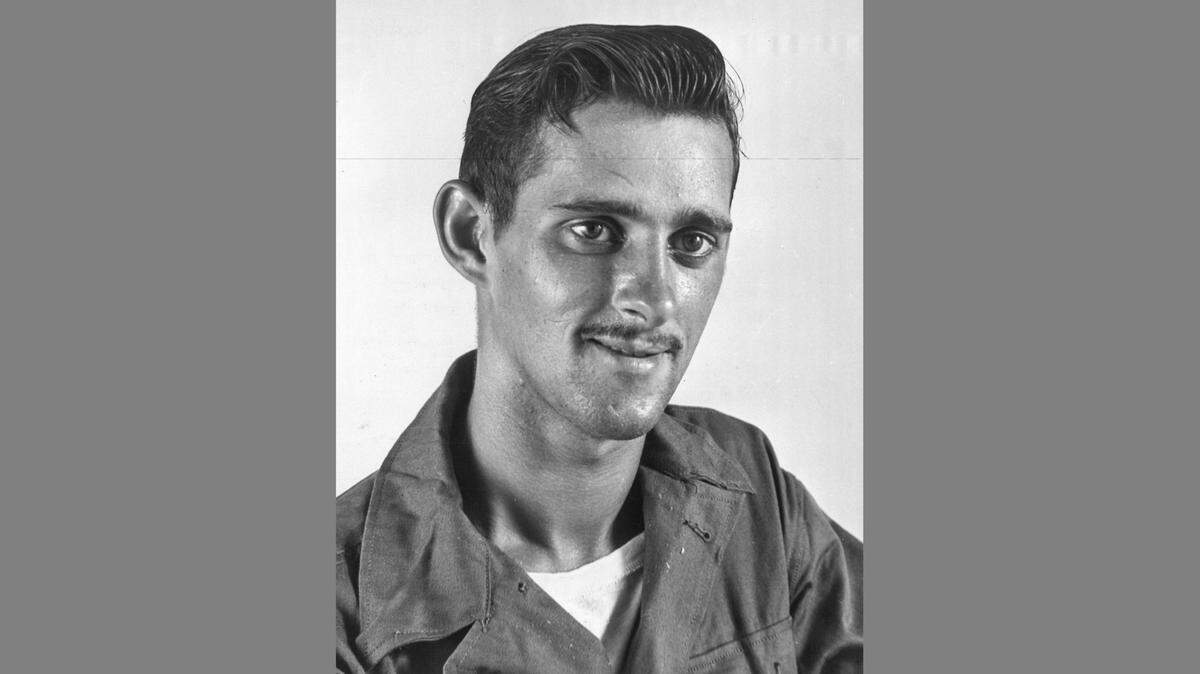
He wrote physical descriptions of Kapaun and hundreds of missing soldiers, hoping his notes would someday be compared with the skeletal analysis notes made by the 1950s anthropologists who examined the remains of Korean War unknown soldiers. O’Brien reported for the files that Kapaun was taller by inches, and older by 15 years than most Korean War soldiers. Those notes became important to Kapaun’s identification.
“I studied routes and (prisoner) collection points and holding points along those routes,” O’Brien said. “I talked with overlapping witnesses, always with an eye to establishing plausibility about where someone might have ended up. I’d talk with one man, who said he’d been with another man, who had been with another man. And so on.”
“I owe Phil O’Brien a big thank you,” former POW Mike Dowe said. “We all do.”
Dowe is a still-active 94-year-old Texas businessman and nuclear physicist who has done more than any other former POW to ensure that Kapaun was remembered, honored – and found, if possible. (Dowe wrote Kapaun’s first Medal of Honor recommendation in 1954 – it was rejected). Dowe loved O’Brien’s relentlessness. He helped O’Brien and other analysts interview old soldiers.
Dowe visited to O’Brien’s office in Arlington, near Washington, years ago. “He had beautiful maps he’d had done showing North Korean camps, prisoner march routes,” Dowe said. “He had photos.”
Phil’s Folios
Though O’Brien never worked harder at finding Kapaun than for any other missing veteran, his story enthralled him. “You can’t ever say which of your children you love the most. But I will say that Father Kapaun became one of my kids.”
Over time, O’Brien heard, with some amusement, that the Hawaii anthropologists and other searchers from his own agency sometimes poked good-natured fun at his voluminous and idiosyncratically organized documents. “Phil’s Folios,” they called them, after the folios of Shakespeare’s plays.
“He is just an amazing person,” forensic anthropologist Jennie Jin would later say. “He gave us huge amounts of information, organized almost like a mad scientist might do it – big folders with information on people we were trying to identify.”
It was O’Brien who painstakingly put together the history of many boxes of remains repatriated by the enemy to American forces in 1954. One of those boxes, though no American knew it at the time, contained the remains of Father Kapaun.
The Americans labeled that box with the identification number 14550. A 2021 Defense Department report would later say this:
“In December 1954, during Operation GLORY, the D.P.R.K. (North Korea) turned over Unknown 14550, reportedly recovered from the vicinity of Camp 5, Pyoktong, to the United Nations Command. At that time anthropologists examined the remains multiple times but were ultimately unable to make any conclusive identification. Unknown 14550 was subsequently deemed “unidentifiable.”
Eventually, the Defense Department between 1954 and 1956 accurately identified — and sent to loved ones — hundreds of previously unknown remains from Operation Glory, including from Camp Five.
But by 1956 they still had 848 sets of remains of Korean War “unknowns” — including 14550 and more than 70 unknowns from Camp Five.
O’Brien painstakingly tracked down every detail about casket 14550. So he knew that it was repatriated by the enemy to American forces on Sept. 8, 1954. That it rode in 1956 from Japan to Pearl Harbor, Hawaii, in the Captain Arlo L. Olson, a 388-foot-long cargo ship named after a World War II Army Medal of Honor winner.
On Memorial Day 1956, after the anthropologists signed legal documents certifying those 848 remains as “unidentifiable,” the U.S. military buried them on Oahu Island in the National Memorial Cemetery of the Pacific, better known as the Punchbowl.
He knew that each grave of an unknown was also assigned a grave number. 14550 was laid to rest in row “U,” in grave U-844.
Before any remains left Japan, anthropologists wrote notes for an “X-file” -- a file about each set of remains. The X-files, stored in Hawaii-based archives, included the 1954 skeletal diagrams, dental charts, and witness statements done concerning the remains in each casket.
Years later, O’Brien would notice, when he began to study those files, that the skeleton in casket 14550 had interesting characteristics listed by 1950s anthropologists.
14550’s man was reported as about six feet tall -- taller than most American soldiers. The bones showed that he was male, of European ancestry, and that he was an older man -- perhaps 15 years older than the 19 and 20 and 21-year-olds he served with. This interested O’Brien. Kapaun was 35 when he died.
But there were so many dead to be examined, so many files to be written, that those notes didn’t set off any “pay attention” bells.
He listened politely
In the early 2000s, years after his searches began, O’Brien became the first Defense Department searcher to believe that the common story about Kapaun’s remains might not be true.
All of Kapaun’s POW friends thought he was still buried in a mass grave in North Korea. But years of research told O’Brien that Kapaun might have made it home in 1956.
Some of O’Brien’s interviews with former prisoners were tearful ordeals. They talked anyway. “More than anything else, I simply try to listen and follow my companions’ leads,” O’Brien said. “Their job, their duty, my pleasure.”
“Typically, the soldiers were ‘revisiting’ people who had been important to them,” O’Brien said. “He was missing companions or others who had passed in the meantime. What they wanted to talk about often led back to unrecovered men, to the whens and wheres of loss, or simply to where they were last together. Many of them knew of Kapaun; many knew him personally. I just kept taking notes. For me and my colleagues, all this was pure gold.”
Hundreds interviewed
After O’Brien took up the search in 1995, working for what was then called the U.S. Defense Prisoner of War/Missing Personnel office, he and fellow Defense analysts interviewed 2,200 of them, including 1,400 who survived the camps.
O’Brien compiled lists of names of the missing, and their descriptions: How tall was he? He recorded possible locations of North Korean mass graves, and names of men who died with Kapaun.
He studied, cross-referenced and created maps of prisoner march routes. He shared coffee and small talk several times in the 1990s and 2000s, in Berlin and Kuala Lumpur, with North Koreans who warily agreed to help American searchers. “I think I helped to plant the seed (for further cooperation),” O’Brien would say later. “And without getting any of them shot.”
O’Brien retired in 2014 but stayed in touch with the searchers.
In September last year DNA analysts got a match between skeleton 14550’s DNA and a family reference sample donated by Emil Kapaun’s brother Gene Kapaun years earlier.
Anthropologists in the Pearl Harbor lab then lined up O’Brien’s detailed Father Kapaun physical description (taller, older, wisdom teeth missing) with the bones that lay before them – the skeleton of 14550.
Everything matched perfectly.
This story was originally published September 26, 2021 at 5:00 AM.