Many zoo animals have become Wichita celebs over the years. Here are the most beloved
READ MORE
Sedgwick County Zoo celebrates 50 years
We take a closer look at Kansas’ No. 1 outdoor tourist attraction: how it came to be and where it’s going.
Expand All
During the Sedgwick County Zoo’s 50 years of existence, some of its residents have stolen the city’s collective heart and become local animal celebrities. From a photogenic red panda to a massive 90-year-old tortoise, here are some of the animals that have grabbed the most attention at the zoo over the past five decades.
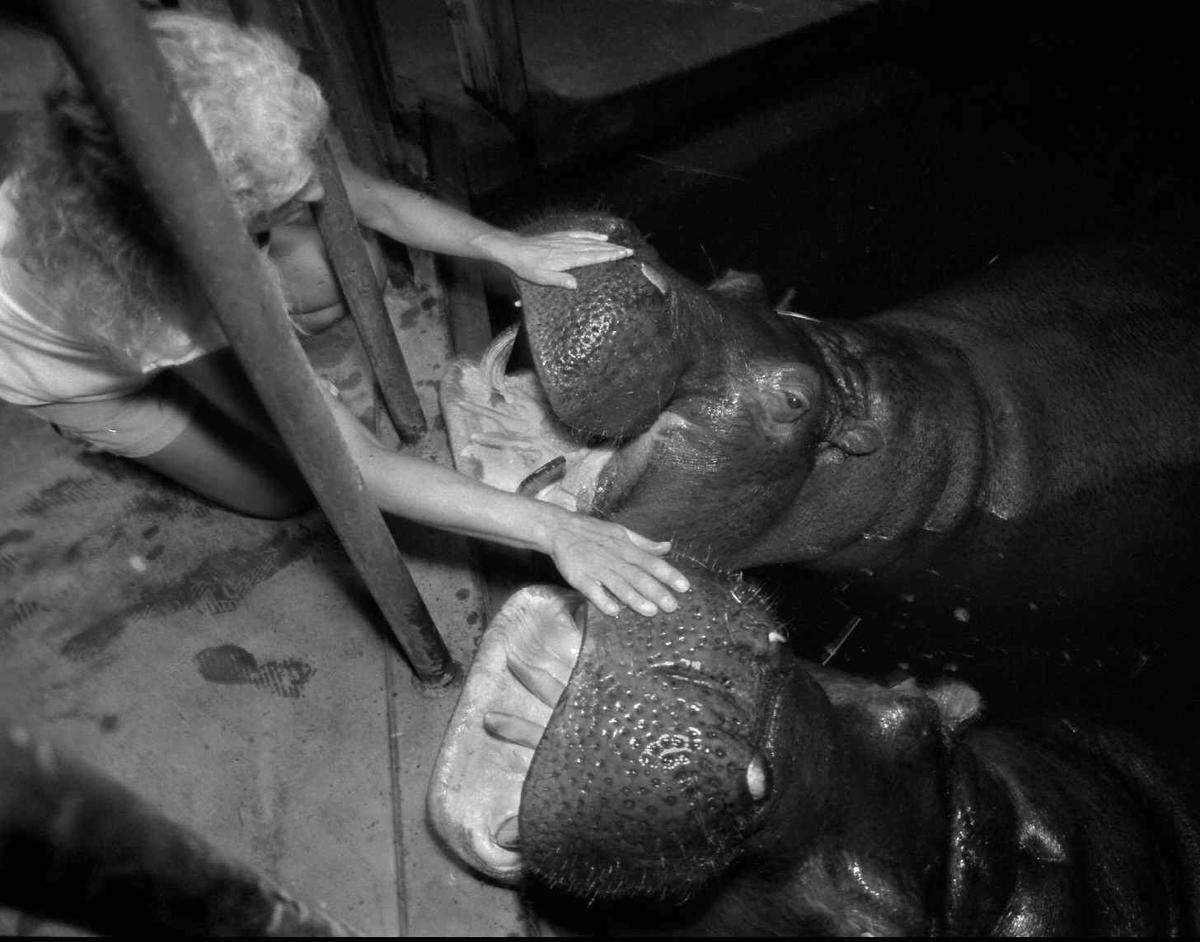
Sweetie Pie and Pudgie the hippos
Residents from 1971 (Sweetie Pie) and 1973 (Pudgie) to the present
Sweetie Pie — who recently weighed in at 2,996 pounds — is the Sedgwick County Zoo’s longest resident, having arrived just two months after opening day, even predating Stephanie the elephant. Sweetie Pie turned 50 earlier this year. Her friend Pudgie, who arrived in 1973, is today a little less pudgy than Sweetie Pie, weighing in at 2,399 pounds. Visitors love to watch the hippos, who have the choice to remain on land or plop into a pool. The zoo also has a viewing area where visitors can see the hippos when they are underwater.
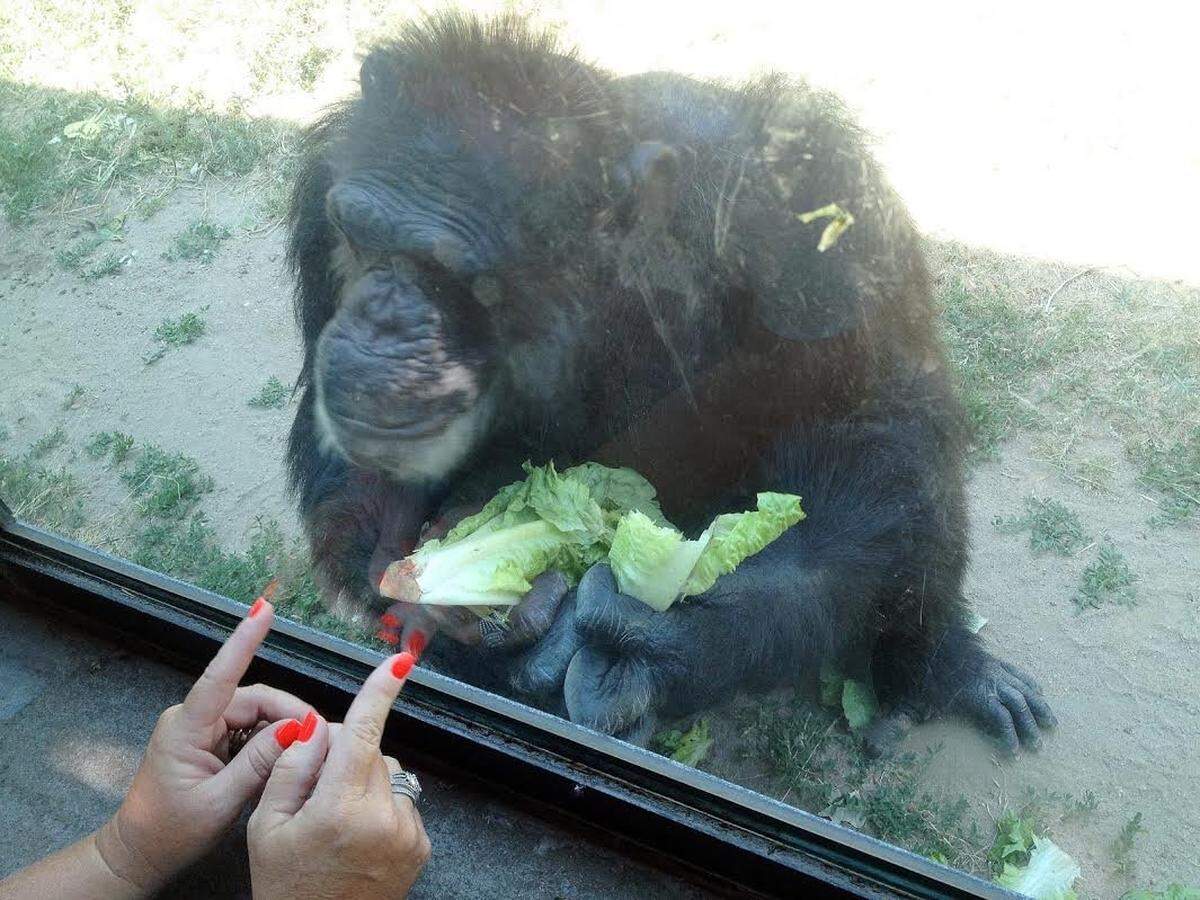
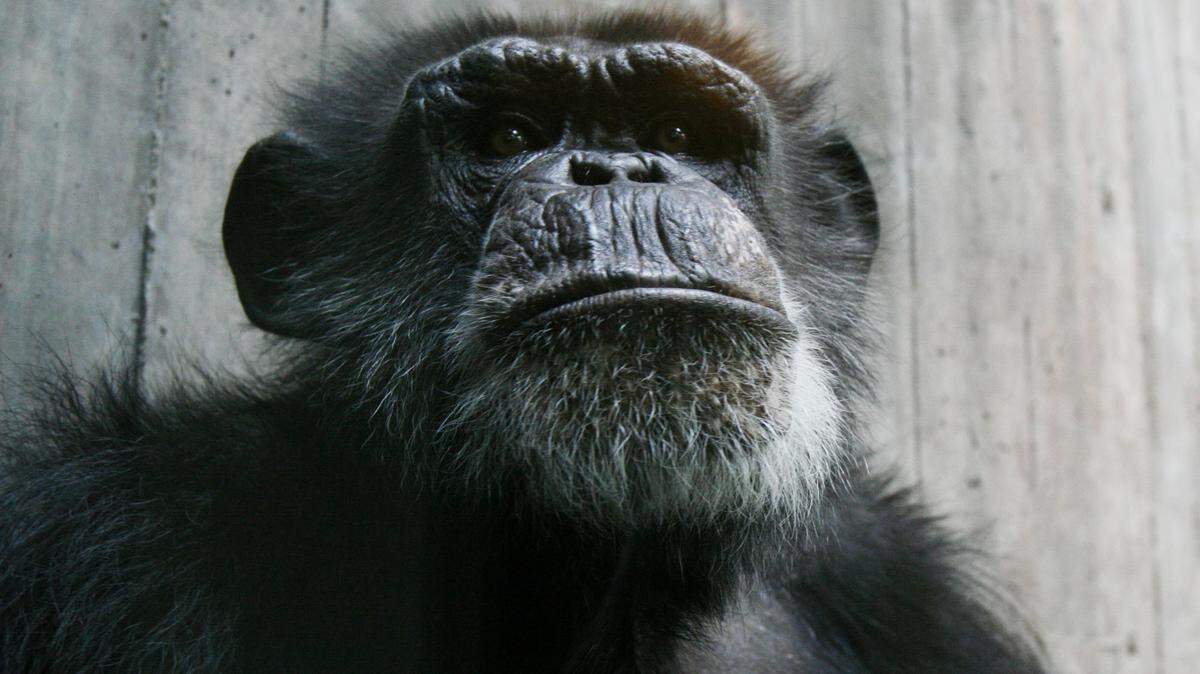
Marbles the chimpanzee
Resident from 1972 until 2014
He was a lady charmer, a prankster and an artist, and Marbles — who was donated to the zoo in 1972 — was one of the zoo’s most popular residents until his death at age 44 from a heart attack. An African chimpanzee, he would flirt with female visitors, especially blonde ones, and he caused all sorts of trouble. He learned how to undo the locks on the enclosures and once released 11 of his chimp friends.
Visitors loved to watch Marbles squeegee windows and sweep with a broom, and he was known to create pieces of art using paint or crayons. Some zoo supporters still have his artwork hanging in their homes. He was so popular that his face graced all of the promotional items celebrating the zoo’s 25th anniversary in 1996.
Marbles, who was father to four offspring over the years, had a leaky heart valve, and he died in 2014.
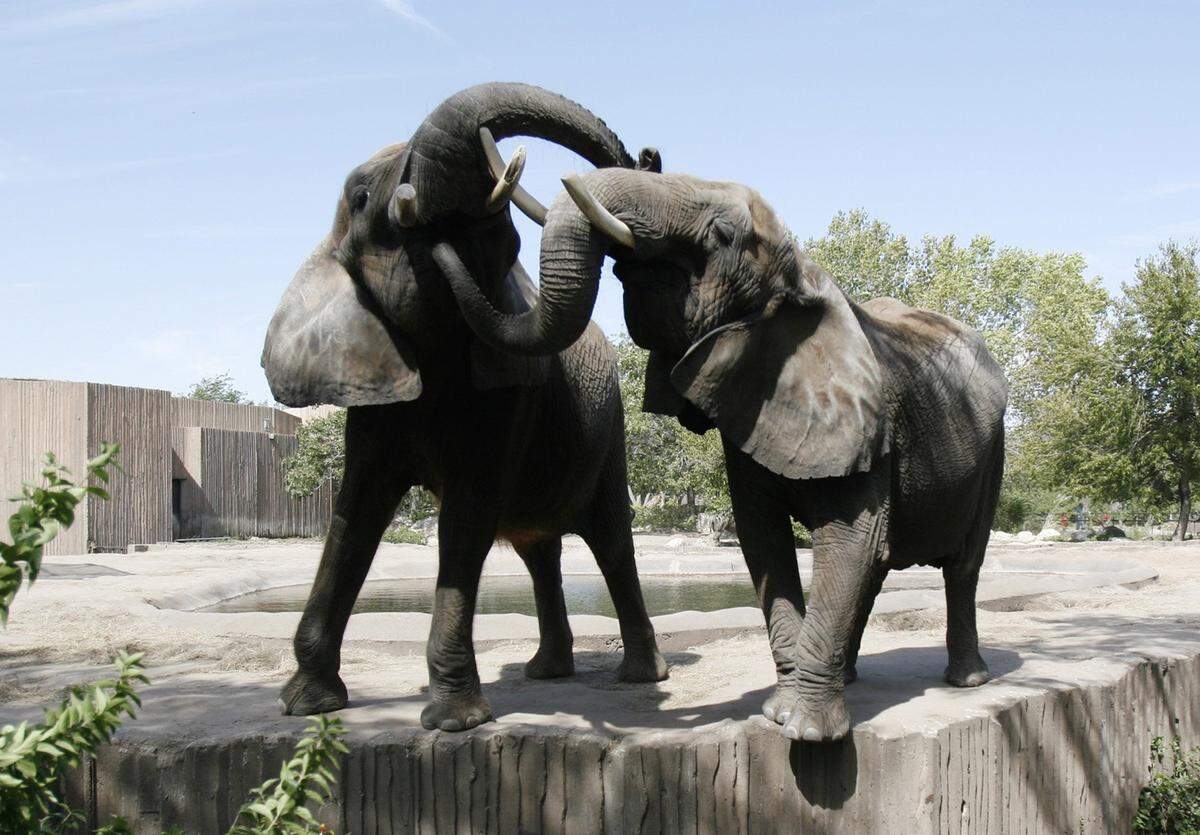
Stephanie and Cinda the elephants
Residents from 1972 to 2014 (Cinda) and from 1972 to the present (Stephanie)
These girls were among the first residents of the Sedgwick County Zoo not long after it opened, and though Cinda died in 2014, her companion Stephanie is still there and is one of the zoo’s longest residents. They were both orphans in the early 1970s and were bought by the zoo from Kruger National Park in South Africa. The girls were big draws over the years and were famous for their ability to create paintings while grasping brushes with their trunks. Cinda died in November 2014 at age 43. When zookeepers went to check on her early one morning, they found Stephanie trying to wake her. Now, Stephanie, 50, is the head of the Reed Family Elephants of the Zambezi River Valley exhibit, which opened in 2016 with six new elephants rescued from Swaziland.
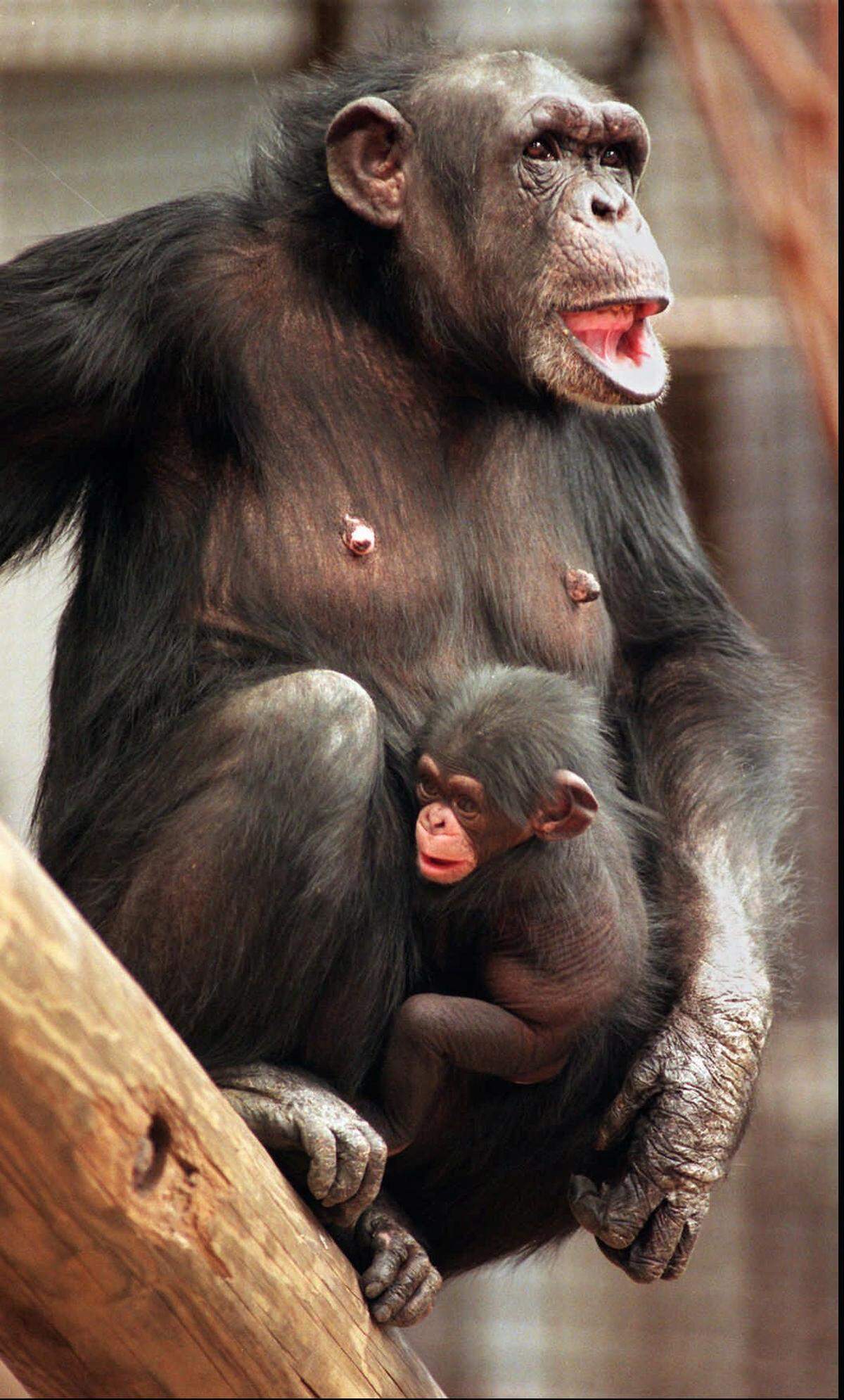
Audra the chimpanzee
Resident from 1972 to 2021
Another long-term resident, Audra was the zoo’s first chimp, arriving in 1972 before being quickly joined by Harriet and Marbles. She was also the first chimp to give birth at the zoo — when Mwana arrived in 1984. In all, Audra had seven babies. She developed a special friendship with Dr. William Bryant, who was the zoo’s longtime veterinarian. But she suffered from advanced heart disease and began to decline this year, dying in June at age 51. Keepers remember her as a spunky, maternal girl who loved spending time with her offspring that still reside at the zoo, including Mwana, 36; Sukari, 24; and Mabusu, 10.
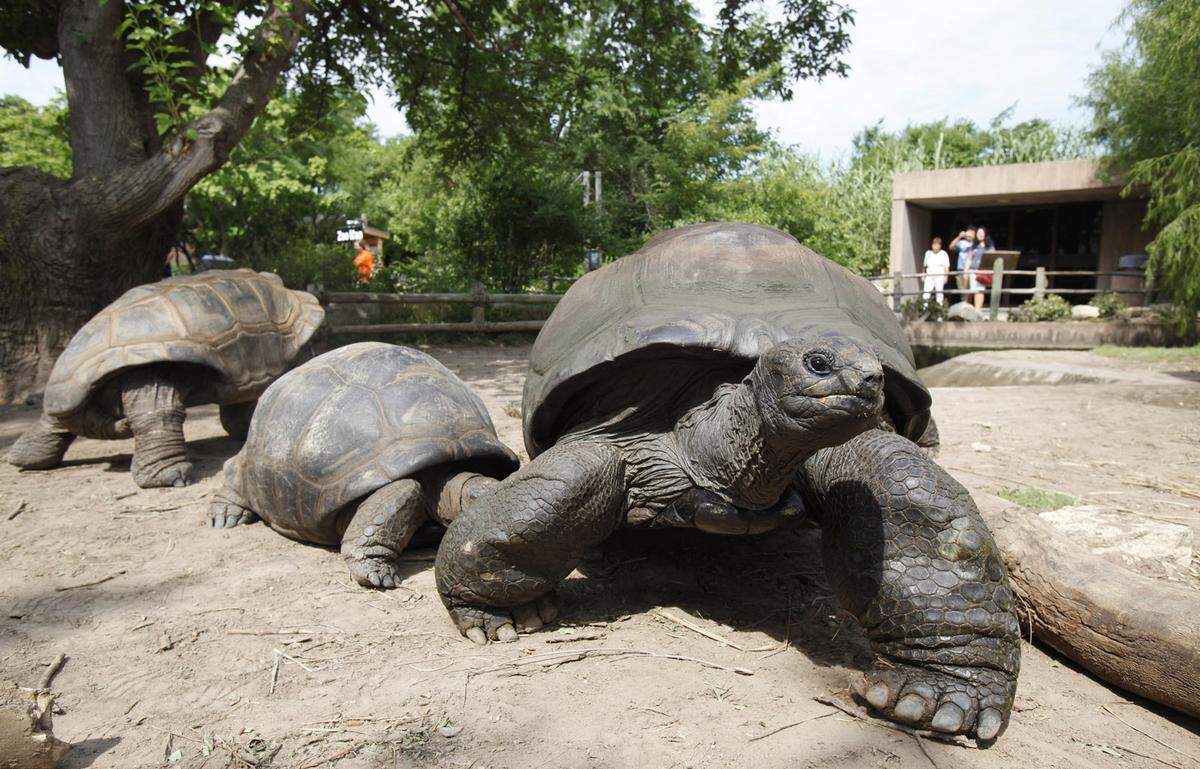
Rocket the Aldabra tortoise
Resident from 1972 until 2009
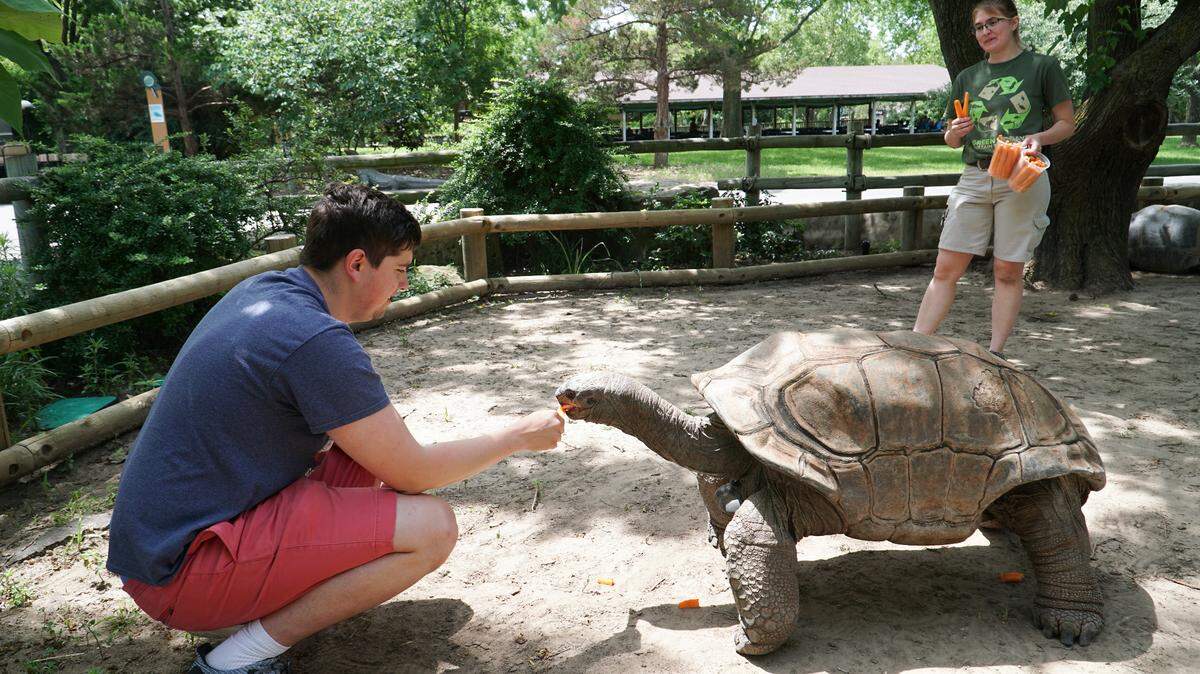
Rocket is big. Rocket is old. And though Rocket the tortoise is no longer at the Sedgwick County Zoo, he may be again someday in the not too distant future. Rocket, who was one of the zoo’s first “exotic” animals when he arrived in 1972, lived a happy life at the zoo, and he grew and grew and grew. When he left in 2009 for Tulsa, Oklahoma, he was 78 and weighed 609 pounds — making him too big to comfortably remain in the zoo’s 1970s-era amphibian and reptile building. He had to say farewell to his longtime friends Speed, Missy and Washington, but zoo fans were assured his life would be better in Tulsa, where he’d have larger living quarters and a pool to swim in. But the move was to be temporary, they were told, and would last only until his habitat could be enlarged in Wichita. Now, it’s been 12 years, and Rocket is no longer in Tulsa. In 2014, he moved to the Bronx Zoo in New York to live in its new exhibit. But Jeff Ettling, the Sedgwick County Zoo’s executive director who previously worked as the zoo’s reptile director, says he still hopes to bring Rocket back home. Plans for expanding the amphibian and reptile building are in the latest master plan, and once that gets done, there will be room for Rocket, now 90.
Mallory the grizzly bear
Resident from 1993 to the present
Mallory has been with the zoo since the North American Prairie exhibit opened in 1993. Visitors love her, and so does her longtime keeper, Nancy Smith. But Mallory, 29, can have a bit of an attitude and will toss her head if she’s annoyed. (That most commonly happens when she feels her food isn’t coming quickly enough.)
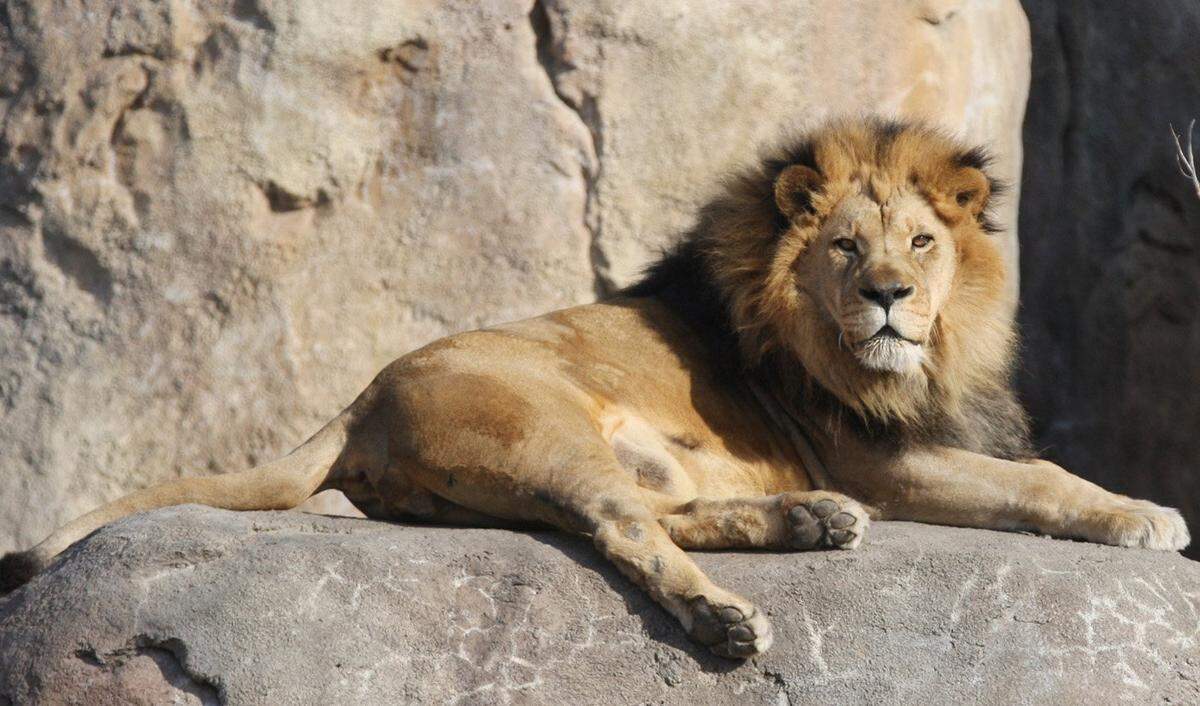
Majola the lion
Resident from 1996 until 2015
Majola — a rare krugeri lion — was captured in the mid-1990s roaming outside a South African national park and killing cattle. He moved to the Sedgwick County Zoo in 1996 and eventually became the king of the zoo’s Pride of the Plains exhibit. When he died in May 2015 — after failing to wake up from a dental procedure conducted the day before — he was more than 20 years old and was one of the oldest male lions living in an Association of Zoos & Aquariums-accredited zoo. Despite being the boss for much of his life, Majola was a mild-mannered lion with a big, cinnamon-brown mane. He lived for years alongside his mate, Nemesis, who died of renal failure just eight months before Majola died. He fathered 10 cubs while at the zoo, including Michael, who is now the king of the exhibit.
Shango and Barney the gorillas
Residents from 2004 to 2017
These two brothers, both nephews of the famous signing gorilla Koko,were the first gorillas who moved into the Downing Gorilla Forrest when it opened in 2004. But in 2017, they left together and moved to Zoo Miami as part of the Gorilla Species Survival Plan. When they arrived in Wichita, Shango was 15, a 470-pound giant who was (mostly) patient and mellow. Barney, then 10, was sweet-natured and spent most of his time trying not to anger his big brother. Things might be less peaceful between the two now. Last year, the Miami Herald reported that Shango was transported to a zoo animal hospital after having a fight with Barney and receiving several bite wounds.
Talali the tiger
Resident from 2009 to 2019
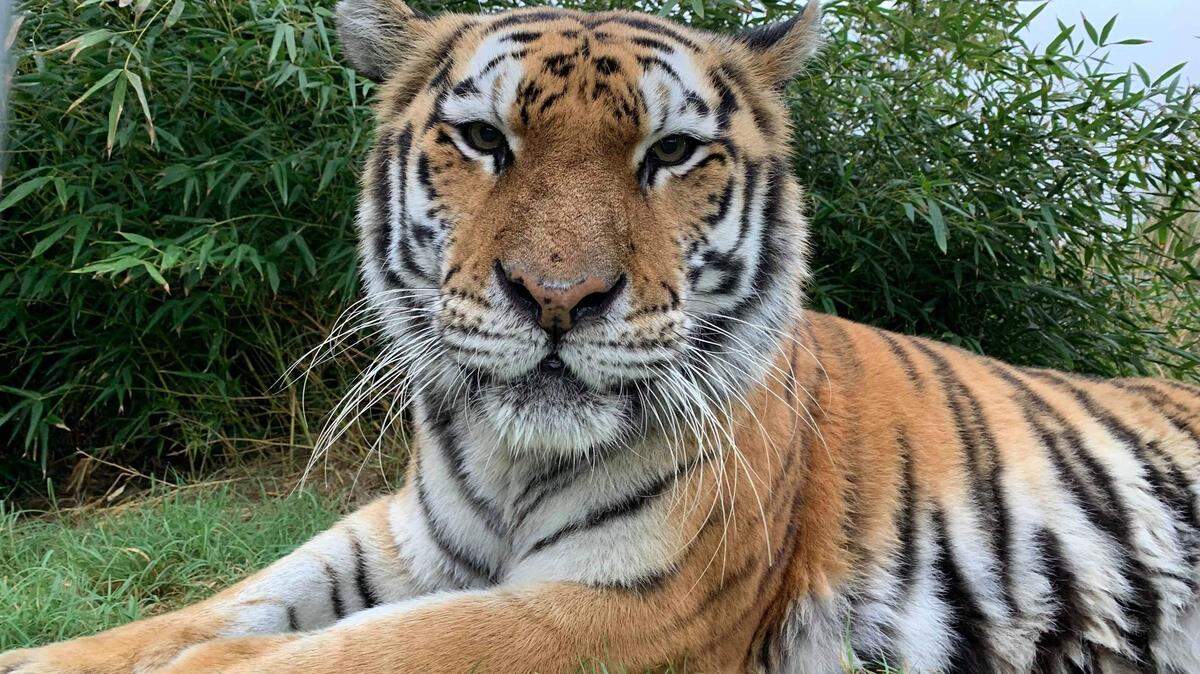
Talali became part of the zoo’s Slawson Family Tiger Trek when it opened in 2009, and her keepers fell in love with her. So did Wichitans, who were thrilled when Talali gave birth in 2013 to twin cubs Natasha and Tsar. But in 2019, Talali — an Amur tiger — began having trouble moving around and seemed confused. Not long before, zookeepers had discovered a mass on her body, and her health went downhill quickly. Upon her death at age 14, keepers described her as “easy to love.” Though Tsar was moved to a zoo in St. Paul, Minnesota, in 2018, Natasha is still at the Sedgwick County Zoo and is popular with visitors. She turned 8 in July and celebrated with a big frozen meat cake.
Elvis the Navajo Churro sheep
Resident from 2018 to the present
Elvis, who is 3 and was born at the zoo in 2018, previously served as a bit of a therapy pet for Omaha, a pronghorn sheep who died last year at age 15 — well past the average life expectancy for her breed. Omaha was the zoo’s last pronghorn and got herself in all sorts of trouble, including accidentally running into the gorilla moat when she got scared. (Fortunately, the gorillas were too scared of her to bother her.) In 2019, the zoo tapped Elvis to become her companion, and he cheered her up immensely, keepers said. The two would graze together, and although Omaha liked his company, she wouldn’t let Elvis get too close to her. He didn’t care, though. Elvis just liked being around her.
Elvis was born with a birth defect in his hip, which made his legs buckle and hips swing, hence his name. He walked with a brace until his legs gained strength but now has no noticeable issues. Still, the zoo made the decision to neuter him so he wouldn’t pass his birth defect to future generations. That gives him lower testosterone levels — and the freedom to roam freely in the farm yard with female and infant sheep. It’s also one of the reasons he was chosen as Omaha’s companion. Elvis is now back with the main sheep herd, and visitors can interact with him at the American Farms exhibit.
Elliot Kelly the reticulated giraffe
Resident from 2011 to the present
Elliot Kelly was born in 2011 to longtime zoo resident Lois, who had been at the zoo since 1999. His birth happened during a little springtime baby boom at the zoo: Around the same time, baby penguins, a baby lion and a baby chimp were born. Elliot lost his mother last year, though. Lois died at age 22 after developing a cancerous mass in her jaw. Elliot still lives at the zoo.
Lily the orangutan
Resident from 2018 to the present
This sweet baby, the third child of longtime Sedgwick County Zoo Sumatran orangutan resident Daisy, was born via emergency C-section in 2018, delivered with the help of two Wichita OB/GYNs. Lily’s father is Panji, who himself was born at the zoo in 1995. Lily, with her baby face and crazy mane of red hair, stole hearts from the start. Lily was the third child for both of her parents. She’ll turn 3 on Sept. 7.
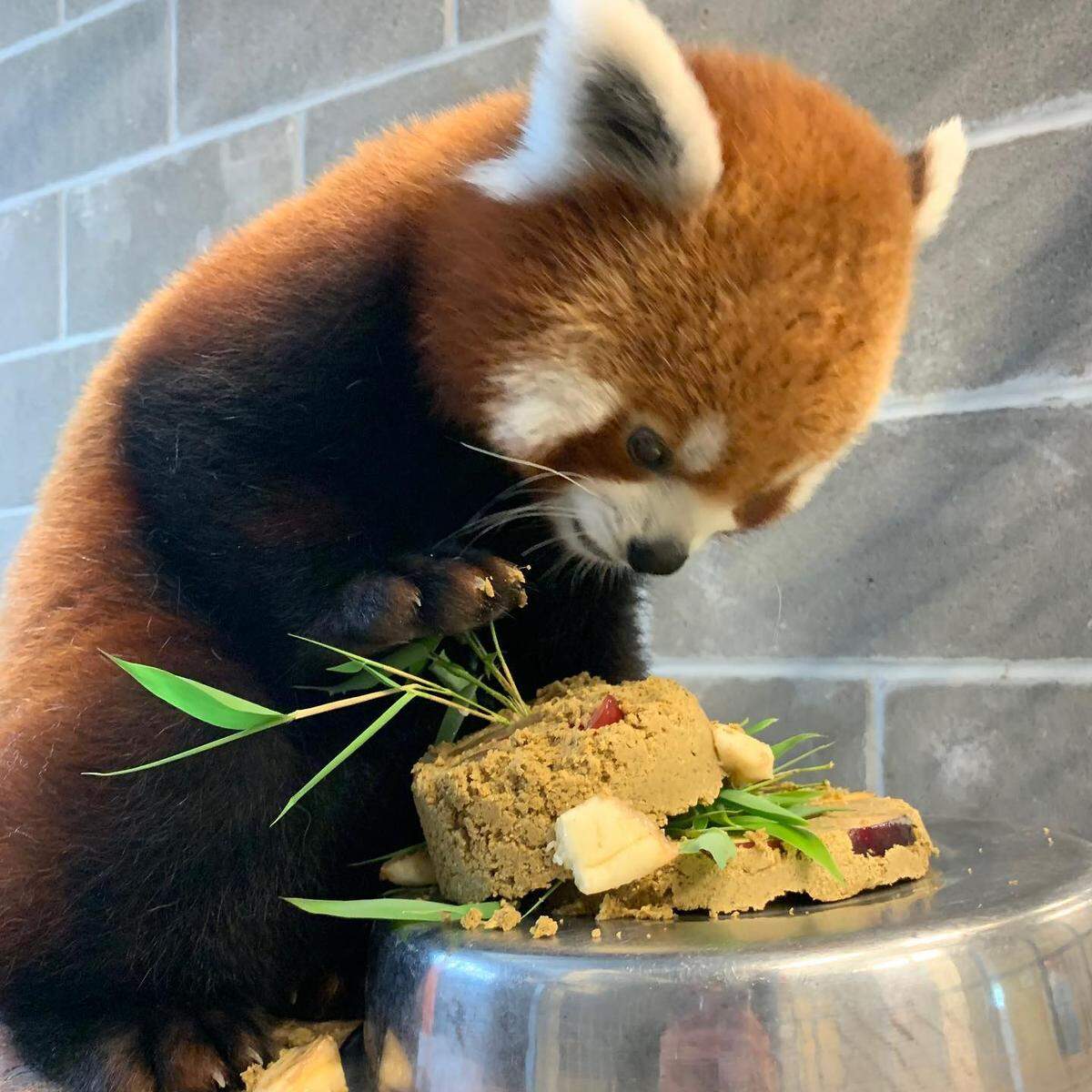
Ravi the red panda
Resident from 2020 to the present
He’s only 2, and his tiny face is so precious it’s one of the most photographed at the zoo these days. Ravi came to the zoo from Oklahoma City in 2020 and since has developed a reputation as a friendly, photogenic little guy. He likes to lounge around on the logs in his exhibit, his keepers say, and he has a tendency to stand on his back legs when he’s waiting to be fed.
This story was originally published August 22, 2021 at 5:01 AM.
.jpg)