
Amur honeysuckle, other plants added to Kansas Noxious Weed List. What that means
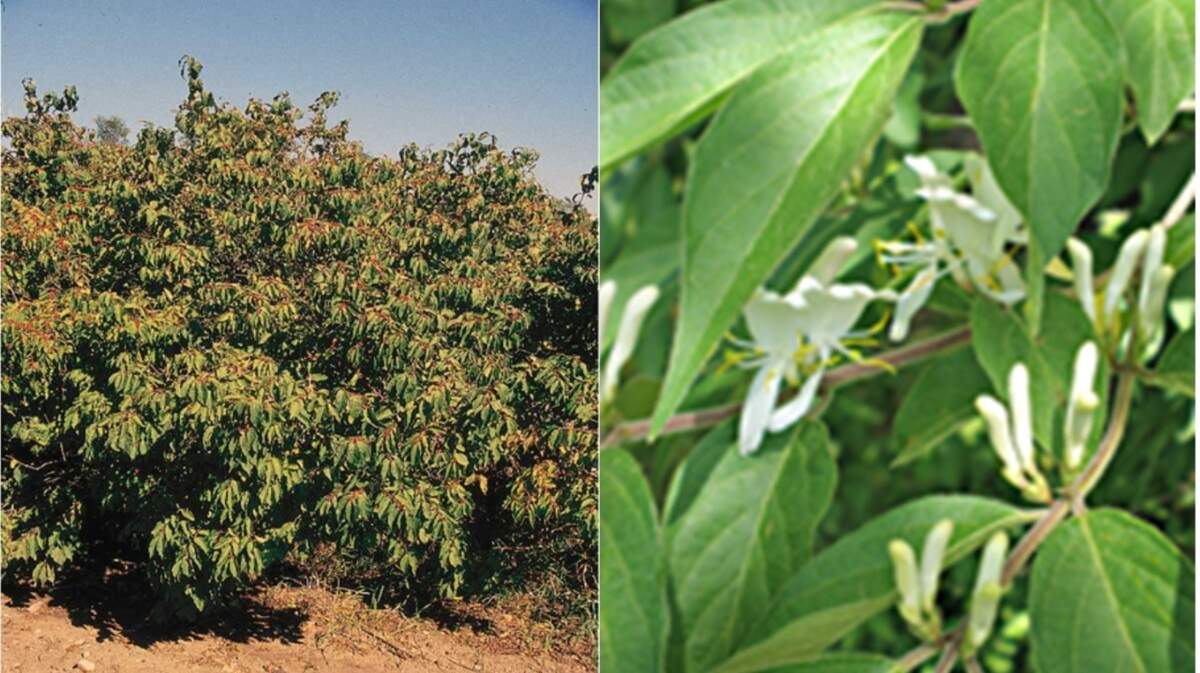
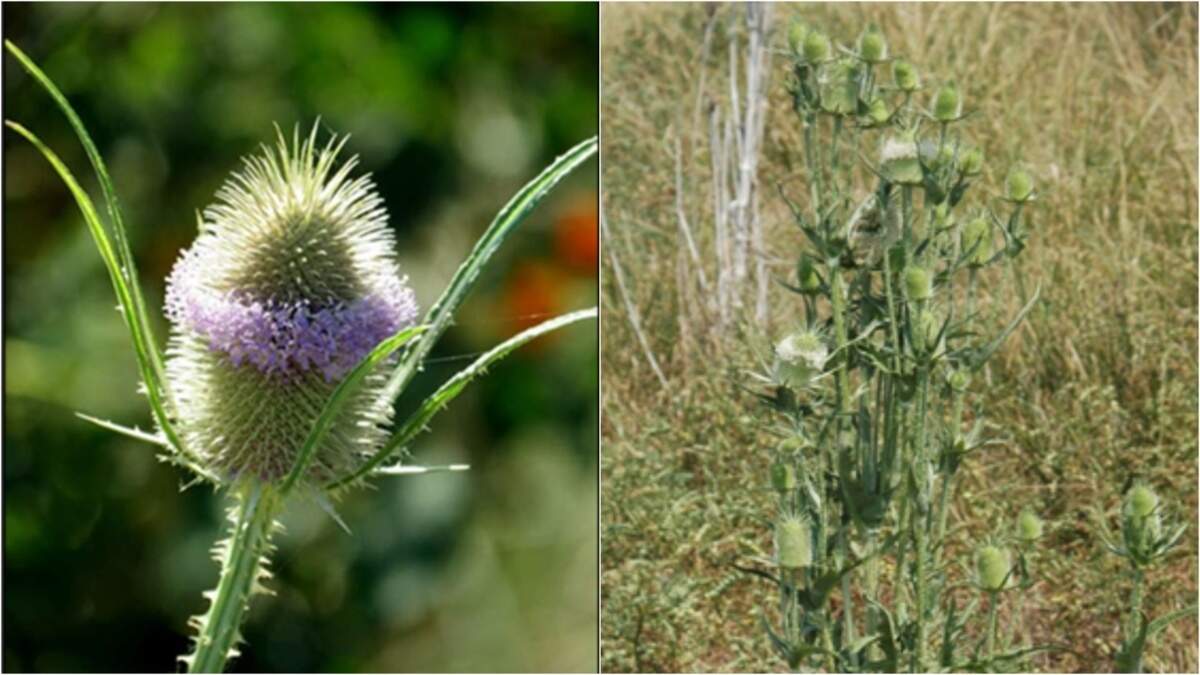
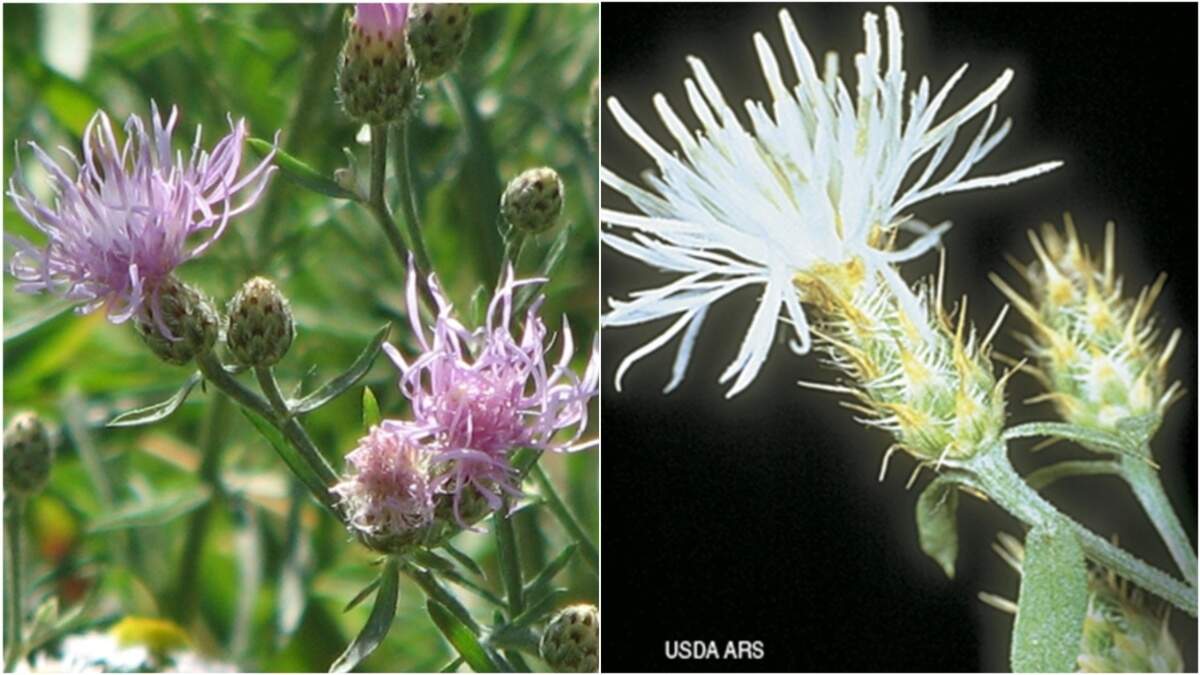
Five plants were added to the Kansas Noxious Weed List in May, bringing the total to 16 species that landowners are legally required to control. The additions include Amur honeysuckle, common teasel, cutleaf teasel, spotted knapweed and diffuse knapweed.
Here are key takeaways:
- Amur honeysuckle was added as a Category C noxious weed, meaning the invasive Asian shrub is already well-established across Kansas, with significant infestations documented statewide.
- The woody shrub can grow up to 15 feet tall and outcompetes native plants for sunlight, and landowners can control it using grazing animals, digging out root masses or applying herbicides such as 2,4-D, glyphosate, imazapyr, picloram and triclopyr.
- Common teasel and cutleaf teasel were classified as Category B noxious weeds, meaning they are present in some parts of the state. The plants produce heads with dense flowers.
- Both teasels can be controlled by digging out the taproot, cutting plants just below ground level, mowing before flowering or applying herbicides like 2,4-D and glyphosate. Removed flower heads should be bagged and burned.
- Spotted knapweed and diffuse knapweed were added as Category A noxious weeds, a designation used to protect Kansas from weed invasions that are not yet widespread in the state.
- Both knapweeds grow up to 3 feet tall with deep taproots and flower from July until the first frost. Control methods include grazing, pulling root systems, mowing in the bud stage, herbicides and biological pest control using weevils and moths.
- Noxious weeds are considered one of the greatest threats to the Kansas environment because they displace native species, hurt crop production, increase erosion and reduce property values.
The summary points above were compiled with the help of AI tools and edited by journalists. The source reporting referenced above was written and edited entirely by journalists.