
Century II lost money 22 of the last 27 years while city directed funds to CVB
Century II lost money 22 of the last 27 years, and that didn’t have to be the case, the city’s records show.
Money from Wichita’s transient guest tax — a 6% tax levied on hotel rooms — is supposed to make up for operating deficits at Century II.
Instead, some of it first has been going to Visit Wichita, the city’s convention and visitors bureau, which has criticized Century II and has funded studies aimed at expanding the city’s convention center offerings.
Wichita taxpayers, via the city’s general funds, have repeatedly had to make up the money that’s meant for Century II. The general fund has covered at least $14.4 million in Century II losses over the past quarter-century, records show.
The city chooses to use guest tax dollars to pay for part of its contract with Visit Wichita. However, according to the priorities listed on a city ordinance governing the guest tax, Century II’s losses should be covered before money goes toward promoting the venue.
The city and its attorneys dispute that the guest tax is supposed to make up for operating deficits before paying for promotion.
“We would disagree with that verbiage,” spokeswoman Megan Lovely said.
The discrepancy arose when The Eagle submitted a request through the Kansas Open Records Act for Century II’s operating numbers as part of a larger story on the March 3 sales tax vote.
Those records showed Century II has never been a money-maker, but they also revealed how the guest tax dollars aren’t being used in the order they were intended.
The ordinance
According to 2014’s Wichita Charter Ordinance 221, which parallels a previous ordinance passed in 2010 and several other times since 1980, the guest tax is to be spent in order of priorities.
The fourth priority is “To pay any deficit incurred in the operation or maintenance of any city owned convention or tourism facility.”
The fifth priority refers to Visit Wichita, though not by name.
“Any funds remaining shall be held in reserve to pay for convention and tourism promotion.”
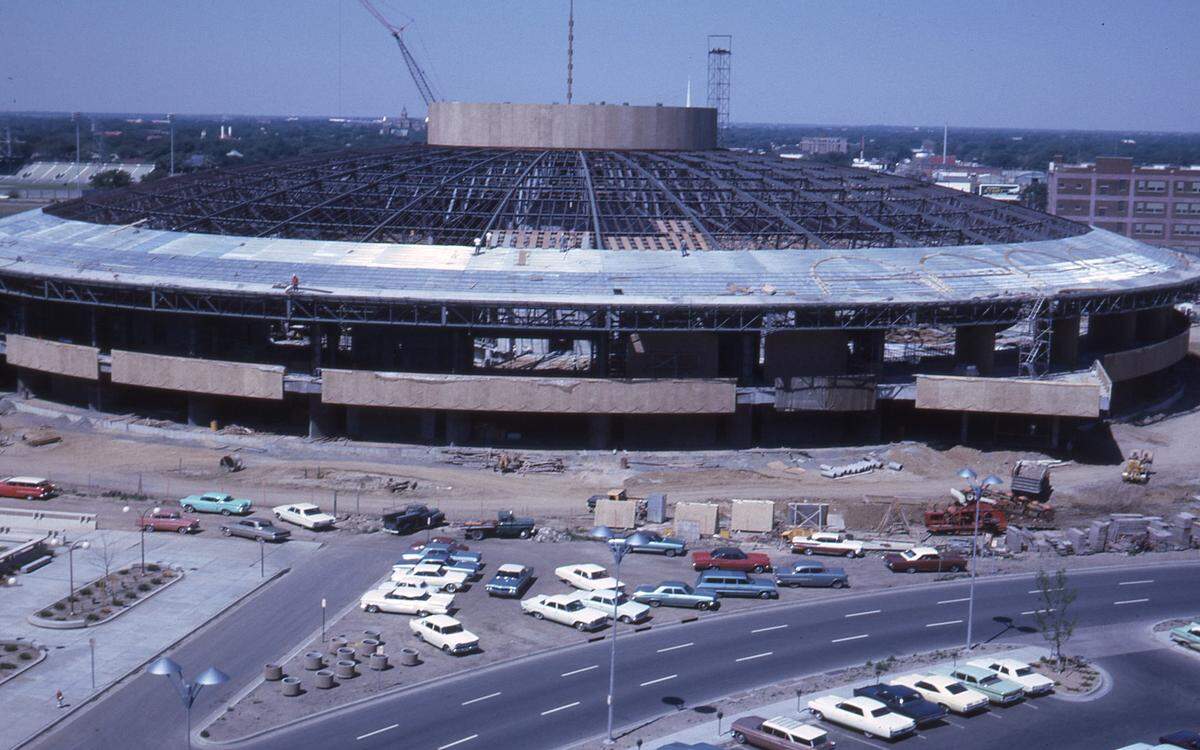
The tax covered all the Century II deficit in a few years, but in most other years, the city gave money from the guest tax to Visit Wichita regardless of whether Century II’s expenses were covered.
Take 2014, the year the charter ordinance was passed.
Century II lost almost $1.9 million that year. It then received just over $1.6 million in guest tax money. That still left a deficit of $263,301.
At the same time, Visit Wichita received more than $2.3 million in guest tax dollars that year.
The city’s response
When Eagle reporters met with city attorneys, budget specialists and Lovely, the city pointed to the first priority listed for spending guest tax money as justification for paying Visit Wichita before paying off Century II’s deficits.
The first priority is “To pay any bond, lease or contractual obligation . . . resulting from or directly attributable to the construction or use of an existing convention and tourism facility.”
“This is a disagreement on the interpretation of the word ‘use’ and what constitutes the use of a building,” Lovely said. “OK, well, we’ve got to get people into that building to generate funds. That would be a use.”
The Eagle contacted numerous people, including lawyers, past City Council members and other experts — most of whom spoke on background — who disagreed with that assessment.
One said the city is straining to reach its conclusion, another said that its lawyers are using “attorney speak,” and others said this is not the intent of the guest tax.
.jpg "E2 11 1 16038 (1).jpg")
Someone who would speak on the record is Heywood Sanders, a convention center expert and professor emeritus of public administration at the University of Texas at San Antonio.
“I’m not a lawyer . . . but I would interpret use as the folks that actually make use of, as in occupy, that facility,” he said. “Promotion of a structure is distinct from use of a structure.”
The possible reinterpretation of this ordinance speaks to some Wichitans’ concerns that so-called guardrails put in place on the proposed sales tax may not actually hold down the line.
Sanders said this is “a perfect local example of what can happen over time to restrictions and limitations and priorities that are written into local ordinances.”
“People change, leadership changes, city managers come and go, and the history and commitment is lost or modified. That’s just the reality.”
A contradiction?
Lovely also shared information from the Kansas Legislative Division of Post Audit and wrote that it found “no concerns related to promotion of tourism and convention activities or Century II.”
State auditors, though, likely would not have seen that the disbursal to Century II did not cover the entire operational deficit, as they did not look at Century II’s ledger.
“I think that is a bit of a supposition,” Lovely said.
However, the audit said: “We only audited the cities’ transient guest tax funds. We did not audit the other funds that cities transferred a portion of transient guest tax revenue to.”
Lovely shared the audit report. Appendix A of the audit contradicts the city’s assertion that dollars were spent in the right order of priority.
.jpg "1992 93 2698 century ii (1).jpg")
Here’s the appendix:
The city’s charter ordinance requires Wichita to use guest tax revenue in the specified order of priority:
1. Bond, lease, or obligations that existed at the time the ordinance was passed that were related to conventions or tourism facilities.
2. Future obligations related to the Century II Convention Complex.
3. Future obligations related to the maintenance, modification, expansion or new construction of a convention or tourism facility.
4. Deficits incurred in the operation or maintenance of any city owned convention or tourism facility.
5. Convention and tourism promotion.
It also notes a “large portion was spent on the contract for tourism promotion with Visit Wichita, as allowed for in priority 5 of their charter ordinance.”
If the city can pay for Visit Wichita and its promotional efforts before paying for Century II’s maintenance or deficits, why is there a need for a priority for convention and tourism promotion in the ordinance?
“It’s any extra funds that are generated after all of these tiers have been funded in some capacity,” Lovely said.
Frequent city critic Celeste Racette, a longtime advocate for saving Century II and one of the leaders of the Vote No campaign against the upcoming 1% sales tax vote, is not buying the city’s interpretation of the ordinance.
“They have taken advantage of the hotel guest tax,” she said.
Racette said the ordinance clearly states that in addition to covering Century II’s deficits, the guest tax money should be spent to maintain the building as well.
She and other Century II proponents contend that some of the money that went to Visit Wichita should have gone to the upkeep of Century II, which hasn’t had a lot of investment in recent years other than a new roof.
“What’s really ironic is this hotel guest tax was created to take care of our buildings first and our tourism promotion second,” Racette said.
Instead, she said, “Century II has had to settle for the scraps.”
Dig deeper?
Deficits aren’t new for Century II. Since 1969, the year it opened, it has lost money more years than not.
A 1980 Wichita Eagle story about the “rapidly growing deficit” asked, “Will taxpayers be asked to dig deeper every year to support Century II?”
Century II has lost more than $45 million since 1999. That’s before transfers from the general fund and transient guest funds were used to cover those losses.
If that’s the case, should Wichita voters be asked to support an updated convention center with up to $250 million from the proposed sales tax?
“It is difficult to buck business and political leadership . . . that’s committed to downtown development and public investment with the result that even when . . . public projects like convention centers fail, the call is inevitably to spend more,” Sanders said.
Visit Wichita president and CEO Susie Santo said it’s not simply about what a convention center can earn on its own.
“It’s really important to know that a convention center is about driving visitors and dollars into the community. . . . You bring a visitor in, and it helps keep our businesses, our restaurants . . . open for all of us to enjoy.”
Visit Wichita referred questions related to the guest tax to either Legends Global, which operates Century II, or the city.
Legends referred questions to Visit Wichita.
If the sales tax passes, Wichitans would pay up to $225 million to update the Bob Brown Expo Hall south of Century II, up to another $25 million to update Century II and up to another $75 million for a new performing arts center to replace the two theaters at Century II.
Visit Wichita is listed as a member of the coalition pushing the sales tax.
The city’s capital improvement plan also already includes $12.66 million in maintenance projects for Century II paid for by the guest tax.
At issue
So what does it matter how Wichita pays for Century II’s deficits — from the guest tax or its general funds?
The point of the transient guest tax is that it allows cities to fund money-losing cultural facilities like Century II without taxing their own residents.
The guest tax, which is deposited into the Tourism and Convention Fund, generates around $10 million a year. Nearly 30% of that money is expected to go to Visit Wichita over the next three years, according to the city’s adopted budget.
That’s 10% more than is allowed by state law, but the city’s charter ordinance allows the city to opt out of that law.
According to the 2026 contract with Visit Wichita, the city will pay the CVB up to $2,869,162 this year.
Visit Wichita also receives marketing dollars from a special tax district set up by the City Council since 2015 that adds another 2.75% tax at hotels with 50 or more rooms.
Visit Wichita has received nearly $35 million from that hotel tax since 2015 and is expected to pull in more than $16 million more through 2029, according to the city’s budget documents.
Racette said there’s something called home rule that allows Wichita to follow its own ordinance instead of state law.
She said she doesn’t have a problem with that as much as she does with the city not following the priorities as they were written years ago.
Like Heywood Sanders pointed out about what happens to ordinances over time, Racette said the city’s different interpretations of ordinances through the years should concern Wichitans.
The current City Council has tried to put guardrails in place for sales tax dollars. It may be a nice goal, but the city’s disregard for following the letter of its own ordinances shows they are meaningless, Racette and others said.
“They can undo any resolution or any guardrails they put in place,” she said.
“This is what the city does.”
This story was originally published February 13, 2026 at 2:27 PM with the headline "Century II lost money 22 of the last 27 years while city directed funds to CVB."