
Wichita City Council provides more details on how sales tax dollars would be used
The first $300 million generated by a proposed 1% sales tax in Wichita would go toward homeless and housing initiatives, public safety and property tax relief.
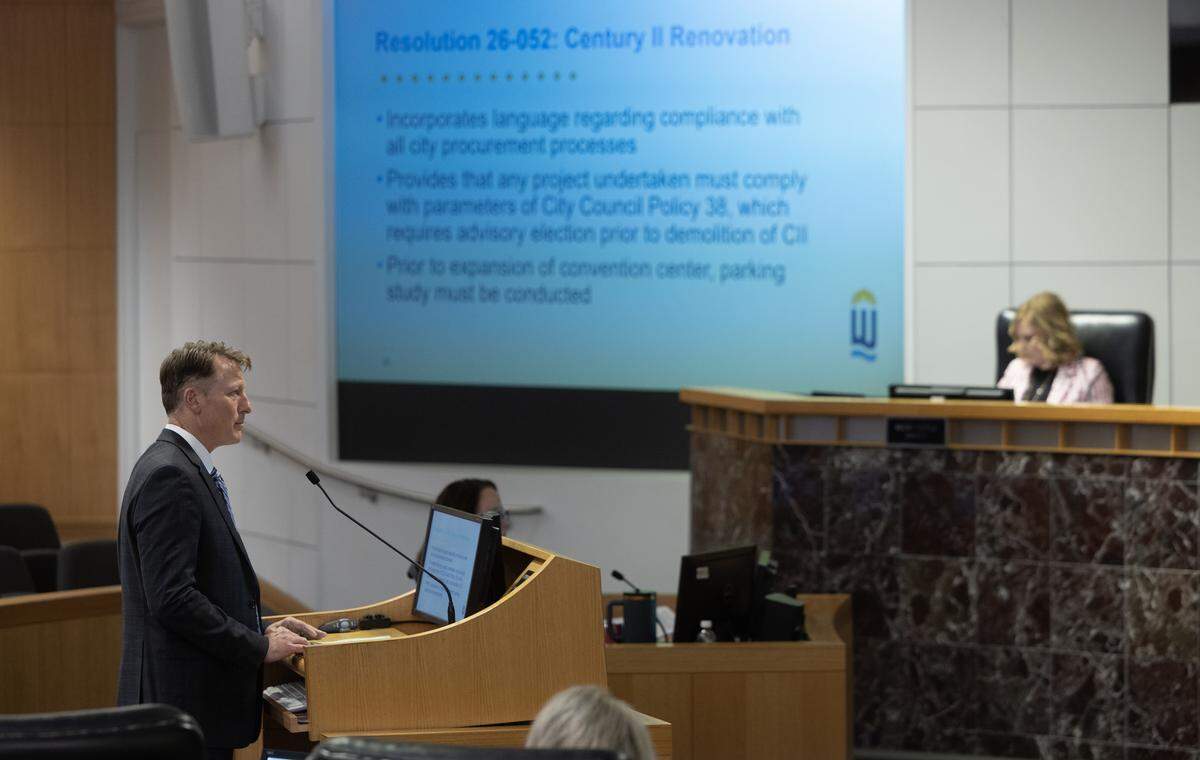
That decision was made by the City Council on Tuesday night after council members discussed what they called guardrails for spending the sales tax proceeds.
The discussion and guardrail options came after opponents criticized the tax proposal for being too vague when it was placed on the March 3 ballot.
Under the guardrails, sales tax revenue would begin going toward a new downtown performing arts center and expanded convention center space at Century II in 2029.
The performing arts center would be funded by sales tax dollars and private donations, according to the sales tax proposal.
The city won’t allocate funds to begin construction of the new facility until $50 million is raised by the private sector for it.
“I think when we talk about a sales tax, when we talk about what is driving a sales tax, partially is tourism, our Performing Arts Center and our performing arts industry does an amazing job with helping out with that,” council member Joseph Shepard said. “It’s really important for us to recognize the work that’s being done in terms of the tourism that is going to draw people from out of the area in the region to contribute.”
The council also passed two programs designed to help lower-income Wichitans to make up for increased costs if the sales tax is approved.
One would provide a $55 rebate each year, using the city’s general funds, for families who qualify for the Low Income Energy Assistance Program (LIEAP). The other would establish a Wichita version of the state’s Homestead Property Tax Relief program. It could provide some low-income property owners with up to hundreds of dollars in property tax rebates each year.
The two programs could cost the city more than a million dollars, according to initial estimates from the city. That does not include costs to administer the programs and staff time, City Manager Dennis Marstall said.
“Not only is there the actual reduction in revenue to the general fund if we offer these two different programs, but we haven’t talked about [how] to administer that,” Marstall said.
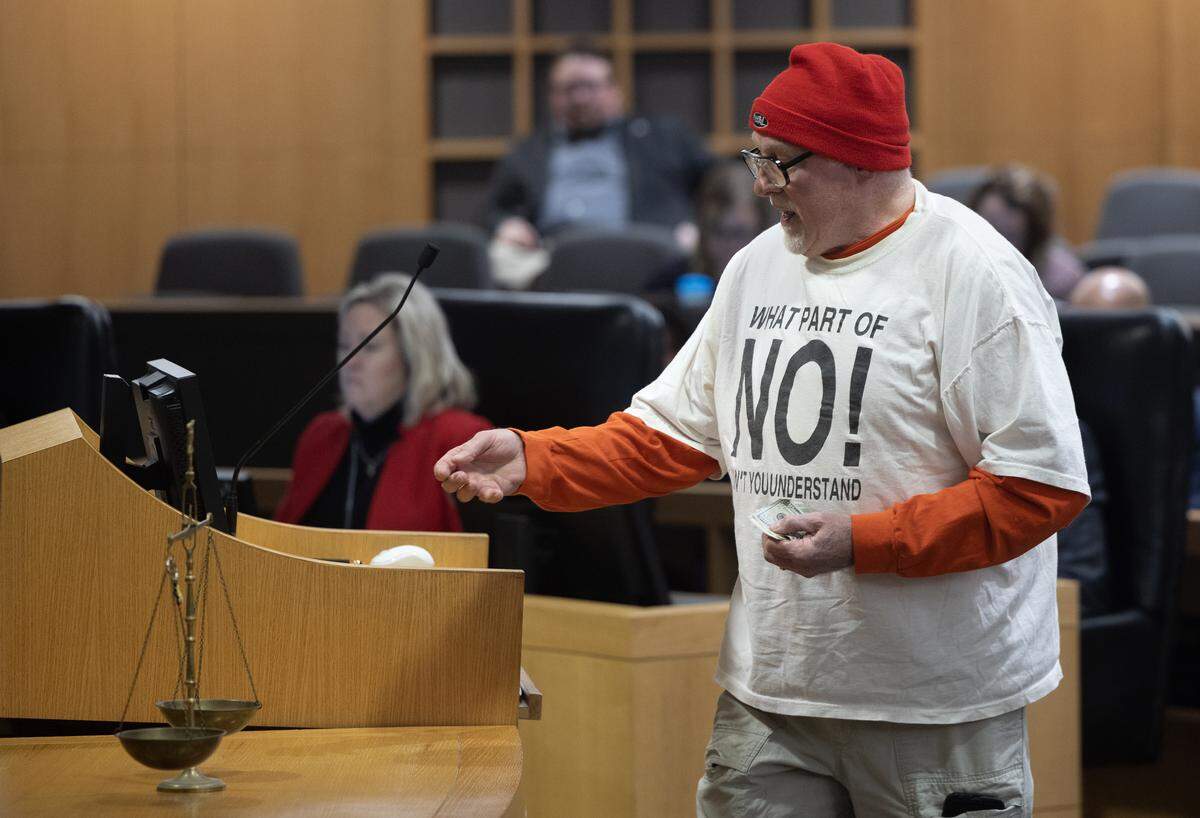
Some residents still said they were strongly opposed to the sales tax, despite the council’s proposals.
“You didn’t put the cart before the horse, you put the load of manure before the cart,” Myron Ackerman said while addressing council members.
Residents also voiced concern that although the guardrails were established as resolutions now, they can easily be altered by future councils.
“It’s still too much wiggle room,” former District 1 city council candidate LaWanda DeShazer said. “So even our guardrails that we’re talking about tonight are not strong guardrails.”
Only seven of 23 people who spoke during public comment Tuesday on the sales tax were in favor.
“This is our moment to come together and believe in Wichita. This is our moment to believe in our city and to build a place that our children want to return to, in a city confident enough in itself to invest in itself,” Visit Wichita CEO Susie Santo said.
This story was originally published February 10, 2026 at 11:04 PM.