Does Wichita need new convention, performing arts spaces? Depends on who answers.
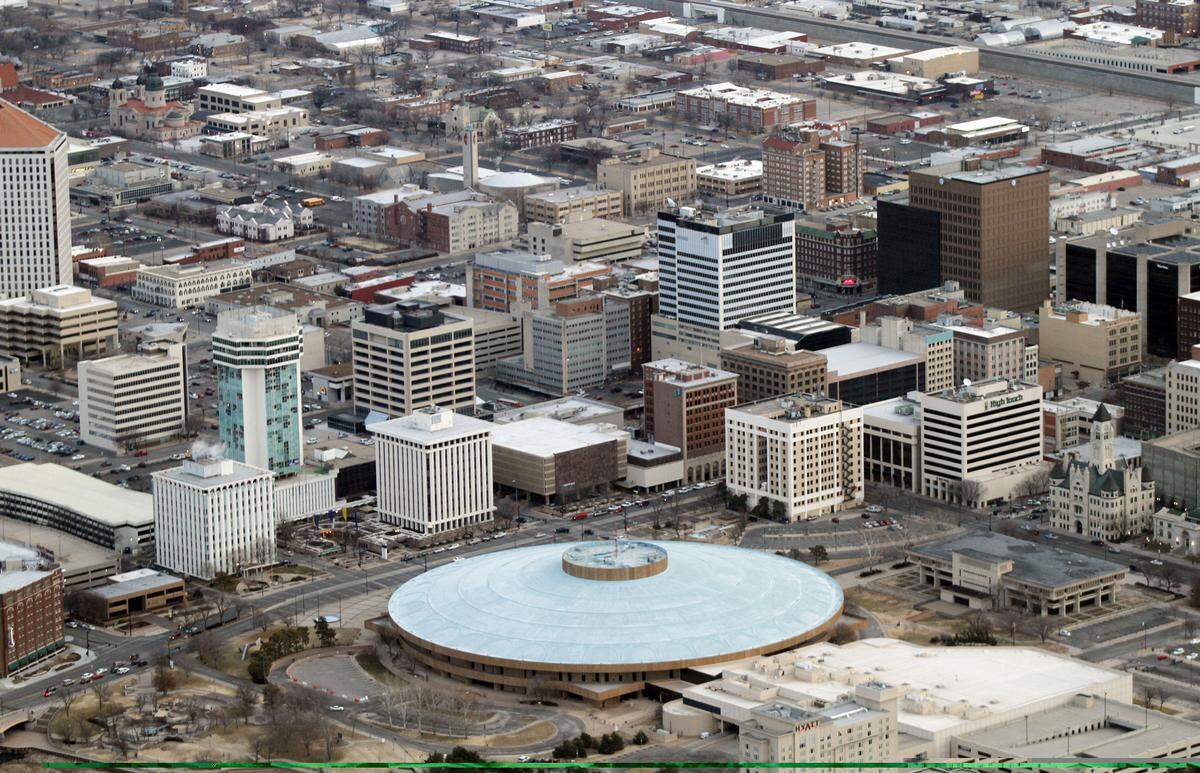
Of the numerous questions surrounding Wichita Forward’s proposed 1% sales tax, a number of them are related to the flashiest parts of the March 3 special election ballot: Century II, its convention center and a possible new performing arts center.
That includes questions about the $225 million Wichita Forward is seeking to overhaul the main Century II convention center, known as Bob Brown Expo Hall.
First, are conventions even a thing anymore?
If they are, will $225 million be enough to attract more business at a time when numerous centers within driving distance of Wichita are building bigger-and-better facilities?
And why build an additional performing arts center? Even if there’s a clear case for it, will a $75 million public investment added to private development money be enough? Or, like the city’s controversial ballpark, will there be extra costs, including giveaways to developers, such as land for a dollar an acre or an 8% development fee, to cover expenses?
If Wichita gets a new arts center, why does Century II need a $25 million-plus revitalization? What’s going to be held there?
Also, if the tax passes, what — if any — concrete measures will be put in place to ensure the city spends the money as it says it will?

The answers to most of these questions aren’t simple. However, they’re important to ask, said John Hale, general manager for Legends Global, formerly ASM Global, which manages Century II for the city.
Though it may not feel like it to some, Hale said, “Opening the door to this discussion has been really, really good for all of us.”
Big surprise
As the unofficial spokeswoman for updating the Bob Brown Expo Hall, the convention center space that was added south of Century II in 1986, Visit Wichita president and CEO Susie Santo can make the argument in one sentence:
“It’s about more efficient space.”
Though Wichita has lost out on some conventions due to its smaller size — and though the sales tax would allow for a significant increase in convention center space — Santo said the potential $225 million update isn’t about going bigger.
“That sometimes surprises people when I share that.”
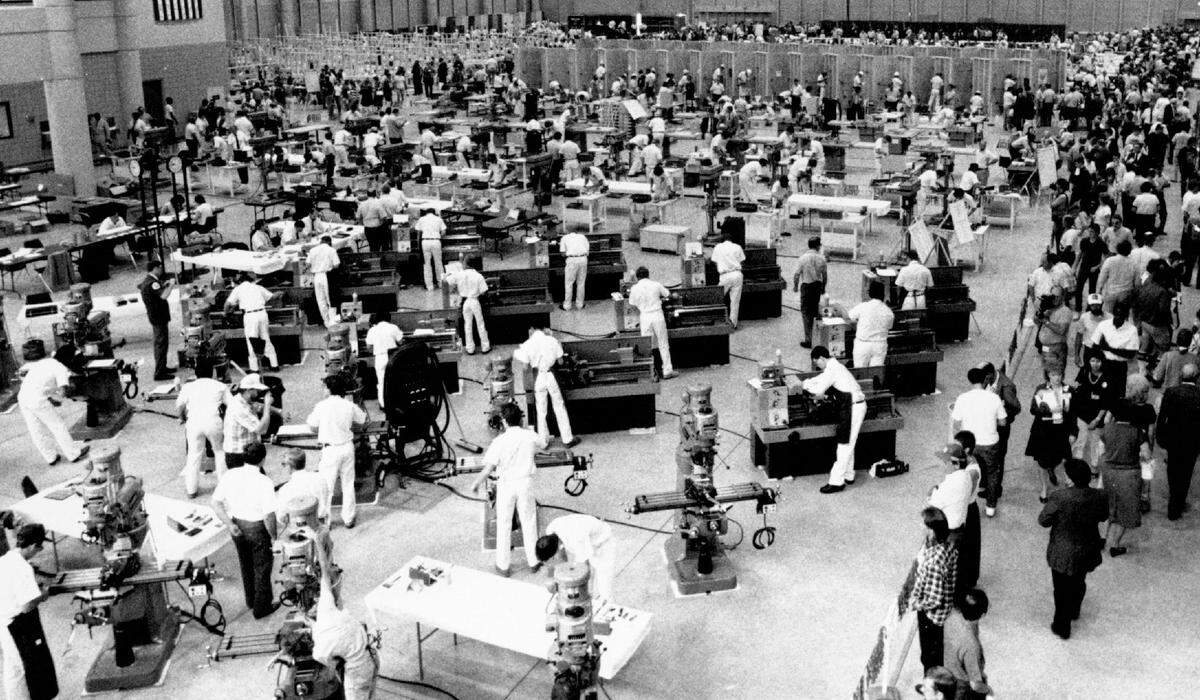
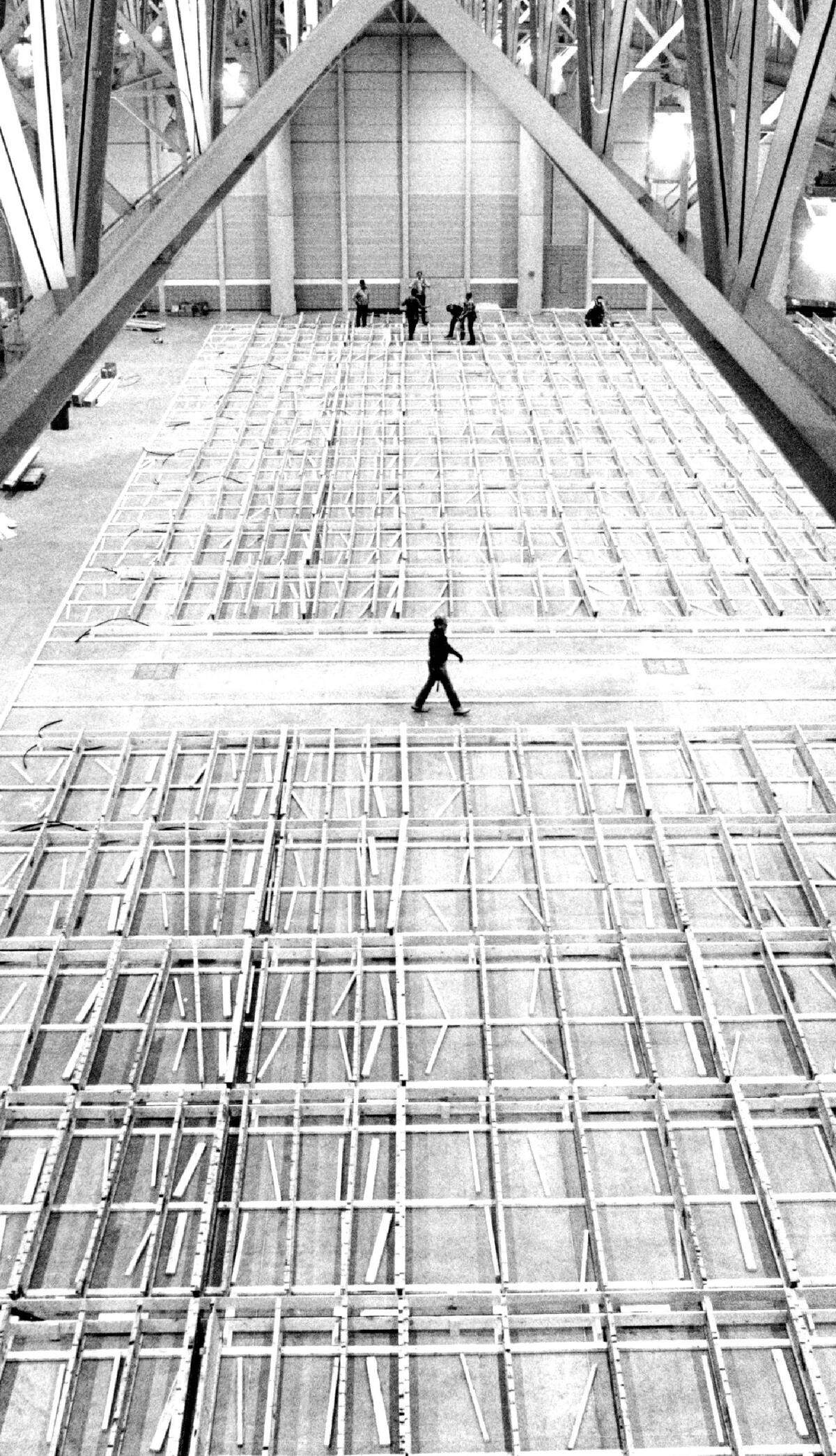
She and Hale both said the biggest challenge at Bob Brown is that the 93,000-square-foot floor space can’t be divided because of the way it was built. It’s a not-quite-square space, only about 60,000 square feet of which has industry-standard 32-foot ceilings.
A concession and restroom area with 14-foot ceilings runs between the hall and its loading docks.
“So if we bring in a group that only needs 40,000 square feet, they get the whole facility,” Santo said.
Or, as Hale put it, “We turn down business because we have business.”
Also, to meet industry standards for convention centers, Santo said Wichita’s facilities need more contiguous exhibit space.
Currently, there’s the main expo hall, and north and west of it there’s the 32,000-square-foot Carl A. Bell Jr. Convention Hall in the distinctive round building known as Century II. The hall has retractable seating for 5,000.
North and east of that in Century II is the 45,000-square-foot Exhibition Hall that faces Douglas.
That almost 80,000 square feet of original 1964-designed convention and meeting space is laid out in a pie shape.
“It doesn’t conform to modern standards of what a convention space looks like,” Hale said.
Also, Santo said conventions that are split among the three halls are “just not ideal, and it’s not how they want to meet.”
Best in class
Above the main expo hall, there’s a promenade that connects to the Hyatt Regency Wichita, which has meeting rooms and a ballroom.
However, Santo said, today what’s considered best in class for convention centers is when they have their own meeting spaces and ballrooms in addition to ones at a connecting hotel.
In addition to expanding the expo hall by almost 40,000 square feet to about 130,000 square feet, Santo said a sales tax would allow the hall to have another 30,000 square feet of meeting space, a 40,000-square-foot ballroom and a 20,000-square-foot outdoor area in addition to the meeting rooms and ballroom connected to the Hyatt.
That would be a total of about 220,000 square feet of updated space compared to about 184,900 square feet of existing space.
“So it’s not necessarily that much of a bigger space,” Santo said. “It’s just laid out (in) an efficient manner that we can use and take advantage of multiple events happening at the same time, driving more revenue and visitors and attendance days.”

In a presentation before City Council in late January, Santo said the city estimates that an updated convention center could bring in at least $32 million in direct spending annually and another approximately $22 million in indirect spending throughout the community at places such as hotels, restaurants and other businesses.
She also said the city estimates that if the tax passes, 20% to 25% of the taxes will be paid by people from outside of Wichita and Sedgwick County.
If Wichita does get a new performing arts center and updated convention space, Santo said that will free up everything at the round space — two theaters, two exhibition spaces and meeting rooms — for new kinds of programming. She said that could include school functions and various uses by other nonprofits.
“It really opens it up as a community asset to folks that haven’t been in there before.”
Convention folly?
Convention center expert Heywood Sanders may live in Texas, but he’s quite familiar with Wichita’s attempts to get upgraded convention space through the years.
“They’re at it again,” he said when contacted about the 1% sales tax.
Sanders, professor emeritus of public administration at the University of Texas at San Antonio, said downtown proponents who want to spur development rarely give up trying for new convention space.
He’s written extensively about conventions, including in a work called “Convention Center Follies,” and is working on a new book examining what he called the convention center development boom now happening nationally.
Sanders checked Wichita Forward’s website to examine the research the group is using to support its claim that the city needs better convention space.
Conducted by Populous, a Kansas City, Mo., architecture firm that often builds these kinds of centers, the study said with upgraded convention facilities, Wichita’s national conventions would jump from three a year to 20 in 2029; local and regional conventions would rise from 18 to 27 annually; and hotel room nights would increase by 68,470 for a total of 88,696. That compares to 20,226 rooms if nothing is done.
“Those kinds of numbers appear highly unlikely if not absolutely absurd given the nature of the current convention market,” Sanders said.
He said it’s striking that he saw nothing in the report to substantiate those numbers.
Reality bites
Sanders said the reality of the convention center market today is that supply continues to grow and demand continues to shrink. He listed city after city — some bigger than Wichita and some about the same size — constructing or upgrading facilities.
This month, City Journal, published by the conservative think tank Manhattan Institute for Policy Research, had an article headlined “Texas’s $8 Billion Convention Center Gamble” about the eight major convention center developments happening in that state alone.
“Ask a local official why cities in such close proximity are investing in such outdated projects, and you’ll hear the consultant-inspired refrain: ‘they pay for themselves,’ ” author Charles Blain wrote. “But if history is any guide, convention centers are more likely to become massive money pits, with taxpayers left on the hook long after the politicians who approved them are gone.”
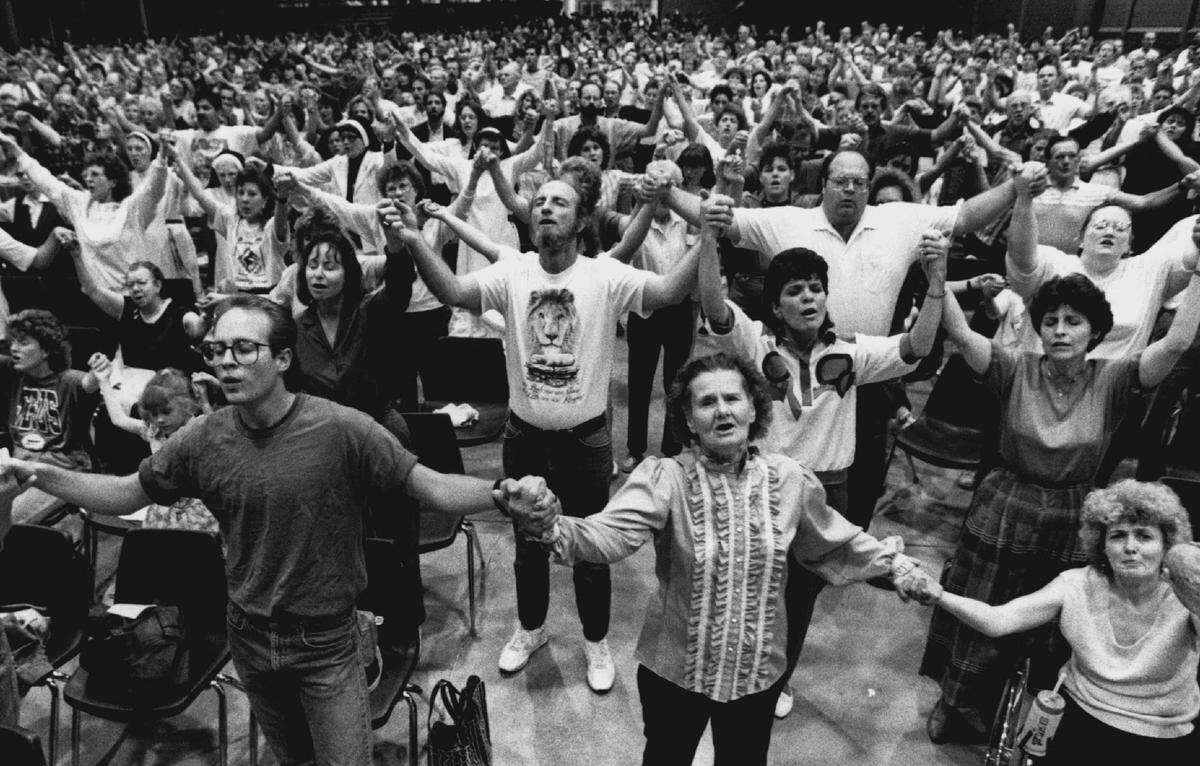
Sanders pointed to the McCormick Place Convention Center in Chicago, which he said had 1.44 million convention and trade show attendees in 2000. Even before the recession hit in 2008, he said that number dropped to 960,000. In 2024, Sanders said there were 794,250 attendees.
As an example of how fewer people are going to conventions, Sanders pointed to the national restaurant show held at McCormick annually. In 1996, there were 103,000 attendees. In 2000, that number dropped to 85,221. In 2008, it was 71,367. Last year, 52,798 people attended.
“So we’re looking at almost half of what it was 30 years ago.”
Why the drop?
These days, Sanders said, there are other ways to connect and network that nullify the need for big conventions. COVID hurt the industry, too, and he said numbers haven’t bounced back to pre-pandemic levels. Cost and difficulty of travel are issues as well, he said.
Santo said Sanders is correct about the pre-pandemic numbers, though she said they are expected to be back “in the next year plus” and that convention center business “is absolutely not dying.”
Santo said it’s important to look at Wichita’s nearby peer cities that have invested in either new or upgraded facilities when Century II hasn’t had a major upgrade since the expo hall was built 40 years ago.
One of Santo’s examples included the Overland Park Convention Center, which happens to be the same center Sanders used to show how centers aren’t performing as expected.
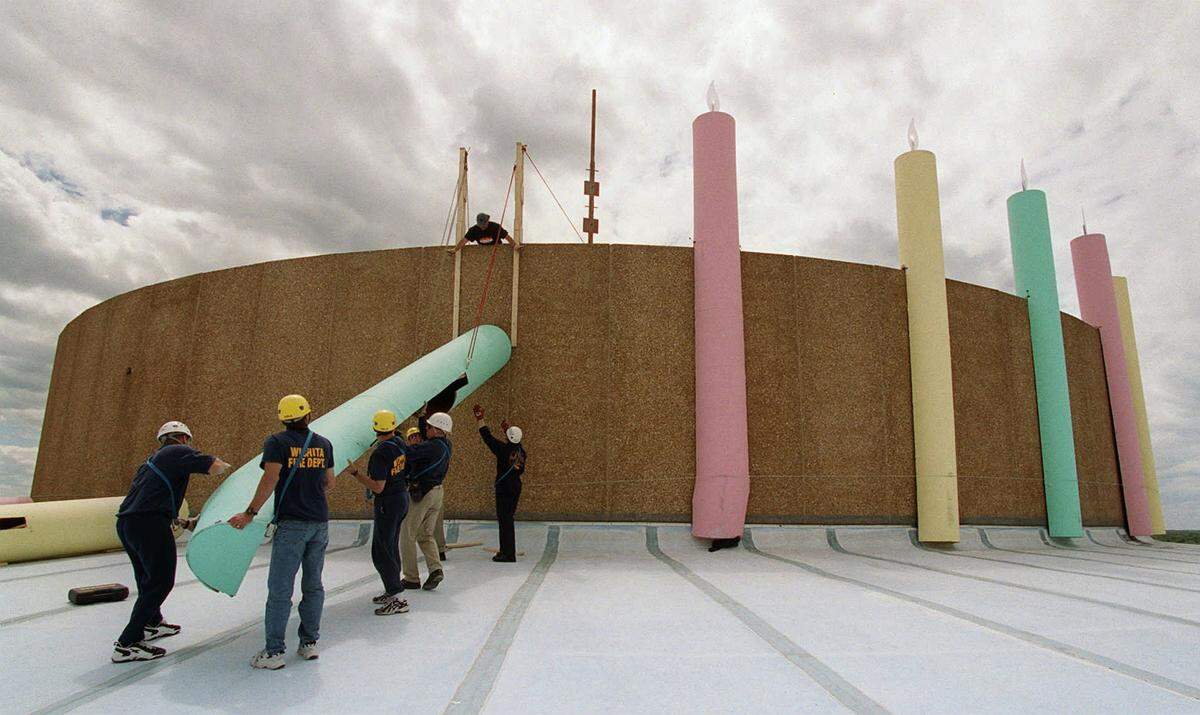
Sanders said the city-financed Sheraton hotel next to the Overland Park center has never performed to expectations, which around 1999 forecast that it would generate more than 70,000 annual hotel rooms.
Instead, he said the center’s own report showed the hotel brought in just over 44,000 rooms in 2005. In 2011, there were 37,600 rooms. In 2024, that dropped to 28,862.
In general, Sanders said it’s the exception “for any of them to come close to where the consultants forecast.”
Aging info
The Populous study said interviews with convention planners showed the likelihood of them using a new Wichita facility grew from a 38% positive response in 2013 to a 47% positive response in 2021.
Sanders, though, noted those numbers didn’t reflect how interested those same parties were in other facilities similar in size to Wichita.
Nor were any of Wichita’s performance numbers included anywhere in the report, he said.
“I also wonder why you’re dealing in an analysis that’s now about three years old.”

Santo said Visit Wichita has reverified numbers with Populous and that the $225 million Wichita Forward is seeking still makes sense.
Sanders said Wichitans “ought to have a whole lot of questions” about what’s being proposed.
He was, though, positive about one aspect of the report.
“It’s got lots of lovely pictures.”
Good enough?
Walt Disney used to have a saying that also was something of a motto for his entertainment company: “People can feel perfection.”
These days, Music Theatre Wichita managing director Angela Cassette likes to quote Disney to explain that people attending theater and other performances may not understand the work that goes into each detail they’re seeing, but they can sense when something is done at a truly high level.
That’s part of her argument that Wichita needs a new performing arts center.
“We have world-class arts organizations here,” Cassette said. “What we find, and have found for decades, is that the facilities don’t match the quality of what’s happening in them.”
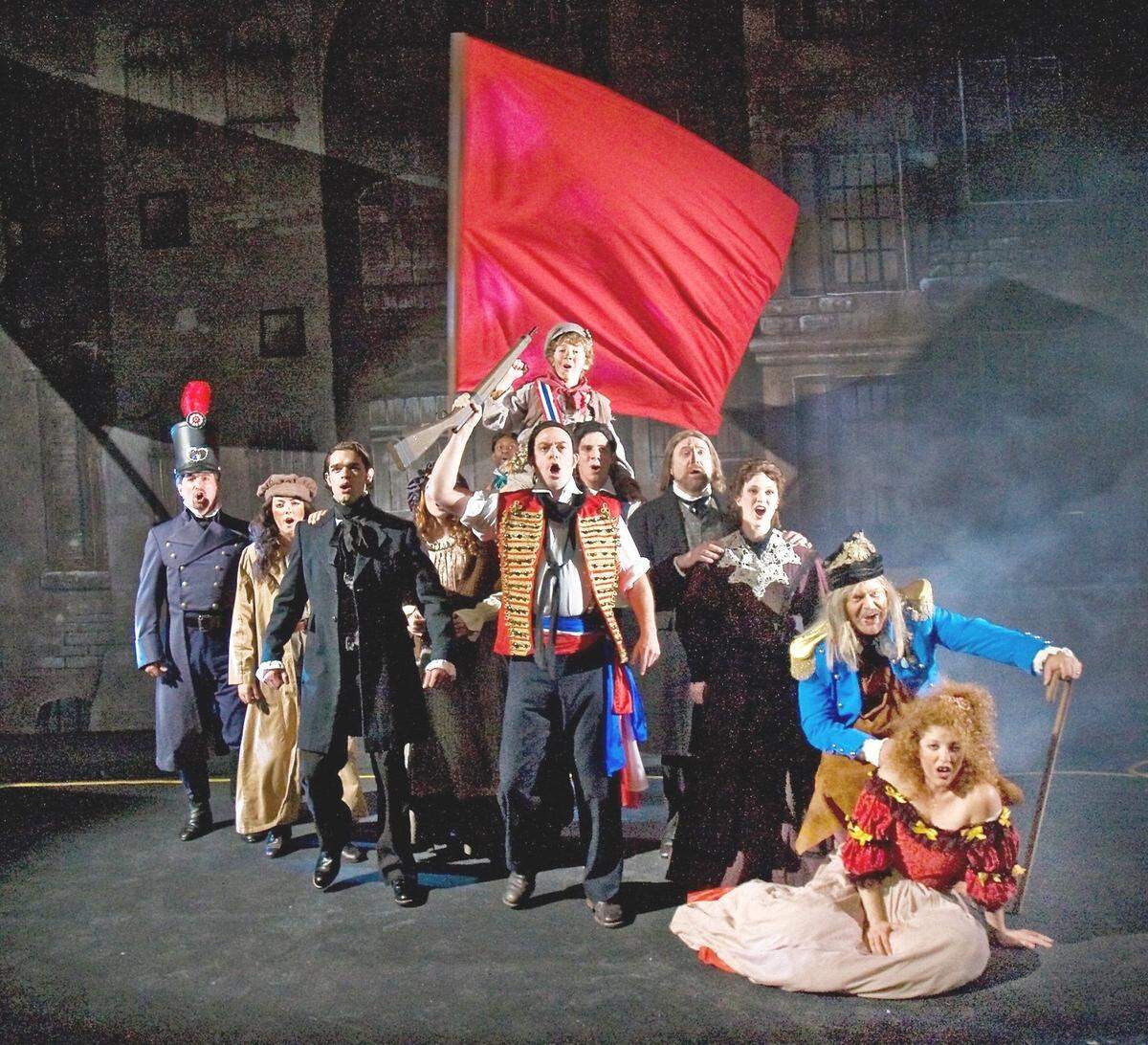
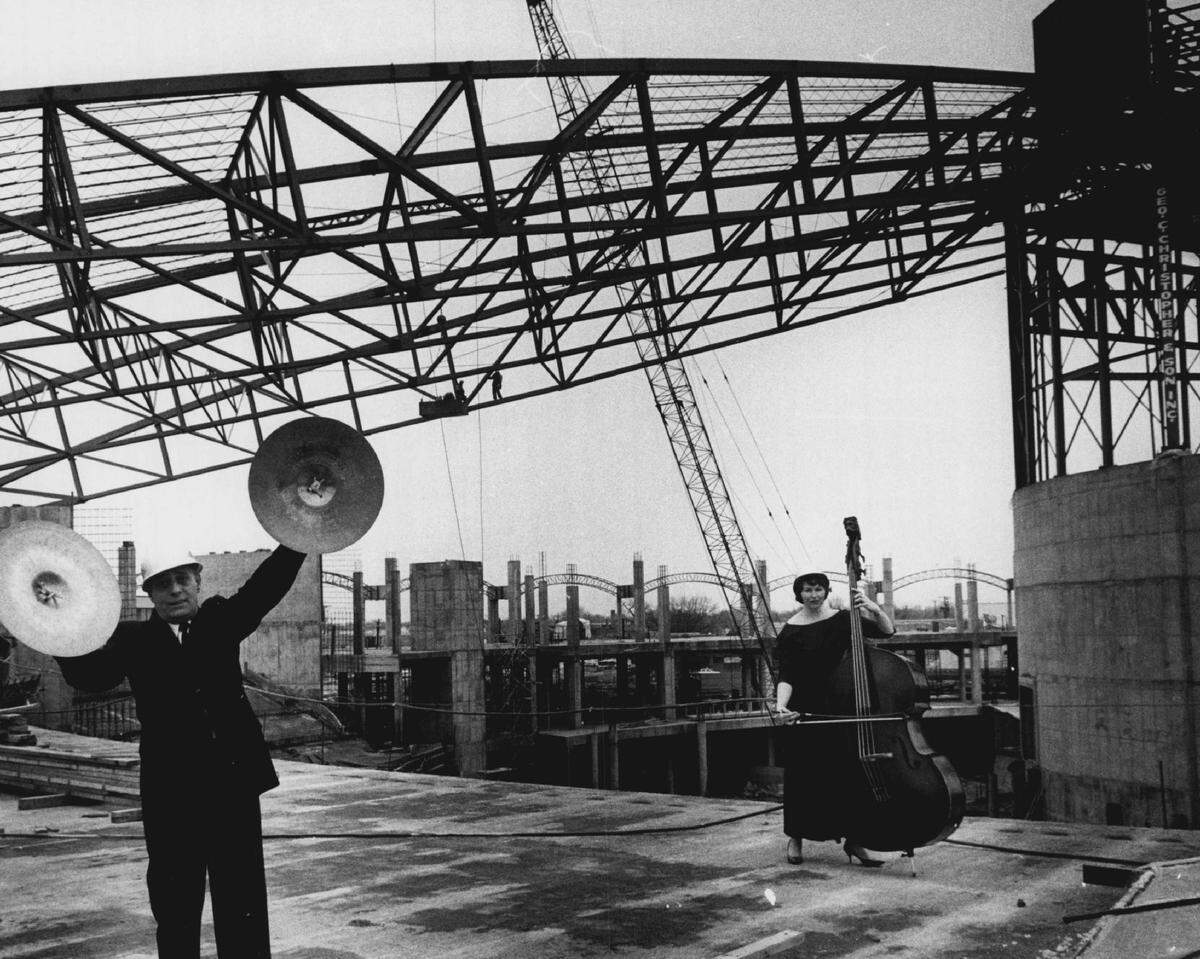
Currently, Music Theatre, the Wichita Symphony, the Wichita Grand Opera, Ballet Wichita and the American Theatre Guild, which has national touring shows, all use Century II’s concert hall. They comprise about six months of use in the building.
The hall and the smaller Mary Jane Teall Theater are the final two pieces of Century II’s pie, and they’re adjacent to the convention and exhibition halls.
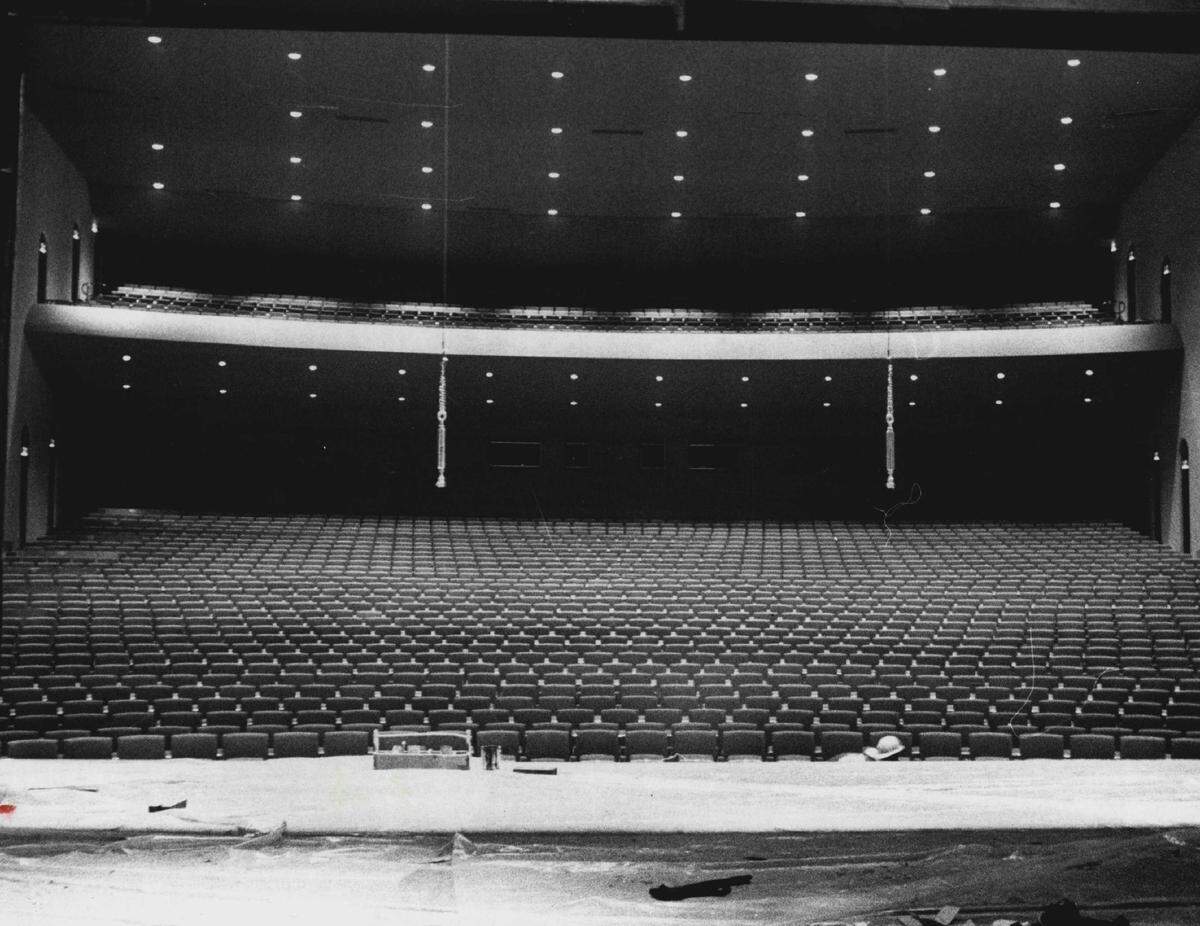
Opinions differ greatly on whether those spaces are adequate or if Wichita needs a new performing arts center.
Longtime Century II advocate Celeste Racette, who led the effort to save the structure in recent years and is one of the leaders of the Vote No campaign, acknowledged the building needs updating. She said that includes upgrades in soundproofing, lighting and rehearsal space along with outside maintenance.
Racette said all those things are “very doable” and enough to make the building “last another 100 years.”
There’s already $12.6 million in community improvement project funds that also would go toward improving the building regardless of what happens with the tax.
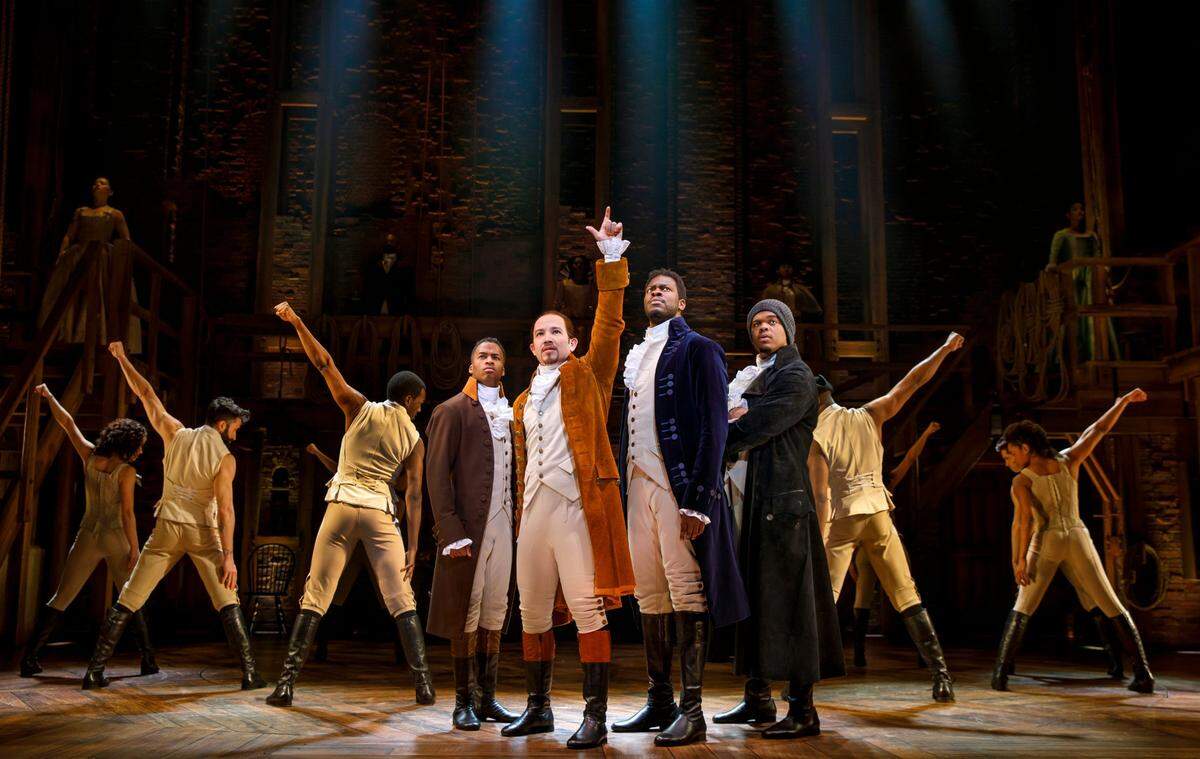
Racette and other fans of the building like to point to the musical “Hamilton,” which Century II’s detractors said could never be staged there, except it did come in 2023.
Yes, Cassette said, but she added, “We didn’t get what every other city that got ‘Hamilton’ got, and that’s because of our facilities.”
She said the show had a semi truck plus half of another one with sets that couldn’t be unloaded at Century II.
Also, Cassette said when she saw the show, “I couldn’t understand the words, and I know every word of that musical.”
While some Century II supporters say the building is good enough, Cassette said that’s a disappointing perspective.
“We shouldn’t be in the good-enough . . . mentality.”
Dueling lists
Along with naming a laundry list of problems at Century II, Cassette offered a list of what a new performing arts center should have.
The concept is an approximately 180,000-square-foot space with two performance areas.
One would be a hall with about 2,000 seats. The other would be a smaller space with about 500 seats or perhaps a flexible space that could change depending on shows.
Back-of-house needs would include dressing rooms, office space and a concession area. Front-of-house needs would include a lobby and restrooms.
Importantly, Cassette said, there would be a loading dock area that goes directly to the stages.
At Century II, she noted, shows have to push their sets through Exhibition Hall to get to the stages, which means that space can’t be booked when a stage is.
Cassette said simultaneous bookings at Century II also are an issue because there’s no sound isolation between the stages.
“You can hear straight through, and that’s really a problem.”
At a new arts center, Cassette said, that issue would be alleviated.
Information gap?
There are no concept drawings yet for either the performing arts center or updated convention space.
Cassette said design illustrations cost money, so they won’t happen unless the tax is passed, at which time she said the city will seek public input through a series of meetings as well.
Nor has a final site been pinpointed for a potential center, though proponents want it to be downtown.
Wichitans have publicly and privately questioned what they call a lack of details and studies around all aspects of the 1% sales tax measure — including money for public safety, services for the unhoused and property tax relief — but at a presentation before City Council, Cassette said there have been “several relevant studies” over more than a decade regarding Century II and the performing arts.
She specifically pointed to a 2019 mayoral committee made up of citizens who conducted studies and surveys for more than a year.
“While timelines may feel condensed to some, the Wichita Forward plan stands on the shoulders of countless hours of work to gather widespread community input.”
‘New day at City Hall’
There’s been lots of discussion about putting guardrails in place to make sure sales tax dollars would be spent as intended, but is there a true guarantee?
“We want to make sure that public dollars are protected,” said City Council member Dalton Glasscock.
Unlike past ballot issues seeking tax increases, which he said were anywhere from one sentence to a few paragraphs, Glasscock said this ballot issue comes with 37 pages of guardrails that the council will codify on Feb. 10 at an evening meeting in order to allow more of the public a chance to attend.
One of those guardrails, he said, is that a dollar of public money won’t be spent on a performing arts center until $50 million in private money is raised first.
Racette, the avid Century II supporter, said that’s meaningless.
“They can undo any resolution or any guardrails they put in place,” she said. “It doesn’t matter. This is what the city does. . . . It’s so horrific.”
Glasscock said that was the kind of thing past councils did.
“I can assure you that this council has looked at all of the past deals,” he said. “We are reviewing contracts at a much-higher level. . . . The number-one question we ask from the bench is, ‘Is there any risk to taxpayer dollars?’ ”
Glasscock said the city has the ability to claw back pubic-private partnerships if they don’t live up to what they’re supposed to.
Racette said the city also has the ability to bury contracts and skew narratives in its favor.
“I understand the concern people have with previous projects,” Glasscock said. “I believe that we should have been a better steward of taxpayer dollars on some of these deals.”
However, he said that “it is a new day at City Hall.”
“I understand the distrust of government, but we can’t let that paralyze progress in the community.”
So what happens if one or more of the sales tax issues doesn’t go as planned?
“If we don’t live up to these expectations . . . the public can kick us out of office and make sure that people (who) hold true to their word are in these seats.”