
Race, politics among key issues in play for county redistricting
READ MORE
Changing Sedgwick County’s district boundaries
Sedgwick County is about to redraw the five commission districts in the county. So far, there are 10 proposed redistricting maps that the public can weigh in on Monday before the County Commission decides who will represent whom.
Expand All

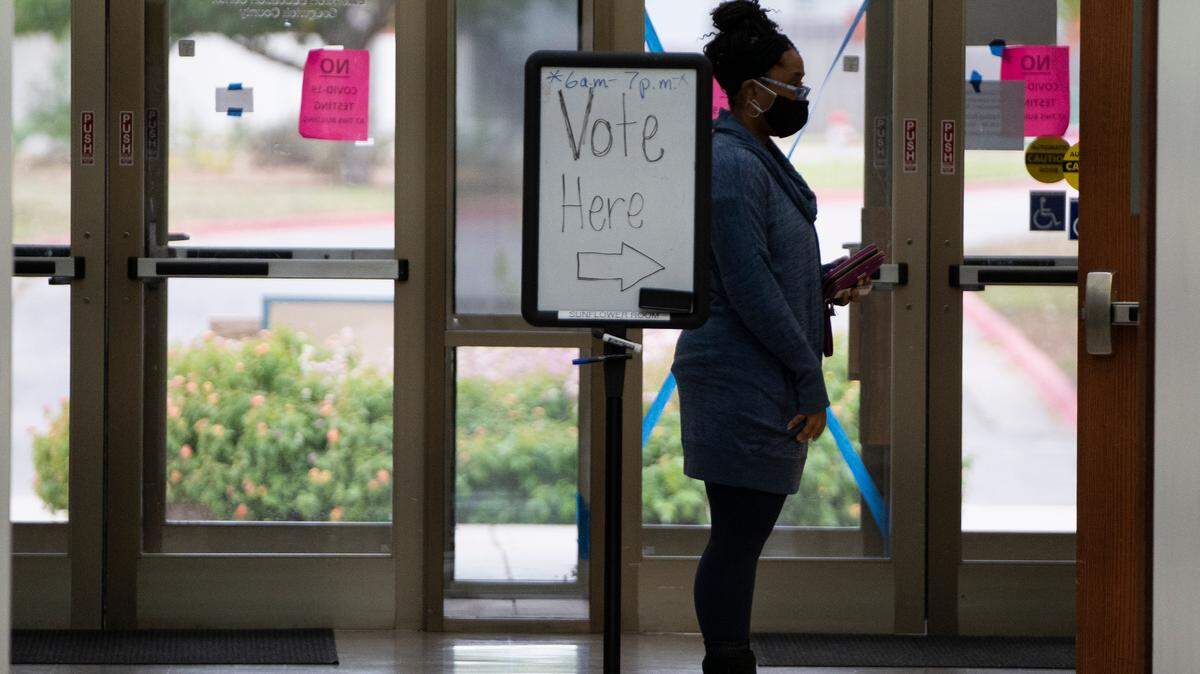
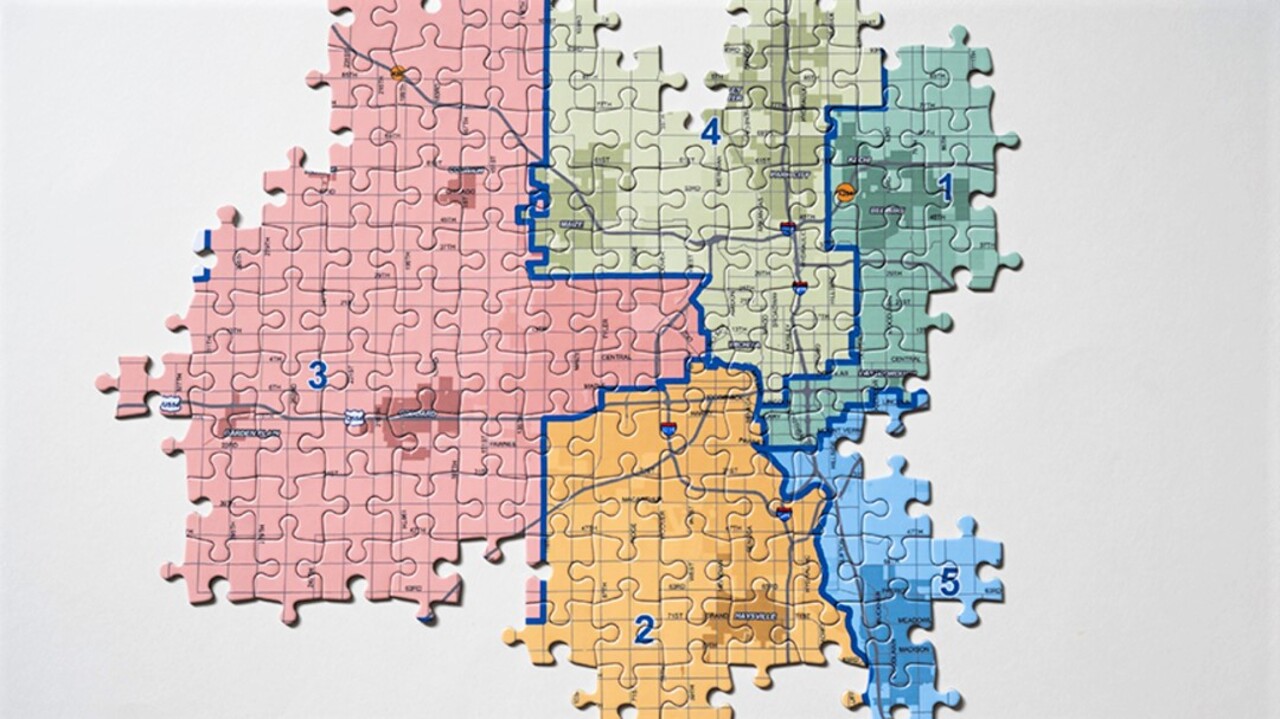
At its best, redistricting can ensure government’s elected officials reflect the diversity of the community they represent. At its worst, it can disenfranchise minority voters and rig the political system.
This year, Sedgwick County commissioners will redraw district boundaries for a county that is becoming increasingly diverse, according to the 2020 Census.
The white population shrank in the past decade by 12,163 people. The Hispanic/Latino population has grown by 17,994 people in the past decade. The Black population grew by 145. And the number of people who identify as two or more races more than doubled, from 14,783 to 30,700.
Sedgwick County’s redrawn district boundaries could have major implications for groups such as Black voters and Democrats.
Black people make up 9% of the county’s population, according to a census report compiled by the Metropolitan Area Planning Department.
At present, the largest group of Black people resides in District 4, represented by Commissioner Lacey Cruse. The 14,613 Black people there make up 13% of the district.
Districts 1 and 5, represented by Commissioners Pete Meitzner and Jim Howell, have Black populations of 12% and 11%.
Black people are a small minority in the other two districts: 5% in Commissioner Sarah Lopez’s District 2 and 2% in Commissioner David Dennis’ District 3.
Two of the proposed redistricting maps — Plan 1 and Plan 5 — would redraw district lines in a way that separates Wichita’s historically Black neighborhoods east of I-135 from the rest of the urban core, placing about 40% of the county’s Black population in District 1, according to county data.
The area, with some of the county’s highest poverty rates, would be moved into a district that includes some of the most affluent neighborhoods in the county.
Diminishing the voting power of racial minorities through redistricting is prohibited by federal law. That’s not the case for political parties.
In Sedgwick County, 61% of voters registered for one of the two major parties are Republican and 39% are Democratic. From 1953 to 1998, neither major political party controlled the county commission for more than eight years at a time.
But for 15 of the past 23 years, Republicans have held 80% or more of the county commission seats, including a two-year stint of complete control in 2017 and 2018.
Part of that advantage comes from the district boundaries. All five of the existing commission districts include more registered Republicans than Democrats.
The GOP stronghold has recently loosened after two Republicans embroiled in controversy were defeated by Democratic challengers.
Redistricting offers a rare opportunity to make county elections more competitive in the next decade. But that would require Republicans, who own a 3-2 majority on the commission, to vote against their party’s interest in maintaining power.
This story was originally published November 14, 2021 at 5:00 AM.