Appeals court denies qualified immunity for juvenile detention officers in Lofton suit

READ MORE
Death of Wichita teen at Sedgwick County facility
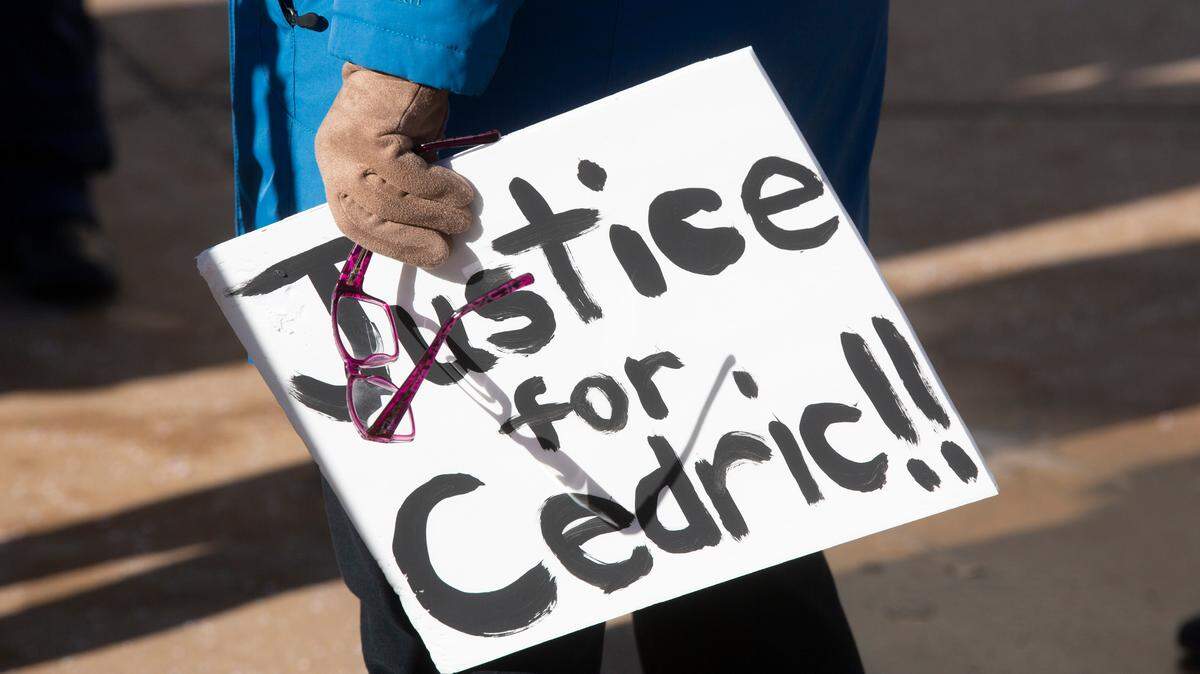
Cedric Lofton’s foster father called authorities in September 2021 seeking help because the 17-year-old was hallucinating and needed to go to a mental health facility. Instead, police took him to the Sedgwick County Juvenile Intake and Assessment Center, where he had to be resuscitated after he was held facedown for more than 30 minutes during an altercation. He died two days later.
Expand All
A federal appeals court denied qualified immunity to five Sedgwick County juvenile detention officers involved in the 2021 death of 17-year-old Cedric “CJ” Lofton at the Juvenile Intake Assessment Center.
The officers asked the court to dismiss them from the case based on a legal defense that shields government employees from liability so long as their conduct “does not violate clearly established statutory or constitutional rights.”
The officers argued that they should receive qualified immunity in the lawsuit stemming from the death of Lofton because their decision to keep him in a prone restraint for nearly 40 minutes until he became unresponsive was not excessive and, even if it were, the officers had not been put on notice that subduing someone in a prolonged prone restraint was unconstitutional. They also argued the use of force was reasonable because Lofton was resisting, struggling, and hurling insults and death threats.
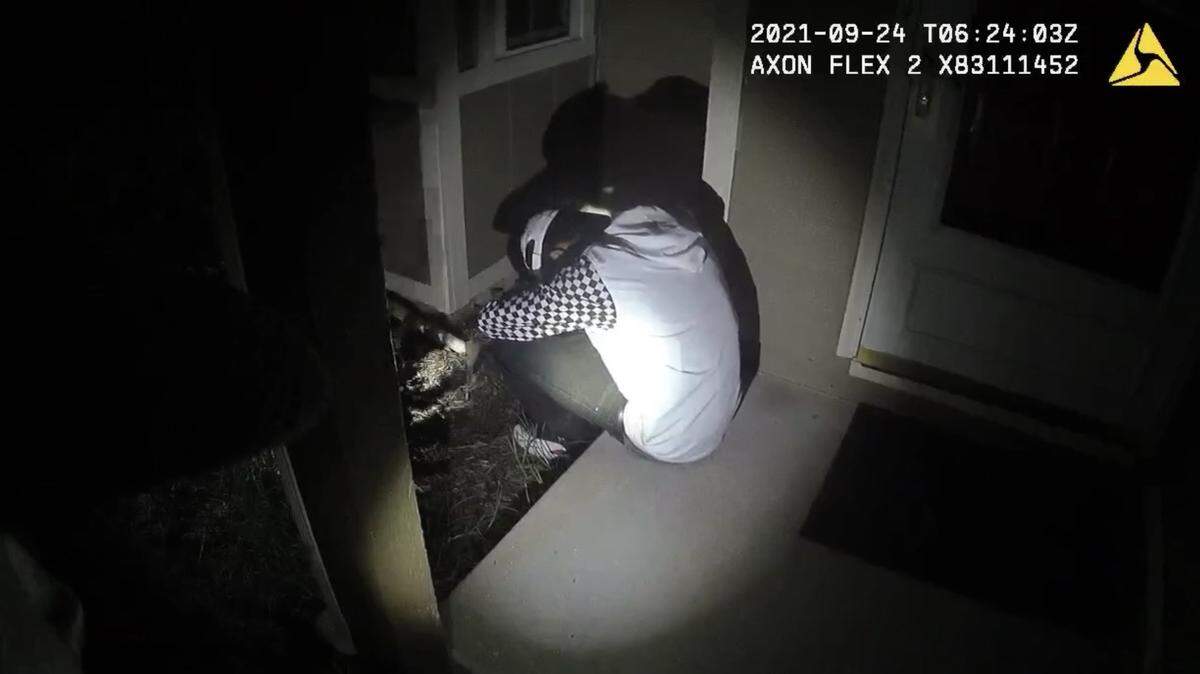
Wichita police took Lofton, who was in the throes of a mental health crisis, to JIAC after he refused to go voluntarily to a hospital for a mental evaluation and resisted officers when they tried to force him off his foster home’s porch and into a police cruiser. Police later changed answers on an intake form that would have required a medical clearance before he could be admitted to the juvenile facility.
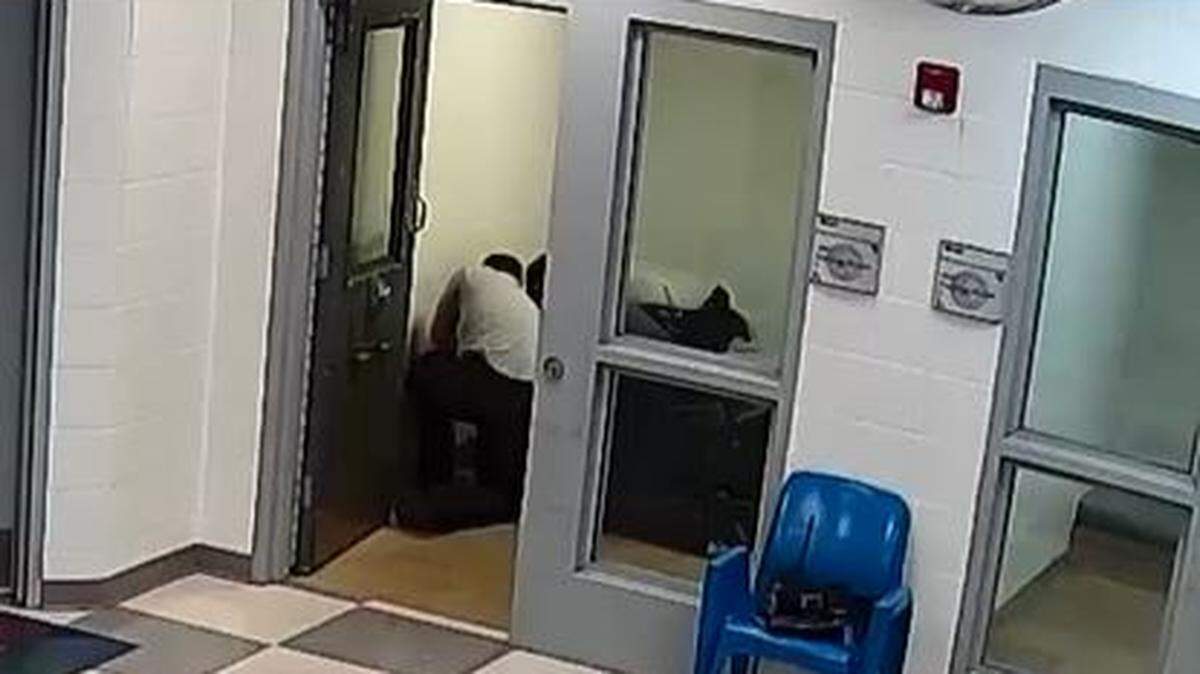
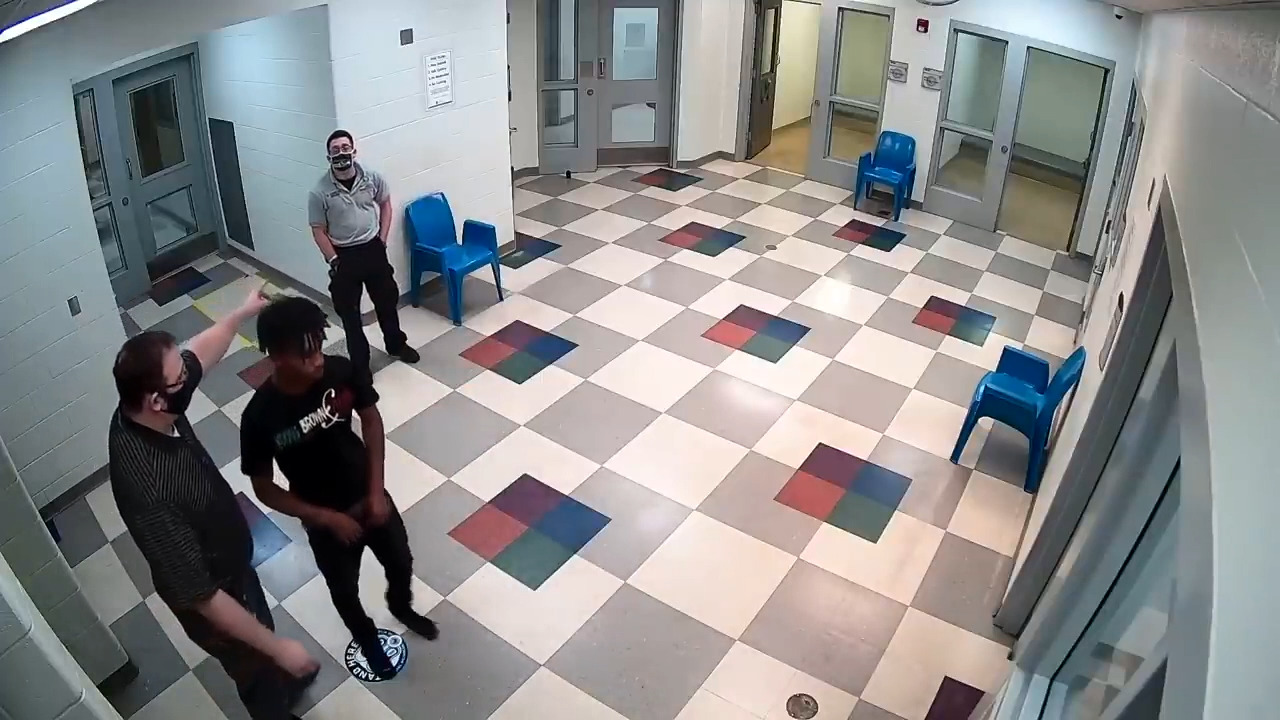
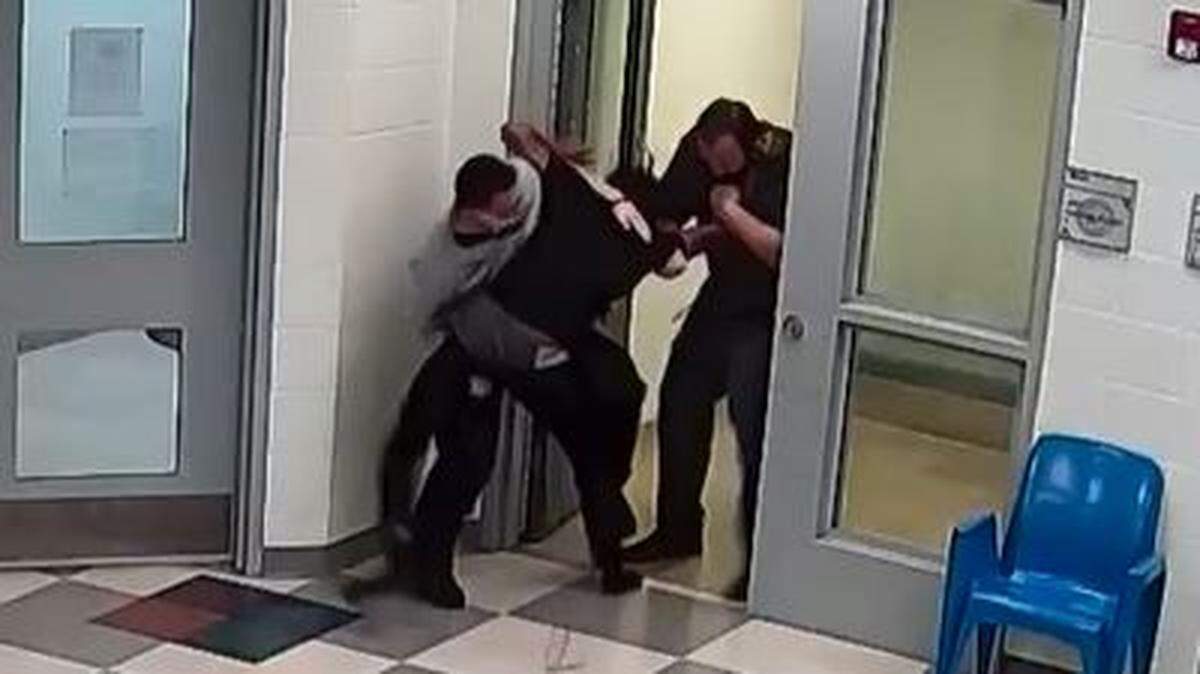
Once at JIAC, Lofton and two of the officers got into a physical altercation in the lobby of the facility. The officers physically overpowered the 135-lbs teen and moved him to the corner of a holding cell that had limited visibility from the lobby’s surveillance cameras. Other officers later arrived and helped restrain Lofton inside the cell and applied leg shackles while pinning his body to the hard floor.
The officers argued that the surveillance footage was inconclusive because it does not have audio and because the entire struggle is not visible. The 10th Circuit Court of Appeals disagreed, saying a jury should ultimately decide whether the video evidence shows the officers had enough control of Lofton to stop using prone restraint.
A panel of three judges from the 10th Circuit Court of Appeals ruled that a reasonable jury could find the continued use of a prone restraint was unreasonable, constituting excessive force. The decision, written by Judge Carolyn McHugh suggested the officers went beyond excessive force, saying the use of prolonged prone restraint after Lofton was already subdued “constitutes deadly force,” which is legally justified only under limited circumstances.
Lofton’s brother, Marquan Teetz, is suing William Buckner, Karen Conklin, Benito Mendoza, Brenton Newby and Jason Stepien in federal court for excessive force and failure to intervene for restraining the teen in the prone position for over 40 minutes until his heart stopped beating. He was later resuscitated but never regained consciousness. He died two days later in the hospital, his death later ruled a homicide.
Teetz’s lawsuits argued that the dangers of prone restraints had been known for decades and that the county’s own training program cautioned against prolonged use. The panel agreed, ruling that by 2021 the officers “were on clear notice that the use of a prolonged prone restraint of a subdued juvenile constituted excessive force.”
The ruling noted that the district court found that for at least 12 minutes during the restraint, which was caught on surveillance video with no audio and limited coverage inside Lofton’s cell, Lofton was “no longer meaningfully resisting” and the officers “had sufficient control over him.”
“At that point, a reasonable officer would have perceived the threat had passed and that the use of deadly force was no longer reasonable,” McHugh wrote.
“Instead, five officers continued to subject Mr. Lofton to a prone restraint while his legs were restrained and he appeared not to move for prolonged periods. In total, Defendants subjected Mr. Lofton to the prone restraint for at least thirty minutes. This is far more egregious than the three-minute prone restraint we held was unconstitutional deadly force” in a separate case.
“We therefore conclude Defendants violated Mr. Lofton’s Fourth Amendment rights not just by using excessive force, but by using deadly force well past the point a reasonable officer would have perceived any serious threat to his physical safety had passed,” McHugh wrote.