Appeals Court panel hears arguments over qualified immunity in CJ Lofton’s death

READ MORE
Death of Wichita teen at Sedgwick County facility
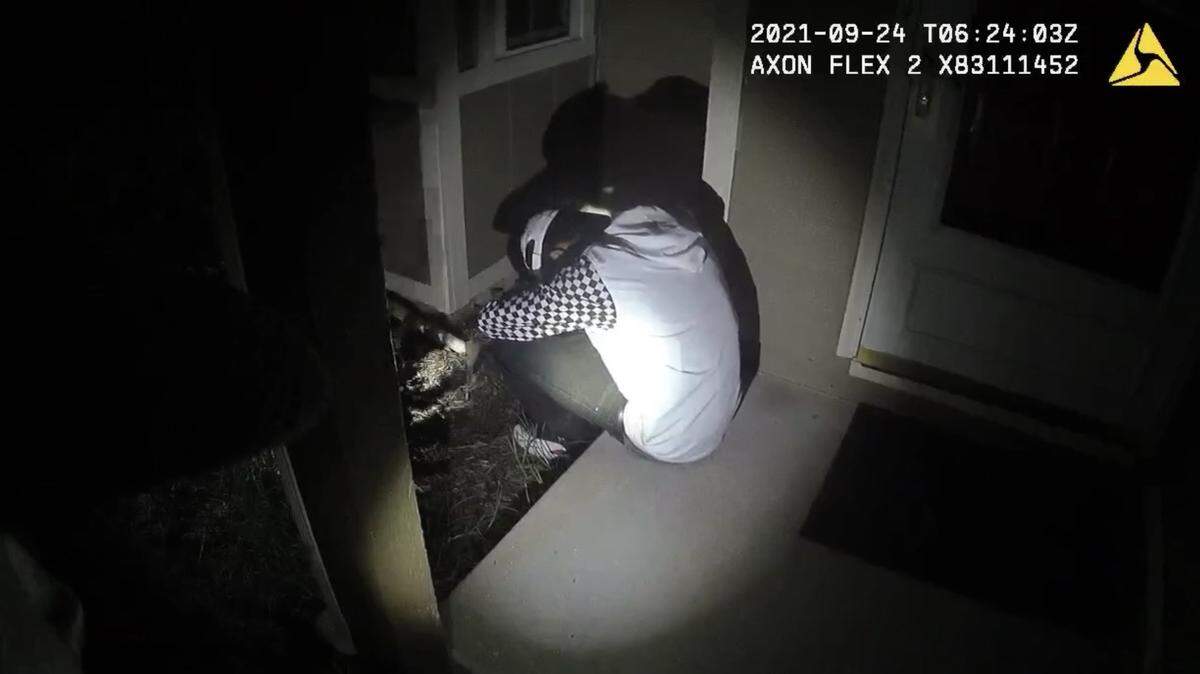
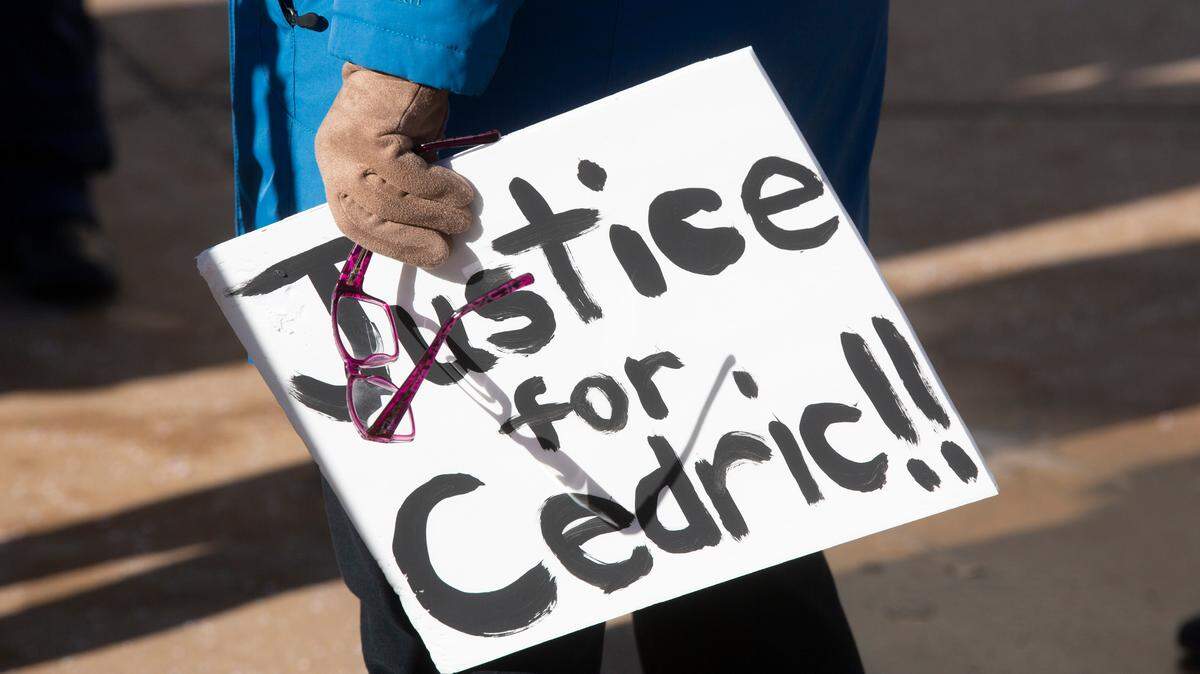
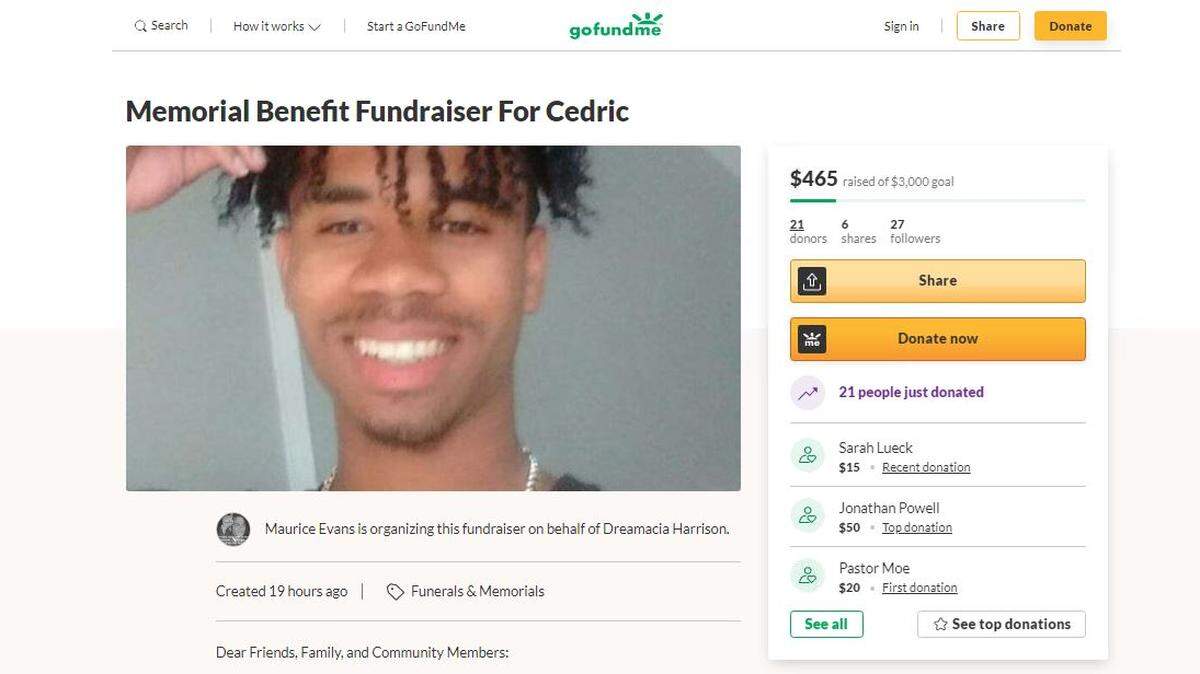
Cedric Lofton’s foster father called authorities in September 2021 seeking help because the 17-year-old was hallucinating and needed to go to a mental health facility. Instead, police took him to the Sedgwick County Juvenile Intake and Assessment Center, where he had to be resuscitated after he was held facedown for more than 30 minutes during an altercation. He died two days later.
Expand All
A three-judge panel from the 10th Circuit U.S. Court of Appeals appeared unconvinced Friday that five Sedgwick County juvenile detention officers should be immune from an excessive force lawsuit in the 2021 death of 17-year-old Cedric “CJ” Lofton.
The county officers were appealing an Oct. 3 ruling by Eric Melgren, chief judge of the U.S. District Court of Kansas, who denied the officers’ petition to dismiss all claims against them, saying that a jury must decide who to believe about what happened inside a small cell at the Juvenile Intake and Assessment Center.
Wichita police arrested Lofton, a 17-year-old foster child in an apparent mental health crisis, and took him to the Juvenile Intake and Assessment Center in September 2021 after he refused to voluntarily go to the hospital for a mental health evaluation and resisted multiple officers’ attempts to remove him from the porch of his foster home.
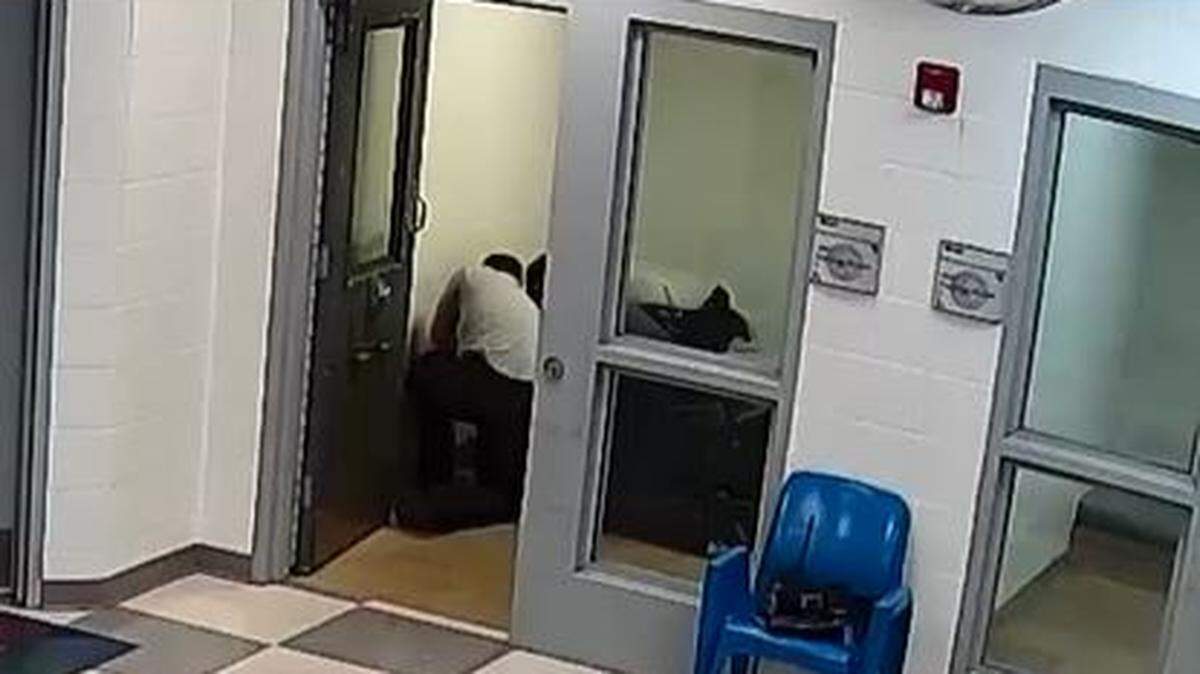
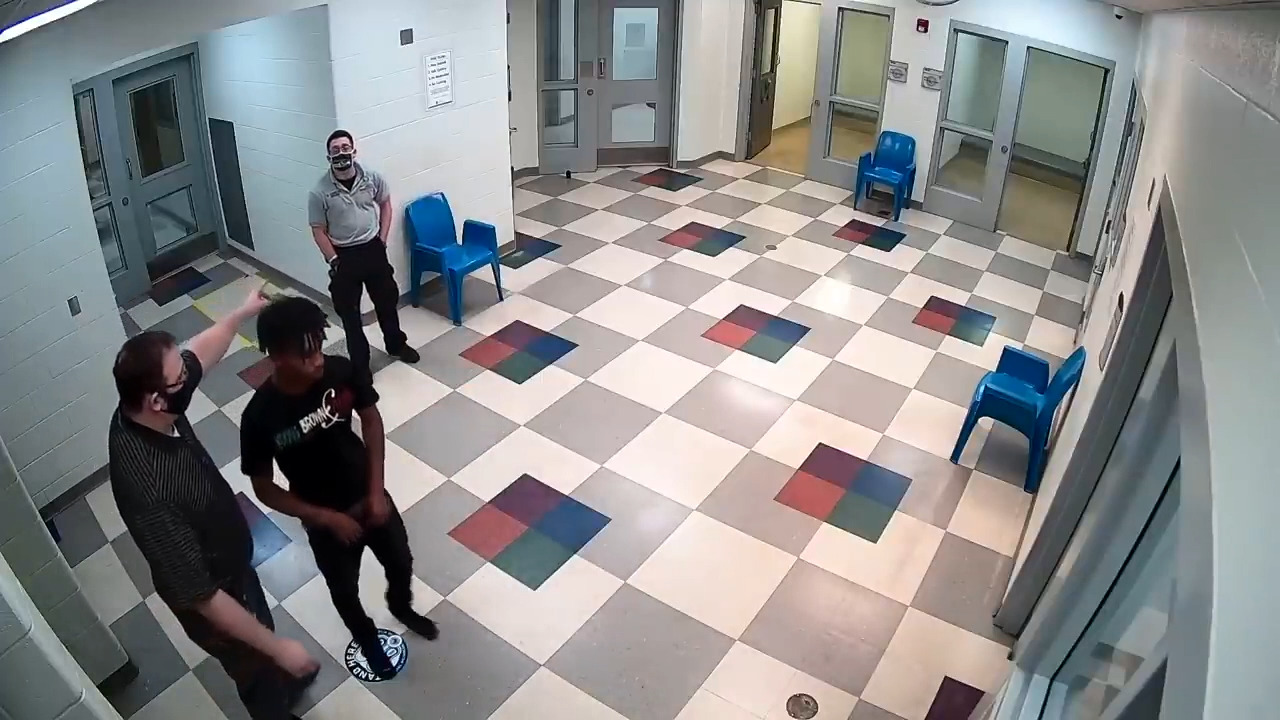
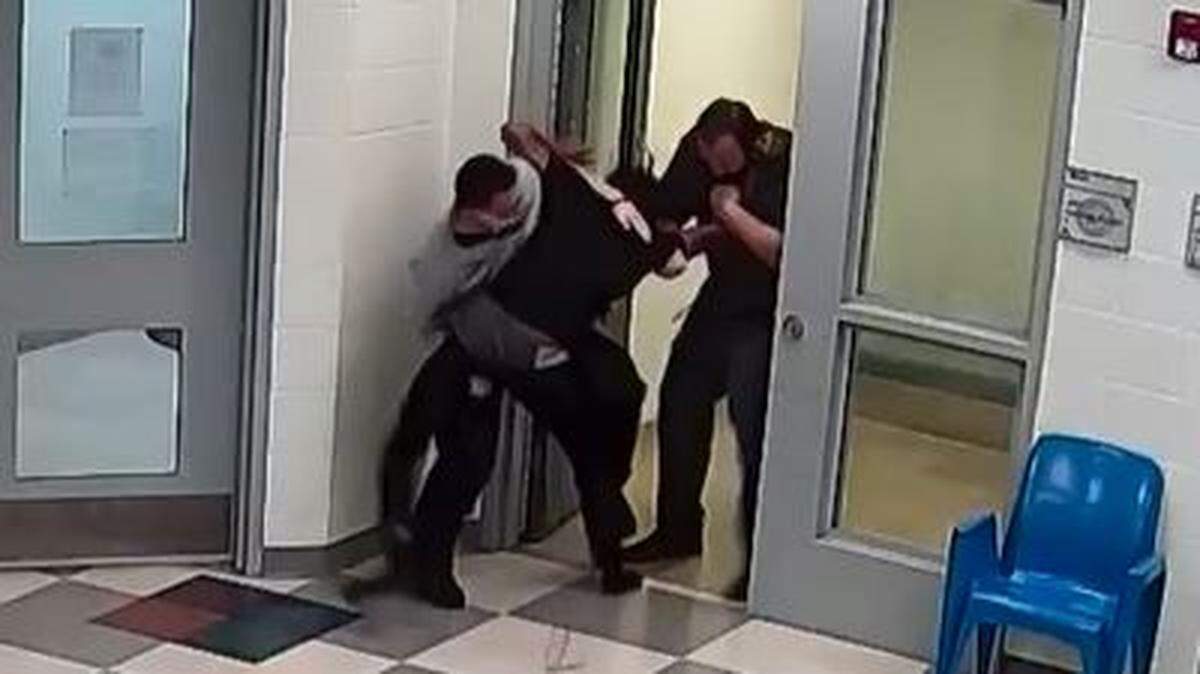
After Wichita police left Lofton at JIAC, he got into a physical altercation with two juvenile corrections officers, who grabbed him and wrestled him to the ground in the corner of a holding cell that lacks full surveillance camera coverage.
They called for backup. Eventually, five Sedgwick County juvenile detention officers were involved in the struggle and held Lofton on the floor in the prone position for nearly 40 minutes until he went into cardiac arrest and died.
Surveillance cameras — with no audio — captured much of the encounter. While Lofton is not visible during much of the video recording, the officers can be seen moving and holding Lofton against the ground.
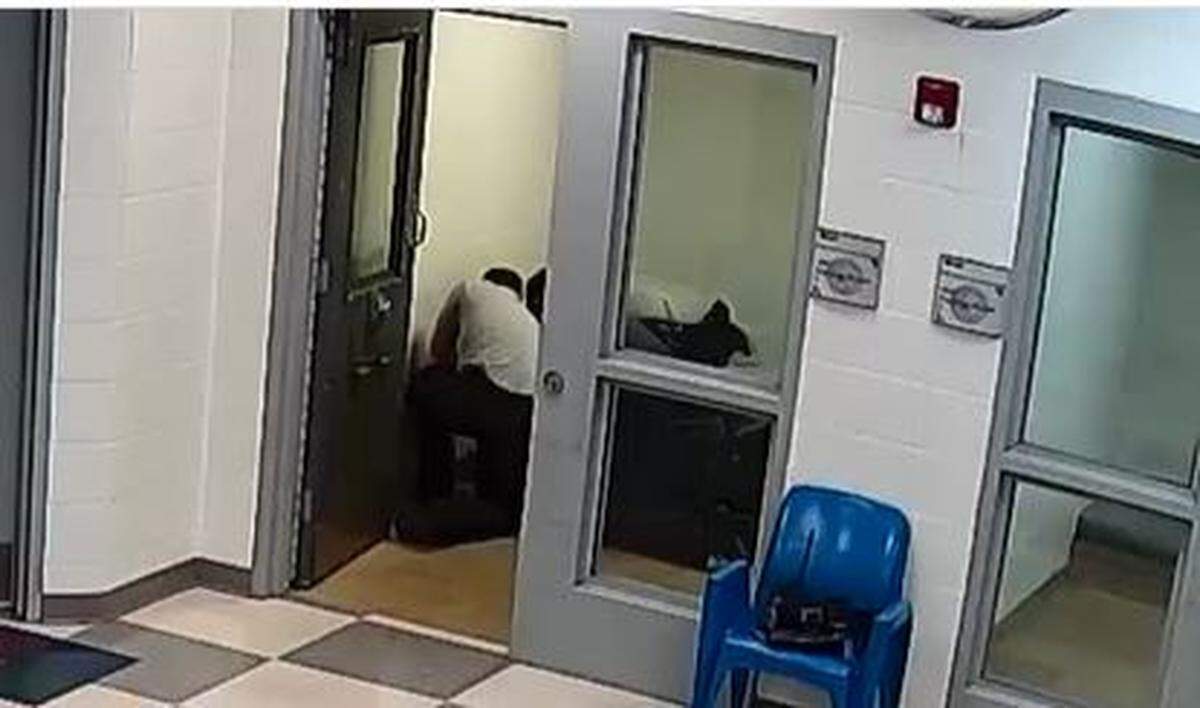
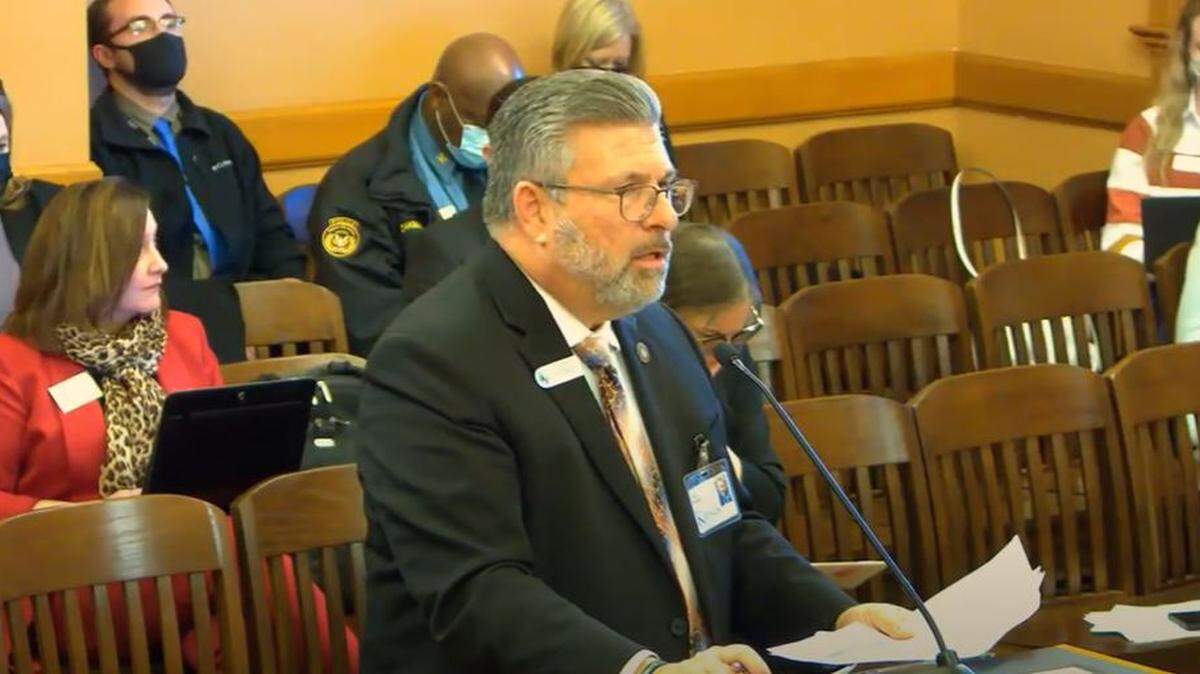
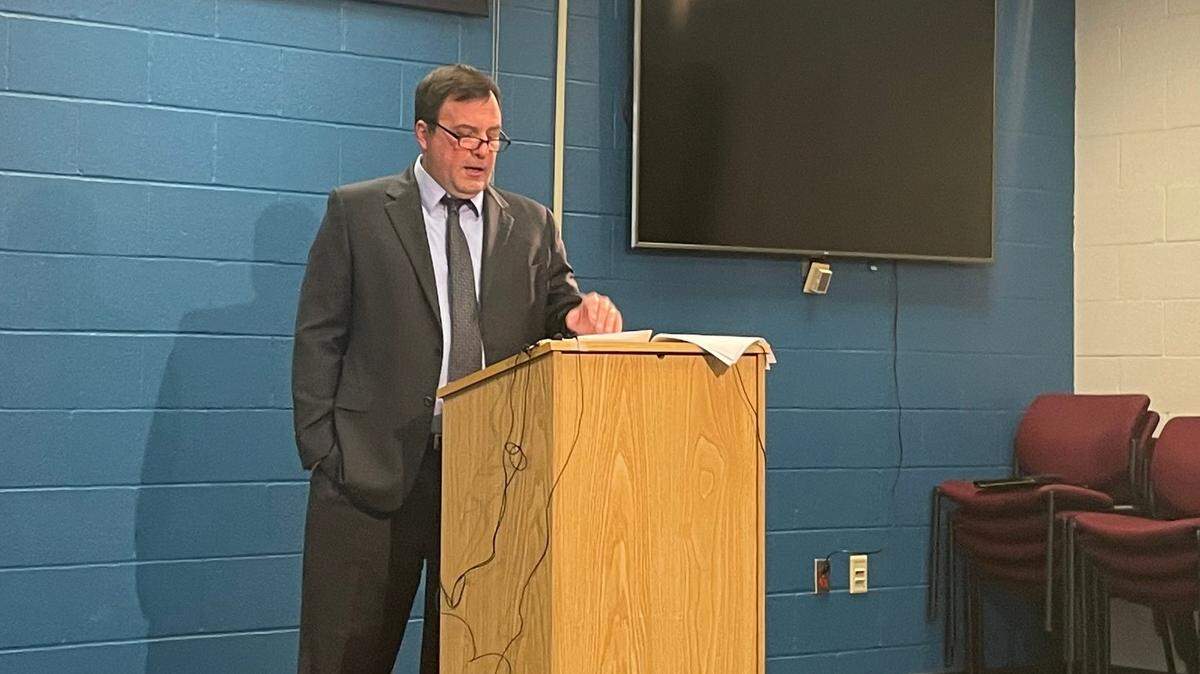
The county’s lawyer argued Friday that the five officers — William Buckner, Karen Conklin, Benito Mendoza, Brenton Newby and Jason Stepien — did not violate a “clearly established constitutional right” by holding Lofton in a prone position.
“If Lofton had been lying there, as this made up narrative says, without doing anything, he’d be alive,” Jeffrey M. Kuhlman, a lawyer for the county officers, told the panel. “He wouldn’t have died. He only died because he was fighting and because he was in an air deficit.”
Kuhlman also said the video is inconclusive about whether Lofton continued to struggle and threaten officers while in the prone restraint, so the officers should be granted qualified immunity. Melgren’s ruling was that a jury — not a judge — should decide whether the officers used excessive force.
Judge Richard Federico questioned the logic behind Kuhlman’s argument. He said the appeals court can only overturn the district court’s factual findings if there is a “blatant contradiction” between the evidence in a case and the facts relied upon by a district judge to issue a ruling.
“I read your brief to say, ‘Well, the video is inconclusive.’ But inconclusive is not the same thing as a blatant contradiction,” Federico said.
“All the officers testified about Lofton that the whole time they’re in there (in the cell), they’d try to lift their hands up, and he would try to get loose again,” Kuhlman said.
At that point, Judge Carolyn McHugh interjected and called into question the credibility of the county officers.
“They also testified they didn’t put any weight on him,” McHugh said. “And yet he’s got injuries that make it pretty clear that they put weight on him.”
McHugh also appeared to side with Melgren that a jury should decide whether the officers acted reasonably or used excessive force.
“You’ve got the officers saying, ‘Oh, he was resisting the whole time, and we had to have all of us on top of him,” McHugh said. “But when you watch that video, there are periods of time when they’re actively restraining him, there are other periods of time — and they are long periods of time — when they’re just sitting there. And sometimes people are coming in and out of the room, and I think the reasonable jury can look at that and say they didn’t need all those people sitting on him for that entire time.”
Kuhlman, the officers’ lawyer, said they had no other recourse than to hold Lofton, who weighed 135 lbs, until he stopped moving because they lacked less-lethal weapons and he was “incredibly strong” and “fighting like heck.”
McHugh pressed Kuhlman on what level of force he thought was justified given a teenager who is held down by officers but struggling and making verbal threats.
“Would it have been OK for one of the officers to pull out a gun and shoot him?” McHugh asked.
“No,” Kuhlman said, “because he wasn’t a grave threat of bodily harm to them.”
“And that’s deadly force, right?” McHugh said. “Since George Floyd, we’ve known that prone restraint is deadly force. So once you’re sitting on someone and you’re doing a prone restraint for a long period of time, it’s not much different than pulling out your gun and shooting him.”
“I just have to disagree with that characterization,” Kuhlman said. “Some of us sleep in the prone position eight hours a day.”
“But nobody’s sitting on your back,” McHugh said.
“And you’re not constantly resisting against people while you’re laying in bed,” Kuhlman said.
The lawyer for Lofton’s family, John S. Marrase, said the evidence clearly establishes that the officers knew prolonged prone restraint was dangerous well before the George Floyd murder, with government agencies issuing warnings as early as the 1990s. The county’s own training program warns against it.
“The nature of the resistance — it is essential to look at that, to determine whether or not the use of force in response is proportional,” Marrase said. “They knew their use of force here was lethal. It was not proportional.”
He said a medical expert testified that the reason Lofton was struggling throughout the encounter was because he was trying to survive being pressed against a hard surface without being able to draw enough oxygen to keep up with his body’s oxygen needs.
“We are talking about the most egregious prone restraint — five officers on an individual, a juvenile in mental distress — documented, in the country, in case law. We’ve all cited cases there’s no case approaching it.”
A ruling in the case is expected later this year.
This story was originally published April 11, 2025 at 5:59 PM.