Fatal decision: Wichita police changed answers on form to leave Lofton at lockup
By Chance Swaim and
Matthew Kelly
READ MORE
Death of Wichita teen at Sedgwick County facility
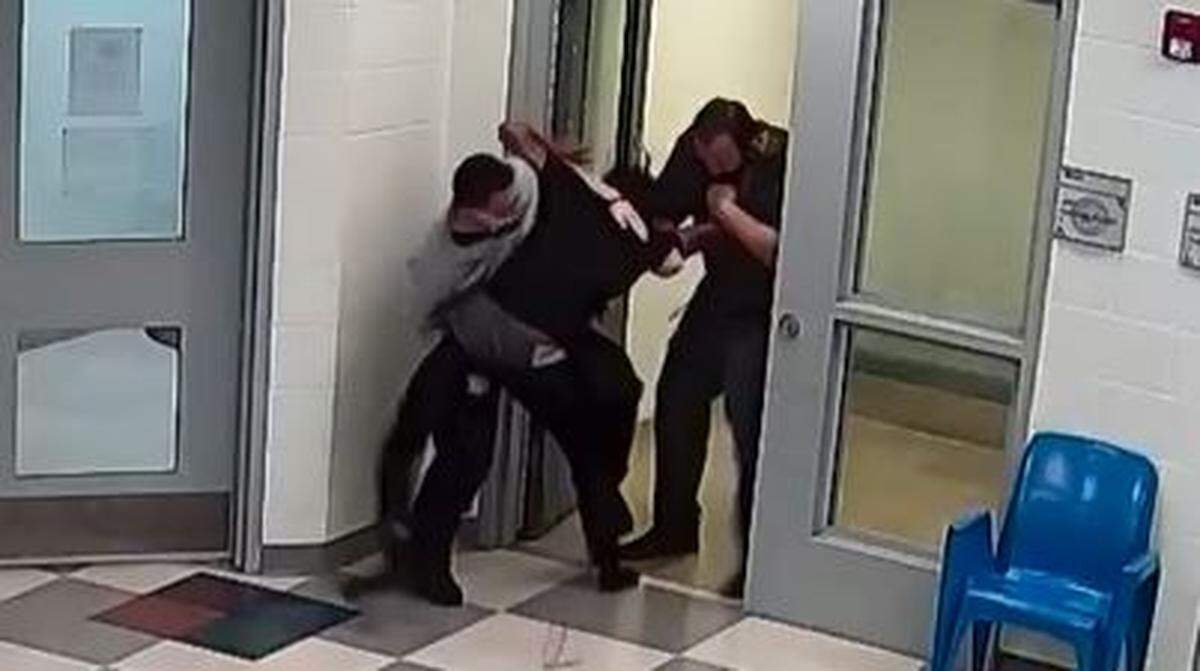
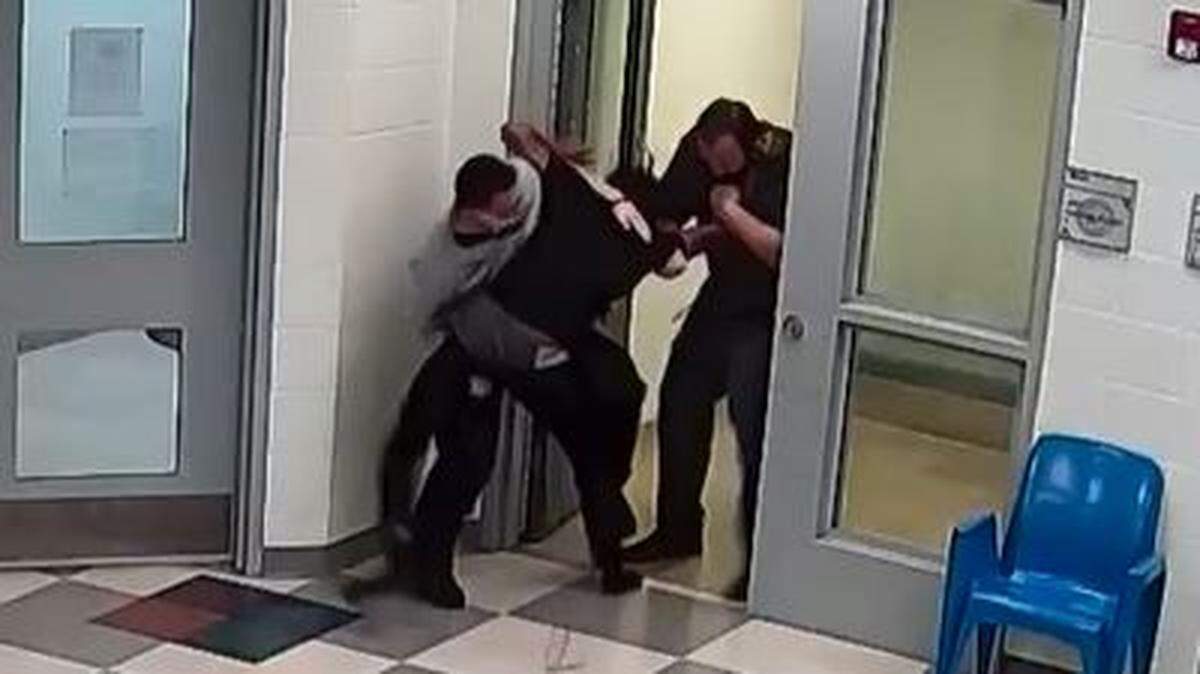
Cedric Lofton’s foster father called authorities in September 2021 seeking help because the 17-year-old was hallucinating and needed to go to a mental health facility. Instead, police took him to the Sedgwick County Juvenile Intake and Assessment Center, where he had to be resuscitated after he was held facedown for more than 30 minutes during an altercation. He died two days later.
Expand All
A single checkbox on an officer release form could have saved 17-year-old Cedric “CJ” Lofton’s life.
The teen’s foster father had called 911 requesting a mental health evaluation for Lofton. Instead, he was arrested and taken to juvenile lockup.
There, a Wichita police officer changed his answers on the form after learning that the boxes he had checked would require police to take Lofton to a hospital.
The Black foster child who appeared to be struggling with mental illness was booked into the Sedgwick County Juvenile Intake Assessment Center, where he was killed by being held face down for more than 40 minutes as county workers waited for police to return and take him to a hospital.
Reporting by The Eagle shows that police may have deliberately bypassed a safeguard meant to keep vulnerable juveniles out of lockup. It also raises questions of pro-police bias by the state’s top law enforcement agency. A KBI agent who was later removed from the case failed to ask officers about the changed form.
The changed answers were disclosed at a recent meeting of the Sedgwick County Taskforce to Review Youth Corrections Systems. More details emerged in documents and emails obtained by The Eagle through the Kansas Open Records Act.
“What I learned after the intake is that the officer had presented this form and initially said yes, that there were signs of acute illness that appear to need immediate medical care. Yes, there were signs of intoxication with significant impairment in functioning,” Jodi Tronsgard, a county corrections administrative manager who oversees JIAC intakes, told the task force on March 7.
“...So, he was informed that if you answer ‘yes’ to these questions, you have to leave and take the youth for a medical or mental health release,” Tronsgard said. “And then, hearing that, he goes and then responds ‘no’ to these questions.”
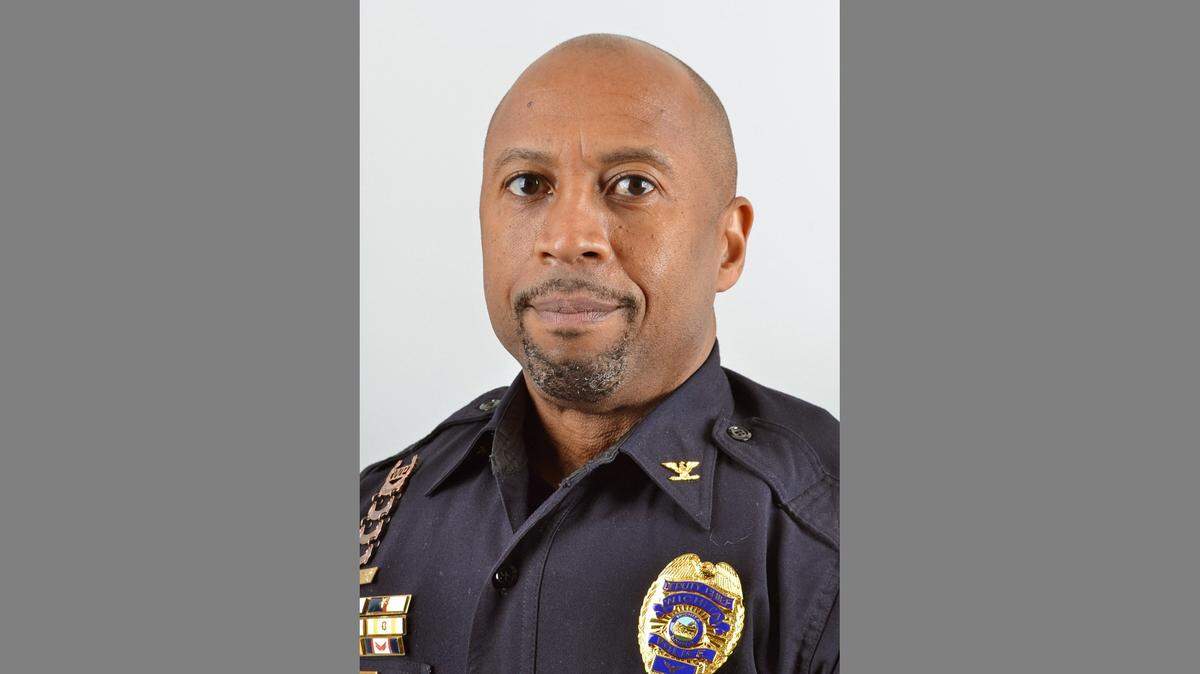
Interim police Chief Lem Moore said he wasn’t aware of the changed answers until the Eagle asked. He has ordered a “preliminary inquiry” of the case and the potentially falsified information. “If issues are found, a full investigation will be conducted,” he said.
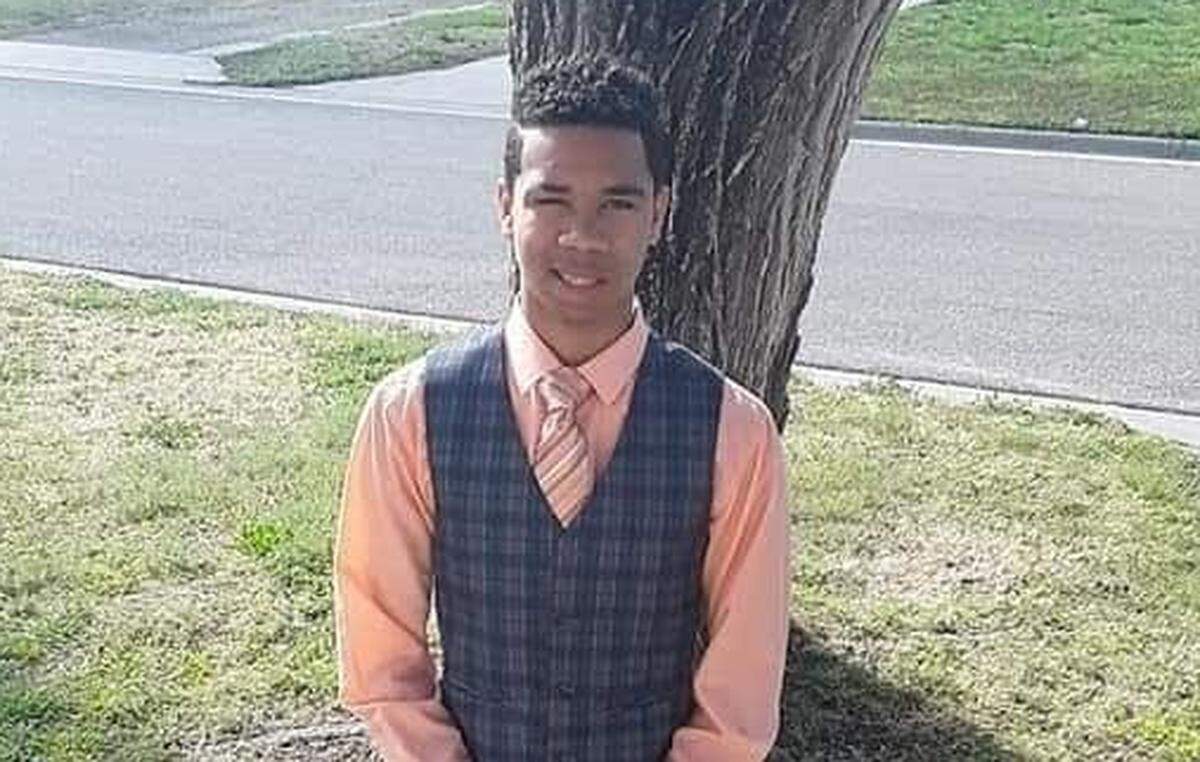
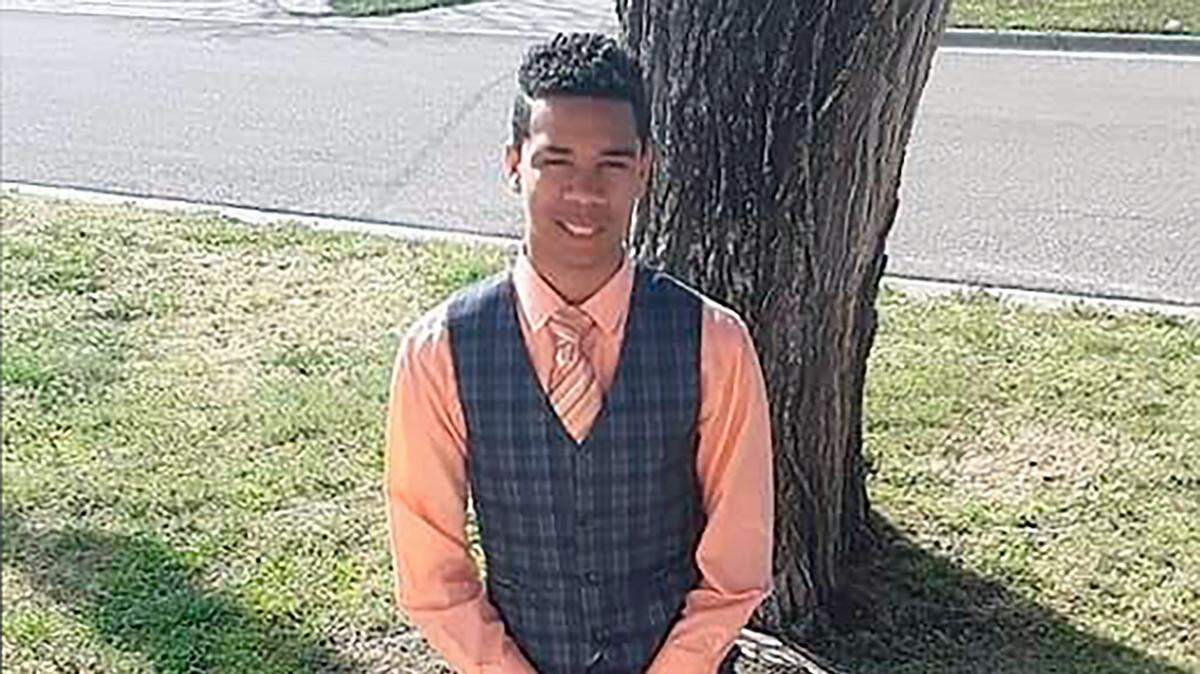
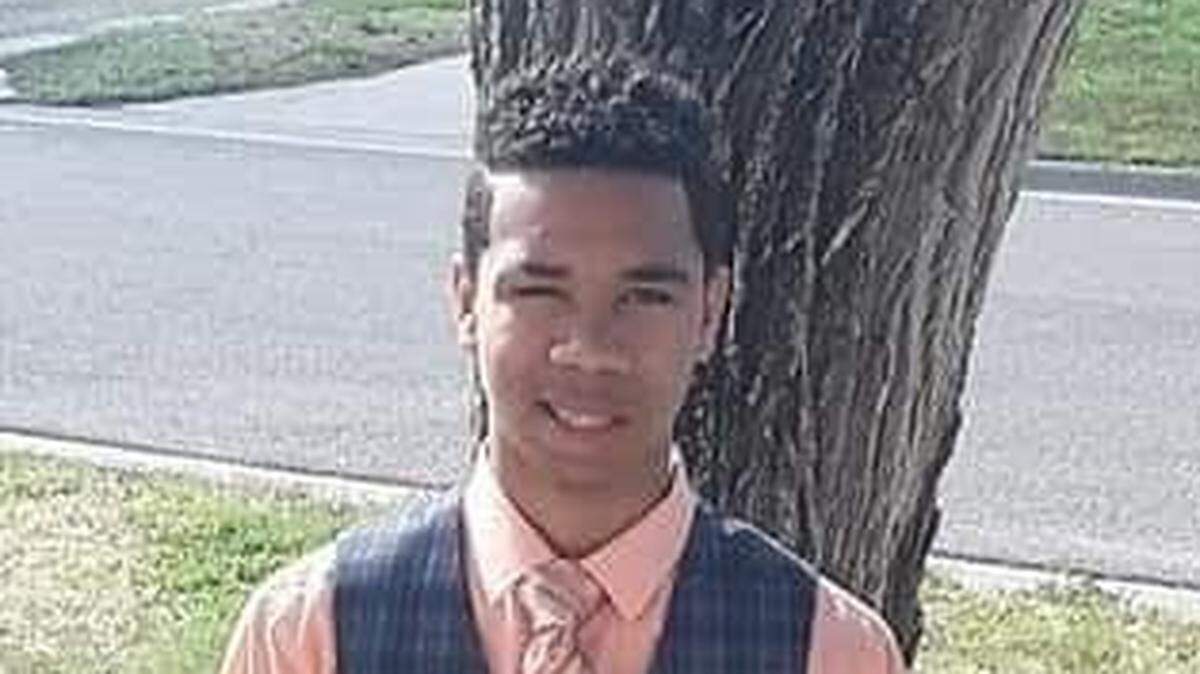
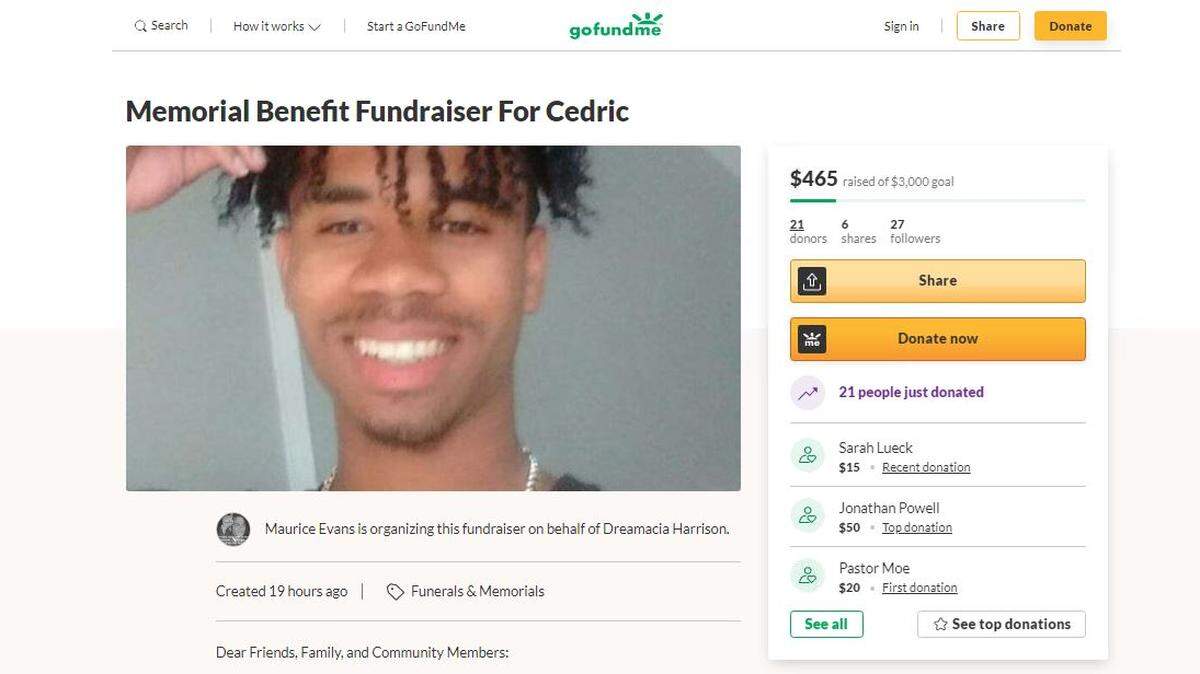
Cedric Lofton died a day before his 18th birthday after losing consciousness in Wichita’s juvenile intake facility. Courtesy of the family
‘Yes,’ ‘no,’ ‘I don’t know’
Lofton’s entry at the assessment center hinged on six checkboxes on an officer release form, a state-mandated document. A “yes” on any of the boxes prompts law enforcement to seek a medical evaluation.
County officials, family members, juvenile advocates and at least one Wichita police officer on the night of the arrest said Lofton should have been taken to a hospital for an evaluation.
At issue is whether Wichita police believed Lofton showed signs of intoxication, appeared to need immediate medical care or had taken any drugs or substances that posed a significant and immediate health risk.
On the morning of Lofton’s fatal restraint, Wichita police officer Ryan O’Hare initially checked “yes” on three out of the first four boxes on the form, indicating Lofton needed immediate medical attention.
Tronsgard said O’Hare seemed conflicted about how to respond to the prompt asking if he had reason to believe Lofton took medications or illicit drugs that pose a “significant and immediate health risk.”
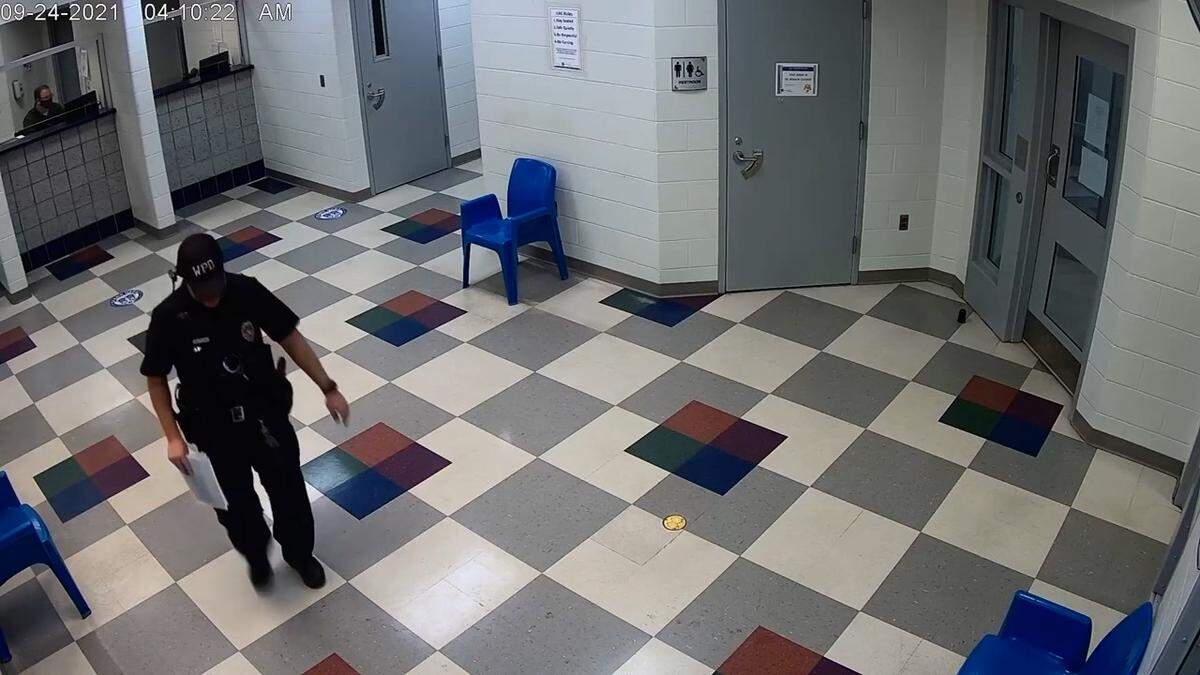
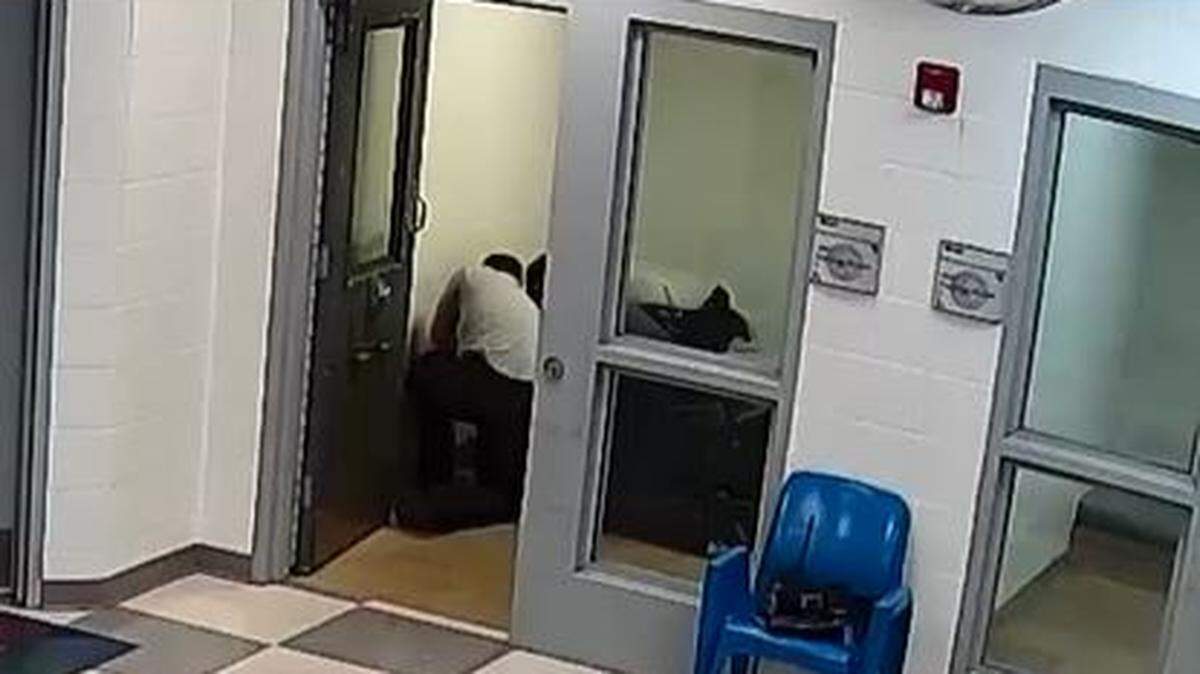
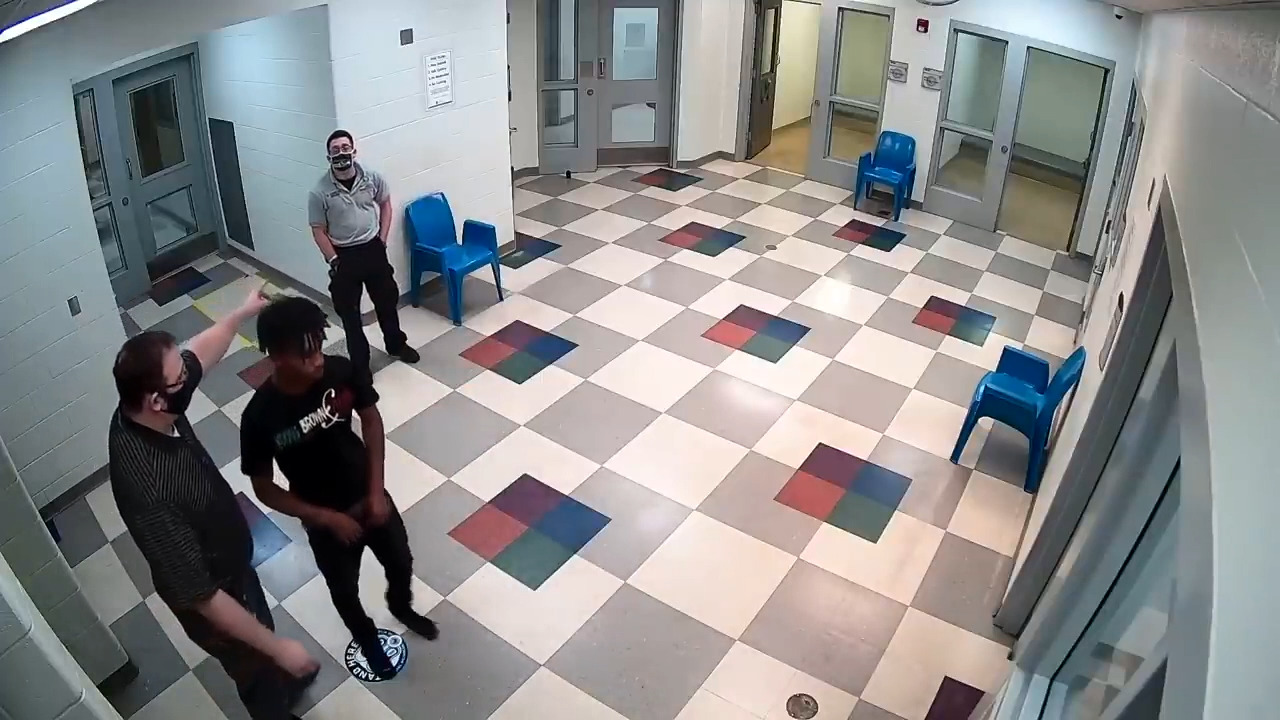
A screenshot of a video taken on Sept. 24, 2021at JIAC. It shows Wichita police officer Ryan O’Hare leaving to confer with other officers after filling out the officer release form. When he returned he changed his answers on the form.
“He said ‘yes,’ ‘no’ and ‘I don’t know,’” Tronsgard told task force members. “Then the officer says, ‘Hold on a second. I’m kind of new,’ meaning I’m new on the force and I need to go talk to them, referring to the officers who were still in our LEO (law enforcement officer) room.”
Tronsgard said the JIAC intake specialist gave O’Hare a copy of the officer release form before he left to confer with the other Wichita officers.
After meeting in a room with other officers at the JIAC facility, O’Hare changed all of the answers to “no.”
The new answers allowed Lofton to be booked without a doctor’s approval.
O’Hare attested that Lofton had no signs of physical injury, no signs of acute illness, no signs of intoxication with significant impairment, no medications, illicit drugs and/or substances in his system that posed a significant and immediate health risk, and no warning signs and symptoms for suicide. He also checked a box confirming Lofton had not been tased.
It’s unclear whether O’Hare was directed to change his answers by anyone. O’Hare did not respond to a request for comment through the department.
The exchange between officers was not included in the seven hours of police body camera footage released to the public from that morning.
“When the officer returns, what was reported is that the officer says, ‘We are going to go with no,’” Tronsgard said.
Those answers are inconsistent with what law enforcement said before and after Lofton’s death. Providing false answers on that form could be grounds for criminal charges.
Jazmine Rogers, a task force representative from the juvenile justice reform organization Progeny, said it’s suspicious that the WPD conversation about the officer release form was not included in police body cam footage.
“There’s no reason we shouldn’t be able to see it, especially now that JIAC staff have identified a very important conversation that took place during that hour of footage that very well could have meant, had that conversation gone a different way, CJ would have been taken to St. Joe,” Rogers said.
It’s unclear if police were still filming during the conversation that prompted O’Hare to amend Lofton’s officer release form.
In an email obtained by The Eagle, Sedgwick County District Attorney Marc Bennett said he was unable to file criminal charges against the Wichita police officer because he could not prove the officer intentionally lied on the form.
But Bennett was missing information that could have helped him determine why the officer decided to change his answers, The Eagle found. Bennett, who also did not file charges against the corrections officers who restrained Lofton, citing the state’s “stand your ground” laws, said he is willing to review any new information in the case.
Steven Hart, a Chicago-based civil rights attorney representing Lofton’s family, said he didn’t know the police changed answers on the release form until The Eagle asked him about it.
“That is the most disgusting display of a lack of professionalism — or care,” Hart said. “Essentially, it was easier for them to drop him off than do what they knew was necessary and right.”
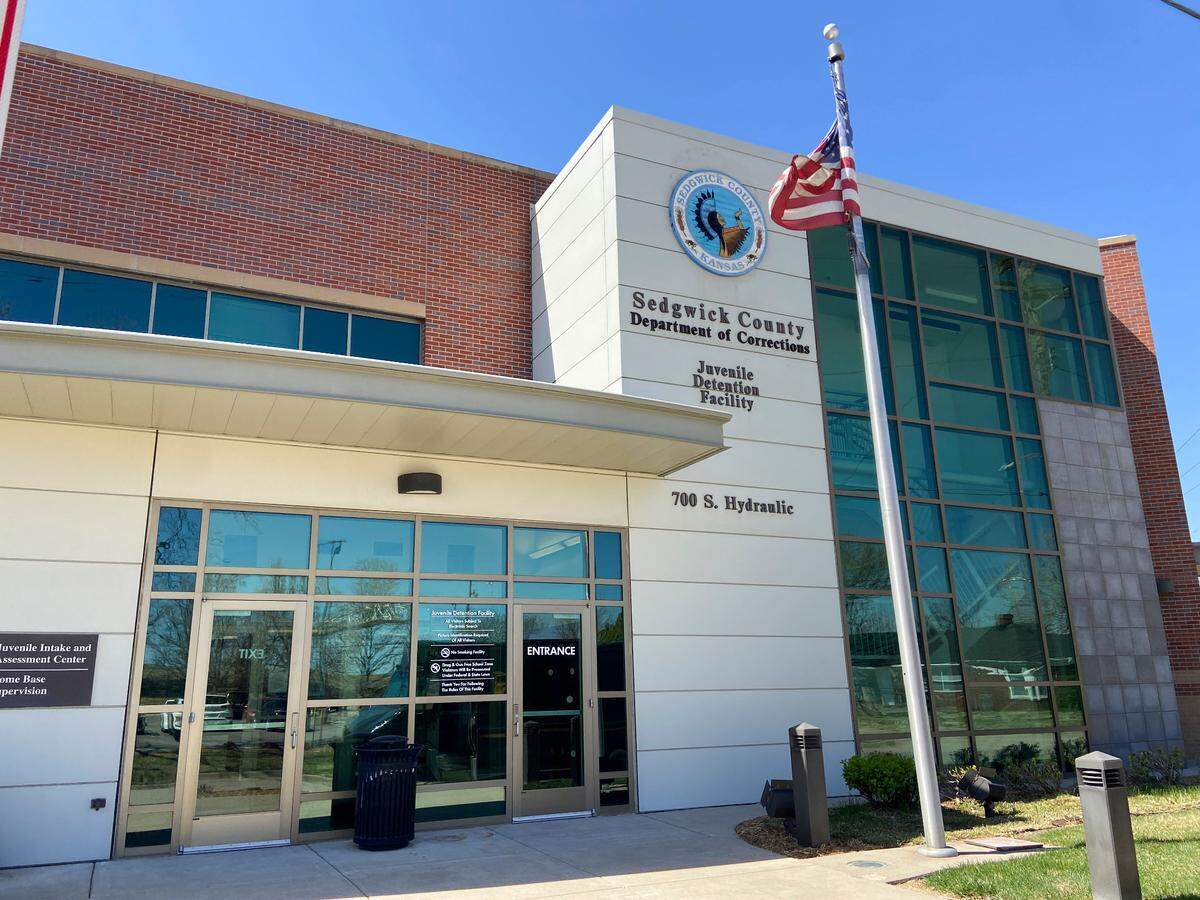
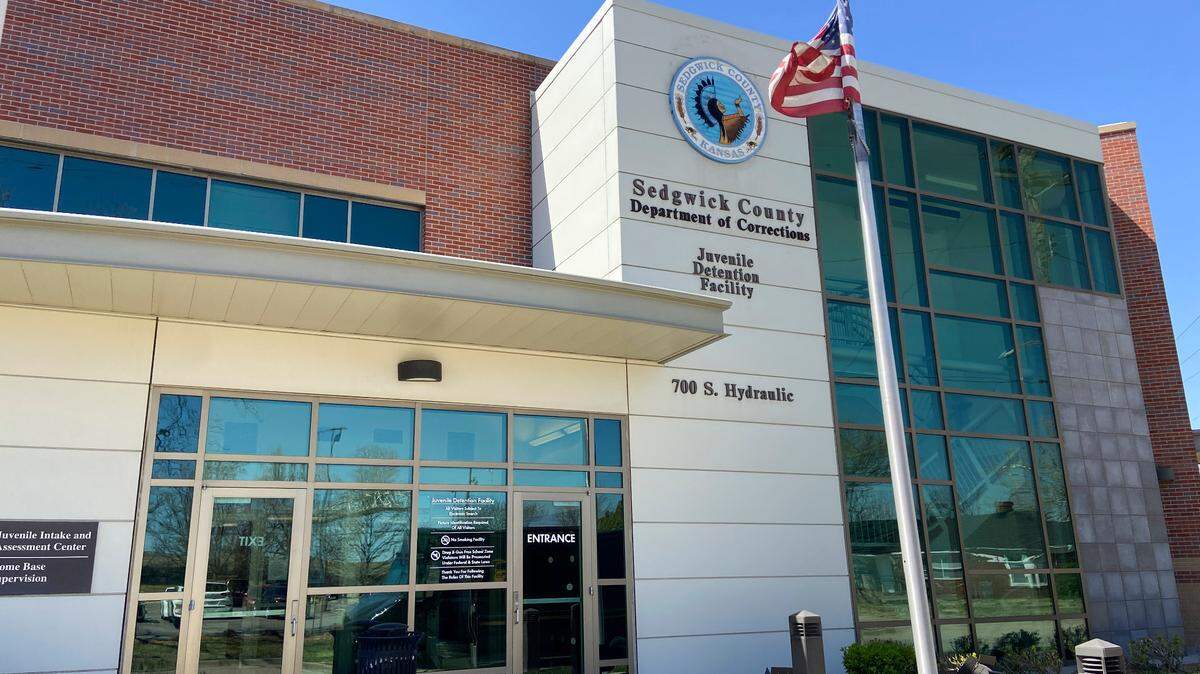
The Sedgwick County Department of Correction’s Juvenile Intake and Assessment Center, at 700 S. Hydraulic, has a police release form that says youth cannot be accepted if they are in need of immediate medical care or under the influence of drugs. Jaime Green The Wichita Eagle
No charges, scant evidence
The meeting between officers in a room at JIAC was not included in body camera footage released by the city to the public and the district attorney. Video footage inside JIAC does not have audio.
And the KBI agent who questioned Wichita police didn’t ask why the answers were changed, Bennett confirmed.
The agent was removed from the case after Bennett raised concerns, emails show.
The KBI declined to identify the agent or say why he was removed, other than “concerns about performance and case progress.” The agent remains employed by the KBI, a spokesperson for the agency confirmed.
The KBI also declined to explain why the Wichita police officers were not asked about the changed answers.
“We are unable to discuss investigative actions, or answer questions related to specific facts of a criminal case,” KBI spokesperson Melissa Underwood said.
After the agent was removed, the KBI reassigned the case to another agent and his team, Underwood said.
Wichita officers were not re-interviewed by investigators in the Lofton case. Underwood would not say why.
“I don’t believe they were allowed to be re-interviewed,” Bennett said in a phone interview. “Meaning, at that point, FOP (Fraternal Order of Police) had gotten them lawyers and that was the end of that.”
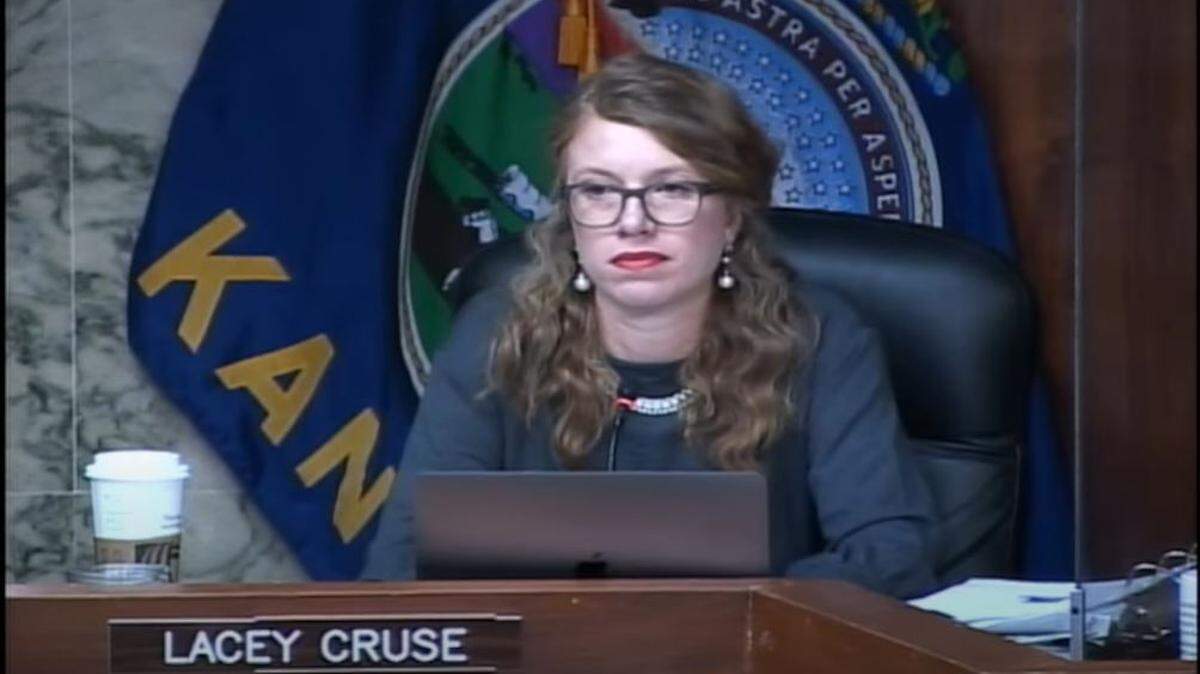
The question of pro-police bias by the KBI was first raised by Sedgwick County Commissioner Lacey Cruse in an email to Bennett. “The removal of the KBI officer who was found to have a bias towards police. Can you address what happened with this concern and why this KBI officer was removed?”
“I expressed my concern to the KBI supervisor after an initial meeting with the guy,” Bennett replied to Cruse. “Why they removed him from the case after that I can’t speculate.”
Bennett said in a phone interview that he had to rely on statements by a JIAC intake worker, who was questioned by Sedgwick County Sheriff’s Office investigators, to determine whether he could prove Wichita police intentionally lied.
“Being able to prove false information took place was going to be a tall order, especially with the description given by the JIAC worker,” Bennett said. He added that some Wichita police officers were asked why they took Lofton to JIAC instead of the hospital, and multiple officers said they did not have the necessary expertise or ability to tell whether Lofton was mentally ill or on drugs.
“The answers given were not entirely satisfactory,” he said.
For JIAC to accept physical custody, the law enforcement officer providing answers about the teen’s wellbeing must sign a statement attesting that the information is “true and correct.” On a copy of the form obtained through the Kansas Open Records Act, Officer Ryan O’Hare’s signature and badge number are included. The initials of the JIAC intake worker were redacted by the county.
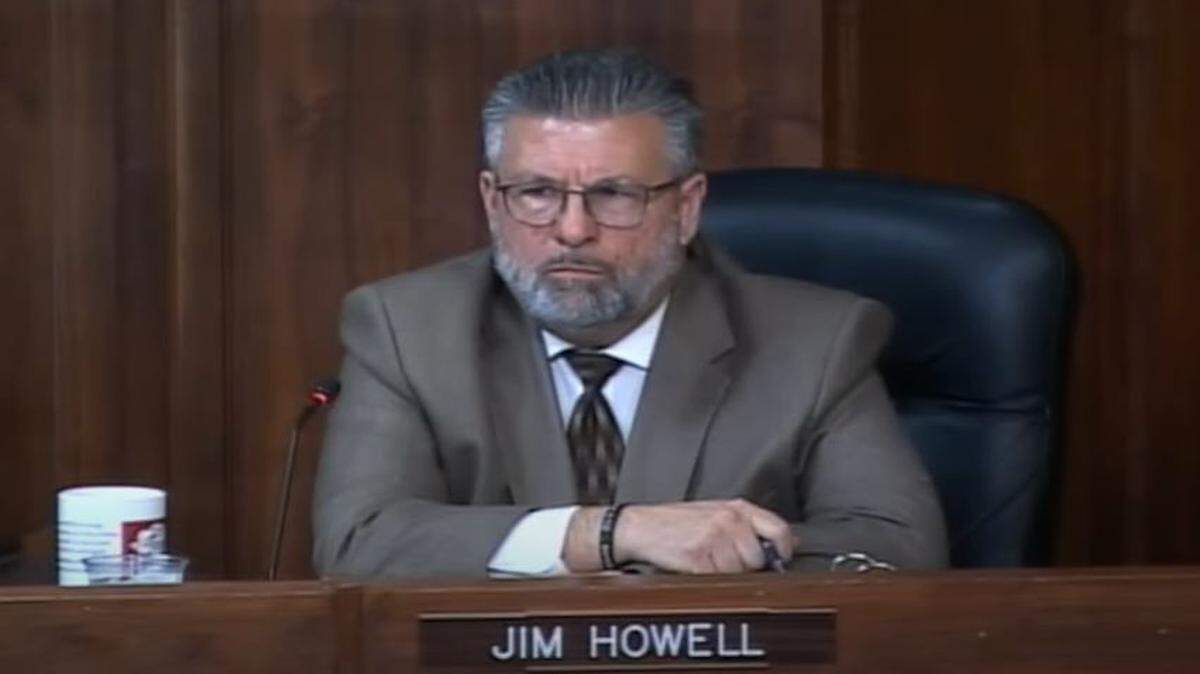
One county official, Sedgwick County Commissioner Jim Howell, told The Eagle that a JIAC worker was reprimanded for exercising bad judgment in allowing the Wichita officer to change his answers.
“One of the things that greatly bothers me is that the person who received the harshest consequences was the intake officer,” Howell said. “Apparently the county is believing it was unreasonable for him to just accept those answers as given when he had reasons to believe there were maybe more pure answers provided prior to that.”
County spokesperson Akeam Ashford would not confirm that the JIAC worker had been disciplined, citing employee privacy. The county has withheld the names of all staff who were involved in Lofton’s death.
Child in crisis
The adults in Cedric Lofton’s life agree he was in a paranoid mental state and believed people were out to get him in the month before he was fatally restrained. His foster father told investigators the teen’s erratic behavior had gotten “progressively worse” in the last two weeks.
He said Lofton had begun to describe seeing things that no one else could see. He became fearful of his foster brothers and complained that students in his class were actually robots trying to kill him.
Grief likely also played a role in Lofton’s deteriorating mental state. His foster father said that when the teen returned home from his biological grandmother’s funeral in Texas on Sept. 19, family members expressed concern that he “was having either a mental breakdown and, or he was having an onset of schizophrenia,” according to the DA’s report.
Lofton reportedly walked away from school on the afternoon of Sept. 22. When he didn’t come home, his foster father reported him as a runaway. He returned home the next day and his foster father drove him to Comcare for a mental evaluation. He said the teen got out of the car and walked away instead of entering the facility.
Lofton’s state-contracted case worker told his foster father not to let him back in the house until he had undergone a mental evaluation. So when Lofton showed back up at 1 a.m., his guardian called 911 and asked for a police escort to Comcare or a hospital where Lofton could get checked out.
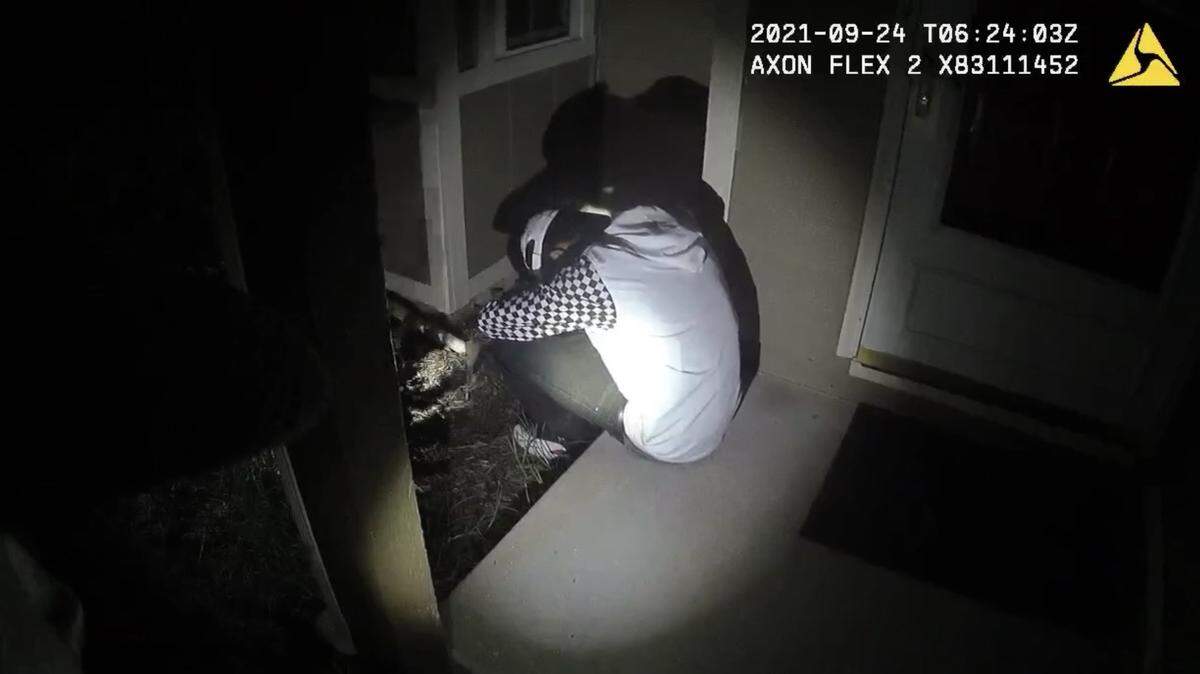
Police arrived at the east Wichita home at 1:13 a.m. and tried to convince Lofton to go with them to Ascension Via Christi St. Joseph Hospital. The foster father told officers he suspected Lofton might have been using K-2.
In police body cam footage, Lofton can be heard asking officers to protect him from the people who want to kill him. He seems disoriented and despondent, briefly relaxing when officers tell him they don’t plan to take him to jail. At one point, he says he would rather sleep on the porch than go to the hospital.
Police made the decision to take Lofton in under a provision of Kansas’ Child in Need of Care Code that allows officers to place a youth in protective custody if they reasonably believe “the child is experiencing a mental health crisis and is likely to cause harm to self or others.”
It was police who initiated physical contact with Lofton, grabbing him under his arms and attempting to carry him away from the porch after about an hour of attempting to persuade him to leave with them voluntarily. He broke free and sat down, prompting at least three officers to hold him down and cuff his hands behind his back.
Footage shows that Lofton continued to resist after being cuffed, at one point kneeing an officer in the forehead while restrained against the side of the house. An officer also repeatedly kneed Lofton in the thigh during the struggle before the teen was placed in ankle shackles and a full-body wrap restraint.
“Should have just went to the hospital,” an officer can be heard telling Lofton after he was secured in the wrap.
The decision to take Lofton to JIAC on charges of assaulting officers instead of to St. Joseph was ultimately made by a WPD sergeant who had not received crisis intervention training, according to the district attorney’s report on Lofton’s death.
The report also notes that not all of the officers on the scene thought taking Lofton to JIAC was the right decision.
“For me, I think we should have taken him to St. Joe,” one officer can be heard saying to another in the body cam footage.
Wichita police officers later told KBI agents that they were unable to determine whether Lofton needed a health evaluation because they didn’t have “a baseline” of his behavior to make that judgment.
Rogers, the task force member, said it’s hard to believe police didn’t know Lofton needed mental health treatment, especially considering that’s why they took him into protective custody in the first place.
“It was very easy for officers to identify that he was in a mental health crisis,” Roger said. “The call to 911, the foster father identified there’s a [family] history of schizophrenia. He’s been acting this way for a month. He’s so paranoid. He’s seeing things. All of that should have been an indication he was in a mental health crisis. That’s something that was never conveyed to JIAC and that’s still a failure on WPD’s part.”
Suspected drug use
Despite Officer O’Hare’s official assessment that Lofton was physically and mentally fit to be left at the intake facility, a special incident report obtained by The Eagle shows JIAC staff were operating under the assumption that Lofton had likely taken dangerous drugs.
“Officers reported to JIAC staff that Cedric appeared to be under the influence of some sort of drug and that he had a known history of using K-2,” notes the second sentence of the special incident report.
WPD body cam footage shows that when officers returned to JIAC after Lofton had lost consciousness, they continued to speculate about drug use.
“There’s something on board. We just don’t know what it is,” one officer told paramedics on the scene.
Later, county officials speculated publicly that illegal drugs may have contributed to Lofton’s death, even as they refused to comment on the actions of law enforcement and corrections staff.
“There is information that we have that Mr. Lofton may have ingested some illegal narcotics prior to the 911 call, and toxicology will allow us to determine if that is a contributing factor at all,” Sedgwick County Sheriff Jeff Easter said at a Sept. 30 news conference where he also told reporters a preliminary autopsy found “no life-threatening injuries.”
Sedgwick County Medical Examiner Timothy Gorrill’s final autopsy report, released two months later, determined drugs did not contribute to Lofton’s death. Lofton tested positive only for a byproduct that forms in the body after cannabis consumption.
Gorrill determined the 17-year-old died from “complications of cardiopulmonary arrest” after a lengthy physical struggle while he was restrained face-down on the concrete floor of the JIAC holding cell.
Hart, the Lofton family attorney, said officials tried to have it both ways — making unfounded insinuations about drugs while maintaining they didn’t have enough information to know the teen needed medical attention.
“When they thought it suited them to explain his death, they cast aspersions like he was on some illegal drugs because it fit their narrative,” Hart said. “But when they wanted to drop him off and not provide him with mental health assistance, they said, apparently, no.”
This story was originally published April 7, 2022 at 4:55 AM.
Chance Swaim covers investigations for The Wichita Eagle. His work has been recognized with national and local awards, including a George Polk Award for political reporting, a Betty Gage Holland Award for investigative reporting and two Victor Murdock Awards for journalistic excellence. Most recently, he was a finalist for the Goldsmith Prize for Investigative Reporting. You may contact him at cswaim@wichitaeagle.com or follow him on Twitter @byChanceSwaim.
Cedric Lofton’s foster father called authorities in September 2021 seeking help because the 17-year-old was hallucinating and needed to go to a mental health facility. Instead, police took him to the Sedgwick County Juvenile Intake and Assessment Center, where he had to be resuscitated after he was held facedown for more than 30 minutes during an altercation. He died two days later.