Wichita gamer tied to 2017 deadly swatting call pleads guilty to count of wire fraud
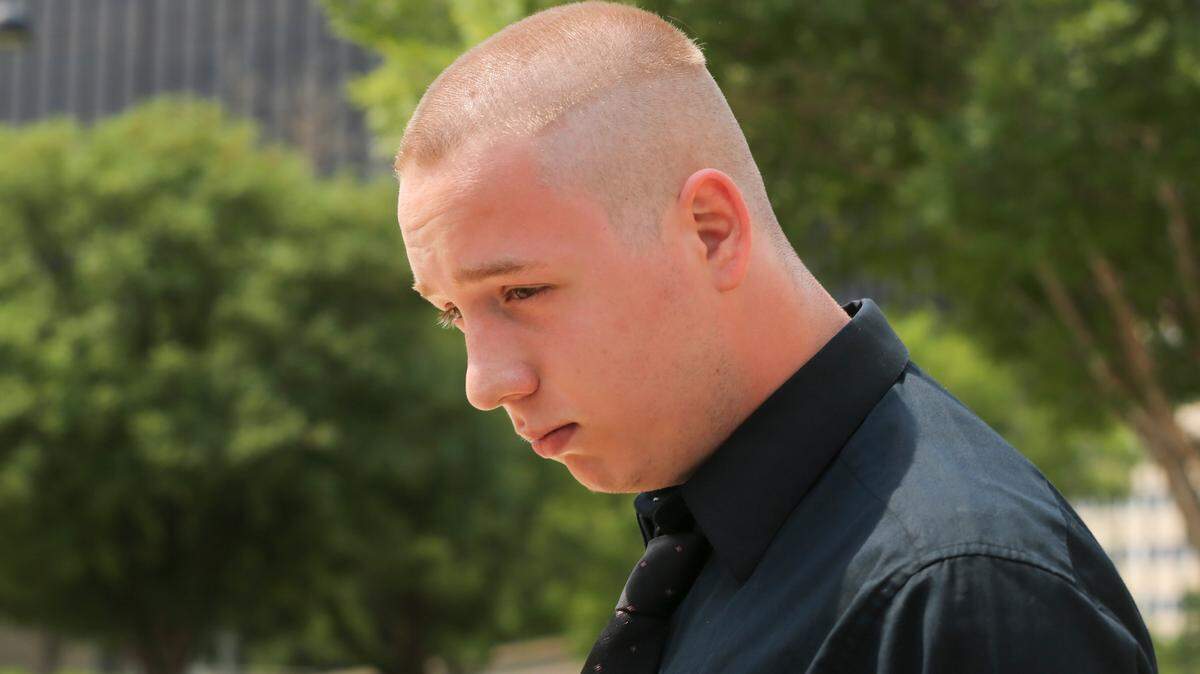
A Wichita man on Tuesday pleaded guilty to a single count of wire fraud over his role in a hoax call that led to the deadly police shooting of an innocent man more than four years ago.
The so-called “swatting” left 28-year-old Andrew Finch dead on Dec. 28, 2017. A Wichita police officer fired the fatal shot at Finch’s home, 1033 W. McCormick.
Shane Gaskill’s plea comes months after federal prosecutors pulled their support for a previously negotiated diversion plan.
Prosecutors initially allowed Gaskill to enter into an 18-month diversion agreement in May 2019, which would have resulted in dismissed charges had he completed it successfully. The court granted a 12-month extension in December 2020 to give him more time to finish a high-school equivalency, or GED program, the completion of which was among the agreement’s terms.
Within two months of the extension, prosecutors sought to abandon the plan after learning from the U.S. Probation Office on Feb. 2, 2021, that Gaskill had apparently violated the conditions of his diversion. Gaskill’s lawyer, in a March 2021 filing, denied the claim, saying his client had difficulty completing the GED requirement when classes shifted from in-person to online learning during the COVID-19 pandemic.
The 23-year-old has since obtained a GED, court records show.
Gaskill pleaded guilty at the federal courthouse in downtown Wichita on Tuesday afternoon. In exchange, federal prosecutors dismissed several charges, including multiple counts of obstruction of justice, conspiracy to obstruct justice and making a false statement during an investigation, court records show.
He had previously pleaded not guilty to the charges.
Gaskill will be sentenced on July 21 by U.S. District Judge Eric Melgren.
In a plea agreement signed Tuesday, Gaskill admitted to giving an old address to another online gamer he fought with during a Call of Duty World War II match and to taunting the man who used it in the swatting.
Believing the address was current, the other gamer, Casey Viner of Ohio, turned the address over to known serial hoax caller Tyler Barriss, who eventually gave it to emergency dispatchers in Wichita who answered his fake 911 call about a murder and hostage situation at McCormick house.
Swatting is a common form of harassment in the online gaming community where a person reports a fake emergency that’s serious enough to draw a special weapons and tactics, or SWAT, team or other large law enforcement response to an address.
Gaskill’s lie turned fatal when Wichita police officer Justin Rapp shot Finch within moments of Finch stepping out onto his front porch to find the source of flashing police lights. A father of two, he had no involvement in the Call of Duty game or ties to the men fighting over it.
After hearing about the fatal shooting, Gaskill suggested Viner and Barriss “alter or destroy their communications” with him to hide their involvement and deleted his own message threads, his plea agreement says.
All three were eventually identified, arrested and charged.
The Wichita case is thought to be the first deadly swatting in history.
Had Gaskill completed diversion, he would have received the most-lenient treatment of any of the men charged with orchestrating the swatting. Now, he is facing the possibility of prison time.
Barriss, meanwhile, is serving 20 years in federal prison. He pleaded guilty in April 2019 to 51 counts associated with the Wichita swatting and other hoax emergency calls across the U.S.
Viner received a 15-month prison sentence in September 2019 after pleading guilty to conspiracy and obstruction of justice.
After a review of Rapp’s actions, Sedgwick County District Attorney Marc Bennett in 2018 determined the Wichita officer would not face any criminal charges for firing the fatal shot. But Finch’s family sued the city in civil court, alleging wrongdoing on his part.
This story was originally published May 3, 2022 at 7:24 PM.