
Wichita gamer dared swatter to ‘try again’ after police killed a man, prosecutors say
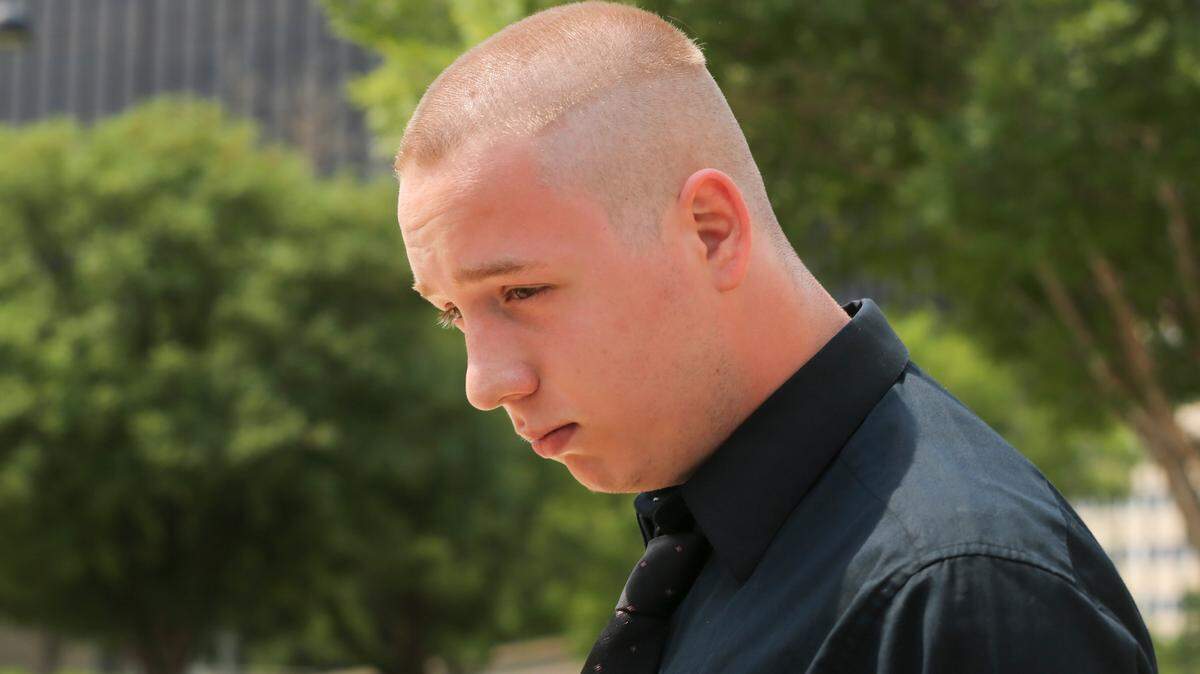
After a police officer shot and killed a man at his front door, a Wichita gamer dared the caller in the swatting to “try again,” federal prosecutors say.
Federal prosecutors filed more charges this week against Shane M. Gaskill, 20, of Wichita. He was charged with making a false statement to the FBI and two additional counts of wire fraud in connection to the deadly Dec. 28 swatting call, U.S. Attorney Stephen McAllister said in a release. Gaskill and Ohio gamer Casey Viner, 18, both pleaded not guilty to multiple charges last month.
Andrew Finch, a father of two, was shot and killed by Wichita police Officer Justin Rapp on Dec. 28. Officers had been called to his home at 1033 W. McCormick for a reported homicide and hostage situation. Police said Finch did not comply with commands to keep his hands raised after he opened his front door.
It wasn’t until after Finch was dead and officers were in the house that they knew the call was a hoax, police said.
Gaskill and Viner had been involved in a Call of Duty World War II game with a $1.50 wager when one of the characters was virtually “killed” accidentally, online gamers said. Prosecutors say Viner asked Tyler Barriss, 25, to “swat” Gaskill at 1033 W. McCormick — an address Gaskill provided.
After police responded to that address, the new superseding indictment says, Gaskill sent two more messages to Barriss.
“Do you wanna try again?” one message said.
In the other, Gaskill gave Barriss an IP address he “claimed Barriss could use to launch another swatting assault on him.” But, Gaskill knew the IP address was not his, prosecutors say.
When investigators asked Gaskill about “daring Barriss to ‘try again’ and giving Barriss an IP address,” he falsely said the IP address used to be his. It actually belonged to another person in Kansas, the indictment says.
Upon conviction, wire fraud carries maximum penalties of a fine up to $250,000 and up to 20 years in federal prison. Making a false statement to the FBI carries penalties of a fine up to $250,000 and up to 5 years in prison.
Gaskill previously pleaded not guilty to obstruction of justice, conspiracy to obstruct justice and wire fraud.
This story was originally published July 17, 2018 at 8:37 PM.