
What makes a building historic? Opinions — and emotions — differ wildly.
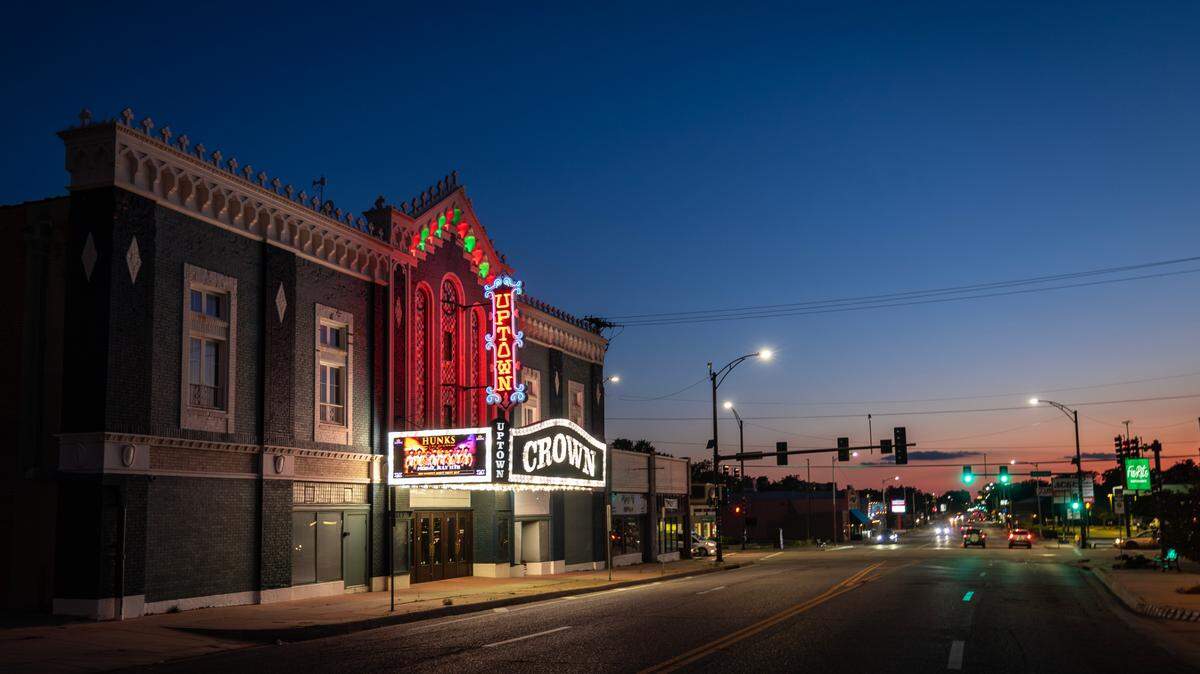
Last month, Wichita businessman Bill Ramsey sparked a debate on Facebook when he asked what makes the Crown Uptown Theatre historically significant.
He wrote that people “just keep saying it is historical with absolutely nothing to back it up.”
“I just was like, ‘Why?’ ” Ramsey said. “Somebody help me understand why.”
Ramsey asked because an out-of-state developer has threatened to demolish the 1929 building near Douglas and Hillside if the city doesn’t increase the venue’s occupancy limit. In response, the city is taking steps to potentially save the building.
There were a lot of responses to Ramsey’s question, including ones mocking the building’s fans.
“I am old, therefore, I am historical,” one person wrote.
Another person argued the nostalgia of the place, which began as a vaudeville venue, is worth preserving with “the uniqueness of the whole dinner theatre concept they had. AND the fact that so many generations attended shows there! I mean, something that was built in the 20’s that has lasted this long is kinda cool.”
The Crown debate begs a couple of bigger questions: What makes a building historic and worth preserving, and who gets to decide?
“It is not opaque,” said Bruce Rowley, who is chairman of the city’s Historic Preservation Board and is an owner in a number of older downtown properties. “It is extremely well defined.”
The definition is clear if a building is going to be listed on local, state and national registries, which provide a distinction between historic buildings and ones that are merely old.
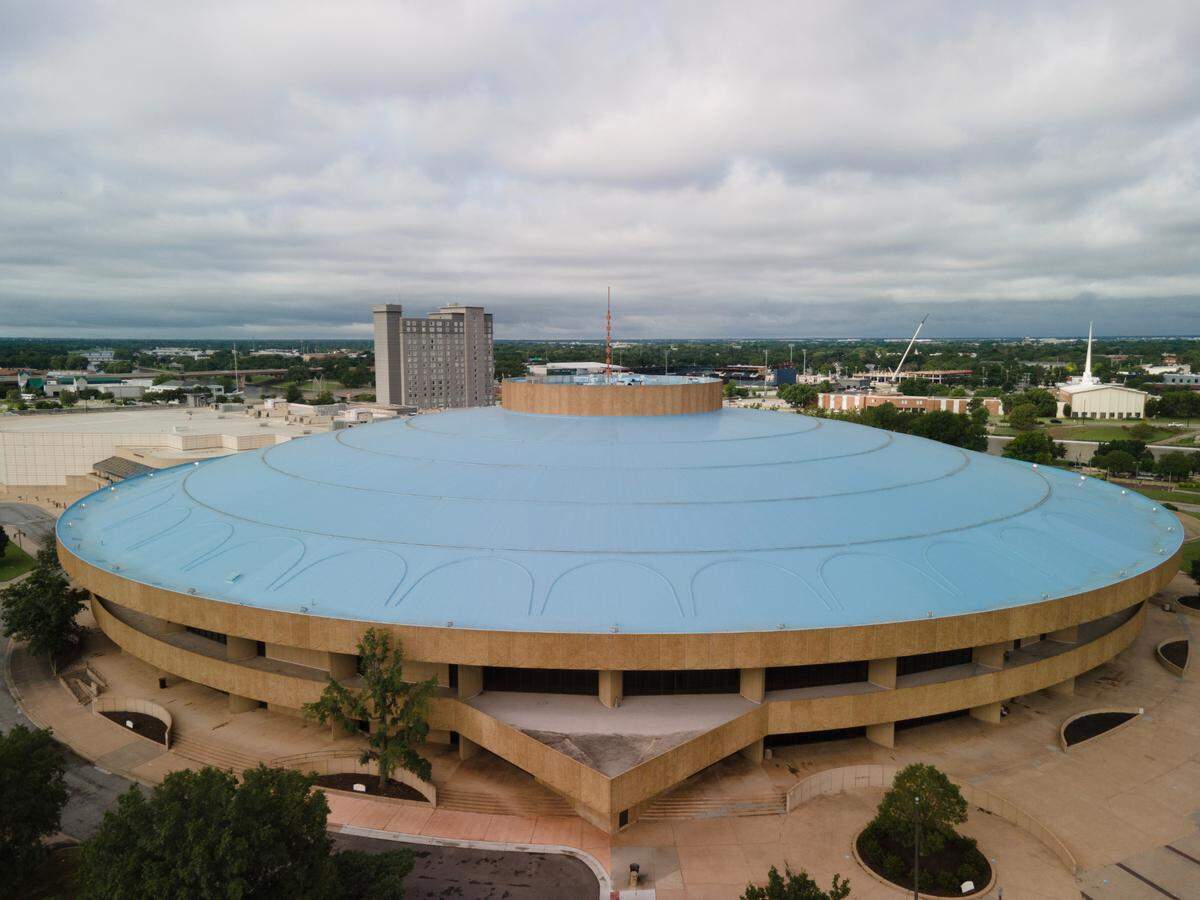
According to registry definitions of historic, a building generally has to have at least one of the following criteria: It has to be at least half a century old; it has to be architecturally distinct or a rare existing example of such architecture, and it still must have characteristics of its time and place; it must be designed by an important architect; it must have had important events take place there; or it has contributed to society in some way.
Ann Garvey, who describes herself as a passionate preservationist, isn’t so rigid in her definition of historic.
“Why should anything beautiful be saved? Why should a work of art be saved?” she said.
“There are people who care nothing for value, and that’s why we see this rise of hideous, soulless structures in the city. In the time I’ve been in the city, I’ve seen it grow uglier and uglier.”
Art Allen, who is working to help save the Crown, said something historic can be about a sense of place.
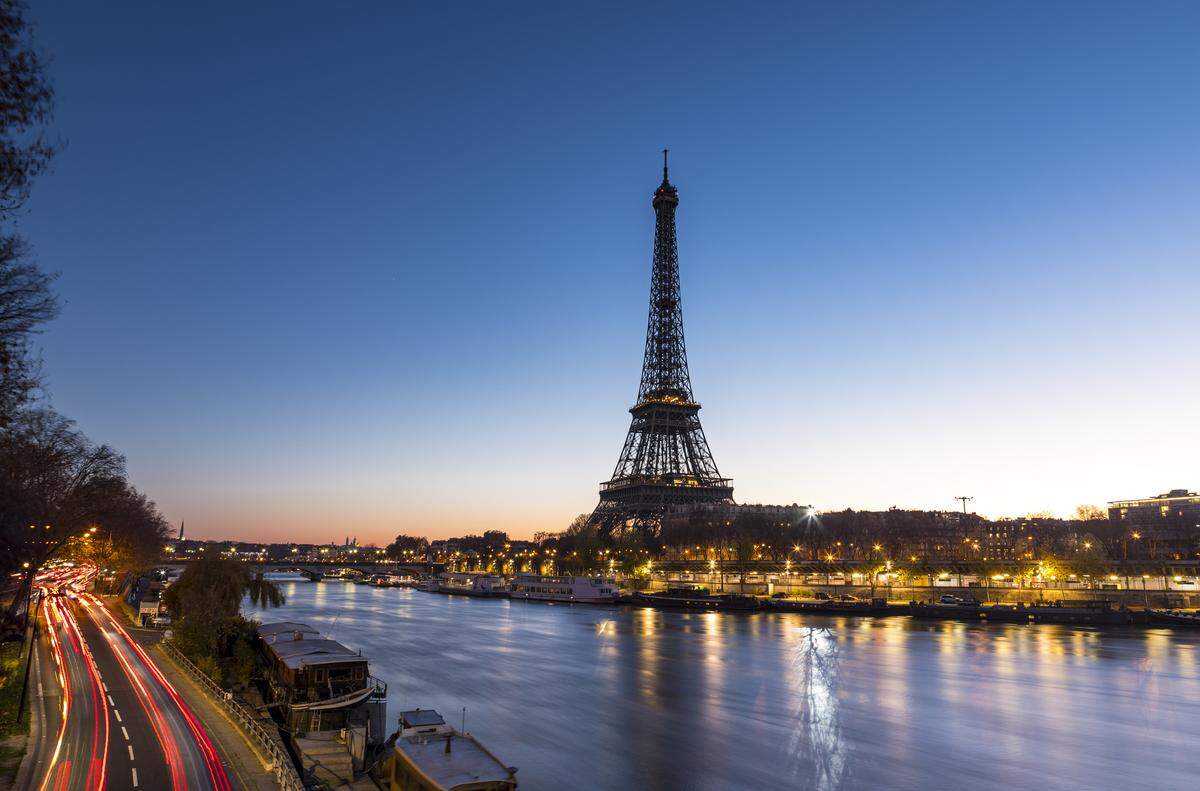
For instance, he said, when the Eiffel Tower was built for the 1889 World’s Fair, it wasn’t meant to be a permanent structure. It became one, though, and in the process became synonymous with the city.
Allen said there is a place for new development and that he’s “not about over-regulating or too much government.”
However, if Wichita isn’t careful, he said, everything will be scraped and replaced with glorified Butler buildings.
‘Mind-blowing to me’
Part of the point Ramsey was trying to make about the Crown Uptown is about the fairness of who gets to decide if something is historic — especially after someone has already purchased a property.
It’s like someone setting up an HOA “after you’ve already built the house. It’s just mind-blowing to me.”
Ramsey said the Crown Uptown “hasn’t been historic until today.”
“It seems like a very big stretch to say it’s historic just because you don’t like what he’s going to do with it.”
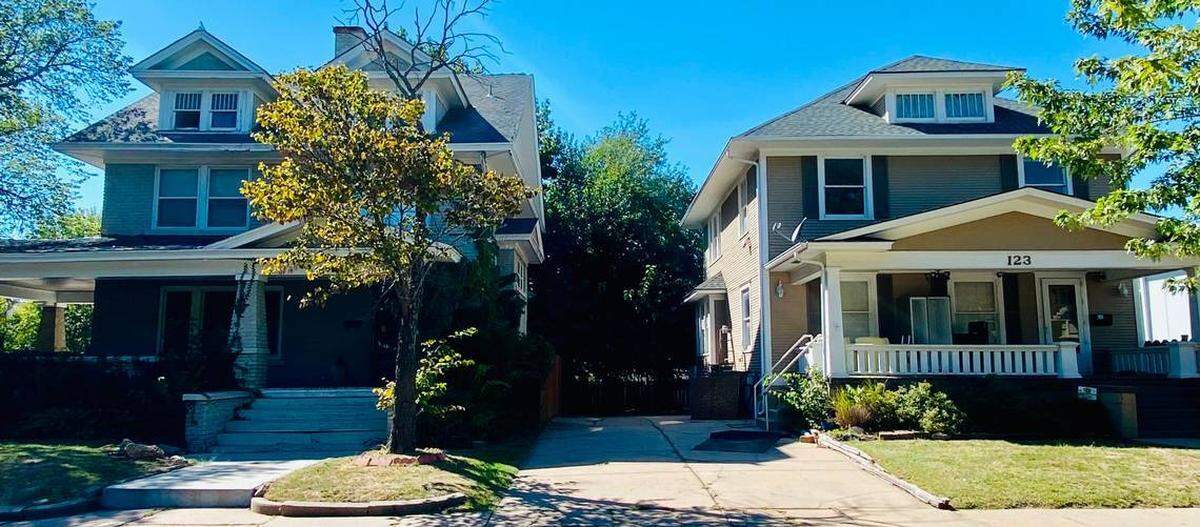
Allen said that’s why the College Hill neighborhood is trying to create a master plan “to protect what we have.”
It’s not in enough time to protect the Crown Uptown, though.
College Hill has had more than its fair share of struggles with what can stay and what can go, like the houses the owners of the Belmont purchased to turn into parking, and the plan should alleviate that, Allen said.
“That’s basically what we’re working toward.”
Crux of the issue
In describing his thoughts on what makes a building special, Allen hit on the crux of the issue:
“It’s all a matter of the viewer.”
He means something historic is in the eye of the beholder, especially someone who has a personal experience with a building.
Rowley said that since he’s been on the preservation board, hardly a day goes by that someone doesn’t bring up the issue of whether something is historic.
“It’s just such a topic,” he said. “People are generally passionate about history because history is what defines our culture.”
Even if a structure meets the technical definition of historic, there still are other questions to ask.
“Then we kind of ask, like, so what?” said Katrina Ringler, deputy state historic preservation officer in Topeka. “It’s an old building, so what?”
She said it’s OK for buildings that don’t meet a registry’s criteria to still be classified as historic.
As an architectural historian, she said that “what you can see, touch, feel, sense in the place has to relate to why it’s significant.”
“You kind of have perspective on where you come from and what’s been significant in the past.”
Greg Kite, president of the Historic Preservation Alliance of Wichita and Sedgwick County, said it’s important to question whether a building has “been a part and parcel to the history of Wichita, Kansas.”
“It’s not just some old building on a corner.”
Ringler said registries don’t necessarily protect buildings, but there often are other tools locally to save structures, such as protective overlays.
“There’s not just one way to protect a resource that the community finds to be important.”
Embodied carbon
In addition to a building’s cultural or architectural significance, Wichita architect Dean Bradley said there’s something called embodied carbon that can make a building valuable and worth preserving in terms of resources and sustainability.
“It’s resources that have gone into building the building and keeping it,” he said. “Something that took energy to build and would take energy to destroy. . . . The more we save, the less construction has to be done, which is expensive and costly to the environment.”
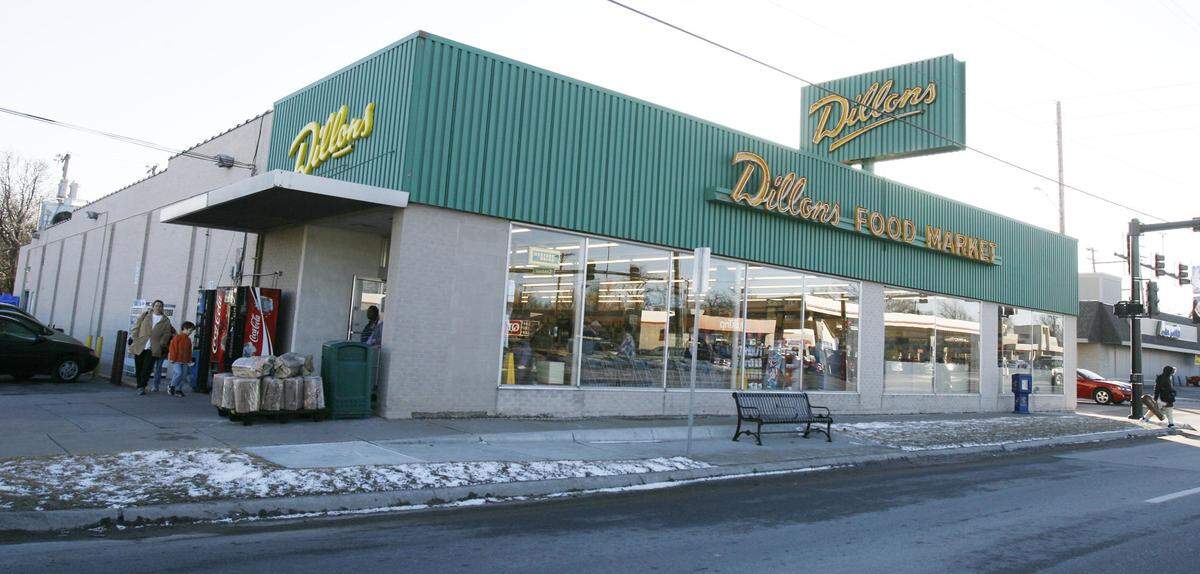
Bradley acknowledged that sometimes older structures don’t physically fit today’s dimensions, such as the former Dillons store at Central and Oliver, which recently was demolished.
The tiny building, known as the Dinky Dillons, was so close to the intersection it was practically part of it. It was built at a time “when cars weren’t so demanding,” Bradley said.
Though it could be argued there was nothing remarkable about the box of a building, he said, “You realize when something’s coming down there’s all these memories associated with it.”
“People used to shop at Dinky Dillons, and it was part of the neighborhood fabric.”
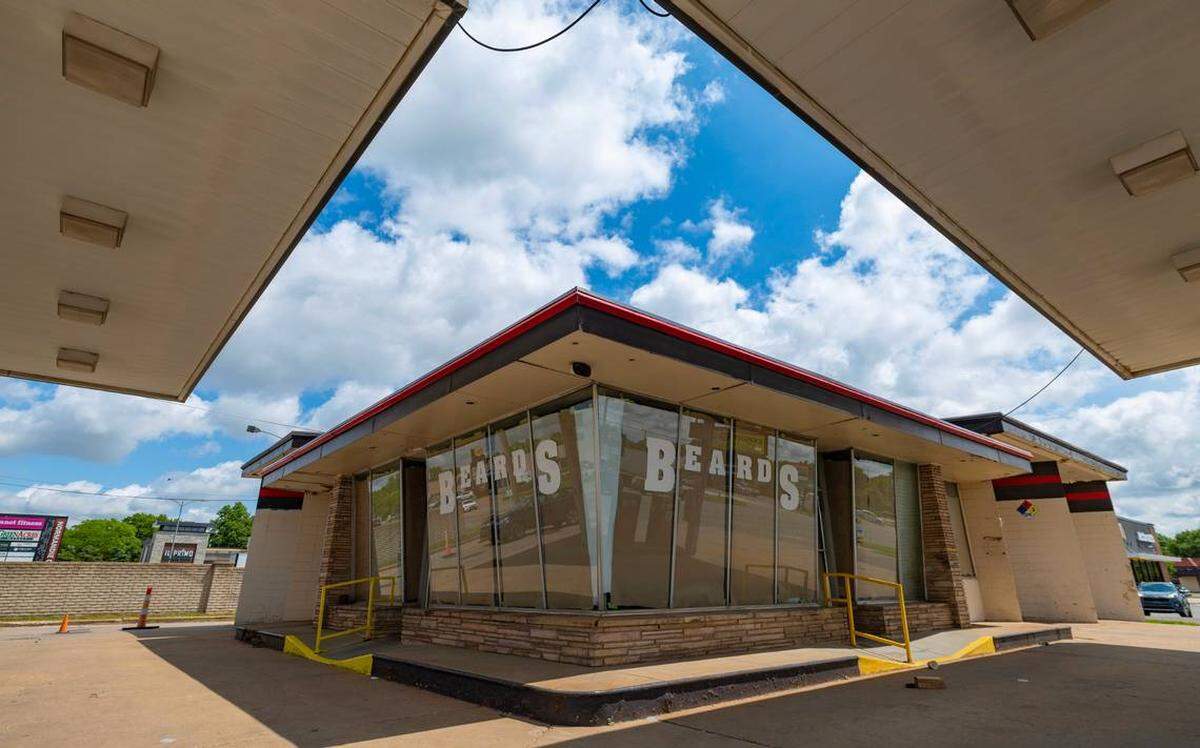
Indeed, it’s been a popular topic in the College Hill area of late. It’s also why so many people in that area and beyond were concerned when they saw that the iconic mid-century modern former Beards gas station at Central and Woodlawn had closed. The building still has green terrazzo in its lobby, angular walls, stacked stone and a 1958 flying saucer lamp over its counter.
Aesthetics aside, self-described cultural busybody Dan Rouser said that in a case like this “it’s not the form, it’s the content.”
“What took place there as opposed to what kept the rain off of the things that were taking place there?”
Wichitans remember it for the families who once ran Beards, which had the distinction of being the last full-service filling station in the city.
When spaces have shared value for people, Rouser said, “It’s a way communities become . . . more connected with each other in a civilized way.”
Rouser said that was the case at the Dinky Dillons, where everyone “from College Hill snobs to a college freshman” shopped. Not that he’s arguing that building should have been saved.
“Sometimes stuff just has to go,” Rouser said. That’s when the sum total “is not a total that is worth preserving.”
Bradley said sometimes buildings, signs and other visible parts of a city become a part of it and make it unique.
He used to take people on driving tours of Wichita and always stopped at the back of Eaton Place in an alley where creosote-treated wooden blocks were visible under asphalt that had broken away. Even the rings of the trees that were used to make them could be seen.
They’re both fascinating and what you might call historic — they were popular street material across the country around the turn of the 20th century — even though Bradley said “they’re just as utilitarian as could be.”
Sad stories
During an Eaton renovation project, Bradley said he tried to alert a manager to the wooden blocks, and they were preserved for a time. However, he said, they’ve vanished now.
There’s a long list of buildings, signs and other pieces of history — or whatever the acceptable word would be — that Wichita has lost.
“Every community has sad stories of things that have been lost,” said Eric Cale, executive director of the Wichita-Sedgwick County Historical Museum.
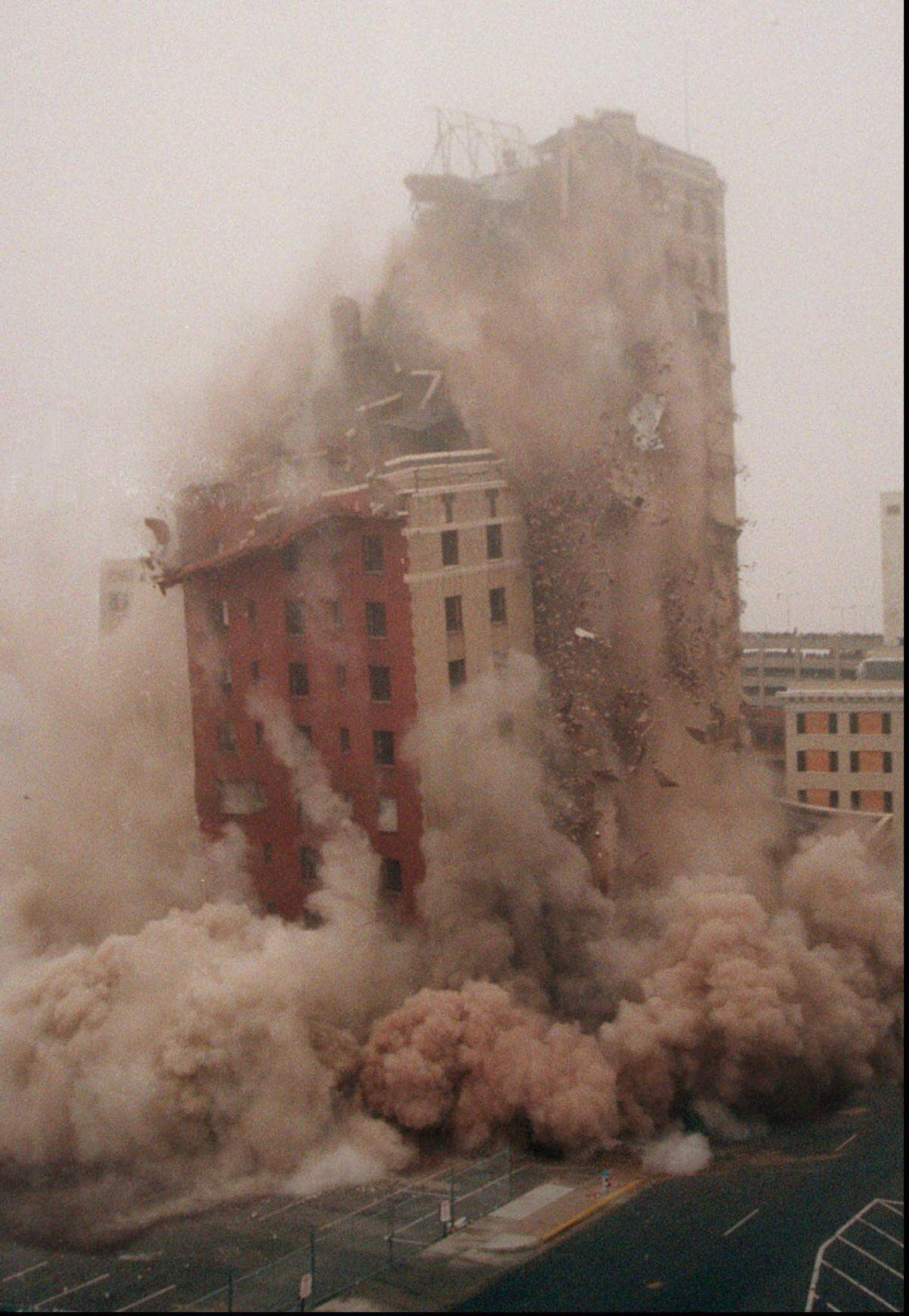
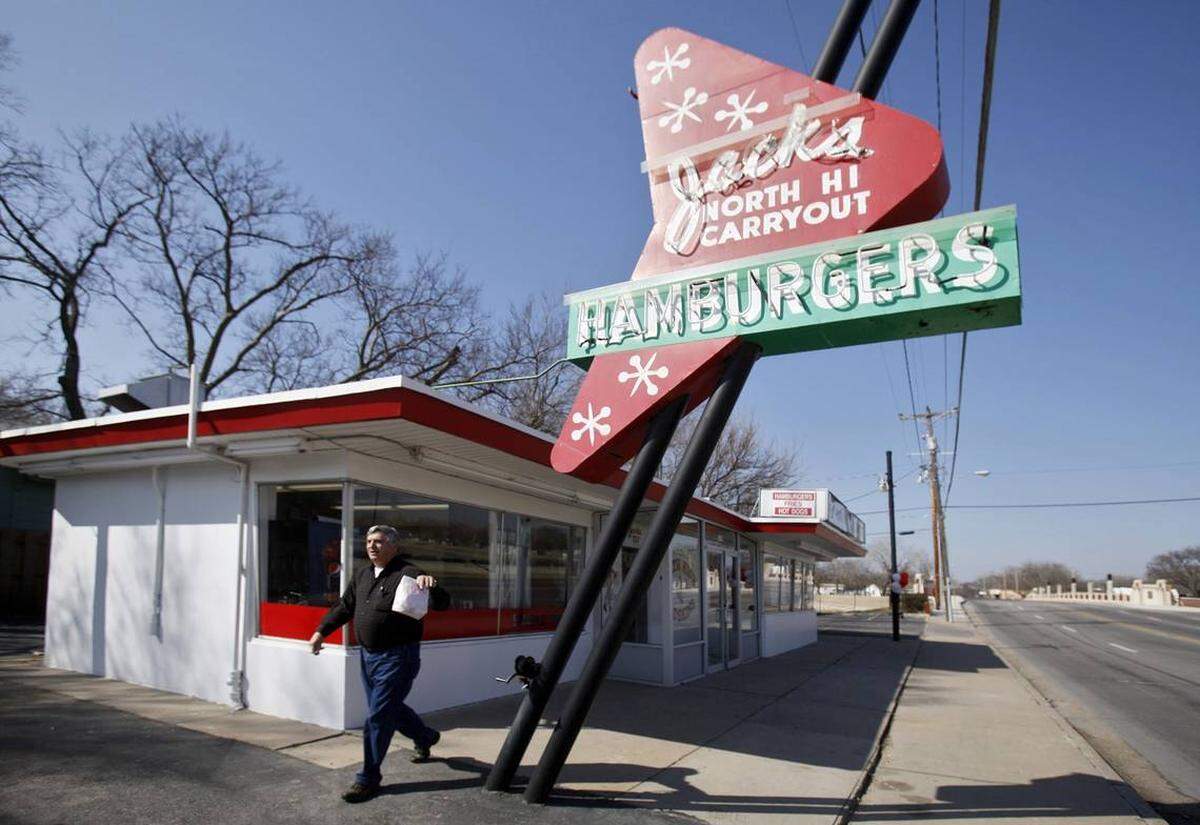
There are buildings such as the Allis Hotel and the Northern, both of which were downtown. There are vintage signs such as Dyne Quik on North Broadway and Jack’s North Hi Carryout in Riverside that have been irrevocably altered.
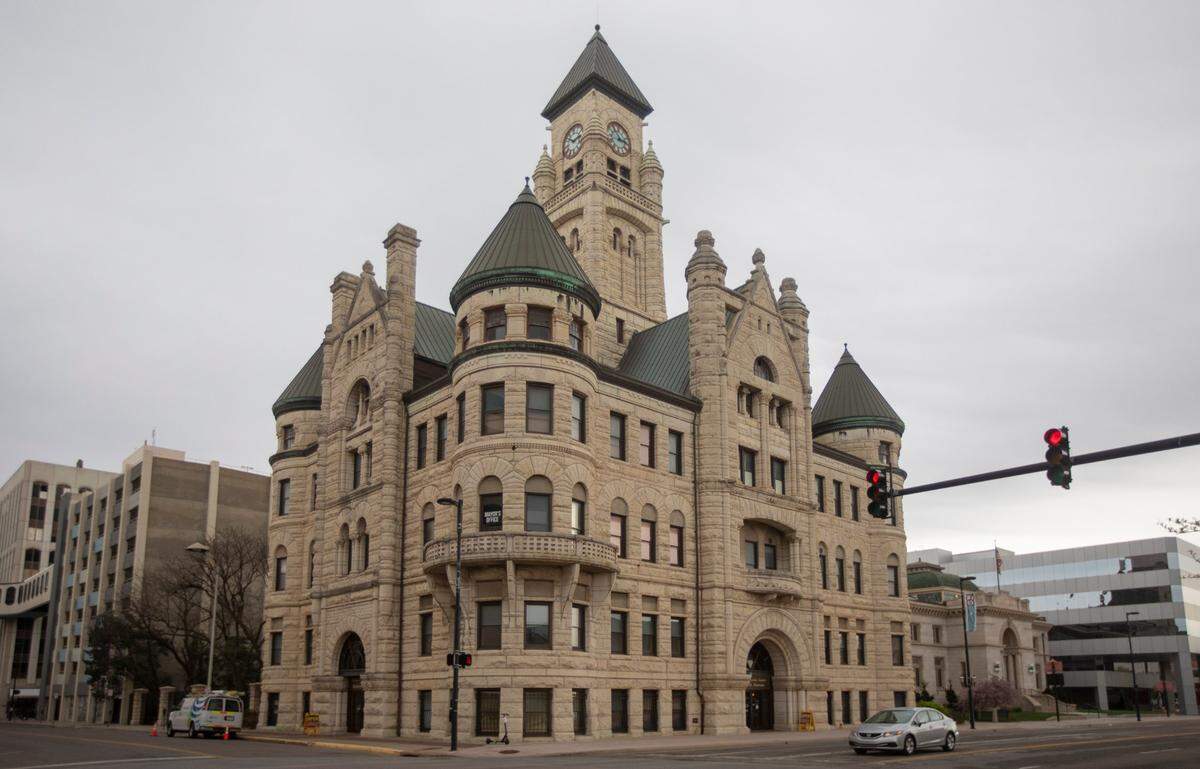
The old City Hall where the history museum was almost demolished.
“Everything has a story so therefore could be considered in some way to be historic,” Cale said. “It’s just a matter of preservation and . . . the appropriate use.”
For Garvey, whether or not to save something comes down to one thing:
“Could it ever be replicated?”
In the case of the Crown Uptown, she said, “No. Never.”
Garvey helped save the Keen Kutter building in Old Town “before anything was being done in Old Town.”
Now it’s an area praised for its redevelopment of older buildings.
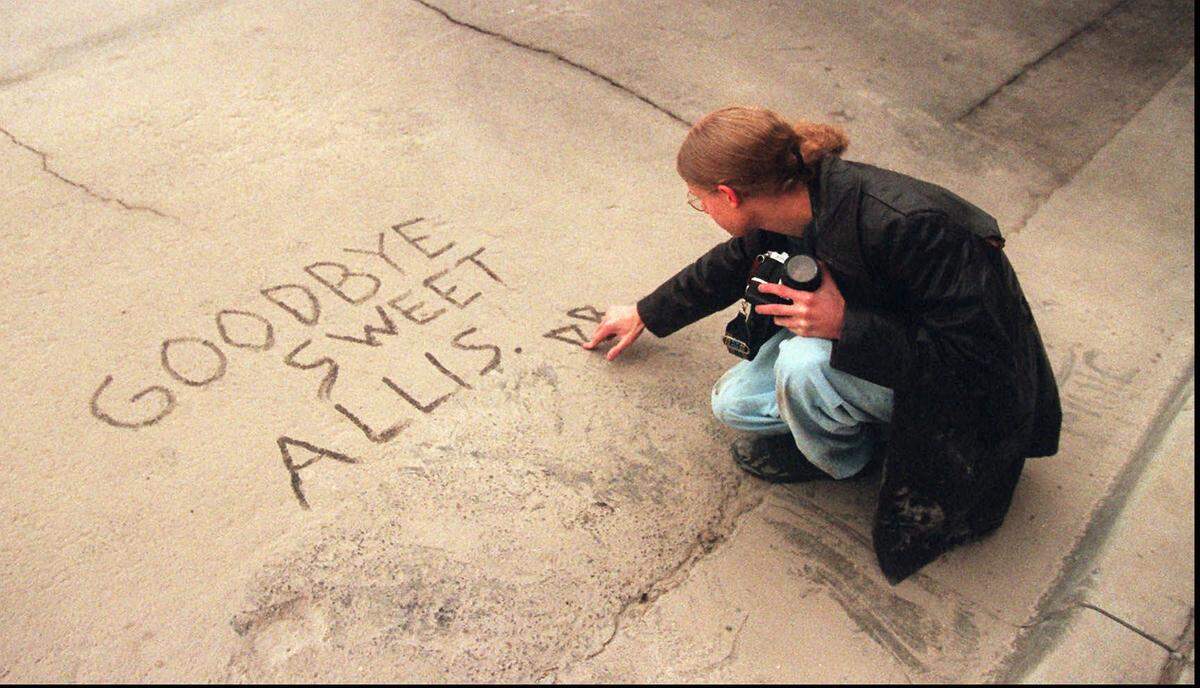
When “Hatman” Jack Kellogg was a kid, he had a newspaper route through downtown at the same time urban renewal championed the demolition of buildings, which he called despicable.
Not only is the value of a building interwoven with people’s memories and the charm they can still conjure, but like Garvey, Kellogg said he can remember when architecture was grand and full of character.
“From that point of view . . . it hearkens to a time when there were grand ideas about how we wanted to represent ourselves.”
Kellogg said he knows that investors in business properties need to consider other factors, “But good luck pushing that against a whole lot of emotion.”
Historic champions
So what’s the bar to keep something? Or what should it be? Cale said it’s not for him to say, but he said sometimes, it comes down to one person deciding something must not go.
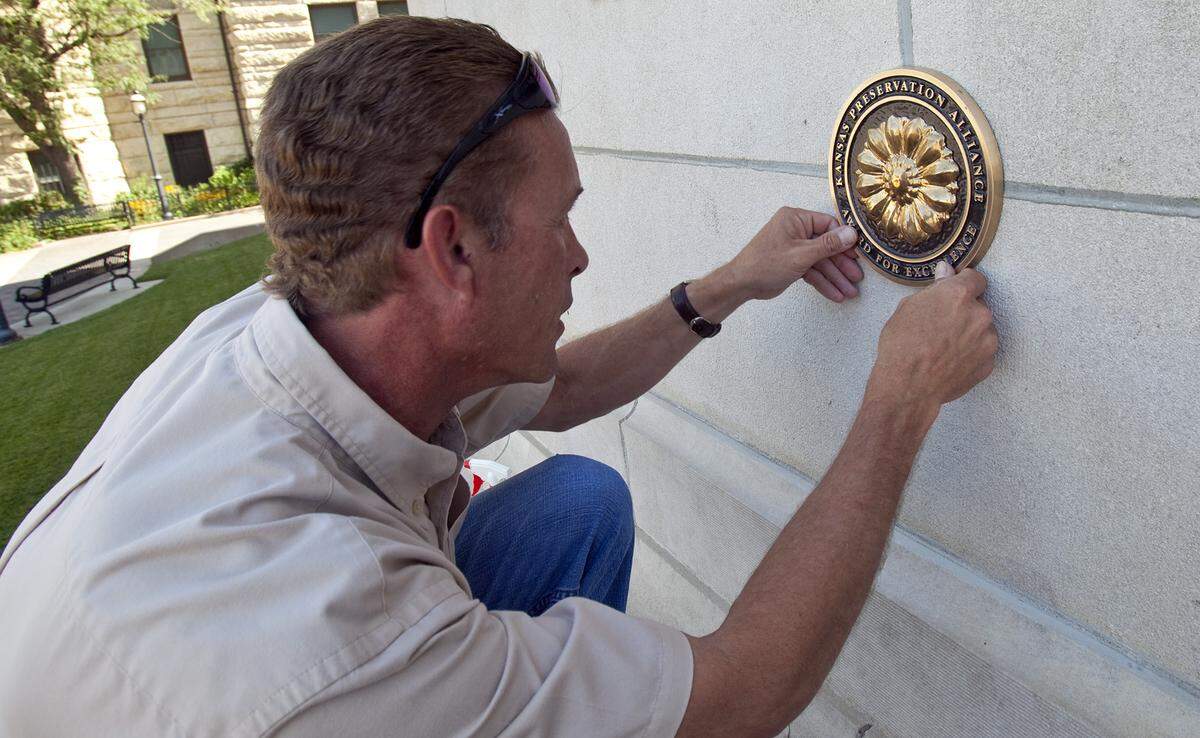
Cale pointed to Clark Bastian saving and restoring the former Carnegie Library downtown.
“It just takes a champion to do that, but it’s a lot of work.”
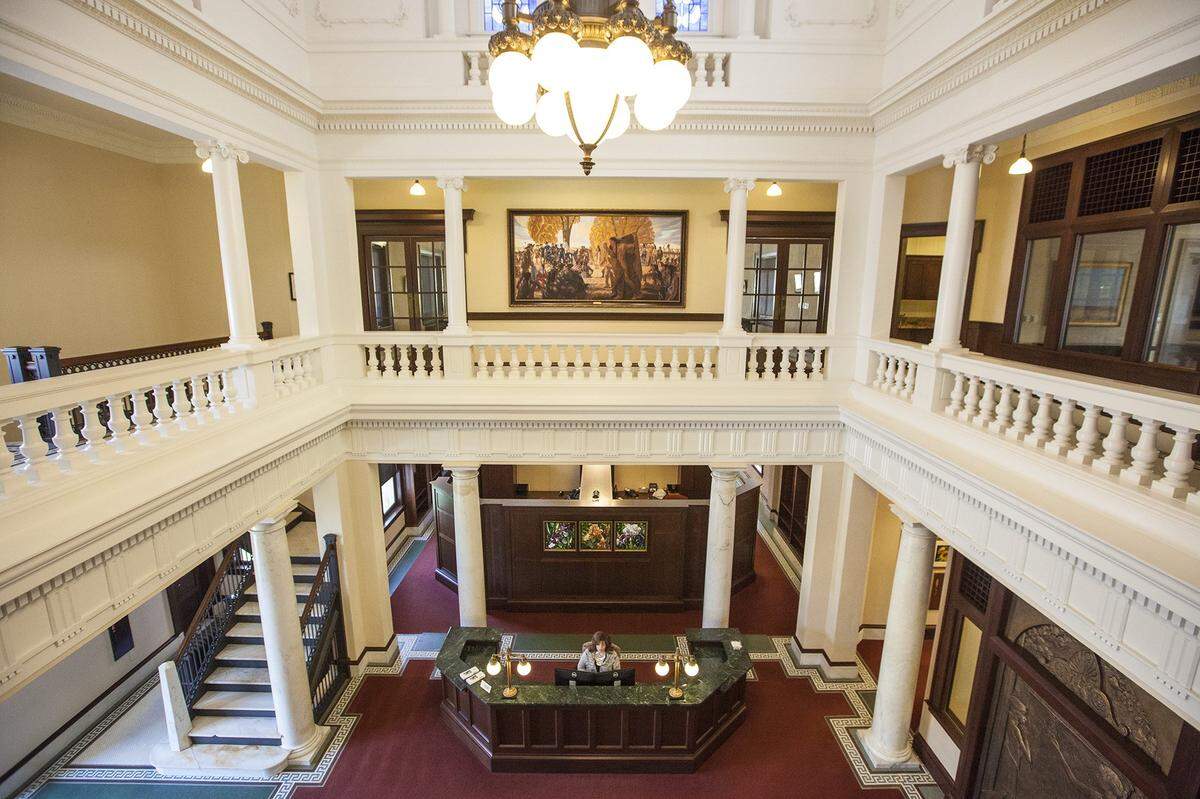
Sometimes, the community decides to champion something, such as the Fresh Air Baby Camp in Riverside.
“That was a really neat thing where the community came together and saved a historic structure, and it’s there to appreciate and even use,” Cale said.
Similarly, there are groups now trying to save the pagoda in Riverside and repurpose it as a classroom and event center.
Repurposing a building is a great way to save it, said Kite, who perhaps is the city’s best-known preservationist.
In the case of the Crown Uptown, he said, “It’s survived because it’s been able to transition.”
It went from a vaudeville house to a movie theater to a dinner theater.
“What’s been its position and value to the citizens of Wichita, Kansas, over these years, particularly in historic College Hill?” he asked. “What role did it play in the history of the community that it is situated in?”
Ramsey, who started the debate publicly, asked other pertinent questions.
“Did Carry Nation chop up a bar there or something? . . . Was there a sit-in there?”
He said if not, he doesn’t see the historic value that so many others do.
“If they’re that gung-ho . . . let them buy it, because it wasn’t historic when (the current owner) bought it.”
Kite said he believes the Crown is “a one-of-a-kind structure like so many of the structures are that we want to preserve.”
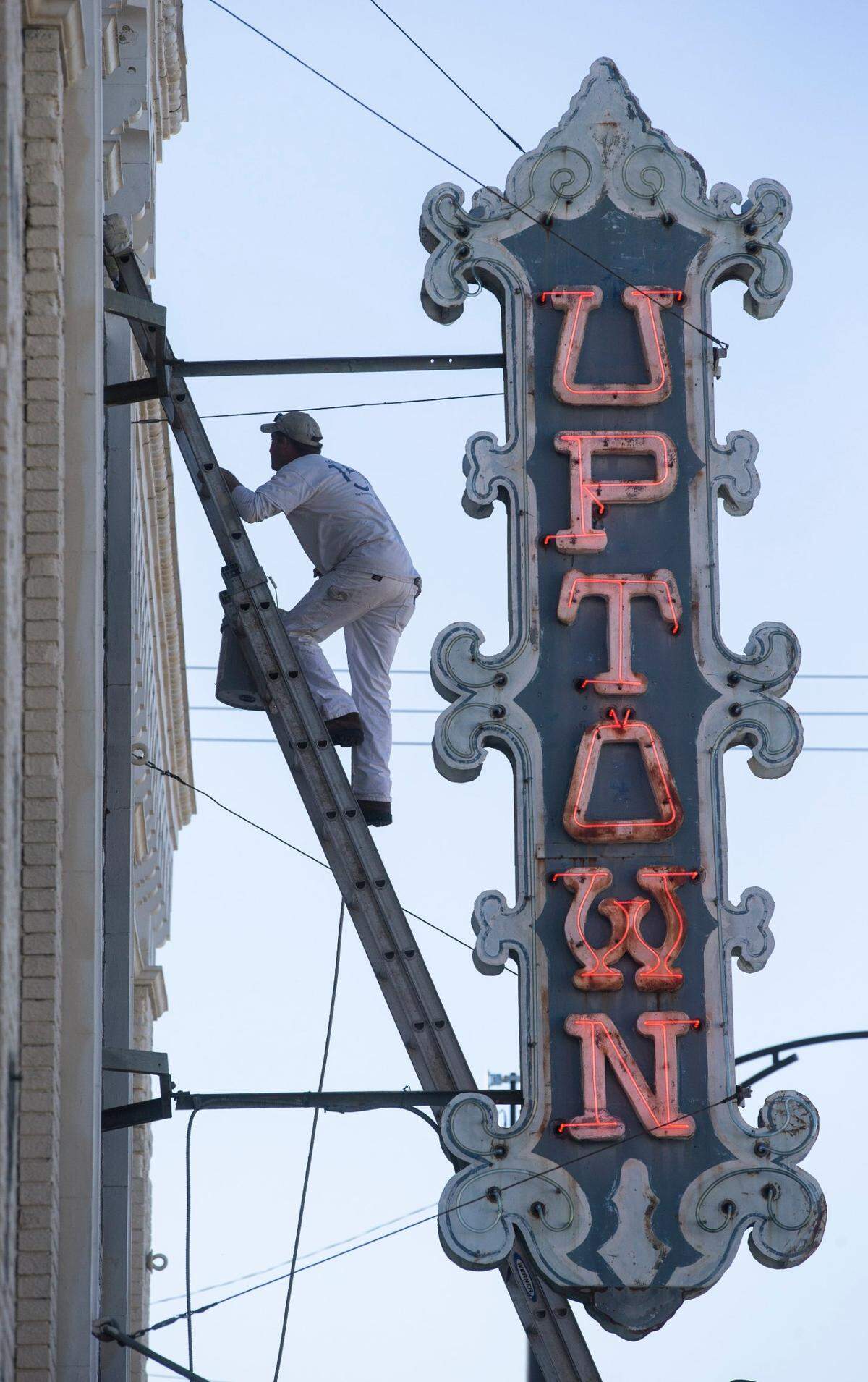
Once a building like that is demolished, he said, “it’s gone and gone forever. There’s no coming back and trying to correct that mistake.”
Worse still, Kite said, is when a community lets a demolition “slide by, and then we put up some kind of glitzy sign to say, ‘This was once here.’ ”
“That is reprehensible because we have lost a part of our history and heritage that is gone forever.”
Regardless of what happens with the Crown Uptown, it could serve as a wake-up call for other pieces of Wichita residents may want to preserve.
As Cale put it, “All we can do is . . . look at what we have now and see what’s possible.”