
Live in College Hill? Never step foot there? Either way, this meeting’s for you
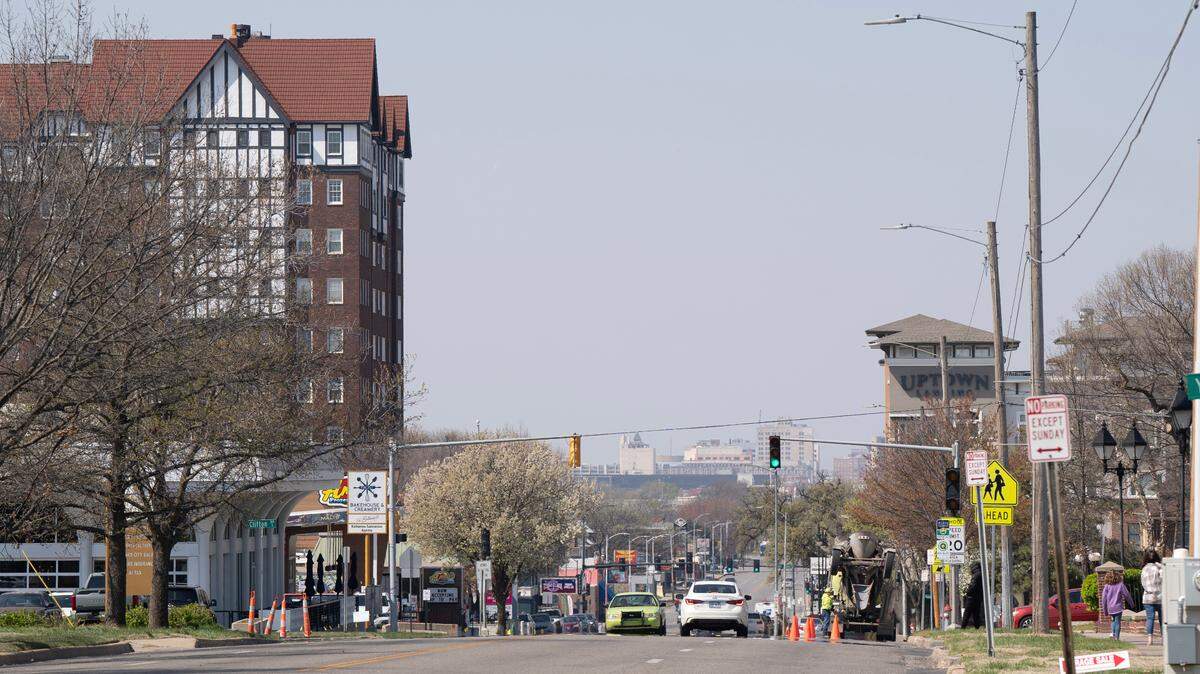
Whether you live in College Hill, frequent its businesses or never even step foot in the area, there’s reason to pay attention to a new neighborhood planning process happening there. It’s designed to be a model for what can happen in other neighborhoods around the city.
“The more people who give input, I think the better-shaped plan we’ll have,” said City Council member Brandon Johnson.
Though it may seem a little too cumbersome to ask for an entire city’s help — like, how will everyone agree on parking, streetscaping and architectural requirements? — Johnson said it’s crucial to get that input.
“To me, that’s democracy. It’s good for everyone to be engaged about where they live.”
A steering committee already has been working on the plan. The initial public meeting, which will include small-group discussions, will be from 4:30 to 7 p.m. on Monday at Grace Presbyterian Church, 5002 E. Douglas.
“One of the things that we all recognize on the committee is that College Hill has a big draw around the whole city,” said resident and commercial property owner Stephen Holt. “We really want to hear from everybody.”
Johnson began thinking of a formal process to define residential and commercial uses in the neighborhood when he came on the City Council in 2018.
That’s when the first of several public concerns over College Hill businesses happened under his watch. Neighbors were upset about a Hog Wild that was going in on Central just east of Central and Hillside. Specifically, they worried about potential traffic and lighting issues.
“Folks in the neighborhood felt like they weren’t being told the truth about that development,” Johnson said.
That’s when he first started thinking about a protective overlay that would establish uses and restrictions for the neighborhood.
“That’s not completely defined right now.”
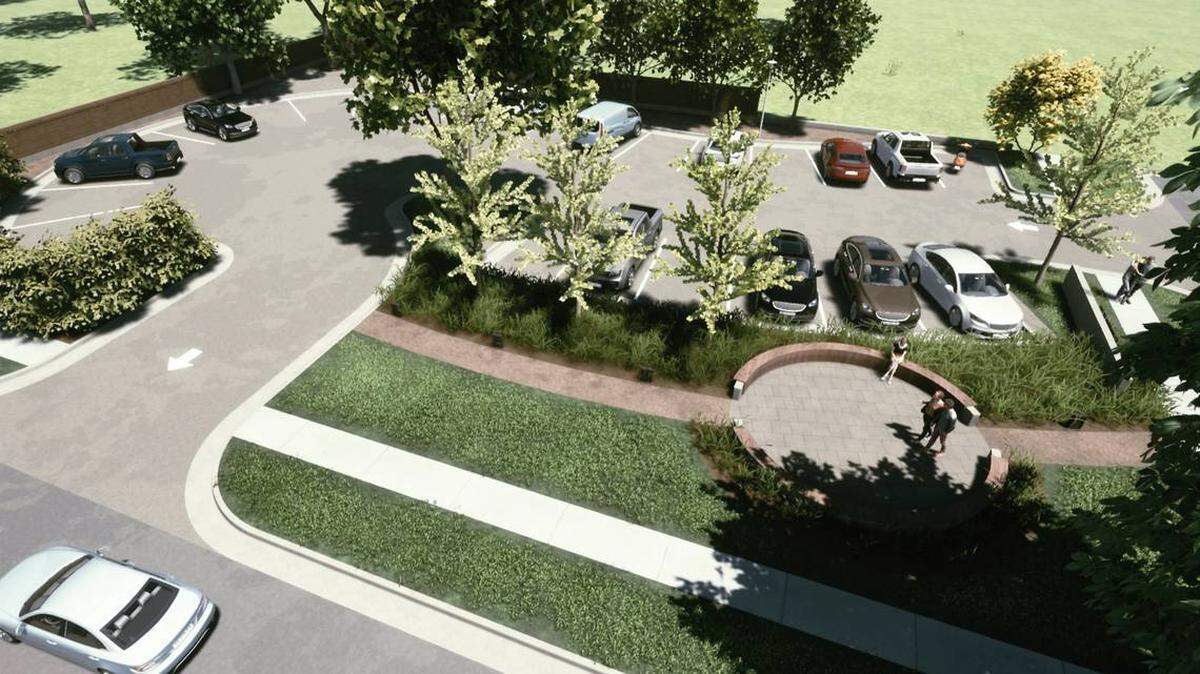
As time went on, there were concerns about an Andy’s that went in on Douglas between Clifton and Rutan, then there was the well-publicized issue over some houses that the owners of the Belmont demolished to make room for parking, which the city then did not approve. The presence of Airbnbs has been a concern for some as well.
Johnson learned more about protective overlays through the years and decided now is the right time to create guidelines for what College Hill and the city want for the area. He said it will guide developers and council members for the future.
“You don’t have to guess on every single case.”
College Hill resident Trish Hileman, who is on the steering committee and has been on the neighborhood association board for a decade, said she believes this could save a lot of time and money for business owners who wouldn’t necessarily need to work through the planning commission anymore since they’d already have guidelines on what they can and can’t do.
“From the city’s perspective, that is sort of a new thing,” she said. “Then this plan will be shopped around: ‘Here’s a model.’ That’s what makes this so important that we get it done well and right and with a lot of public input.”
College Hill drama?
Is there so much drama in College Hill that something must be done? Not exactly.
“Mostly, it’s pretty benign and normal stuff, and then it has little spikes of more intensive,” Hileman said.
The Hog Wild situation taught her a lot, she said.
“That project just showed me . . . where developers have power.”
She said average citizens from the neighborhood weren’t confident in what they were doing as they had to speak in front of the planning commission.
“Wow,” Hileman said she realized, “it is not easy to advocate for some very common-sense things.”
She hopes that with guidelines in place, everyone can live, work and play knowing what the rules are — now and into the future.
Hileman said the plan can determine “this is what we want to look like in 50 years.”
She said it will make for better neighbors.
“I want people to be happy where they live.”
Jack Patton, the current president of the neighborhood association who also is on the steering committee, said there are varying positions in the neighborhood, from let’s never cut down a tree to let’s start all over.
This process is about “trying to find the sweet spot.”
Johnson said he specifically didn’t appointment any “loud voices” from previous neighborhood meetings to be on the committee, which has just over a dozen members. He said he chose “everyday folks who just want to do some good.”
“I think we’ve made the right appointments. I think it’s going to turn out well.”
One of those appointments is Tory DeMarce, one of the Belmont partners.
“He is a visionary business person who wants to grow the business there,” Johnson said. He said he thought it was important to include DeMarce because “there are going to be more visionary business people who want to do business in College Hill.”
Johnson said he believes that if people see that some of their ideas have been taken, even if others aren’t, “You do recognize you’ve been heard.”
Seeing it through
Holt said the neighborhood plan is something the city and residents considered years ago, but it “never really got the traction that it needed, so it kind of fizzled out.”
This time seems different, he said.
“Everybody seems to be getting along and has . . . a different take on the same passion,” Holt said. “So I think there is a real vigor amongst the community to see this thing through.”
With a $50,000 budget, the city hired Iowa-based RDG Planning & Design to consult on the process. Johnson said he anticipates it will take at least until the fall to gather the necessary input and present it to the full City Council.
Hileman said the plan can identify problems and opportunities, and it can set a tone moving forward.
“We can do a better job of being good neighbors to each other,” she said. “When we’re good neighbors to each other, we have better quality of life here.”
One way or another, something will be planned, Patton said.
“If we don’t have a plan for our neighborhood, somebody else is going to come in and plan it for us.”
Nitty-gritty details aside, Patton said the overall plan comes down to a few simple questions.
“What do you . . . want in your neighborhood? Why do you live there, and how can you keep it the way you want it to be?”
He said a lot of people will be waiting to learn the answers.
“A lot of people are watching.”