Wichita heads back to the future as riverfront possibilities abound
READ MORE
What’s next for downtown and the riverfront in Wichita?
The pandemic stalled progress on development, but it’s time to look again at the proposals and ideas for the future of Wichita.
Expand All
After more than a year of disruption and delay because of the pandemic, new questions are being asked about the future of Wichita’s riverfront.
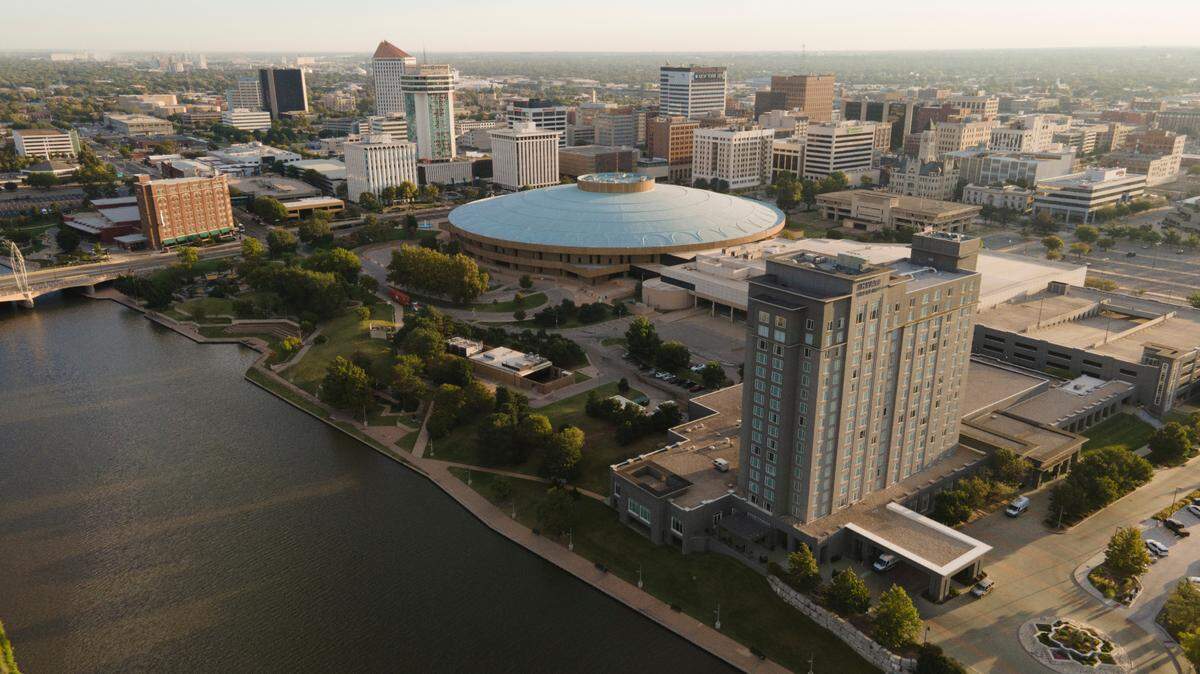
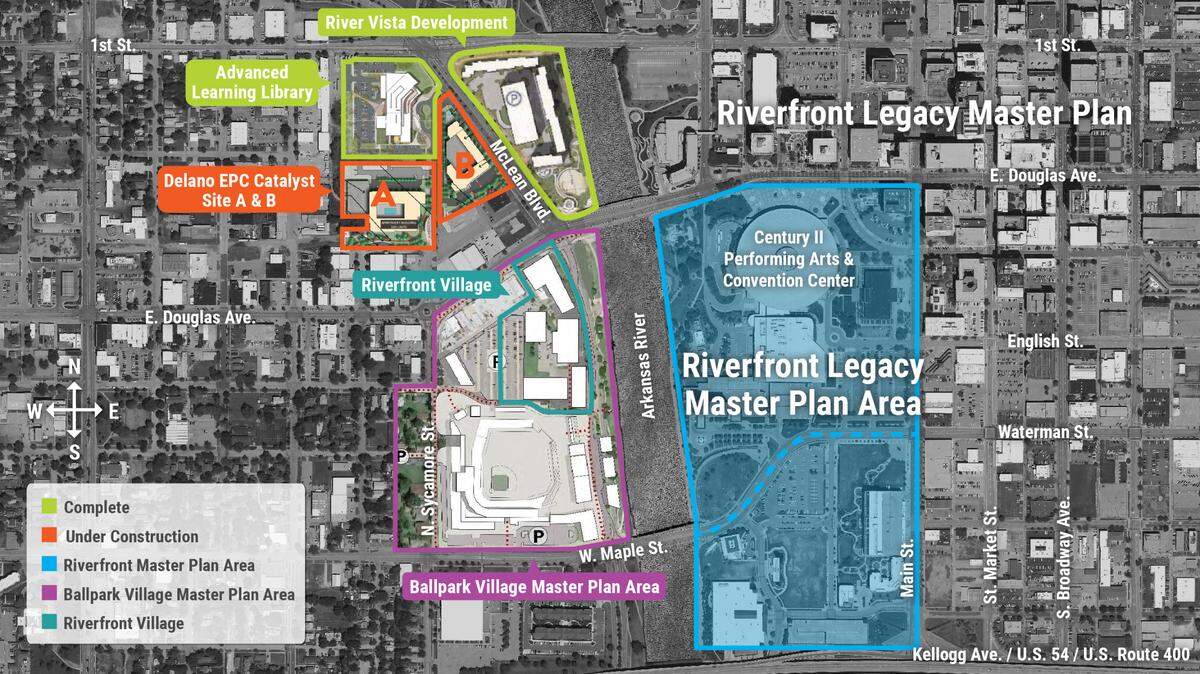
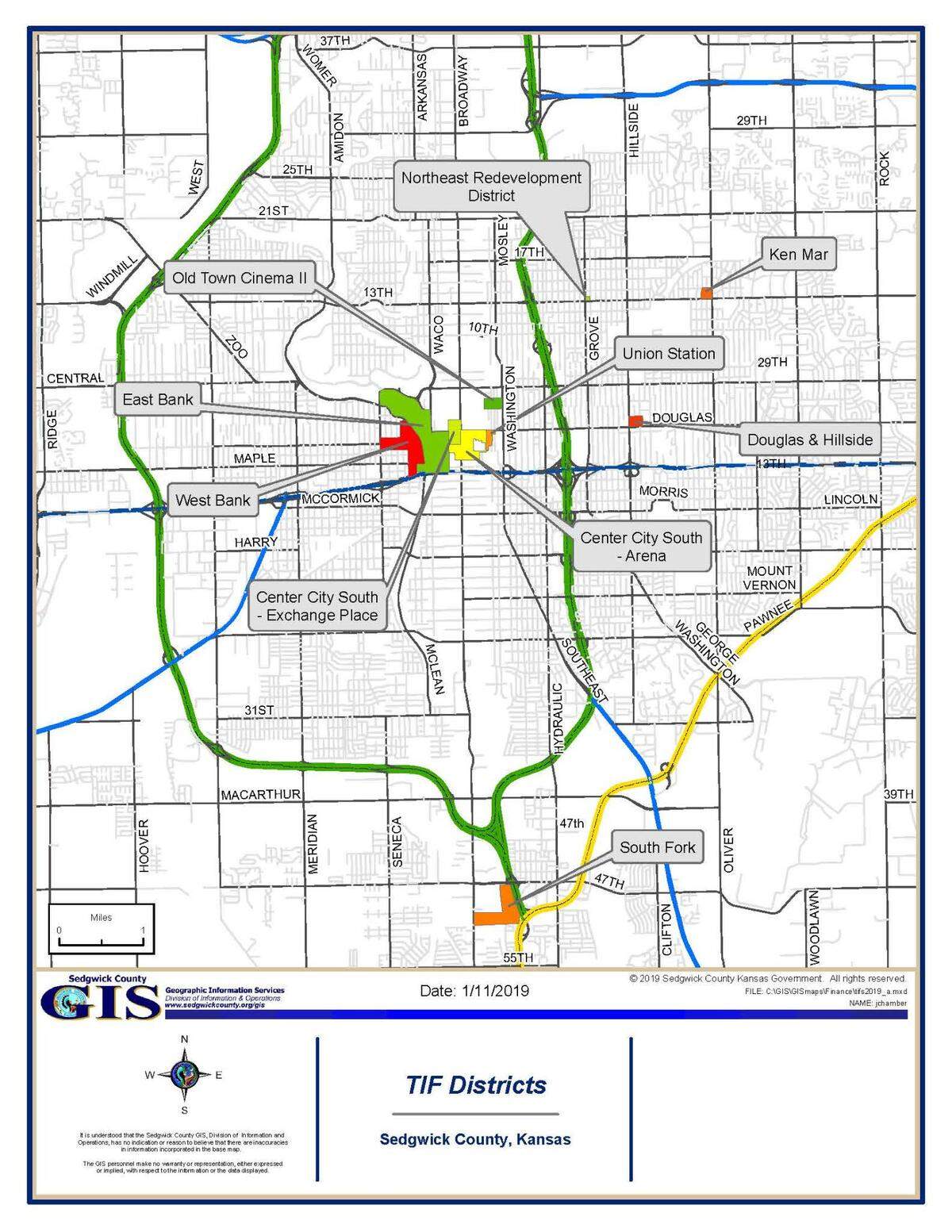
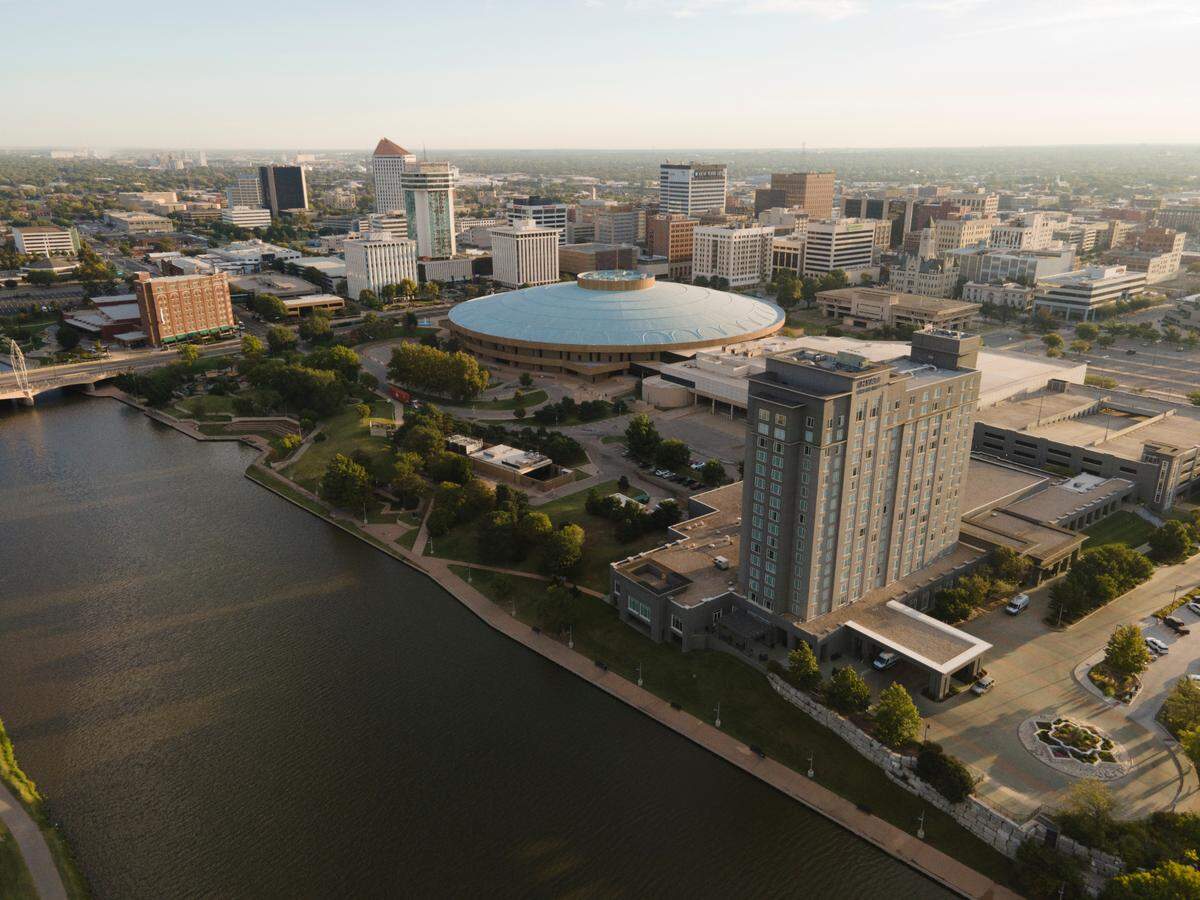
Public projects on the riverfront have had some success over the years, such as Exploration Place and the Keeper of the Plains. But the centerpiece of Wichita’s riverfront, the area that stretches from Douglas to Kellogg along the east bank of the Arkansas River, has been the subject of redevelopment plans for decades that have had mixed results.
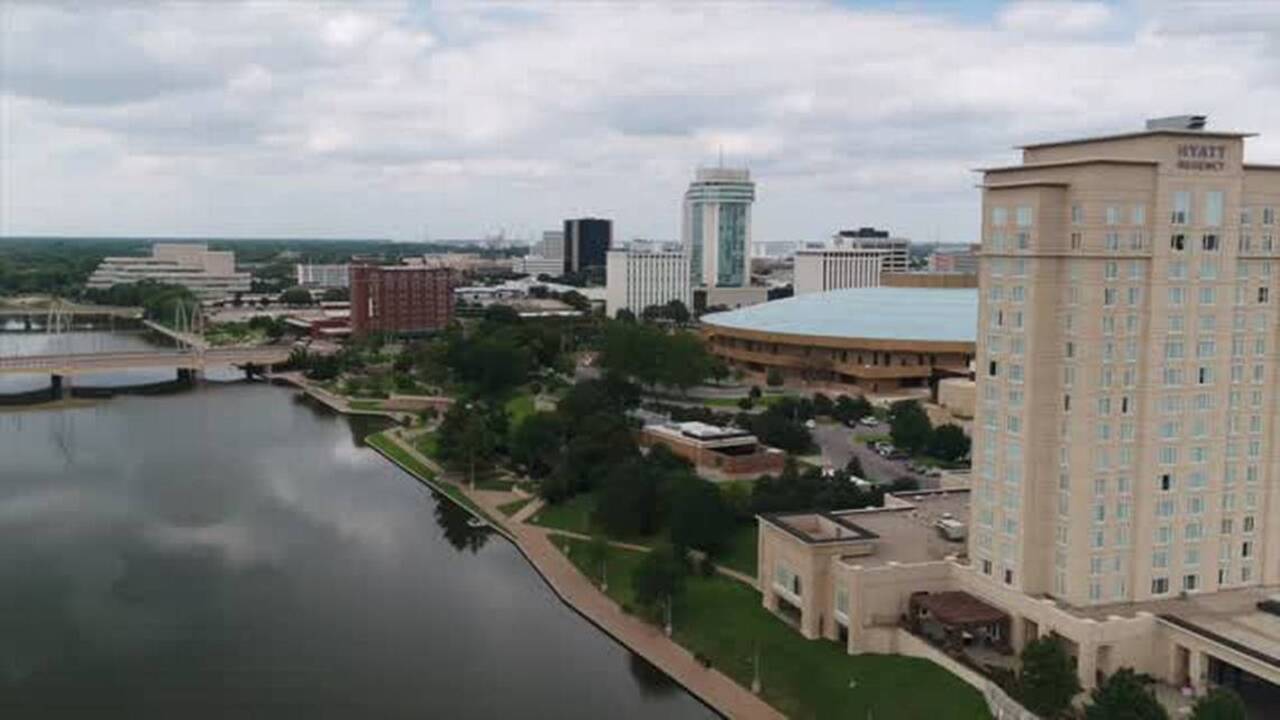
Pieces of some of those plans — such as the Hyatt Regency, the Boathouse, WaterWalk Place and the Fairfield Inn — were successes. Some died on the City Hall drawing board while others were implemented and failed.
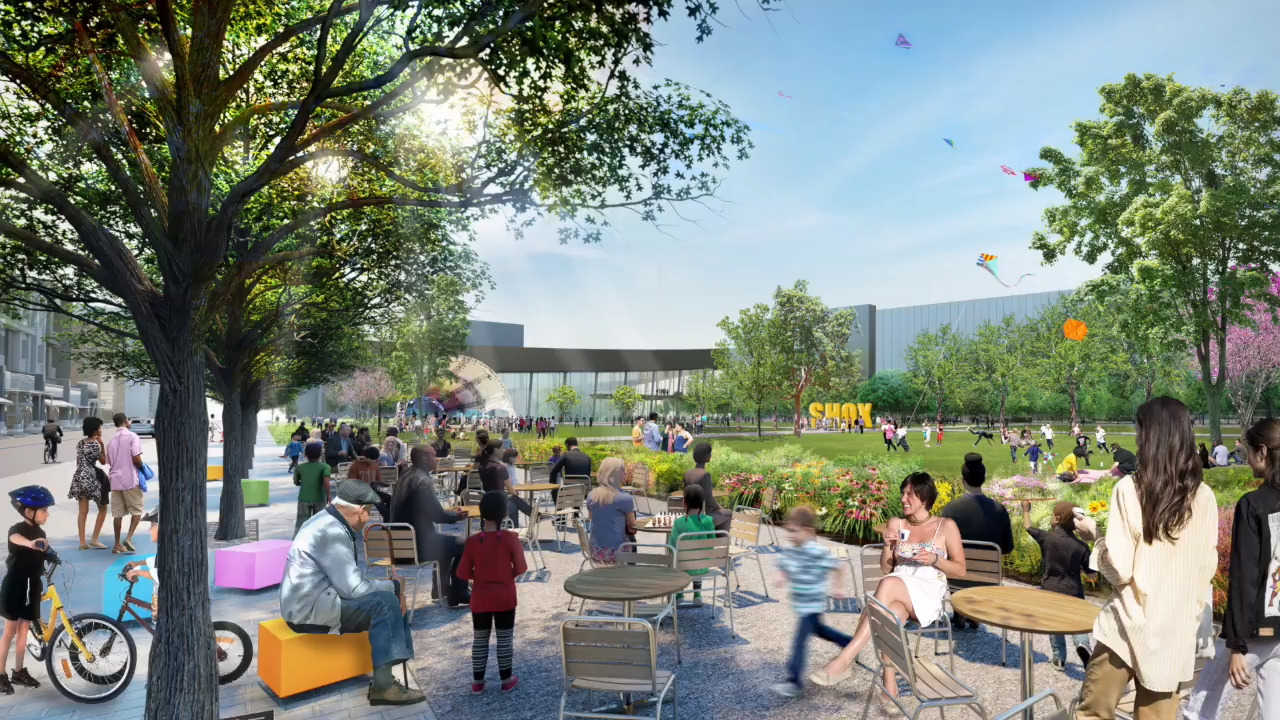
The most recent proposals, the quasi-public Riverfront Legacy Master Plan and a private-funded plan by Penumbra International, could be considered decidedly undead — zombie plans waiting to be reawakened in a post-pandemic world.
Partly benefiting from an economic opportunity zone, it has also been threatened by groundwater contamination, a public fight over the future of its aging convention center and multiple local political scandals, which have sometimes affected larger plans for the area and its residents.
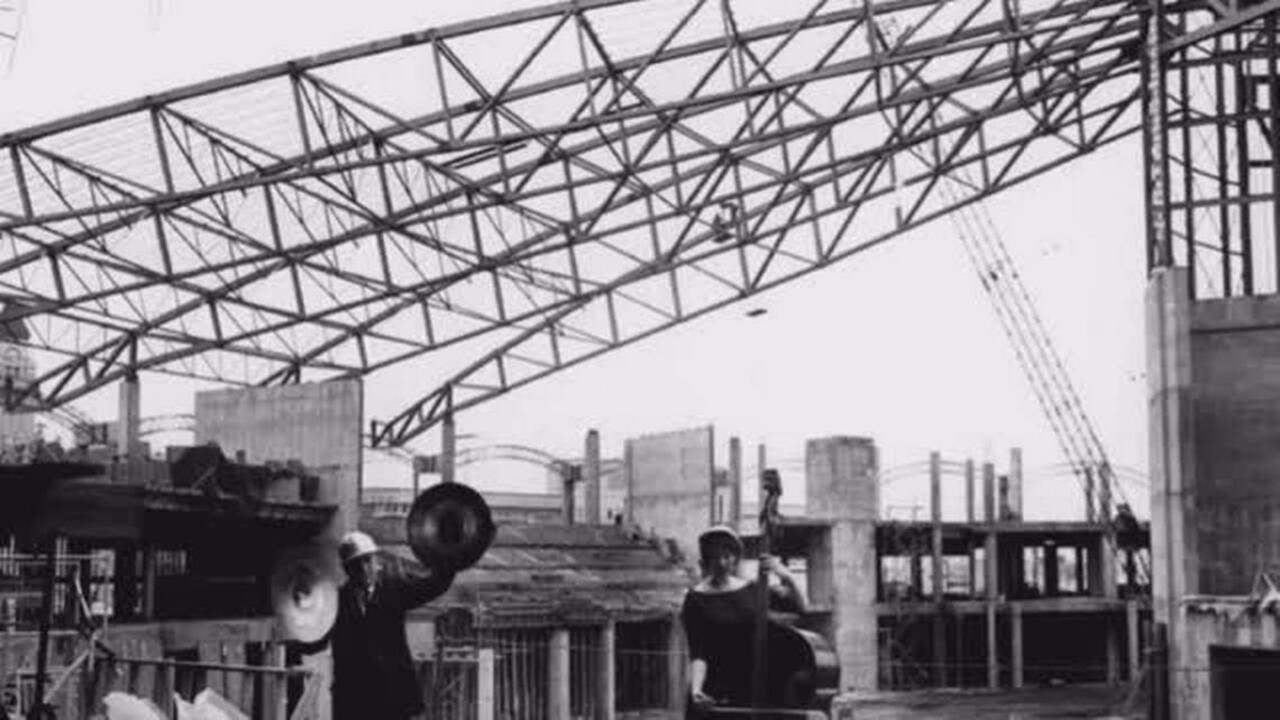
As the future of the riverfront remains uncertain, the issues around its development can be roughly broken down into three factions: those who want to replace Century II, those who want to renovate it, and those who say the city has much more pressing problems to deal with in its neediest communities.
Wichitans watching the action have questions about who the redevelopment will serve — and who will pay for it. In the past, many say insider dealing and racial segregation have left members of the public on the sidelines, and some fear that is about to happen again.
A recent poll of 800 Eagle readers between Sept. 27 and Sept. 29 has found 79.6% want multiple proposals about riverfront development, as conversations around the fate of the city’s iconic Century II Performing Arts & Convention Center — or the land it sits on — continue to spark new concerns.
.
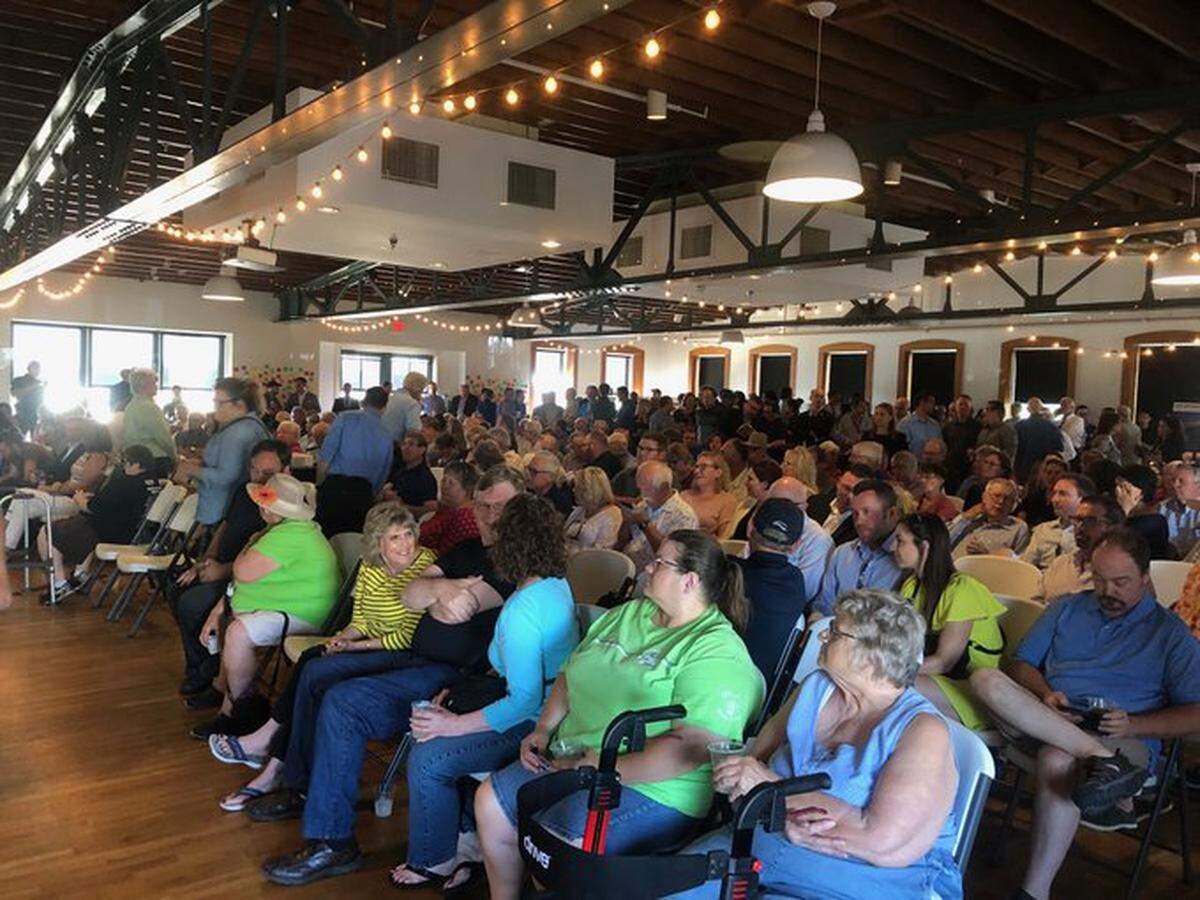
How the city handles the development of the Century II site and the swath of land surrounding it has become a litmus test for how Wichita’s leaders approach issues of equity, engagement and longstanding environmental hurdles.
While there have been two major studies — the Legacy Master Plan and Project Wichita, which polled 14,000 respondents on development of the riverfront — both have come under fire for the methodology used and the conclusions reached.
Throughout that conversation is a tension between what has traditionally been considered upper class amenities, like the performing arts, in a city where one in six citizens live in poverty, according to the U.S. Census — and between what the city’s traditionally white leadership wants and what communities of color or lower income may need.
“There’s some pretty stark segregation, socioeconomic segregation, in this city,” said Amanda Meyers, executive director of the Wichita Family Crisis Center. “And I think maybe because it’s a smaller city that it’s so stark, but I mean really, by ZIP code it’s pretty obvious where most investment ends.”
Now longtime residents who have rarely seen their communities represented in the process are wondering when the project will resurface — and say they have seen little indication that their voices will be heard.
James Barfield, a lifelong Wichitan and Black community leader, said that as he sees it, the process of upselling taxpayers has been underway on the riverfront for years.
The WaterWalk, for example, was originally pitched to the community as a mammoth tourist attraction with canals, boat rides, restaurants and an entertainment amphitheater.
The project was given $41 million in taxpayer subsidies that generated a development anchored by Gander Mountain outdoor product store that was later sold for a call center and now sits vacant; office space for the local Association of Realtors and Visit Wichita — both of which relocated from elsewhere downtown — and a limited-services Fairfield hotel.
The “water feature” was downgraded from boat canals to a “dancing waters” fountain about the size of a swimming pool.
City Hall has gotten nothing from a purported profit-sharing agreement with the developers and probably never will, because of the way the deal was structured.
“Now we fast-forward and we’re saying, damn it to hell what the public wants,” Barfield said. “The developers are saying we need to have a new attraction on our river.
“The taxpayers are saying, ‘We don’t need it.’ And many of them are saying, ‘We don’t want it. We just want an updated, renovated Century II.”
After an initial interview for this story, Mayor Brandon Whipple referred a request for comment to a city spokesperson, as did City Manager Robert Layton.
“The City allocates funding to downtown based on longstanding City Council policy direction,” the profit-sharing agreement reads. “This is supported by two principals (sic): public investment in downtown is aligned to a significant private investment (estimated at 11:1 in a recent Wichita Downtown Development Corporation report), and that everyone in Wichita benefits from a vibrant and active downtown.”
Where are we talking about development?
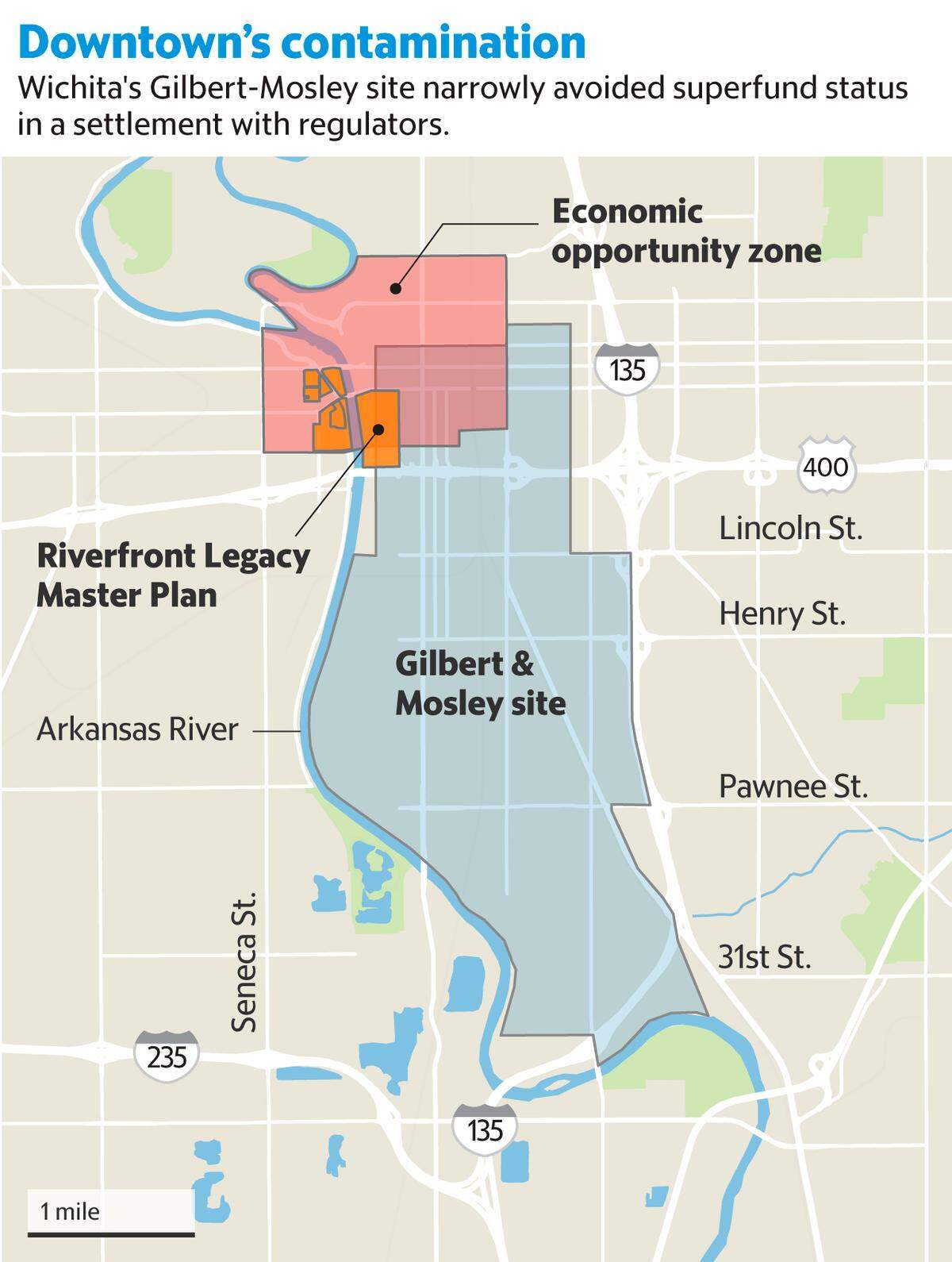
The area itself is fraught with various issues: a close brush with becoming an EPA Superfund site led to a 3,850-acre chunk, within which Century II sits, becoming wrapped up in years of litigation between the city and local businesses, after it was found in 1991 to be contaminated with heavy duty industrial chemicals.
The city’s checkered history with competitive bidding has also fueled criticism of the plan. And companies whose studies have been used to justify replacing Century II could end up with the contracts to design and build its replacement.
Firms involved in the Riverfront Legacy Master Plan and its research could ultimately financially benefit from the massive project, creating a perception, according to the Save Century II group, that the Riverfront Legacy Master Plan is a scheme to line the pockets of well-connected local insiders.
It has also raised red flags among voters who have become weary of city and county scandals in recent years, including a federal indictment of a sitting commissioner and fallout from a botched bidding process that led to the ouster a former mayor.
“I honestly believe that the Riverfront Legacy Master Plan in 2020 had a goal of moving forward with tearing down Century II, and that did not sit well with the people who I represent, clearly,” said Jared Cerullo, who was appointed to the city council in March 2021, after the pandemic had halted serious conversations about riverfront plans.
New questions arise
Some have questioned a 2018 survey, Project Wichita, that suggested a new convention center would help keep young people in Wichita, a campaign led by many of the same people who oversaw the Legacy Master Plan. The finding of a new convention center as a draw for young talent has become a talking point for boosters of the plan and a flashpoint for its critics.
Heywood Sanders is a public administration professor at the University of Texas at San Antonio, who came to Wichita in 2019 to talk about what he saw as flaws with both redevelopment plans.
He said if attracting and retaining young talent is the city’s top priority, development anchored by new performing arts and convention center facilities may not make the most sense.
“The relationship between young talent and the size or relative newness of a convention center is something that escapes me,” Sanders said.
“If you want to be unique, you build on your strengths as a community, and you don’t try to do exactly the same thing that literally everybody else is doing.”
The city is quick to point out that no decision has been made about what may happen to the iconic building, and that no public money beyond that initial investment in a forecasting study has been spent.
But Barfield said community engagement efforts around riverfront development have not been made in good faith. Local officials want to tell taxpayers what they want instead of asking them, he said.
“It’s always been this way. I mean, I’m sorry to say it, but Wichita has been doing things, to use the expression, ass-backwards,” Barfield said.
“The first thing you have to do is, you have to find out what people want since they’re the ones who are going to pay for it — not what the developers want, because the developers always want the latest and the greatest. That’s how they make money.”
What the data show
Experts in studying how similar projects become successful — or not — have also weighed in early and often about the city’s plans for Century II, and have been largely ignored. They have renewed their criticism during the project’s dormant phase, as a chance for a revitalized project becomes more likely.
“This has a long, long history in Wichita, and it’s generally the same folks,” said Sanders.
His 2014 book, “Convention Center Follies: Politics, Power, and Public Investment in American Cities,” offers a data-driven critique of the convention center industry, and he has been studying Wichita’s efforts at remaking its downtown for years.
“We can call them the chamber of commerce or, often, there is a downtown business organization,“ Sanders said. “Prior to the riverfront plan, there was the arena, and the Hyatt before that as a way to salvage Century II’s business.”
Esau Freeman, a local union leader, said there’s a disconnect between the city’s oft-mentioned goal of attracting and retaining young talent and the proposed solution of building new attractions, like a baseball stadium or performing arts center.
“We’ve been on a path for the last 20 years on a fairly sloped dive towards privatization and reduction of services,” Freeman said.
“The $24 a month I might save on some taxes, it really doesn’t benefit me as much as having swimming pools in my community and bike paths and parks, things that we can go and enjoy as families. And having government services, making sure our roads are taken care of and everything.”
City and county officials bristled at the suggestion that they should be focusing political capital and will on needs-based governance, saying that developers are just as important to the city as any other faction.
.png "Mid-Term+(5-10+Years).png")
“The government does not ‘peanut butter’ spending across the region or necessarily focus it in areas perceived as having greater immediate needs,” County Commissioner Jim Howell, District 5, a Republican, said in response.
“Furthermore, whatever decisions are made are not consequences of political pressure, in my opinion. Elected leaders should support things only when they make sense.”
Environmental hurdles remain
City officials have also known since the late 1980s that the majority of the downtown core sits on a contaminated site from decades of pollution by factories and oil companies in downtown Wichita.
City-commissioned engineering studies have projected that the polluted groundwater would take 70 years to clean up. At the earliest, it would be remediated by 2042.
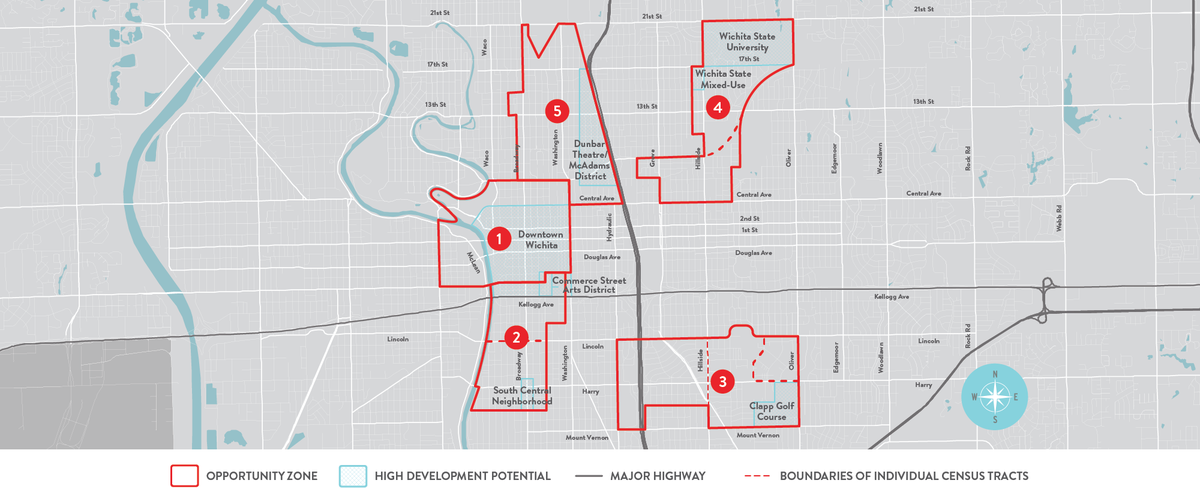
Despite that, the city has marketed all nine of its opportunity zones, as most towns and cities do, because of the deferred tax rates business investing there can reap through the federally-created program, including a 10% of capital gains if the property is held for five years or longer, and a 15% gain if it isn’t sold within seven years. Businesses located in an opportunity zone see significant tax breaks and benefit from a federal program with little to no transparency.
The Eagle’s recent poll found that 56% of 769 respondents would invest in or live near groundwater contamination.
Zack Pistora, a lobbyist for Kansas Sierra Club, said any plan moving forward must take into account decades of environmental racism and poor planning in the past, which allowed areas of major pollution to spread in low-income communities.
“The Gilbert-Mosley contamination site leftover by irresponsible industry is one prime example,” Pistora said.
Is a convention center the best choice?
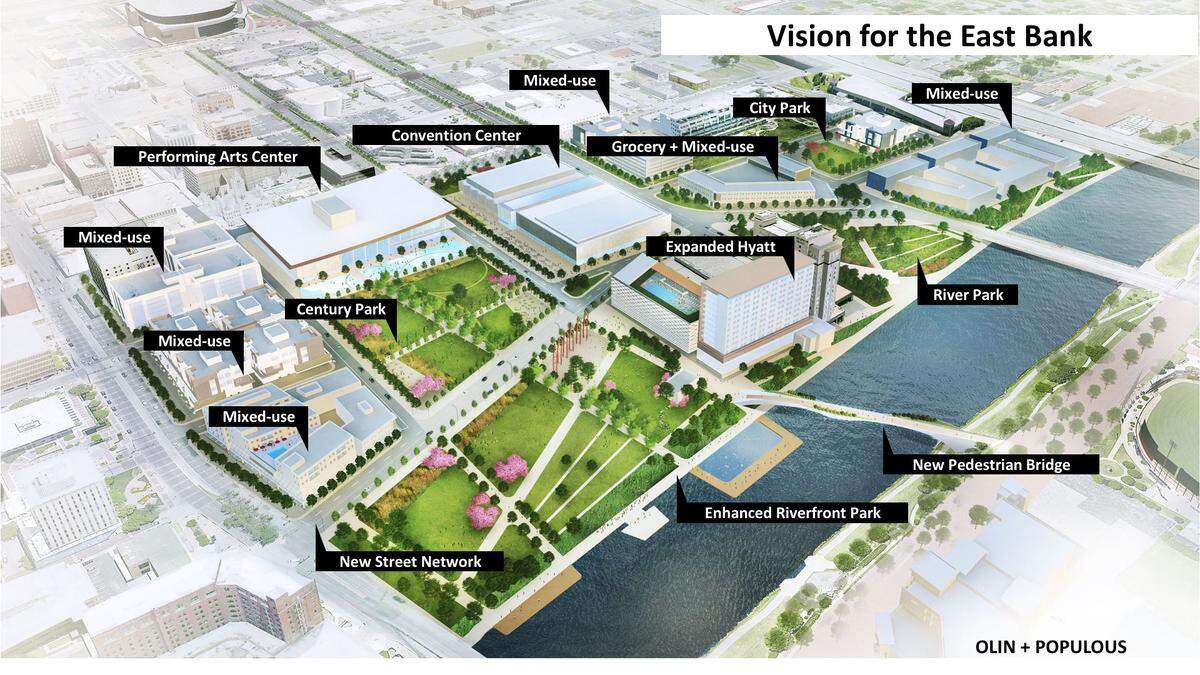
Most of the plans so far commissioned for the area have called for tearing down Century II and replacing it.
The city of Wichita and Sedgwick County in 2019 each spent $100,000 on designs for what is now called the Riverfront Legacy Master Plan to study different options for the riverfront and surrounding area.
In it, four of the five design options presented in the Riverfront Legacy Master Plan, including the one that was finalized to be presented to the council, called for replacing Century II.
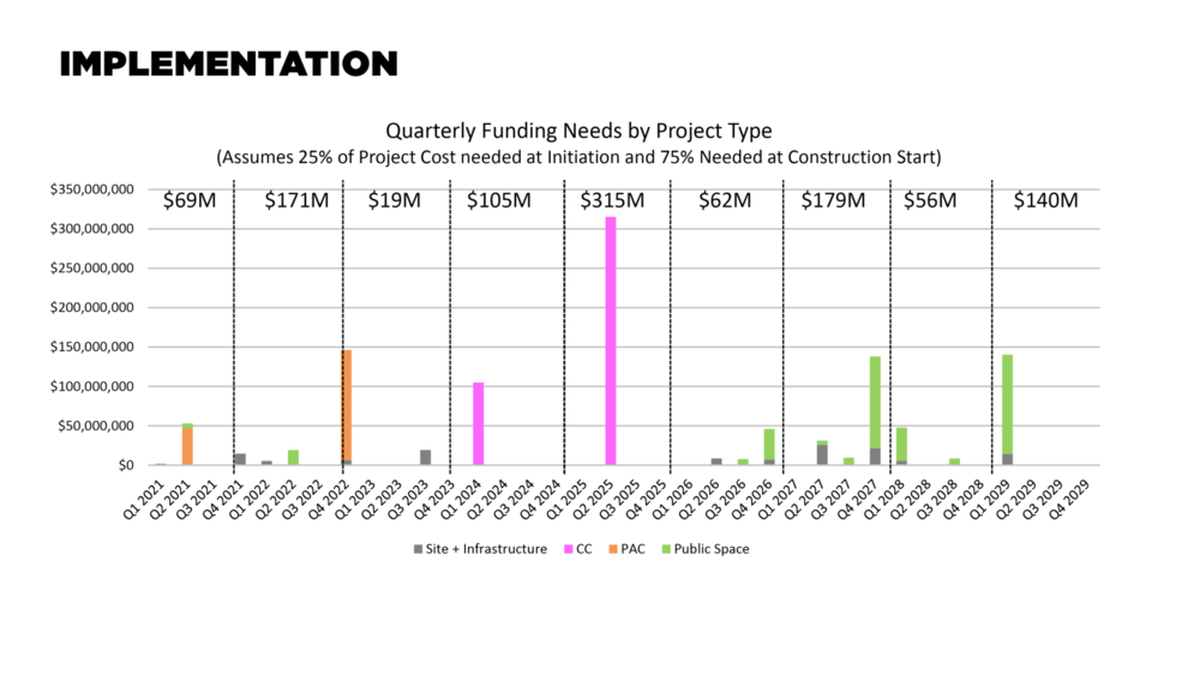
Previous consultants have recommended that as much as half of the funding for the roughly $1 billion Riverfront Legacy Master Plan project should come from a city- or county-wide sales tax.
It was never presented to elected officials for a formal vote.
Critics of the $1.2 billion Riverfront Legacy Master Plan point to what they see as an air of inevitability about the fate of Century II, which they would rather see renovated or repurposed than torn down.
Community activists hoping to save Century II collected more than 17,000 signatures for a binding referendum, but the city took the issue to court, arguing that the vote shouldn’t be binding. In August of 2020, a Sedgwick County judge threw out the citizen petition, and in February of 2021, Save Century II lost a bid calling for a binding referendum on the buildings’ future.
Who wants riverfront development and why?
How the Legacy study was conducted has continued to raise questions among residents about who might ultimately benefit from any downtown development plan.
Funding for the rest of the Legacy plan was varied: $700,000 was committed by an array of private and quasi-public groups, including the Wichita Chamber of Commerce, Visit Wichita, Downtown Wichita, Greater Wichita Partnership, Wichita Community Foundation and W, an association for young professionals.
.png "Long-Term+(10++Years).png")
Riverfront Legacy spokesperson Tami Bradley said in a statement that Ruffin Companies (Hyatt) and the Jack DeBoer Family both donated $50,000 to that effort, while the Kansas Health Foundation contributed $40,000. Both DeBoer and Ruffin stand to benefit financially from any plan that would maximize economic activity on the east bank.
That money went to Populous, an international design firm previously involved in studies critical of Century II, which generated five potential development plans.
Criticism focuses on recent studies
In 2018, local industry and business leaders created Project Wichita, which surveyed nearly 14,000 people living in and around a 60-mile radius of Wichita, asking them to weigh the relative importance of 42 strategic items to better understand their vision for the region.
But how that data was collected, some of it via do-it-yourself home kits and without in-person researchers present, has become a common refrain among critics of the plan, who say they have not had a chance to voice other options.
They have also criticized the plan’s conclusion that a new convention center would be key to retaining young Wichitans who leave the metro area.
“Creating opportunities to retain college students” was the No. 1 strategic item, based on more than 87% of respondents marking it on the survey as a “very important investment” or an “essential investment.”
But a 2013 CSL study commissioned by Visit Wichita found national organizers had only limited interest in using new Wichita convention center space. Just 8% said they would “definitely” or “likely” use the space while 30% said they would “possibly use” it. The remaining 62% said they were “not likely” or would “definitely not” come to Wichita.
A seat at the table
Pistora said that environmental groups are keeping a close eye on Wichita’s development plans, even if they may appear to be primarily aspirational right now.
“Major projects going forward should include the involvement of the community of people most impacted,” Pistora said.
Barfield said efforts to raze Century II fit into a decades-long pattern of city leadership capitulating to the will of self-interested developers.
“The city of Wichita, for far too long, has gone along with what the developers want and not necessarily what the people want,” Barfield said. “The developers never ever want to talk about renovating anything — Century II, the library ... the Kansas Coliseum. None of it.”
The Eagle reached out to all six sitting City Council members, all five county commissioners and Whipple to respond to critics in this article.
Most referred to a statement that stressed any project surrounding Century II has not been formally approved, but some were willing to respond to criticisms raised by community members.
Howell, Sedgwick county commissioner for District 5, said that comparing public spending on social services for the neediest Wichitans to what the county may potentially spend on their share of a private/public development is a false equivalency.
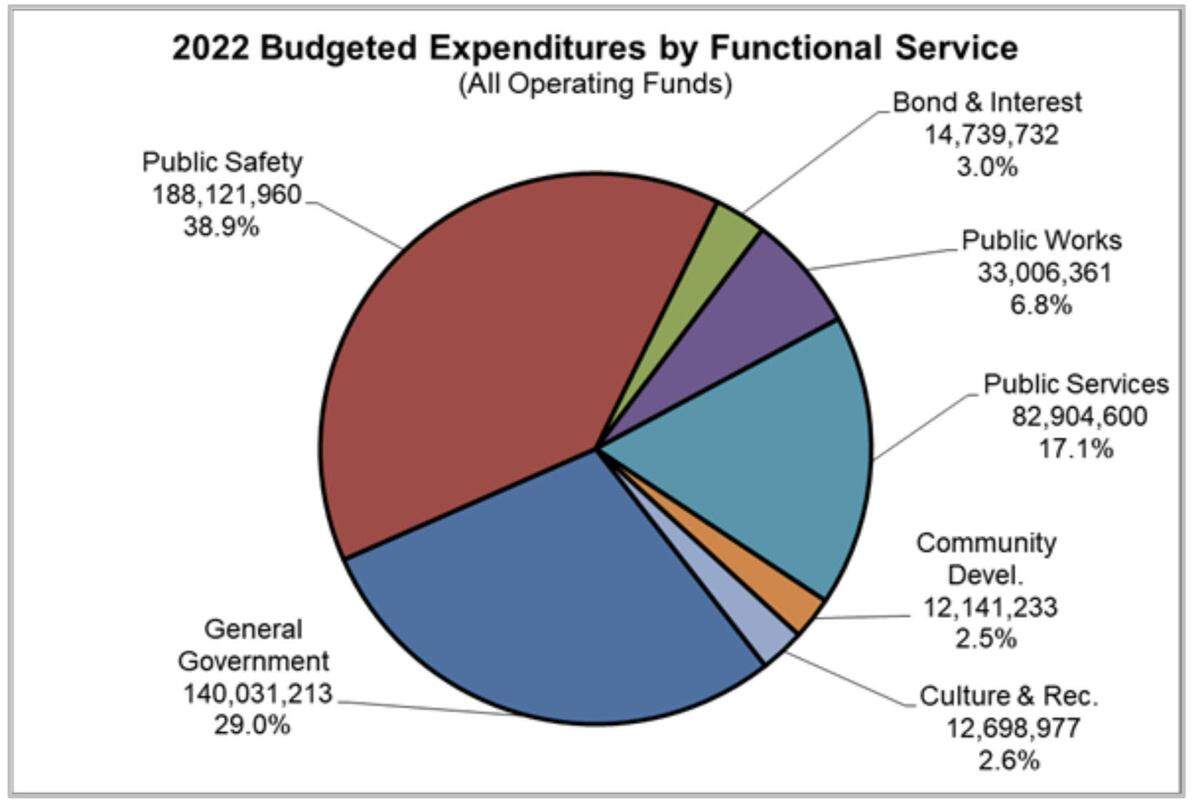
“The premise that we have helped private investment over helping people with needs is untrue. The county supported programs that help protect people or lift people up are by far the greatest part of the budget, [in public safety and public services].” Howell said. “Some of the spending is especially focused on less affluent areas and communities of color.”
Commissioner Pete Meitzner, District 1, agreed with Howell, a fellow Republican, arguing that investments in the private sector and a favorable business climate drive growth and pointed to federal- and state-funded programs as an example of the city’s role in helping its most distressed communities.
“Last year Sedgwick County pushed out $21.9 Million in CARES funding to our community during the pandemic to assist public health and social service agencies and business and nonprofits,” Meitzner said. “Annually, Sedgwick County budgets over $82 million dollars to support those less served in our community through our public services programs such as Aging, COMCARE, Developmental Disability Organization, Health and the Child Advocacy Center.”
David Dennis, county commissioner for District 3, sought to distance the county from any perception of misdirected spending, saying the county has been barely involved in the Legacy Master Plan, with only one commissioner who worked on it.
That representative was former Commissioner O’Donnell, who was voted out of office last November after The Eagle exposed his role in a smear campaign against then-mayoral candidate Brandon Whipple.
O’Donnell was outspoken in his criticism of the coalition, which he called a farce used to justify razing Century II and replacing it with private development.
“We’re in an echo chamber (on the coalition) I think,” O’Donnell said in December 2019. “Anybody asking questions or pushing back is getting discounted … I’m wondering if these other people are even listening or if truly nobody’s talked to them about it.”
Since O’Donnell’s resignation, no county representative has replaced him on the Riverfront Legacy Master Plan coalition.
“Now the plan is in the hands of the city of Wichita, not Sedgwick County. The county has always tried to be a great partner with our communities,” Dennis said, going on to list projects spearheaded by the county including the Intrust Bank Arena, Exploration Place, the Sedgwick County Zoo and Park and WSU Tech.
Neither Democrat on the county’s board of commissioners would comment: Commissioner Sarah Lopez, District 2, declined to comment, saying she needed time to learn more about the process; and Commissioner Lacey Cruse, District 4, did not respond to repeated requests for comment.
Critics of the plan said they were not surprised that the issue has become a catalyst for conversations about what the city’s future may look like.
“At some point, the politicians are going to have to be honest with people about the fact that we have to tax because it’s a money in, money out situation,” Freeman said. “They can’t just keep pretending we’re doing more with less, because we’re not. It’s a lie.”
What else could the city need?
Critics of the Legacy Master Plan say local government should focus on building things that have a broad appeal for residents who live here, not just try to attract visitors from out of town. Sanders urged city leaders to engage in a more thoughtful process about what the city truly needs.
“If you’re going to spend tens, hundreds of millions in all likelihood, if not a billion, in Wichita’s case, depending upon how it works, you want to ask the question, ‘What is your goal here? What is it you’re trying to achieve?’” Sanders said.
People frustrated with the development process said the future of how downtown looks should be up to all its citizens, and that might mean less development and more focus on a skilled workforce or education.
“I don’t think that it’s buildings,” Freeman said. “Quite honestly, I think the baseball stadium was a rethinking of kind of an outdated group of ideas there. We’ve got a brand-new, expensive stadium, but I think there’s a lot of other things that young people engage in now and that the city maybe should have been looking at more trends like that.”
“I think the things the city should be focused on to make this a better place for people who live here would be to do a myriad of things — pass this nondiscrimination order, change the marijuana laws in our state and our city, have a better relationship with community members and have nice parks and swimming pools for us to go to.”
Sanders said the data show that a “constellation of downtown business and development interests” usually drive cities to make major public investments in convention centers and related amenities, not public input — and that Wichita is no exception. But convention centers traditionally bring people from out of state, many of whom do not stay overnight, according to Sanders data.
“If you are trying to make downtown Wichita an exciting, lively place, then it strikes me that the thing that you most want to do is get folks who live in metropolitan Wichita and the immediate region to come downtown.”
.png "Funding+Realities (1).png")
This story was originally published October 3, 2021 at 4:00 AM.