How Wichita got here: past projects, failed sales tax vote
READ MORE
What’s next for downtown and the riverfront in Wichita?
The pandemic stalled progress on development, but it’s time to look again at the proposals and ideas for the future of Wichita.
Expand All
The city’s latest campaign for a sales tax, championed by many of the same downtown boosters behind the Legacy plan, failed in 2014.
The $450 million plan would have funded drought-protection and water infrastructure, transit, and street maintenance, but was rejected largely because of an $80 million “job creation” fund aimed at giving cash incentives to companies, which was seen by many as a giveaway to businesses.
How other area businesses and nonprofits might see an uplift from east bank development isn’t clear, but one example floated by stakeholders has been a benevolence fund.
“The challenge will be, what if we move forward in development that said, not only are we developing downtown that river walk, but we also know that there are needs within that downtown community, for those that are homeless or addicted,” said Doug Nolte, chief executive officer of the Union Rescue Mission, which helps the homeless and is planning a new shelter near Century II.
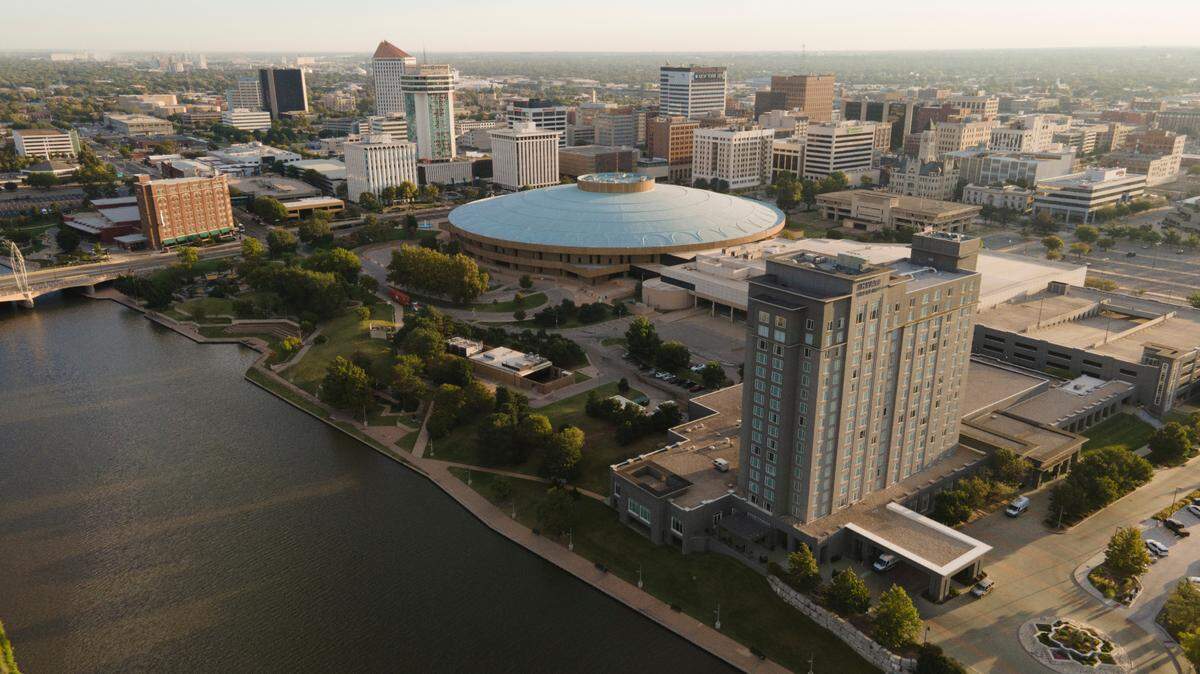
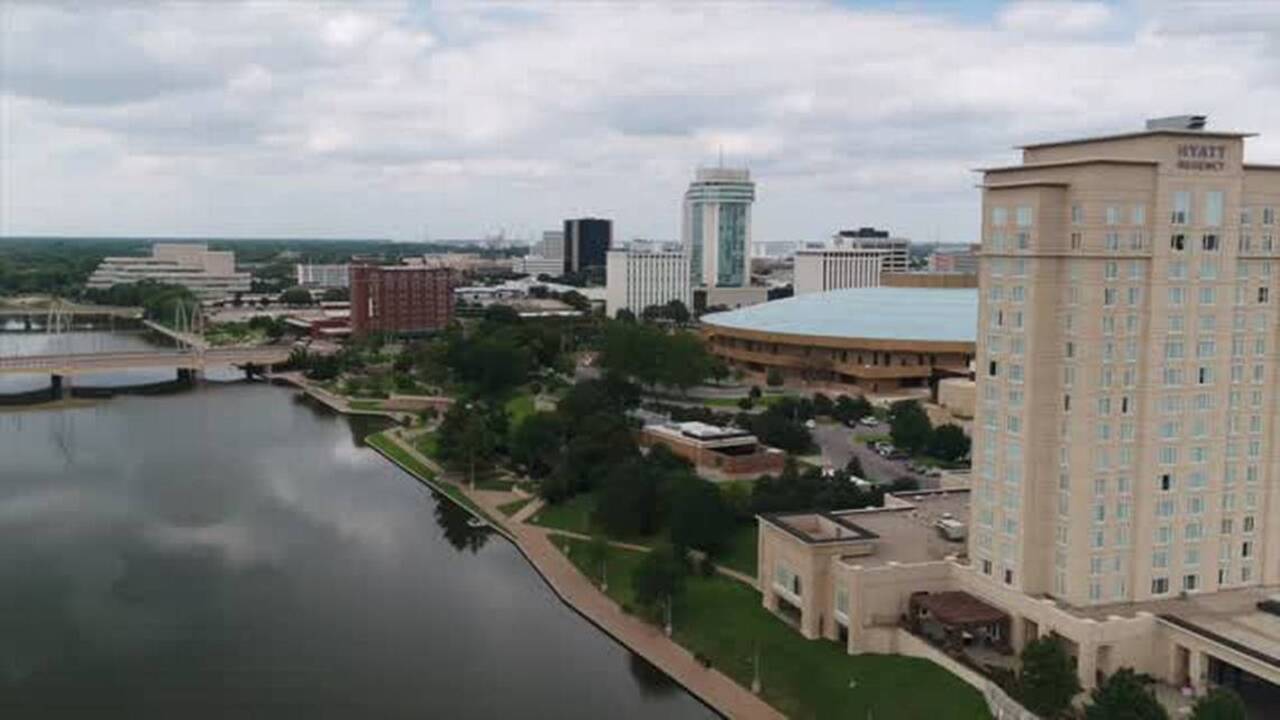
Intrust Bank Arena, which Sedgwick County voters approved at the ballot box in 2004, cost more than $183 million to construct. That kind of development so close to some of the city’s poorest neighborhoods has been tough for less-advantaged neighborhoods.
“I think other communities that are similarly sized, that have grown and are robust, don’t just rely on that kind of private investment in businesses and money-making,” said Amanda Meyers, executive director of the Wichita Family Crisis Center. “The most successful communities, Nashville, Austin, Omaha, really have both.”
City voters who were interviewed for this article cited several examples of past public subsidization of private businesses that have raised eyebrows, mostly notably in a $22 million local soccer stadium, a $10.2 million subsidy for Topgolf, and 1,000 no-bid contracts worth a half-billion dollars at the state level from 2011 to 2018.
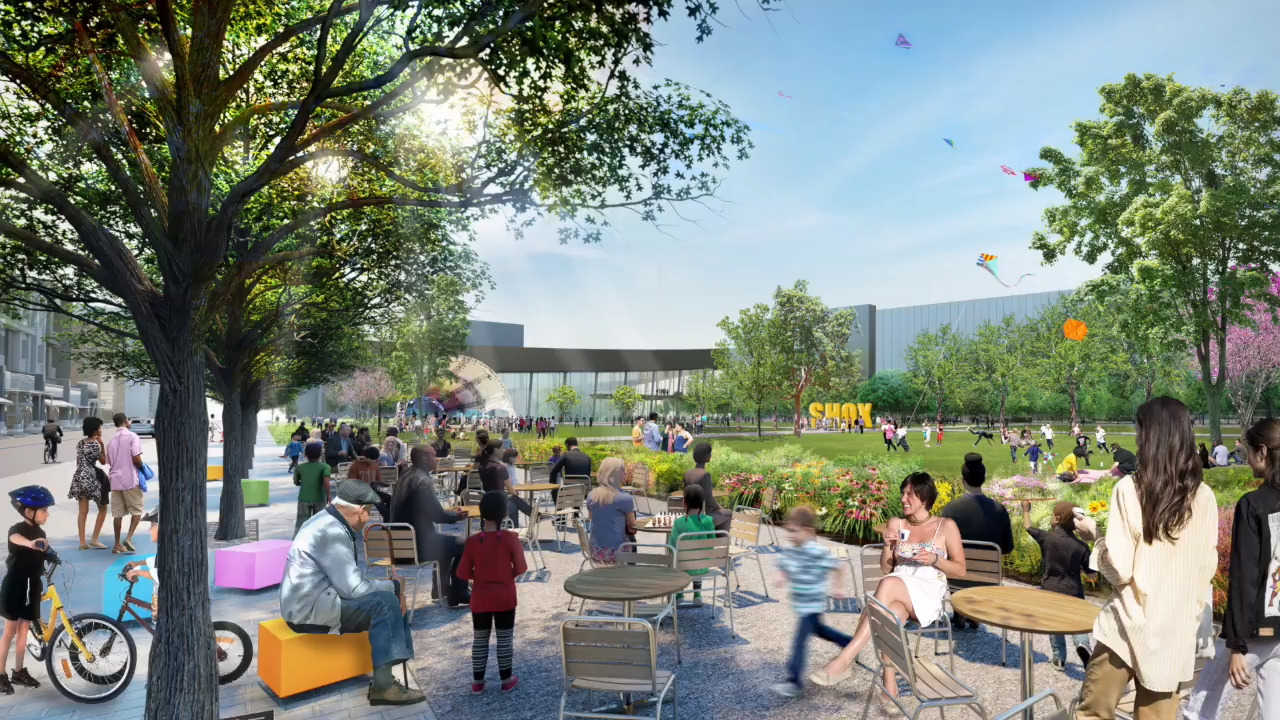
That wariness has led to the Riverfront Legacy Master Plan being viewed through the lens of other city projects plagued by accusations of cronyism and a lack of competition.
Recent examples include the Northwest Water Treatment Plant, Riverfront Stadium, River Vista Apartments, the new Eisenhower airport terminal and private management agreements for Naftzger Park, the Wichita Ice Center and Century II.
GLMV Architecture and Hutton Construction had a hand in assessing the building and could stand to benefit from a major renovation of Century II or new centers for performances and conventions. Their 2016 assessment of Century II has been criticized for adding millions of additional dollars for aluminum paneling and other frills into their renovation-cost estimate.
Neither company’s leaders would commit to refraining from participating in any Riverfront Legacy Master Plan projects, despite their involvement in the plan.
“For me to not pursue these projects wouldn’t be fair to the 300 incredibly talented people I call team members and work with everyday,” said Ben Hutton, CEO of Hutton Construction and chairman of the Wichita Chamber of Commerce, a partner in the Riverfront Legacy Master Plan.
“... For me to disqualify them from that opportunity solely because I helped shepherd a process to set a vision for our city would not be right.”
Hutton and Bill Livingston, former chairman of GLMV Architecture, said they’ve been involved for the love of Wichita, not out of self interest.
“Do we have a financial stake in the plans for the future of Wichita? Absolutely we do,” Livingston said. “But no more than every citizen of our great city. The future for our children and grandchildren is at stake and we are all responsible for creating the best possible opportunities for them.”