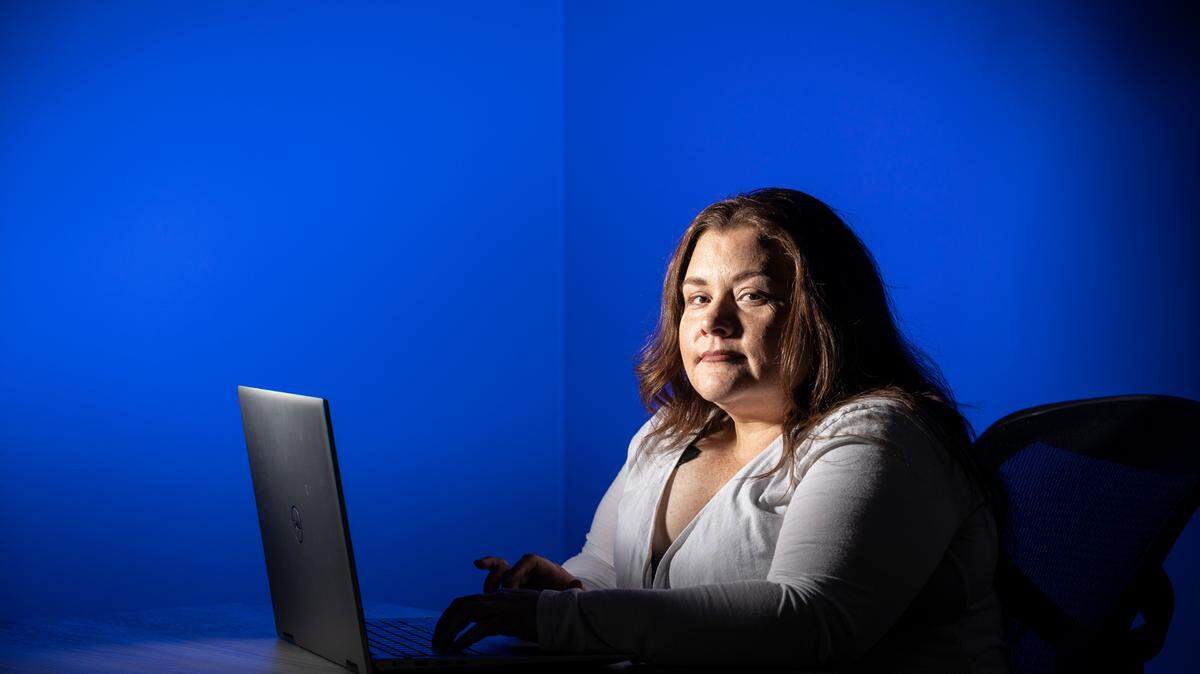
Remote work isn’t going away. Can it bring a new generation of workers to Wichita?
READ MORE
Working in a pandemic world
The novel coronavirus has changed the landscape of work in Wichita, Kansas and the U.S.
Expand All
When Kayla Vix drove from Washington D.C. to Wichita to visit family last July, she thought she could be in town for a month.
As three months went by, then four, she was still in Wichita. She brought a lot of her belongings with her — including her cat — and knew she could work remotely.
“It was very up in the air,” Vix said. “The longer I stayed, I realized my lease was up on my apartment in October, and this thing (the pandemic) doesn’t seem like it’s ending anytime soon.”
Vix, 32, ended her lease in Washington and decided to stay in Wichita. The rest of her possessions sit in public storage. The national nonprofit Vix works for is renovating a new office, and her boss allowed her the flexibility to spend more time with family and save on rent.
After a year of remote work and lingering questions nationally about its permanence in the “new normal,” development leaders in Wichita are looking to attract more talented, young “boomerang” workers like Vix — or retain young Kansas college graduates in the first place.
“I think the world is forever changed in that companies are going to be required to allow their employees to work from home more often, because we all know how possible it is,” Vix said.
A focus on attracting and retaining workers to Wichita isn’t new. But the pandemic has spurred urgency for those efforts, as some large companies in major cities like Salesforce and Dropbox transitioned to allow employees to work from anywhere.
Wichita’s talent experts are asking: What would make those workers want to move to Wichita? Is that even likely to happen?
“I think some people really buy into the idea that there’s gonna be this mass change in where people live and work,” said Scot Rigby, director of development services and assistant city manager for the city of Wichita. “There may be some, but I think they previously had that ability.”
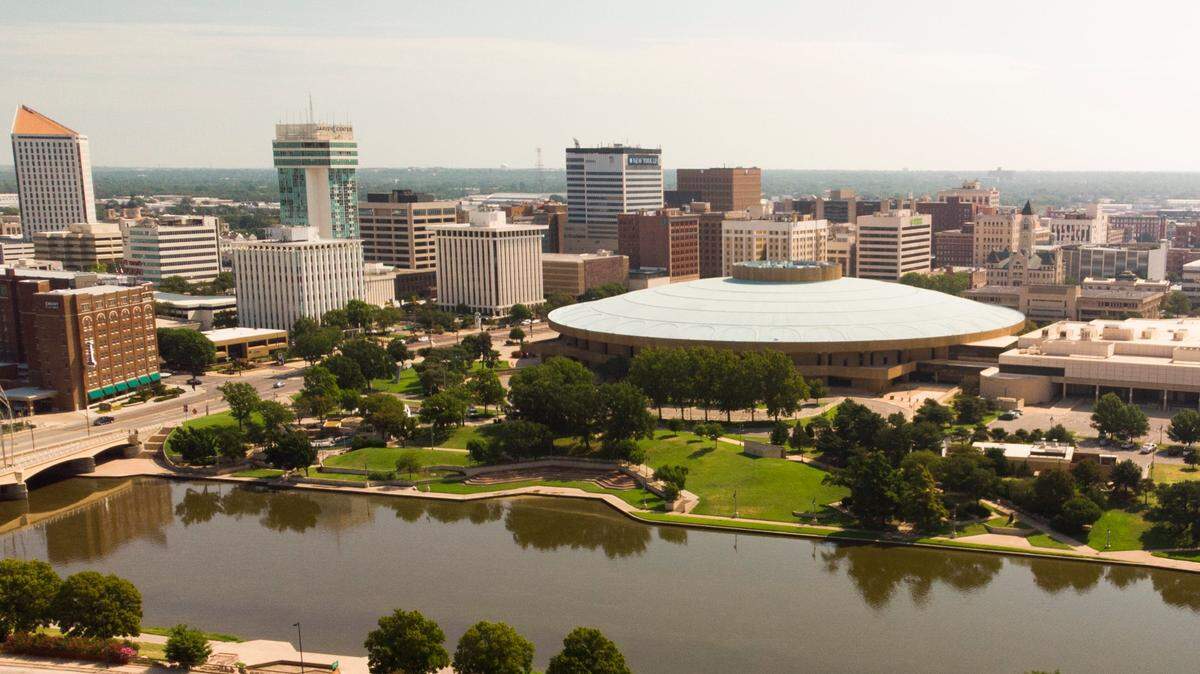
While most experts say we’re not likely to pull in a wave of new residents from Silicon Valley, we do have an opportunity to look closer to home.
“The bigger impact I think is for our existing workforce, or the kids in universities or colleges, who maybe in the past said I’ve gotta move to Chicago or New York to work for that firm on Wall Street,” Rigby said. “Maybe our recruitment is more focused on, how do I keep that person here?”
More people moved away from Kansas last year than moved into the state, according to a 2020 study from United Van Lines. The primary reason for moving — in or out of the state — was related to a job. Kansas made the list for the top 10 outbound states in the country last year.
Sedgwick County last year had a growth rate of negative 2.7%, according to population estimates from the Center for Economic Development and Business Research at Wichita State University. The Center also projects the number of young people aged 25 to 29 will decrease across Kansas from 2020 to 2030, while the population of people aged 20 to 24 could remain stagnant over the next decade across the state.
Every young worker makes their own decision about where to live and work for various reasons, and many did last fall because of financial stress. But to push those workers to consider Wichita, leaders said the focus should remain on downtown development and transportation, while remaining clear about challenges.
Advertising relocation
Some cities are willing to pay workers to move there and start a new life.
The Choose Topeka program offers up to $15,000 to relocate to the Kansas state capital. Tulsa Remote offers a $10,000 grant and other benefits to remote workers who move to Tulsa.
Instead of an incentive program, Wichita has a website called Choose Wichita, an initiative of the Greater Wichita Partnership.
Anne-Marie Coughlin, the executive vice president of talent for the Partnership, said the website is a one-stop shop for anyone looking to stay in Wichita or see what’s happening here.
The site has a toolkit for employers and a job search landing for workers. It’s meant to answer questions prospective Wichitans might have: What’s the cost of living? What is downtown Wichita like? How much does it cost to buy a home in Wichita?
The site saw a large increase in visitors in 2020 compared to 2019. However, the traffic came mostly from people seeking information on the “Get Trained. Get Paid” campaign that connected local, laid-off workers with jobs and training resources. At the same time, views of blog posts about life in Wichita also rose.
Drawing in new remote workers, much like brick-and-mortar businesses, is an ongoing effort, Coughlin and others said. Continuing the work of the Project Downtown master plan will help push that energy forward.
New downtown developments like the proposed DO school — the Kansas Health Science Center - Kansas College of Osteopathic Medicine — can also appeal to employees considering a relocation, Rigby said. The project would bring more young people and students downtown who could regularly patronize businesses in the area. Same with the new Wichita State culinary school locating downtown.
It shows prospective residents that Wichita continues to make improvements and investments in the city, which Rigby said people want to see.
The more people doing well enough financially to continue to rent or buy homes in Wichita, the more money flows into the local economy, Coughlin said.
“Attracting workers and attracting companies are an ‘and’ not an ‘or.’ I don’t think we’ll ever go one direction or the other,” Coughlin said. “We know that the success of the region will continue to be attracting jobs, attracting talent and building a quality of place.”
Downtown development
A remote employee will choose a city where they can enjoy life outside work, said Rigby. Good schools, low crime levels and nice parks all contribute to a worker’s decision.
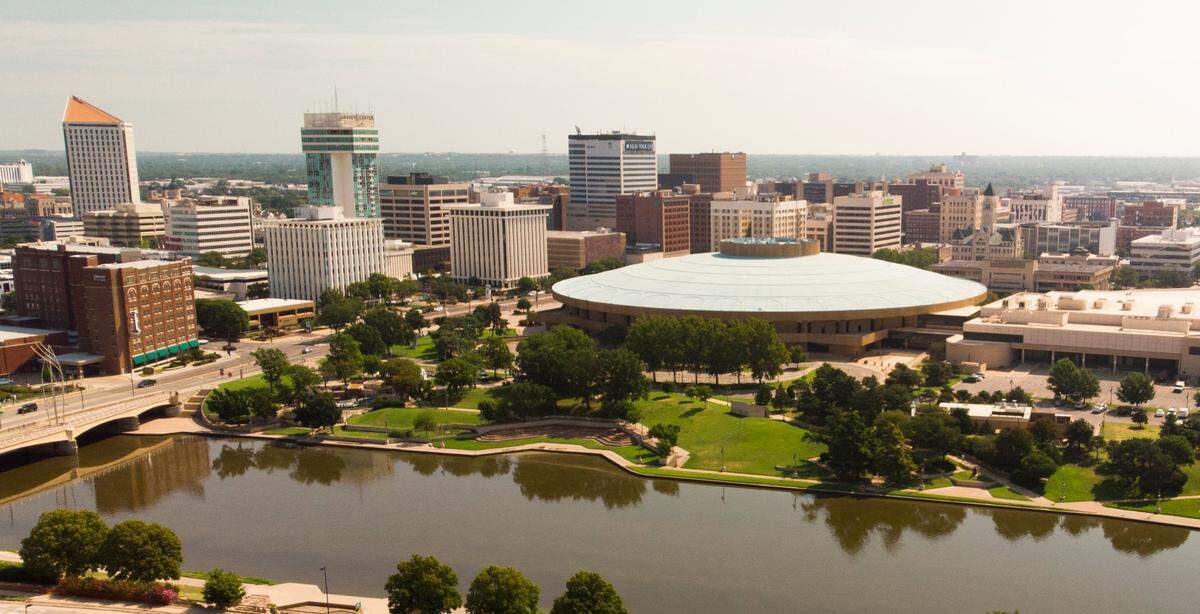
But one of the most important elements to attract workers to Wichita is an energetic downtown, particularly for a younger workforce, Rigby said. Those employees want to see a dynamic downtown area with a cheaper cost of living than other major metros.
Studies show young people in the millennial and Gen Z generations want “distinctive, vibrant downtowns,” said Jeff Fluhr, president of The Greater Wichita Partnership. To attract those workers, it’s important for downtown Wichita to have local businesses that are reflective of the community.
Jason Gregory, executive vice president of Downtown Wichita, thinks there’s a high likelihood people will relocate if their career allows it.
“People have choices now,” he said. “And quality of life will be a big determinant of where to live.”
Someone who lived in a loft in downtown Chicago might not have had a comparable living option in Wichita in years past. Now they do, Gregory said, as new housing developments opened in downtown Wichita. The low cost of living and rents in those buildings could also appeal to people who paid more in Chicago.
At the same time the prospect of remote work pushes the need for a vibrant downtown, cities across the country could face a reckoning over development in urban cores following the loss of downtown office space.
When employees work from home, fewer people are wandering about downtown during lunch or happy hour. Downtown Wichita business owners sounded the alarm earlier this year that favorite places might not stay open if they don’t get needed support.
Less office space rented downtown could eventually mean local governments collect less property tax too, according to Governing.
“But the truth is we just don’t know yet how office space will shake out,” Gregory said. “I think it’s false that everyone is comfortable with remote work.”
Fluhr said the Partnership still sees regular inquiries about downtown Wichita. In fact, he said the pandemic might actually spur some companies to open new downtown office space.
For example, Santa Barbara-based cybersecurity company Novacoast announced in February that it would open a new office in downtown Wichita and hire local workers. Novacoast’s chief executive officer said COVID-19 pushed the business to search for another location, seeking geographic diversity so it can operate in the pandemic even if some cities or states imposed restrictions.
Fluhr believes people will return to public spaces again when the COVID-19 vaccines send the community into a “new normal.” Young people want to live downtown because they can access a variety of shops, restaurants and other amenities in one single area.
“People live downtown because it’s walkable, it’s a cultural environment,” Gregory said. “There’s no need to drive, you can walk or bike to work, it’s not a suburban lifestyle.”
When Vix first returned to Wichita years ago, she lived in an apartment downtown. She felt connected to the city there and felt there were benefits to getting around easily.
She also enjoyed access to the Q-Line, a free trolley that runs along Douglas Avenue and transports people among core neighborhoods around Old Town.
Connection and transportation
Alejo Cabral, the director of W/ A Community of Young Professionals, said Wichita doesn’t have the type of connected environment young workers seek out beyond a downtown core.
“We are a city designed around cars, and I think that young professionals now more than ever are starting to look at communities that are built around people,” he said.
Developing more connectivity between an energetic downtown and Wichita’s neighborhoods would help many young professionals feel more comfortable, Cabral said.
While there’s no single solution to build that connectedness, he thinks Wichita should think big.
“Can we create a light rail system? If you look at old photos of Douglas Avenue, we used to have a light rail system,” Cabral said.
A rail operation could connect all the universities in Wichita, or join together the Sedgwick County Zoo and museums.
A 2010 study for Wichita Transit found that a light rail system wasn’t warranted at the time, because it requires a high population density. More employees per acre in a city could change that, according to the report.
“That’s a big investment, but at the end of the day, as a community, if we wanna grow, we should plan to grow,” Cabral said. “So that we don’t become an Austin, where we grow so quickly that we don’t have the money, the space or the time to build the infrastructure necessary to support the people we’re moving here.”
A new rail system is a multi-year project, but Cabral thinks the jobs created for construction, maintenance and operation of the transit would benefit the city overall.
Even without big changes, there are ways to expand transportation in Wichita beyond cars. Cabral said increased bike lanes could allow people without a vehicle more easy access to downtown and its economic opportunities.
Marketing diversity
Bike paths should ultimately extend beyond downtown into Wichita’s neighborhoods, Cabral said, making it easy for current and new residents alike to explore new areas.
Young professionals want to see transportation that connects and celebrates nearby, diverse neighborhoods, Cabral said. He pointed to Chinatown in San Francisco and the way San Antonio has embraced its Hispanic heritage.
“Being a diverse city is how they market themselves. That’s awesome,” Cabral said. “Those are the things we should be doing too, because those are things that young people see and then feel welcome there.”
Cabral said the city could invest in its diversity by showcasing local events and people like the Dockum Drug Store sit-in, the nation’s first youth-led organized sit-in against segregation which occurred in Wichita; the revitalization of the Dunbar Theater in the historic Black neighborhood of McAdams; Hattie McDaniel, the first Black person to win an Oscar, who was born in Wichita; and the Horizontes project, a grain elevator mural that celebrates diversity in north Wichita.
“As a community, we need to learn to celebrate and embrace our differences,” Cabral said.
Vix agreed that Wichita should celebrate local history like the Dockum sit-in because it could help change outside perceptions that people might have about Wichita as a smaller city in the Midwest.
“I would encourage folks who are thinking about coming to live in Wichita to really dig into that,” she said.
Challenges ahead
Remote work exposed new opportunities for Wichita. But while some employees could relocate and work remotely permanently, others can’t wait to return to the office.
Paul White is a licensed psychologist in Wichita who studied the mental impacts of appreciation in the workplace even before the pandemic. Last spring, he published research in Psychology Today about stressors on new remote employees in the pandemic.
He found that such a dramatic shift in most workers’ environments had negative effects on their mental health and their ability to focus at work.
Not everyone feels the same, of course. Others are happy to have the flexibility that comes with remote work.
But if employers plan to permanently implement remote work, and allow employees to relocate, managers should be proactive in building team relationships to lessen the impact on workers’ mental health, White said. Team interactions make workers feel valued, even miles apart.
White also studied whether or not different demographics of workers would be more or less stressed by remote work. He assumed employees with children at home would be more stressed.
“But everyone was equally stressed,” White said. “One characteristic that makes a difference is how introverted or extroverted someone is.”
Research shows women have left the workforce in record numbers during the pandemic. Remote schooling for young children tended to have an impact on the careers and personal finances of working mothers.
Andrea Hattan, founder of The Hive, a coworking space and networking community for Wichita women in business, saw firsthand how working women in Wichita bore the brunt when USD 259 elementary schools went remote last winter.
Trying to work while educating a young child can hurt working hours and productivity over all. However, some of the problems women have faced in the workplace during the pandemic and virtual education might not stick around if remote work lasts beyond online learning, Hattan said.
A new Census Bureau study shows the unemployment rate for women fell by more than half between April 2020, when children were sent home from school, and January this year.
In fact, with adequate access to child care, Hattan thinks remote work could even further women’s careers.
“It allows them to continue to move forward in their career to start a business and not have to wait until their kids are in school,” she said.
Having a flexible remote work schedule would allow working parents to drop a child off at day care or school without having to sit at a desk in an office from 8 a.m. to 5 p.m.
Hattan grew up in Wichita and moved away after graduating high school. After a decade living elsewhere, she returned to the city and now runs her own business here.
Having more, younger workers in Wichita would challenge the community in a good way, she said.
“To get Wichita to be a place where people want to do remote work, we have to continue sprinting ahead to improve our city and change our mindset,” Hattan said.
New energy
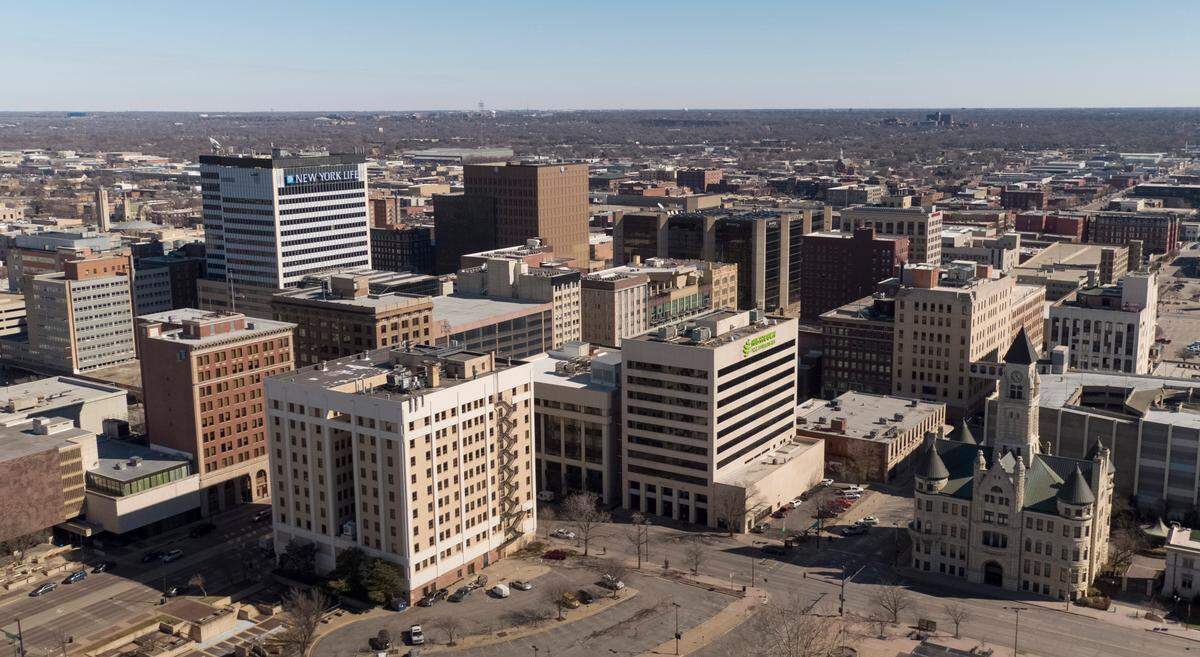
While obstacles lie ahead, workers will continue to evaluate their choices. Many are still making decisions that could change their trajectory for years to come.
Not everyone wants Kansas college graduates to stay in the state forever, either. Some experts find an economic benefit in young workers who leave to gain experience elsewhere, but bring new knowledge and talents back home.
“When they come back, they bring that energy to Wichita,” said Hattan. “Most of the people I know here making big changes have also lived elsewhere.”
About 6% of the U.S. workforce is what Apartment List considers “untethered” in a new report — a class of workers who are young, highly-educated and mobile. They are the employees with remote-friendly jobs and no school-aged children. They rent, instead of own, their homes and don’t have a spouse who needs to stay put.
Ultimately, they are the type of employees that Wichita wants to lure with a low cost of living and a vibrant downtown. In the Chicago area, about 6% of workers are considered untethered, the same as the national estimate. But in New York City, about 9% are, and in San Francisco, 14% of workers are untethered.
Vix doesn’t know when she’ll return to the U.S. capital or to the office. Her job is important to her and she will go where the job is for now.
But the pandemic changed her view on work and relocation. If she does move back to Washington, she’d be more comfortable renting an apartment outside city limits. When she could work remotely a few days a week, a longer commute less often seems like a fair trade-off for cheaper rent.
Vix does see herself returning to Wichita eventually. She still feels connected and invested in the community. She’s impressed with improvements that made downtown more walkable and admires the strong arts community.
To her, the best parts about Wichita are unique from the best parts of other cities.
“I think Wichita is successful when it realizes what is good about itself and its own identity,” Vix said, “And it doesn’t try to be Kansas City or Oklahoma City.”
Editor’s note: Kayla Vix is the daughter of Lyndon Vix, The Eagle’s attorney who consults on the Kansas Open Records Act.
This story was originally published March 28, 2021 at 5:01 AM with the headline "Remote work isn’t going away. Can it bring a new generation of workers to Wichita?."