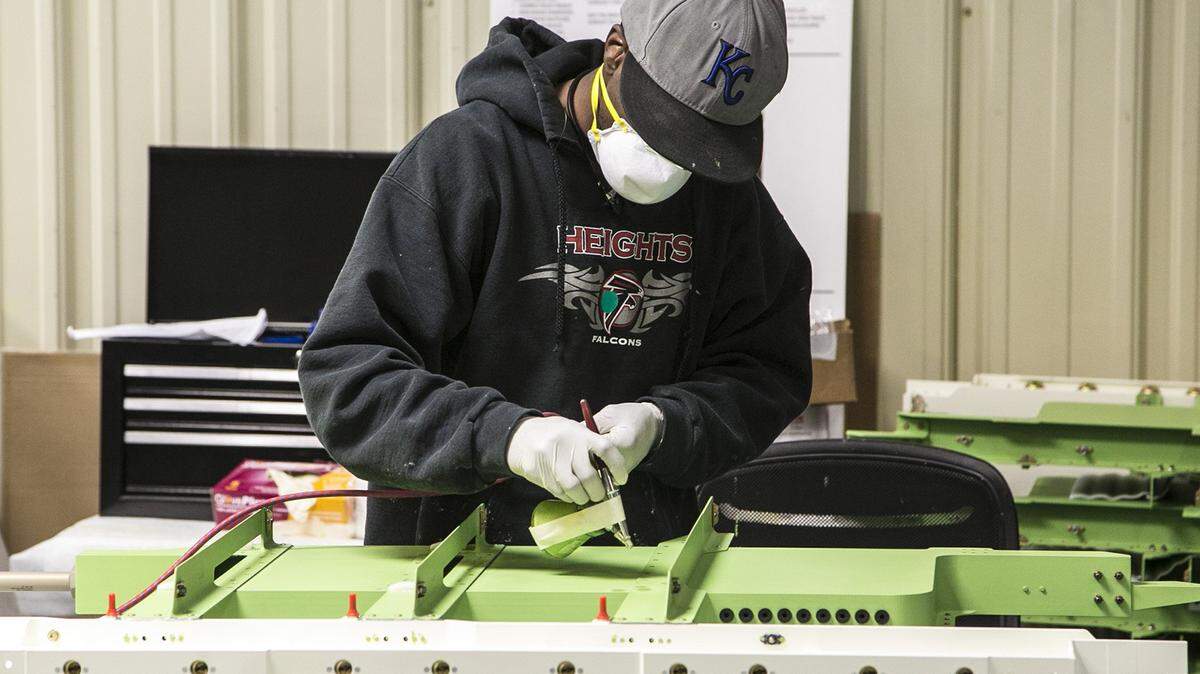
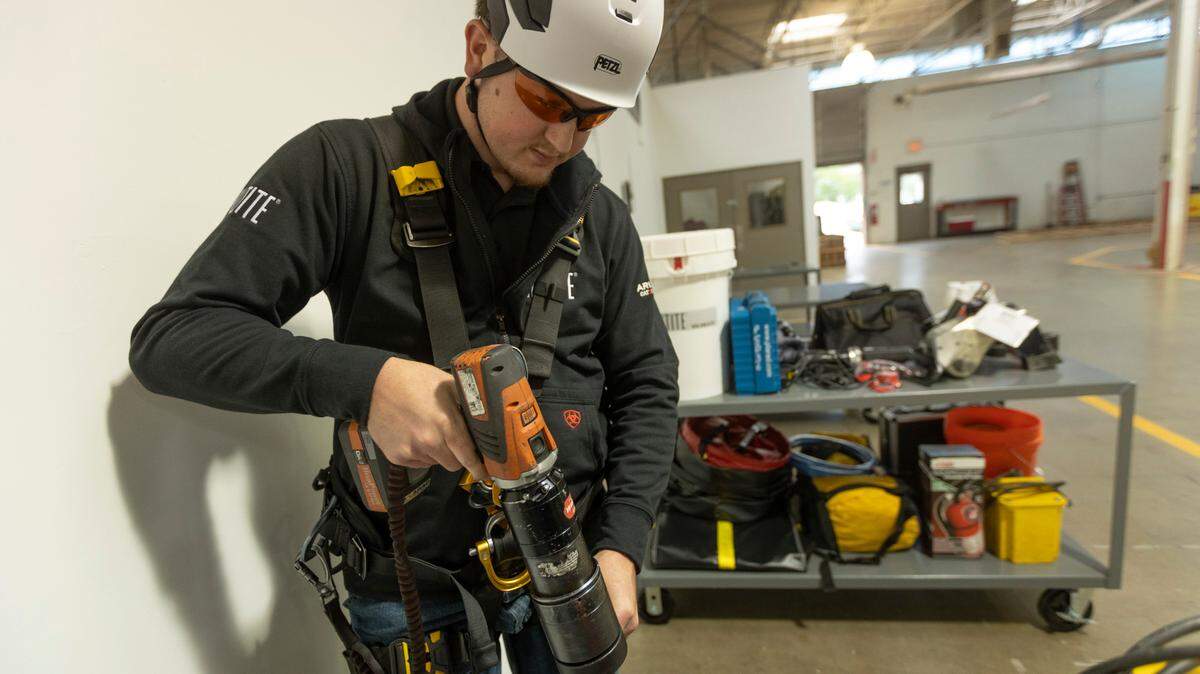
See how many employees turn to the Wichita Workforce Center for help finding new job
READ MORE
Working in a pandemic world
The novel coronavirus has changed the landscape of work in Wichita, Kansas and the U.S.
Expand All
The Workforce Alliance of South Central Kansas offers grant programs designed to help employees get back to work as soon as possible after a job loss, or to rebuild skills for future jobs. It is funded in part through the federal Workforce Innovation and Opportunity Act, known as WIOA, and also receives state and local grants. Generally, workers don’t have to pay to participate in the programs.
About 12 million people across the country had contact with local career centers by fall last year, according to USA Today. That was up from about 8.5 million people in 2019, but far below Great Recession levels.
The Wichita Workforce Center served 33,768 people in 2019, then 28,135 people in 2020. Through July 2021, it served 14,539 workers. The number of 2020 workers served dropped off in March and April, when many followed stay-at-home orders, then jumped to exceed 2019 levels in the fall, Workforce Alliance data shows.
Training programs and grants aren’t new. But as the coronavirus pandemic has changed the landscape of work, they have the potential to play an outsized role in the economic recovery — amid staffing shortages across industries and structural changes that are transforming jobs in certain sectors.
This story was originally published September 12, 2021 at 4:01 AM.