
Should you plant new trees, gardens during Wichita drought? Experts offer advice
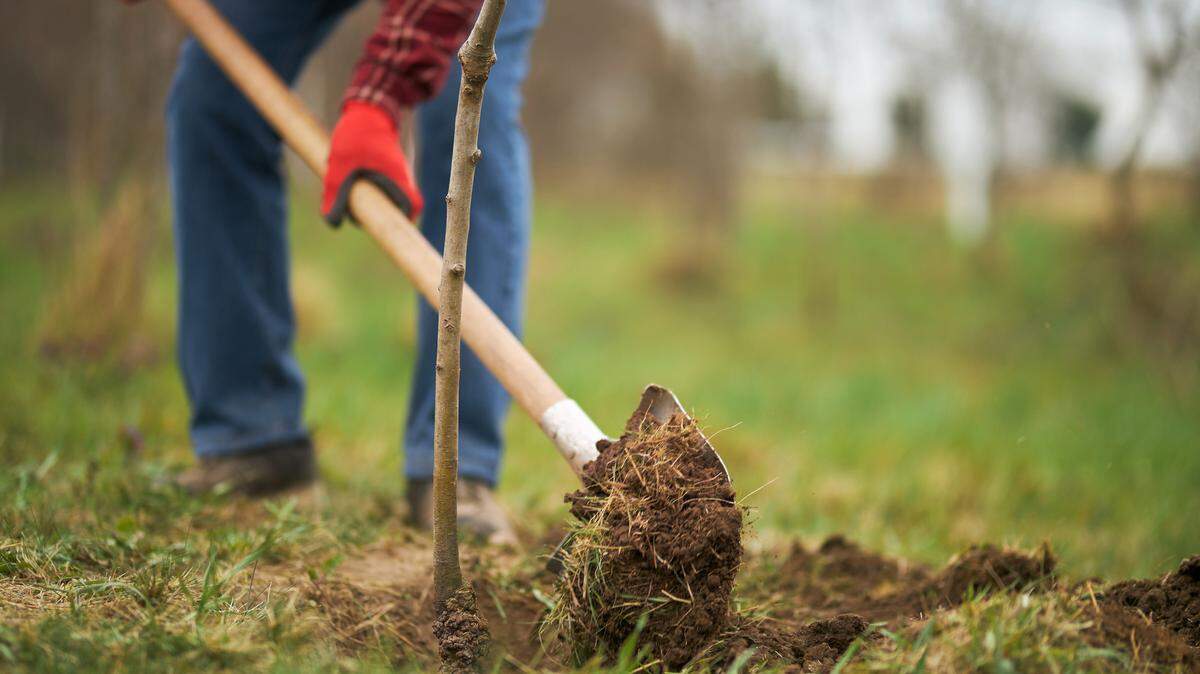
Wichitans have received mixed messaging about whether they should plant new trees while drought restrictions on outdoor watering are in effect.
The city of Wichita, which has stopped planting trees citywide, recommends against planting new trees or shrubs. Nursery owners, whose businesses depend on selling trees, say that is a shortsighted mistake.
So which is it?
Matthew McKernan, resident tree expert at the K-State Research and Extension Center, said he understands both perspectives. The city wants residents to conserve as much water as possible. But tree planting must continue — to help build drought resilience for the future and to ensure Wichita has a healthy tree canopy, he said.
Trees have a long list of benefits: cooling, wind breaking, air cleaning, retaining water, increasing biodiversity and reducing runoff, among others. And they don’t require much water to keep healthy.
If anything, he said, the city and its residents would be better served by focusing their watering efforts on trees and shrubs rather than lawns and flower gardens during the drought restrictions.
“When we have limited water availability, it’s really important that we prioritize what plants in the landscape that we’re going to provide the most care, and in this case, water to,” McKernan said. “Because it’s going to be much easier to replace annual flowers or a tomato plant. We can grow the same thing again in a one-year period. Whereas, a lot of our trees, especially, but even some of our shrubs, it may take 100 years for us to be able to replace those.”
Under the city’s Stage 2 drought restrictions, outdoor watering for other than food gardens is limited to one day a week, Monday through Thursday. The city’s watering schedule depends on location relative to Central and Broadway. Northwest waters on Mondays. Northeast waters on Tuesdays. Southwest waters on Wednesdays. Southeast waters on Thursdays. No watering is allowed on Fridays or weekends.
“So I think looking at trees as one of the most important things in our landscape to provide water to is a really smart idea,” he said. “And people can prioritize their own gardens, but often trees and shrubs are going to be our most difficult thing to replace, and so that’s often where we want to prioritize our watering efforts.”
Whatever you plant, McKernan said, less watering could end up being a good thing.
“People that are watering their lawns every day, that’s really not necessary,” he said. “More plants die in our area from being over-watered than under-watered in the residential landscape. So I think this is a good opportunity for the community to kind of reevaluate: How much water does it really take for my lawn to look good, or for my flower beds to thrive or to have healthy trees?”
How to water new trees in a drought
Many new trees — 5 years old or younger with trunks 2 inches or less in diameter — can survive and thrive on 10 gallons of water a week, McKernan said.
“That 10 gallons a week is especially critical in those young trees, and it can be applied all at once or split between like two five gallon applications at different days of the week,” he said. “With the watering restrictions, it’s probably 10 gallons in one day for most people. And that’s easy.”
McKernan said filling a five-gallon bucket with water and pouring it around the base of a newly planted tree twice should suffice. An even better way to water new trees, McKernan said, is drilling an eighth-inch hole in the bottom of the bucket and allowing it to drain near the base of the tree.
“That way the water is applied slowly to the soil so it has more of an opportunity to sink in, rather than run off and down the lawn or wherever else it might run to,” he said. “But for the most part, a lot of established trees need a lot less water to survive than people may think.”
Ten gallons is roughly the equivalent of running a garden hose for one minute or a standard sprinkler for one to two minutes, depending on the flow rate.
For new trees that are thicker than 2 inches, add 10 gallons of water a week for each inch above 2 inches. Along with new trees, established and mature trees should also be prioritized over lawns and gardens, McKernan said.
“Trees are going to vary in their drought tolerance and their ability to go without water for extended periods of time,” he said.
For mature trees, watering should be focused less on the amount of water and on where water is applied. McKernan said it’s important for water to reach roots at a depth of 12 inches below ground from the base of the tree to the tree’s drip line, where the canopy ends — and then some.
“Really, if we can do that every three to four weeks, or about once a month, that’s going to be enough water to help a lot of our mature trees make it through periods of water restrictions or drought,” he said.
McKernan said residents looking to plant new trees this spring should consult the K-State Extension Center’s list of drought tolerant trees — and other resources at sedgwick.k-state.edu/drought — before making a decision.
Planting vegetable gardens in drought
Another alternative for green thumbs used to giving attention to their lawn or flower garden is a vegetable garden.
Food-producing gardens are exempt from the city’s watering restrictions and may be watered more than once a week — by hand or through drip irrigation.
“People trying to grow vegetables at home this year do not have to worry about restrictions, but they should be cognizant and update their irrigation,” Abbey Draut, food crops horticulture agent at the K-State Research and Extension Center, said.
“If you’re watering by hand, maybe switch over to drip irrigation, which waters slow and deep,” Draut said.
Draut said gardeners should also use mulch or cover crops to reduce water loss from the top of the soil. Plants with shallow roots within the first 2 inches of soil dry in the wind and sun and require more frequent water to keep alive, which is not good during drought restrictions or any other time. She encourages use of a screw driver to see how deep you’re actually watering, aiming for at least 4 inches of depth for many plants. Aim for watering down at least 4 inches.
“The biggest thing to make your vegetables more drought resistant is to water slow and deep,” Draut said. “When you’re watering deep, that encourages the roots to look for water deeper in the soil profile. And then the bigger root structure you have that goes deeper into the cooler and moister part of the soil profile, the more resilient they’re going to be because there’s going to be adventitious water down at the bottom there for them to soak up.”
Draut also stressed the importance of planting the right crop at the right time.
Some food plants, such as peppers, grow better in the heat while leafy greens do better when the soil temperature is cooler in the early spring and fall.
Other good choices for home gardens during the drought include potatoes, mustard, corn, squash, artichoke and green beans.
Residents with specific questions should call the Extension Center’s garden hotline at 316-660-0190, email at sgemghotline@gmail.com or stop by the Sedgwick County Extension Education Center at 7001 W. 21st St.
McKernan also encourages people to attend this year’s free Spring Garden Fair at the extension center from 7 a.m. to 1 p.m., Saturday, May 3. The theme is “Water — Every Drop Counts.”
“What we’re really going to focus on is everything water related,” McKernan said.
This story was originally published March 21, 2025 at 11:29 AM.