
The city says no new shrubs or trees this year; nursery owners say that’s a mistake
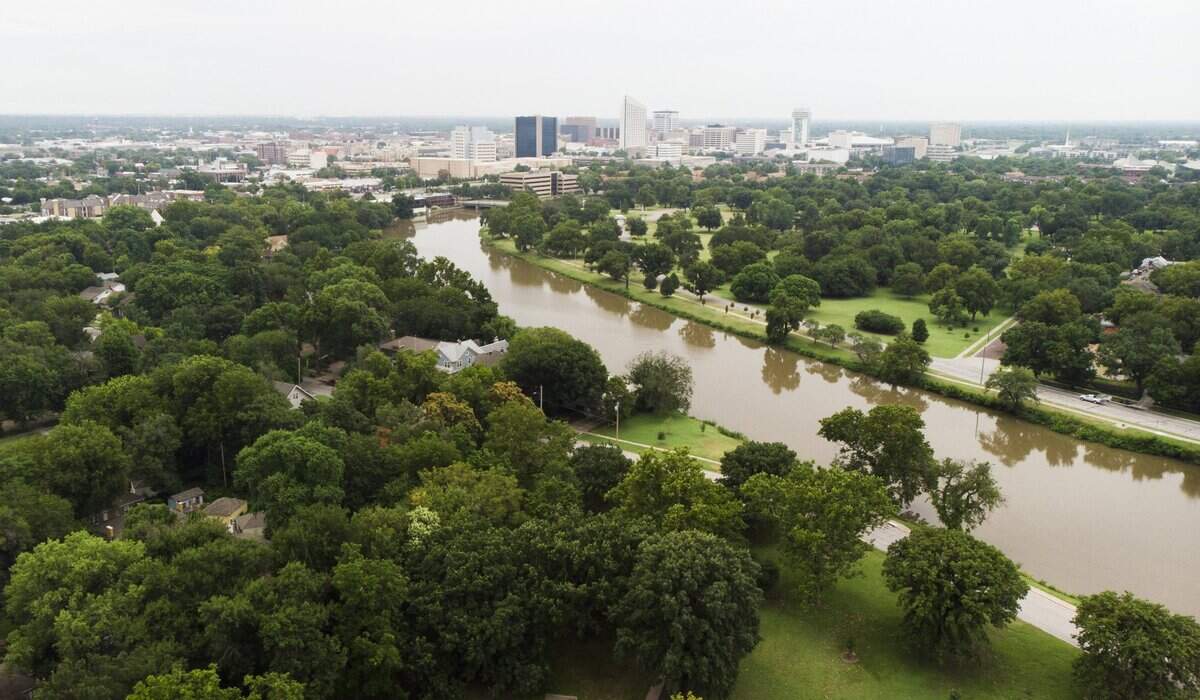
The city of Wichita’s Stage 2 drought restrictions are still in effect from last year, and the key takeaway for most residents is that most outdoor watering is limited to once a week.
However, that’s not the focus for area nurseries.
Their key takeaway is that the city is advising residents to not purchase new shrubs and trees.
The wording on its website references the fall planting season, but the guidance is the same now, city spokeswoman Megan Lovely said.
Hillside Nursery president Mark McHenry said the guidance is a mistake — a mistake so grave he called a meeting of his competitors to troubleshoot the situation.
“We should always be planting trees. Always.”
He and others at the meeting said the city’s guidance is counterintuitive.
“It is not,” Lovely said via text. “Our priority is saving water.”
Steven Brady, the nursery and tree farm manager at Brady Nursery, said the city’s advice is naive.
“We all share a common concern for how it was addressed.”
He and Jeremy Johnson, president of Johnson’s Garden Centers, both said they found the city’s recommendation to be short-sighted.
“We can still plant and use water in a smart way,” Johnson said.
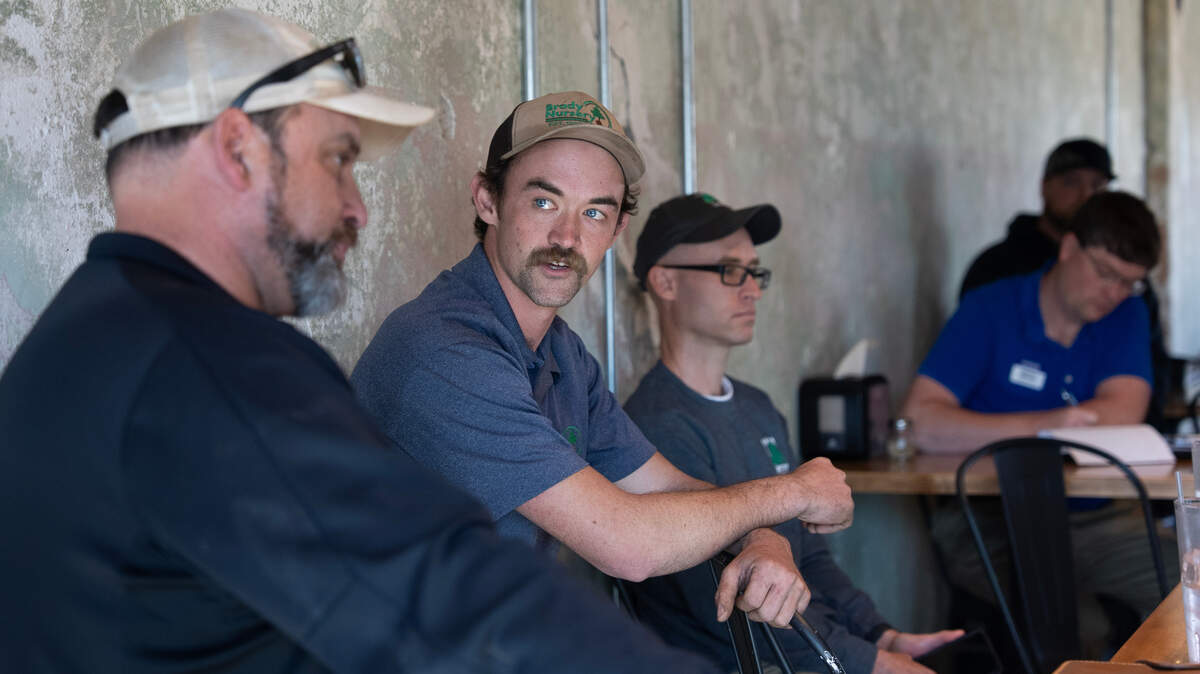
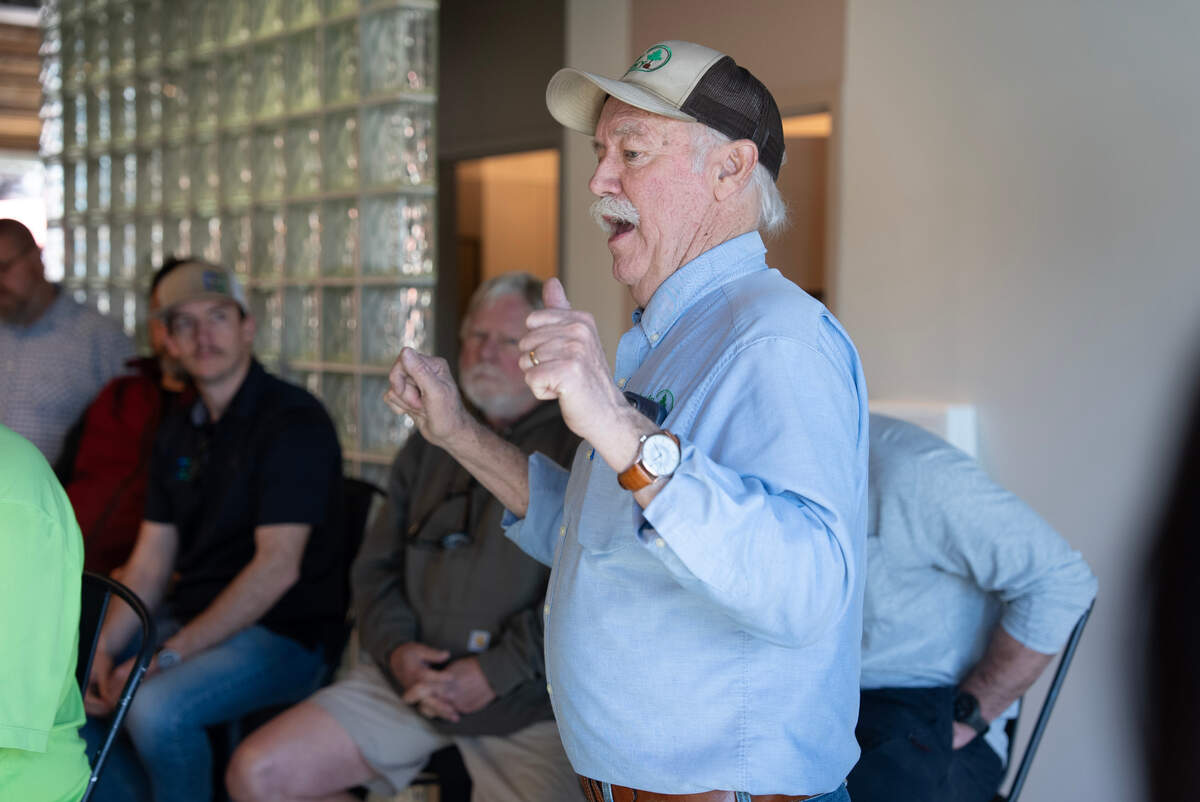
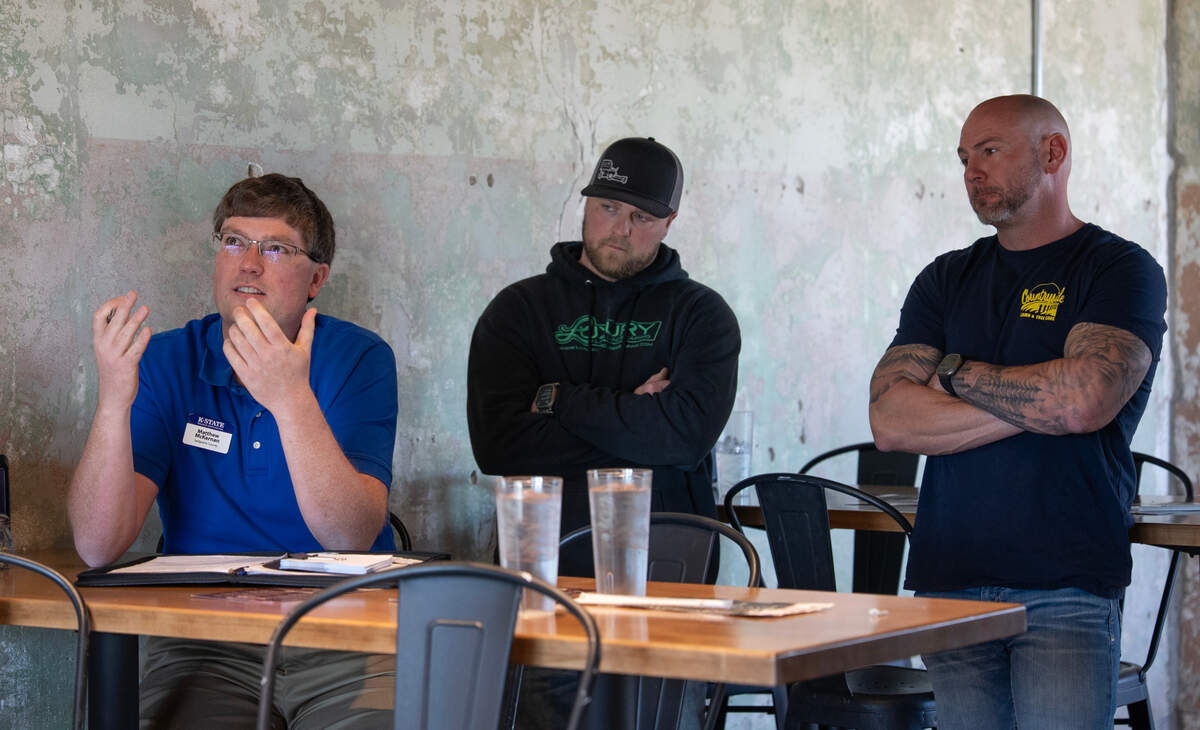
At lunch Tuesday, almost 20 nursery industry leaders gathered in a back area on the second floor of the new Wichita Brewing Co. in Delano to discuss what options they have. Their frustrations were clear.
“We’re having conversations when we should be busy getting ready for spring,” McHenry said at the meeting. “We’re having conversations almost daily (with) people concerned about this and pulling in the reins and concerned about planting trees. So we’re having to educate, educate, educate.”
As much as industry experts say trees and shrubs are crucial in times of drought, Lovely said that’s not the case.
“Most new planting requires substantial watering to establish the plants,” she wrote.
“We understand and sympathize with the concerns that not planting trees or shrubs has on the economic impact to nurseries and gardening centers, but our primary concern is ensuring we have water for residents should the drought persist, and attempting to ensure we stave off stage 3 as long as possible, as the economic impact to these businesses would be drastically worse should we have to go to stage 3.”
A lesson in trees
Though nursery owners seemed to agree with the city that turf — at least if its a fescue lawn — can take a lot of water, they said trees don’t.
“People need to understand how little water trees actually need,” Brady said of weekly watering. “It’s like three toilet flushes worth of water that you need to put on a new tree.”
He said that’s for the first two years only.
Then “they’re on their own, and they’re very resilient,” McHenry said.
“In the Dust Bowl days, what did they do?” Johnson said. “They planted trees.”
McHenry said that’s when hedge rows became popular, too.
“A good tree canopy conserves moisture — doesn’t deplete it — in the long run.”
Johnson said “those trees are able to store up moisture as well as keep the soil from eroding.”

He said mulch is helpful as well in order to keep water right at the plant. Johnson said instead of not planting, the focus should be on best practices when installing new material.
He and McHenry said the city needs to be more forward thinking, too.
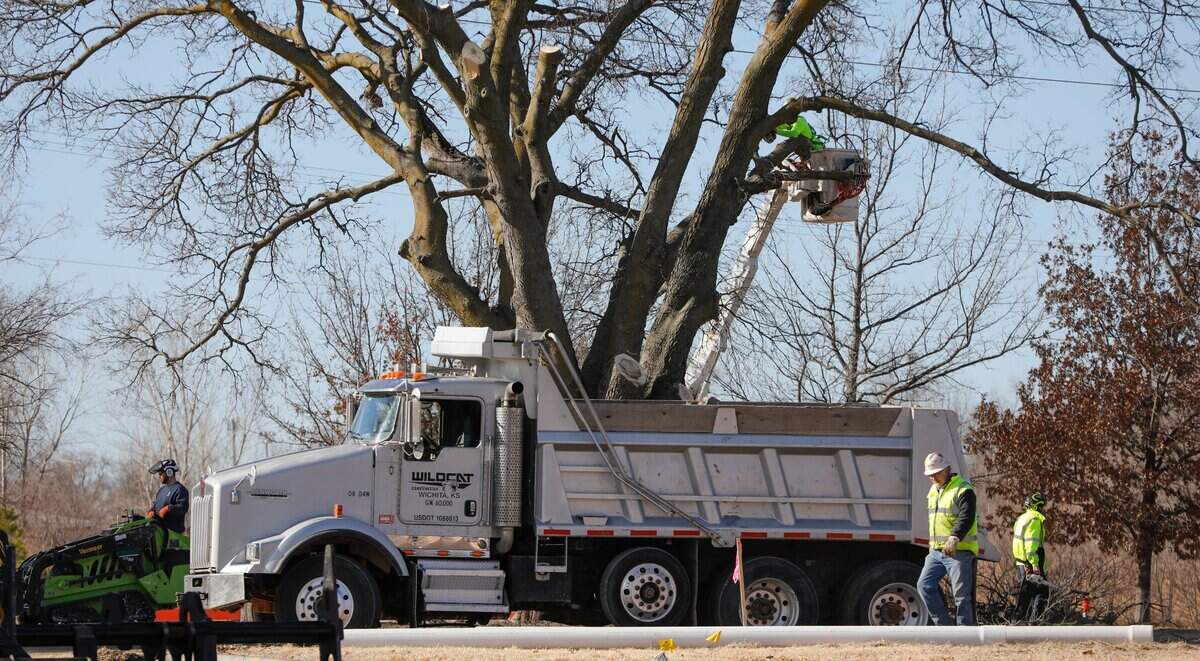
When Chris Cherches was city manager, McHenry said, “The city planted a lot of trees every year. This year, they’re planting none.”
He said it’s all about optics.
“They didn’t want people told they couldn’t water while the city is out planting trees. We’re losing our tree canopy in this city, and we have been for quite a while.”
McHenry said the city “could have been far more proactive . . . starting several years ago, not just in the last year and a half.”
He said the city should have instituted reasonable guidelines on how to conserve moisture instead of “what I feel are pretty draconian measures.”
The ecology of trees
A tree is not an isolated organism, Brady said, but one that’s key to supporting a diverse ecosystem.
For instance, a live oak tree is considered a keystone species because it supports more than 900 species of insects, which are critical food for birds.
Brady said there are entire food webs supported by that single oak tree, and if that tree is lost, multiple species suffer.
Also, he said trees create moisture by transpiring moisture out of the ground and releasing it out of their foliage, which creates humidity in the air that rises into the clouds.
“That is one of the factors that helps with rainfall.”
Brady said that “shaded ground retains moisture longer than ground that’s getting beaten by the sun.”
Shrubs, too, especially the flowering ones, attract bees and butterflies, which he said bring a host of other benefits.
Compared to the Dust Bowl, Brady said, “We’re sitting in way better shape.”
Like the Dust Bowl, though, he said Wichita needs to plant trees to cut down on wind and begin to bolster the ecosystem.
In addition to providing shade and cooling, McHenry said trees capture carbon and fix nitrogen in the soil.
“You think global warming is bad now, imagine if we weren’t continuing to plant trees to capture carbon.”
McHenry said he could spend an entire day simply discussing the benefits of trees.
Besides the ecological benefits, he said, “Would you want to live in a city without trees?”
Tree-huggers
McHenry concedes that a bunch of nursery owners talking about the importance of trees and shrubs sounds a bit self serving, but he said the idea is to work with Mother Nature, not against her.
“We’re the original tree-huggers.”
As he said at the Tuesday meeting, the businesses — a few around a century old — represented in that room are “the best educators and stewards of the resources.”
“I don’t think any of us are out there to suck the water dry. I think just the opposite. We’re more interested in preserving and conserving in a smart way.”
McHenry said he’s asking customers how much turf they actually need and recommends they consider shrinking their turf footprints with landscape beds that need minimal water. Or, if they have fescue — the bright green grass so often seen in neighborhoods — that they consider switching to more drought-hearty bermuda and buffalo grass.
Johnson and others at the meeting said they see more problems with overwatering than anything and that the warranty returns they see on plants generally are due to too much water killing plants.
He said people also need to learn that having sprinkler systems on a set schedule starting early in the season isn’t wise. He said most lawns don’t need to be watered until the heat of the summer.
Brady and Johnson said the city should be about promoting healthier and more-sustainable watering practices with things like greywater and rain barrels.
Greywater is repurposed water, such as saving water from rinsing dishes.
Brady said more sustainable plants and lawns are key, too.
“There’s a ton of ways you can get better on this.”
‘The same page’
The nurseries and related industries now are working to craft a letter to the city and are going to try to meet with City Council members individually to find a pathway forward.
“There’s no black-and-white solution to this, but I think it got us on the same page,” Brady said of the meeting.
He said the camaraderie of competitors in most industries is rare, but “we’re all close with each other for the most part.”
Brady said he’s optimistic that the city will change its verbiage.
“It just seems irresponsible to tell people not to plant trees and shrubs,” he said.
“We’re an old city, and trees have a lifespan. . . . If we’re not replacing those, it’s going to create a less-desirable city in the future, in my mind.”
Last summer, Johnson said restrictions weren’t put into place until early August, and that’s “not the way we should be operating.”
“The city does need to come up with a . . . long-term water management solution as kind of an ongoing best practice.”
McHenry said he doesn’t know who is advising the city.
“None of us are against water restrictions. We understand, right?”
However, he said the city “could have done a better job of reaching out to us and crafting something that was a little more fair.”
“We’re not trying to make things worse. We’re actually trying to make things better in a smart, efficient way.”