
Kansas seeks to cut prison costs while being tough on crime
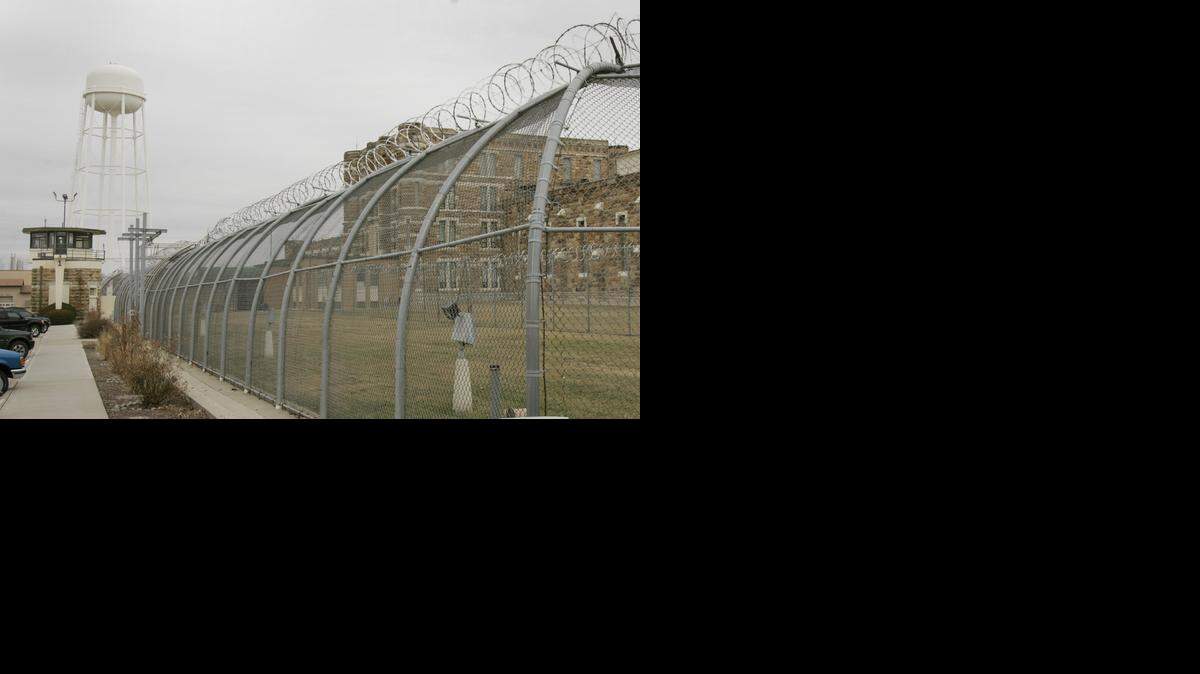
Kansas is the latest state moving to reduce its prison population and cut costs, but parallel legislation stiffening penalties for some crimes may nullify the effort.
The Kansas Sentencing Commission has submitted two bills to a House panel to ease overcrowding in state prisons and save money. The bills, which have been endorsed by the Department of Corrections and many legislators, would keep offenders out of prison on their first two marijuana possession offenses and allow some prisoners to knock off additional time for good behavior.
Scott Schultz, executive director of the Kansas Sentencing Commission, said the cost of incarcerating criminals is starting to get lawmakers’ attention.
“I think the dialogue is open for us and the Legislature is in some sense being pushed in that direction just because of budget issues,” Schultz said. “Things are not as flexible as they used to be.”
Kansas’ prison population is 146 prisoners over capacity and is expected to grow to 107 percent capacity by 2024.
Department of Corrections Secretary Ray Roberts has said 1,160 prisoners have been added to Kansas’ system since 2009. With an annual cost of about $24,500 per inmate, these new prisoners are costing the state about $28.4 million – a high cost in the face of Kansas’ projected budget shortfall of almost $600 million for the fiscal year that begins July 1.
Rep. Tom Moxley, R-Council Grove and a member of the House Corrections and Juvenile Justice Committee, which has endorsed the bills and sent them to the House, said he supports the move.
“I have never seen research that shows that, on nonviolent crimes, a connection between the length of sentence and the amount of rehabilitation,” Moxley said, adding that Kansas should focus on policies that yield more “bang for the buck.”
At least 17 states have eased drug penalties, with most diverting offenders to treatment rather than prison time, according to a report by the National Conference of State Legislators.
The Kansas Sentencing Commission’s bills would save an estimated $3.6 million by freeing up 150 beds in state prisons, Schultz said, but those gains would be wiped out by another bill that would increase penalties for home burglaries.
The burglary bill has been approved by the Senate Corrections and Juvenile Justice Committee and will now move to the Senate. During the committee’s debate on the bill, Sen. Jeff King, R-Independence, said that its impact on the prison population gave him pause but added: “These people need to go to prison. There is no doubt in my mind.”
Other bills submitted to the Legislature would increase prison time for aggravated drunken driving and theft of scrap metal.
Alison Lawrence, a senior policy specialist at the National Conference of State Legislators, said many states are caught in the push and pull of budget constraints and constituents seeking tougher penalties for criminals.
Few states have passed comprehensive adjustments to their sentencing guidelines, she said, but those that have seen major prison population drops include Georgia, which passed a comprehensive raft of legislation in 2012, and California, which was forced to reform sentencing guidelines by a federal court order in 2011.
Schultz said that although he would like to see the state move from piecemeal discussions to a comprehensive bill on sentence length, political realities in the conservative state make that difficult.
“It’s a very tough sell here, as you might imagine, because to be able to say ‘I’m tough on crime,’ reducing the length of sentences across the board for crimes is something that may not be too popular,” he said.
This story was originally published February 8, 2015 at 10:54 AM with the headline "Kansas seeks to cut prison costs while being tough on crime."