
Is it time for Big 12 to consider adding BYU, Cincinnati, Houston, UCF via expansion?
It’s time to move on to the next chapter of Big 12 realignment.
The ACC, Big Ten and Pac-12 have decided that forming an alliance among their conferences is a better move than adding remaining Big 12 schools Baylor, Iowa State, Kansas, K-State, Oklahoma State, TCU, Texas Tech and West Virginia to their ranks.
So those schools must now move on to Plan B after the Big 12 drops to eight teams with the departure of Texas and Oklahoma to the SEC.
Does that mean the Big 12 will now look to expand? If so, which schools will be at the top of Bob Bowlsby’s wish list?
College sports writers Drew Davison, Blair Kerkhoff and Kellis Robinett are ready to answer those questions and make a few predictions on what’s next for the Big 12, presented in a round table format:
Are you surprised the Pac-12 isn’t expanding?
Blair Kerkhoff: I’m not sure I see the advantage to the Pac-12 even announcing they were exploring expansion. The answer was always going to be no. There is no reason to make a move now. It reminded me of the process the Big 12 went through five years ago. Then, the league dragged out the exploration, got a lot of schools’ hopes up and then dashed them when the Big 12 said it wasn’t expanding. With the Pac-12 — and the ACC and Big Ten — there’s time to study candidates and scenarios and not rush into expansion. It also could mean Texas and Oklahoma will be in the Big 12 for more than this school year.
Drew Davison: This is about money at the end of the day, and the Pac-12 didn’t see any value in the remaining Big 12 schools. But, let me just say as the Texas voice on this esteemed panel, it’s fairly shortsighted that every league (Pac-12, Big Ten, ACC) doesn’t seem to have much interest in expanding into the state of Texas. Yes, A&M and UT are in (or headed to) the SEC but this state is still one of the most fertile recruiting grounds in the country and is growing by the day. There’s a suburb in DFW that has been nicknamed Keller-fornia with how many Californians are flooding to this state (no comment on whether that’s a positive or negative from yours truly). It’s mind-boggling to me that the Pac-12 didn’t at least want to consider expanding into Texas and listening to the three Texas schools given how much is going on here. It’s only home to the most valuable sports franchise in the world and has seen companies like Toyota and Charles Schwab move its headquarters here.
Kellis Robinett: I personally think the Pac-12 would have been wise to try and add Kansas, Oklahoma State, Texas Tech and a fourth school of its choosing to gain a foothold in the Central Time Zone. But those moves wouldn’t have sent their TV revenue soaring, especially after splitting it 16 ways.
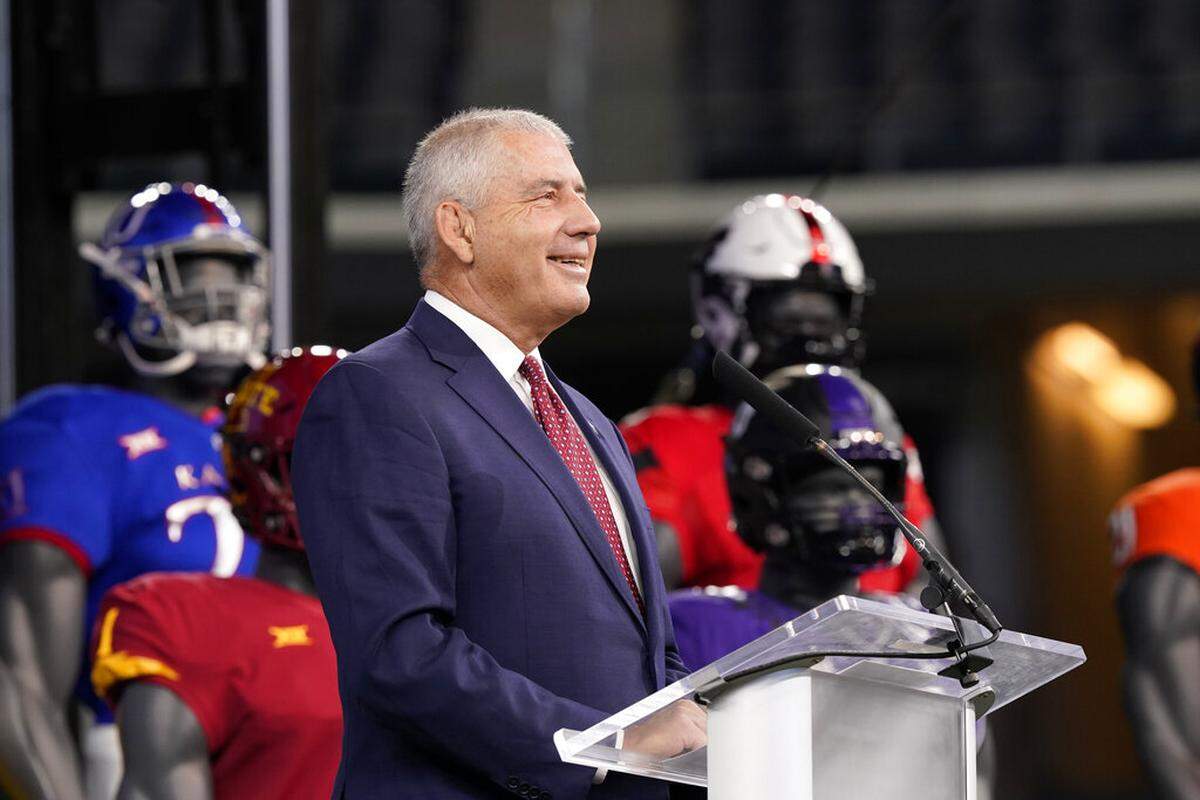
Will Big 12 members now work together? Or will individual schools keep exploring other options?
Drew Davison: Every school will likely work the back channels to some degree, but no other conference is interested in expanding. So the only option is to unite and ensure the Big 12 is as relevant as possible going forward. As far as our readers, this isn’t a terrible outcome. Kansas City is still home to the basketball tournament and Tarrant County is home to the football and baseball championships. Sure, every school wants to be in a “power” conference but a refortified Big 12 would still be considered a “Power Five.”
Kellis Robinett: There is no other option. Schools like Kansas, Oklahoma State and Texas Tech will likely continue working back channels just in case the ACC or Big Ten look to expand in a few years, but those efforts have to be moved to the back burner. Rebuilding the Big 12 is now reluctantly everyone’s Plan A.
Blair Kerkhoff: The answer is yes to both. Big 12 schools should be working together to fortify the eight-school foundation and explore adding members. But they have to keep their options open. If the Big Ten or Pac-12 come calling at some point, there is no decision.
Let’s say the Big 12 decides to expand. Will it have the upper hand on conferences like the AAC and MWC?
Blair Kerkhoff: Only ESPN and Fox know the answer to this. ESPN has a deal with the American through 2032 that pays its members roughly $7 million annually. The Mountain West has a deal with Fox and CBS Sports that pays members roughly $4 million each through 2026. Even without Texas and Oklahoma, the remaining Big 12 schools have a higher collective value and should be the aggressor here.
Kellis Robinett: Yes, the Big 12 should be the hunter in this stage of conference realignment. Earning $14 million a year in TV revenue would be a big upgrade for any AAC or MWC school, even though that number is half what Big 12 schools made with Oklahoma and Texas in the league. The only question is stability. Can the Big 12 convince new members its conference is here to stay?
Drew Davison: The Big 12 will have the upper hand because the eight remaining schools combined are still a level above the American and Mountain West. Houston, SMU, UNLV, Boise State and others are likely formulating sales pitches to the Big 12 as we speak. I don’t see any of the remaining eight schools bolting for the American or Mountain West, just like I don’t see any Power Five schools in the Pac-12 or ACC joining the Big 12. It doesn’t make sense.

How quickly will the Big 12 add new members? Can it happen while OU, UT are still in the conference?
Kellis Robinett: Adding two schools now and two schools later is a popular expansion timeline that has already been discussed by Big 12 athletic directors. I like that plan, because it gets the conference back to 12 teams with or without OU and Texas. But many details would need to be ironed first. The AAC, for example, requires 27 months notice and a $10 million exit fee for a school to leave.
Drew Davison: BYU would be the easiest addition since it’s independent in football. The Cougars could be playing as early as next season. Schools in the American or Mountain West would have to pay exit fees, but the money increase by joining the Big 12 probably makes moving sooner than later worthwhile. I could very well see a scenario where two schools are added with OU and UT in the league, and then an additional two once they leave in 2025. Of course, I’m still of the belief that OU and UT are playing SEC football in 2022 somehow, someway even though that belief is diminishing by the day.
Blair Kerkhoff: If Texas and OU remain in the league through 2025, yes, I can see an expanded Big 12. There is no more influence in the conference room for the Longhorns and Sooners. The Big 12 has to do what’s right for its future. How quickly? Historically, realignment can happen in a year as exit fees are worked out.
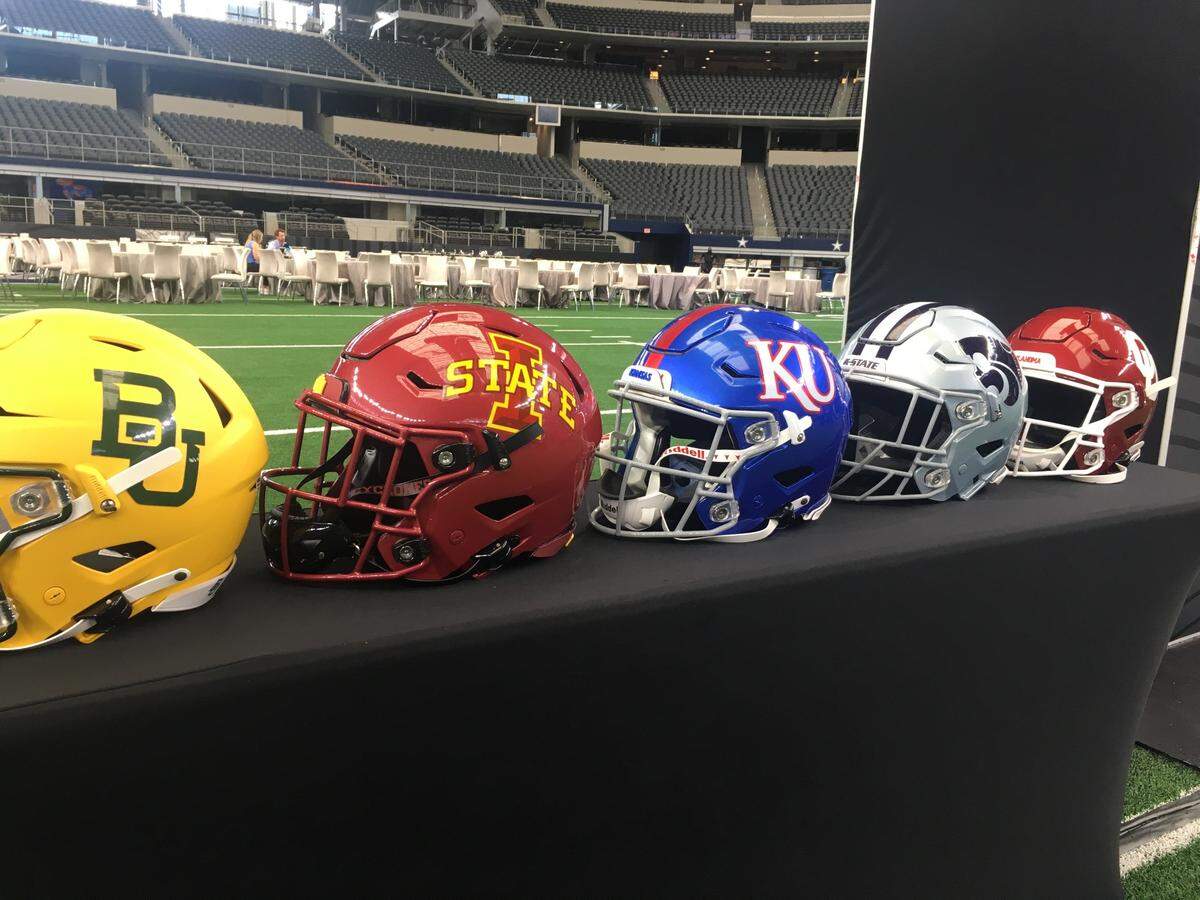
How many new members should the Big 12 add?
Drew Davison: As I wrote about in the Star-Telegram, one of my ideas would be to expand to 16 with four four-team pods in the North (KU, K-State, Iowa State, Oklahoma State), South/ Texas (TCU, Baylor, Texas Tech, Houston), East (West Virginia, UCF, Cincinnati and USF/ Memphis) and West (BYU, Colorado State, UNLV, San Diego State). However, this does not seem realistic. I’d expect the Big 12 to add between two and four teams when it’s all said and done.
Blair Kerkhoff: Returning to 12 would have a retro feel and the overall revenue wouldn’t be stretched too thin. I like Drew’s schedule pod idea but 16 members reduces the slices of the pie.
Kellis Robinett: Four seems like the perfect number to me. I’m tired of the Big 12 only having 10 teams.
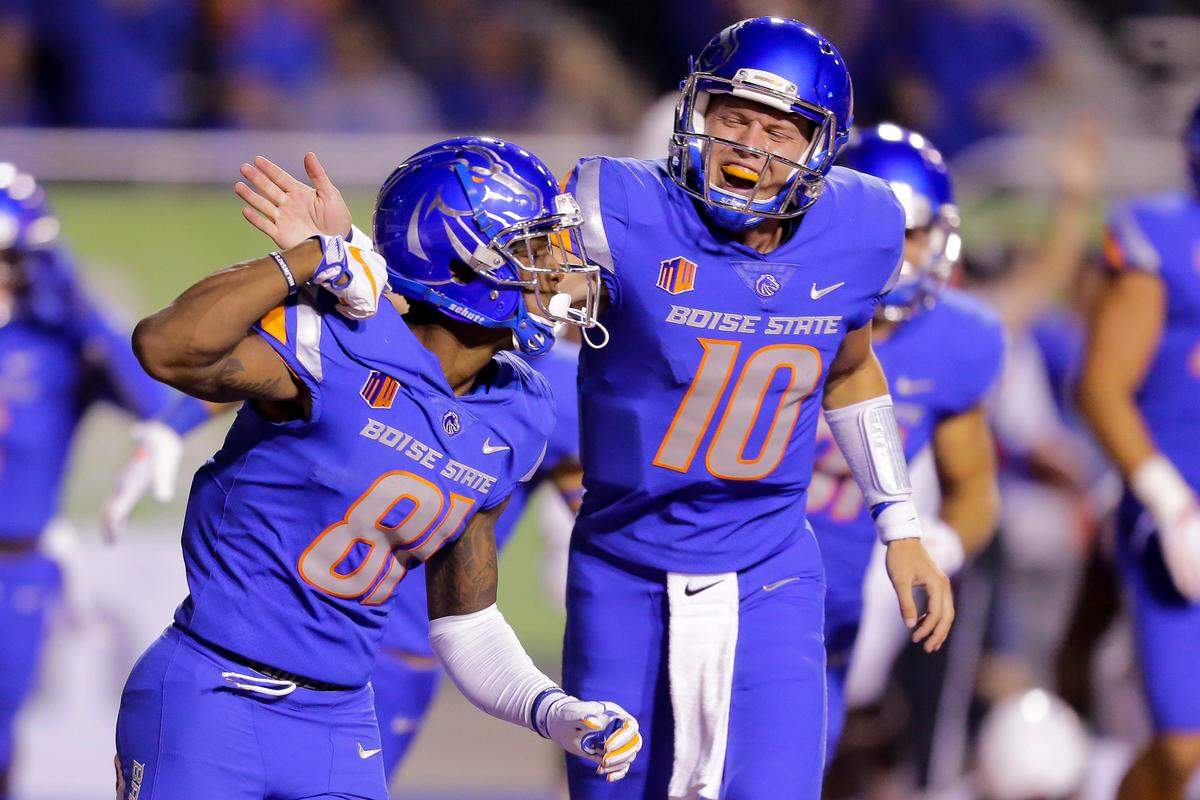
Which four teams are the most attractive Big 12 expansion candidates? Rank them
Kellis Robinett: BYU tops the list. The Cougars have a massive fan base, play good football and are free to join the Big 12 without any opposition from another conference. After that, I like Houston, because it would strengthen the conference’s presence in Texas. Then comes Cincinnati and Central Florida in that order. Colorado State is my wild card candidate. None of those schools would command OU/UT type value, but they would help make the Big 12 a stronger football conference.
Drew Davison: BYU. As I was told this week, BYU would bring immediate value to the league. Cincinnati is next. Just look at how the Bearcats have fared in football the last three years. Luke Fickell has turned the program into a legitimate CFP contender and would flourish under the Big 12 umbrella. UCF is third. The Knights have turned into a nationally relevant program. Houston is fourth. It gets the edge over Boise State. The Big 12 would be wise to increase its presence in Texas. UT and A&M are the big dogs, but having the next four biggest schools in the state is too attractive to pass up.
Blair Kerkhoff: I was a big advocate for Houston during the Big 12’s last expansion exploration. Plant the flag in the nation’s fifth largest metropolitan area (Dallas is fourth) and become that city’s conference of choice. BYU with its national following should be part of the plan. So should Boise State and Central Florida. You asked for four, but I’m making Cincinnati and Memphis my fifth and sixth.
Will any of the schools mentioned above be a hard sell for Big 12 leaders?
Kellis Robinett: It might not be easy to convince Baylor, TCU and Texas Tech that Houston is worthy of an invitation. They may not want extra competition for recruits in the Lone Star State.
Drew Davison: BYU is probably the hardest sell, but the value it brings outweighs any of the concerns.
Blair Kerkhoff: BYU has been a football independent since 2011 but finds itself in a stronger position today. I strongly suspect the Big 12, minus the influence of Texas and Oklahoma, would bring in the Cougars.
This story was originally published August 27, 2021 at 9:55 AM.