
City of Wichita looks to make money off a somewhat unlikely place. Here’s what it plans
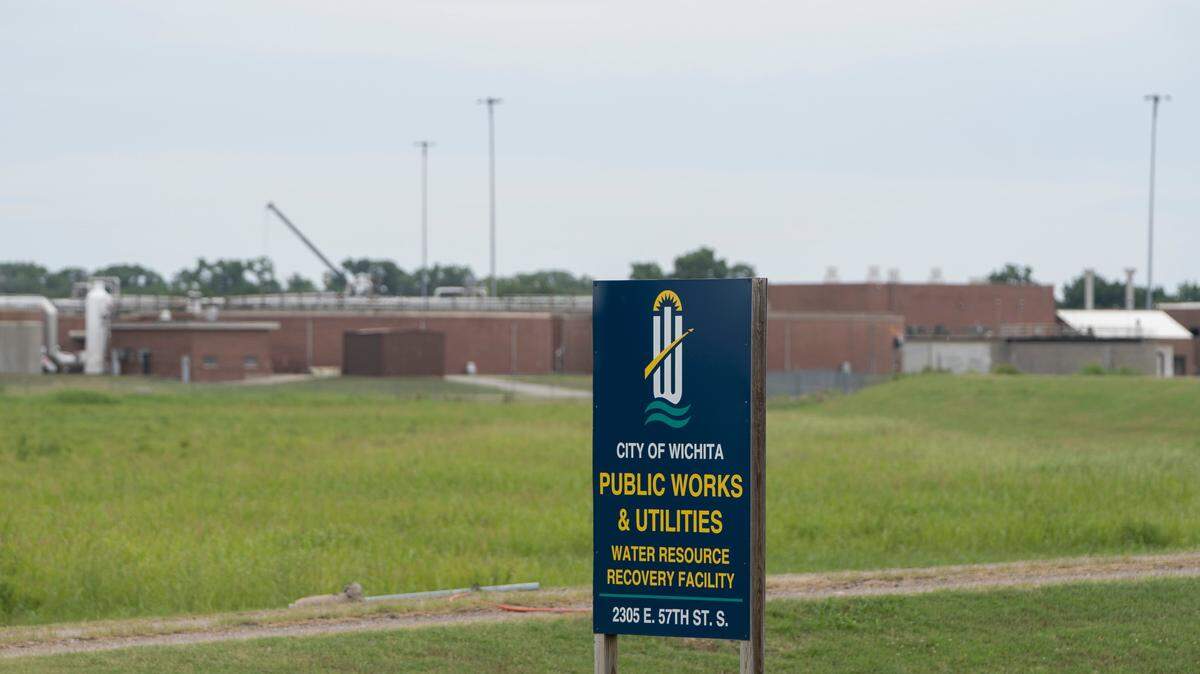
Wichita is looking to cash in on its own waste.
The city is moving forward with plans to sell off biogas, mainly methane, from one of its wastewater treatment plants.
Waste that gets pumped into treatment plants creates biogas, which is able to be converted into renewable natural gas, or RNG.
“Methane is something that we’re already producing, so it’s taking something that’s already there and finding a beneficial use for it,” Laura Quick with the city said.
The Wichita City Council on Tuesday approved spending $150,980 to help develop its plan to sell the gas when renovations of the plant are completed as part of the Biological Nutrient Removal project.
The city is looking to bring on a private partner to construct, operate and maintain a renewable gas facility adjacent to the renovated plant in exchange for some of the revenue.
According to Quick, early estimates show the city could make between $300,000 to $500,000 a year selling methane created at the plant.
The city says without that partnership, it would cost an additional $15 million to construct the plant.
“So it would be, hopefully, a win-win for everybody, because we’d be sharing in the revenue,” Quick said. “It’s our feedstock going into it. It’s our land. It’s a … city facility, but it would be built and maintained by a private partner, and so that’s where the revenue comes from.”
Currently, methane that’s produced at the wastewater treatment plant is burnt off by what is known as a “flare.”
It’s yet to be decided exactly who the gas would be sold to, but it would likely be a local natural gas company.
“We do realize revenues off the sale of that methane to companies like ONE Gas and others who can utilize it for other purposes,” Public Works Director Gary Janzen told the council Tuesday.
The nearly $400 million Biological Nutrient Removal project is a major infrastructure project to get the city in compliance with future environmental standards for nitrogen and phosphorus in wastewater. It’s also expected to drastically reduce odors created by the plants in south Wichita.
The project is expected to be completed by 2027.
Too much nitrogen and phosphorus in the water causes algae to grow faster than ecosystems can handle, according to the EPA, which is harmful to water quality, habitats and aquatic species. Nitrogen pollution has also been linked to “blue baby syndrome,” when red blood cells don’t carry oxygen well.
Wichita discharges more than three times the amount of nitrogen and four times the amount of phosphorus into the Arkansas River than will be allowed by 2027.
Wichita won’t be the only city in Kansas to sell off its gas. Topeka has also added a renewable natural gas facility to its wastewater treatment plant.
This story was originally published March 26, 2025 at 3:23 AM.