
Upgrades to Wichita’s sewer system expected to eliminate 98% of the smell, city says
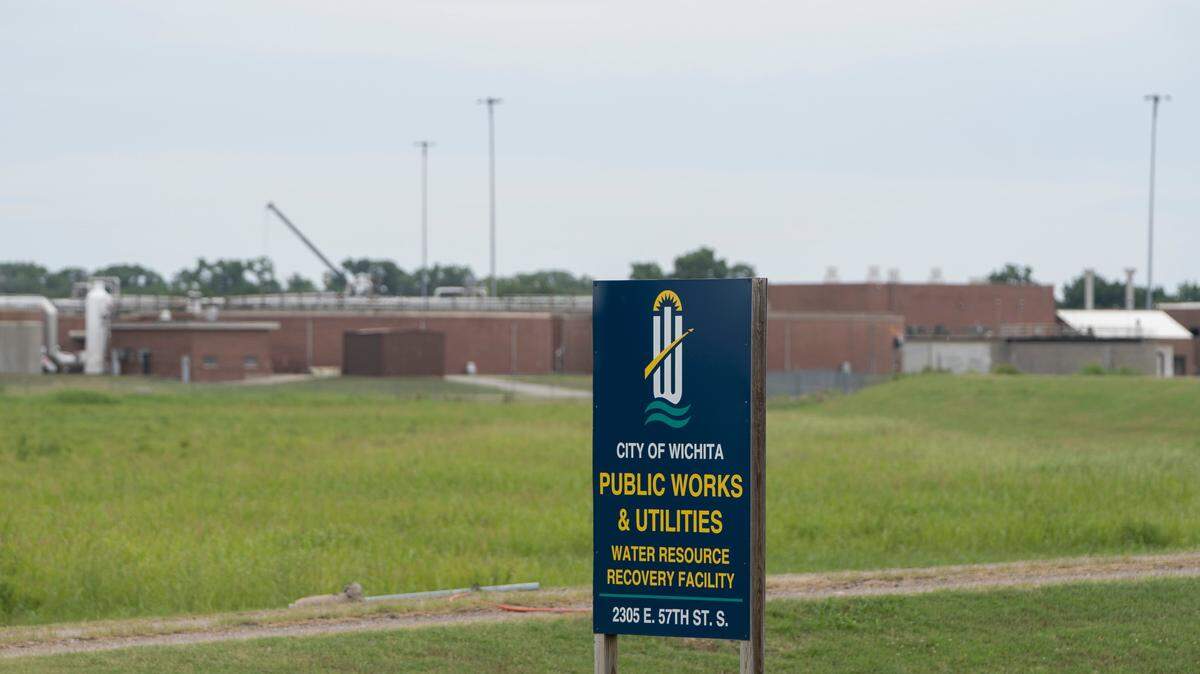
Federal loans will fund 49% of Wichita’s major sewer system upgrades, which are expected to get under way this year and will result in cleaner wastewater emissions into the Arkansas River by 2027.
The Wichita City Council on Tuesday approved a funding agreement with the Environmental Protection Agency for $191,481,121 in WIFIA loans, the same program used to fund $280.9 million for Wichita’s new drinking water plant.
“I just want us to pause for a second and actually celebrate this. This is a legacy project for the community, and specifically for this council,” City Manager Robert Layton said during the meeting.
The impetus for the massive infrastructure project is compliance with upcoming environmental standards. Wichita currently discharges more than three times the amount of nitrogen and four times the amount of phosphorus into the Arkansas River than will be allowed by 2027.
The project also aims to address an issue that south Wichita residents have been complaining about for decades — the unpleasant odors that often linger around the two south-side wastewater plants that process 90% of the city’s raw sewage.
“I’ve never been more jazzed to talk about a sewage treatment plant than I am now,” said Vice Mayor Mike Hoheisel, who represents District 3 in south Wichita.
“If you live south of Kellogg, you’ve lived with this [odor] as long as you’ve lived south of Kellogg.”
Layton said the city’s decision to invest in three full clarifier covers for the vats of raw sewage will eliminate 98% of the odor.
The city evaluated odor control strategies ranging in cost from $27 million to $54 million before settling on the most expensive option, Layton said after the meeting. Cheaper alternatives would have eliminated between 52% and 83% of the stench.
Under the terms of the WIFIA agreement, Wichita won’t have to start repaying the EPA until five years after construction is completed, and the loans do not have to be fully paid back until Oct. 1, 2061.
The EPA estimates that the flexible financing terms will save the city roughly $89 million compared to a typical issuance through the capital market.
Forty-seven percent of remaining funding for the project is expected to come from state loans through the Kansas Department of Health and Environment, but staff said that agreement is still being finalized. The remaining 4% will be funded by sewer utility cash or revenue bonds.
“Construction will begin to be bid over the next several months through six separate bid packages, and after today, the first package will be able to go out,” said Penny Feist, strategic service manager for the public works and utilities department.
“This summer, we plan to begin demolitions of the basins, and then construction will begin this fall and last through the end of ‘27.”