
Here’s what Wichita plans to do to make sure it can deliver drinking water in emergency
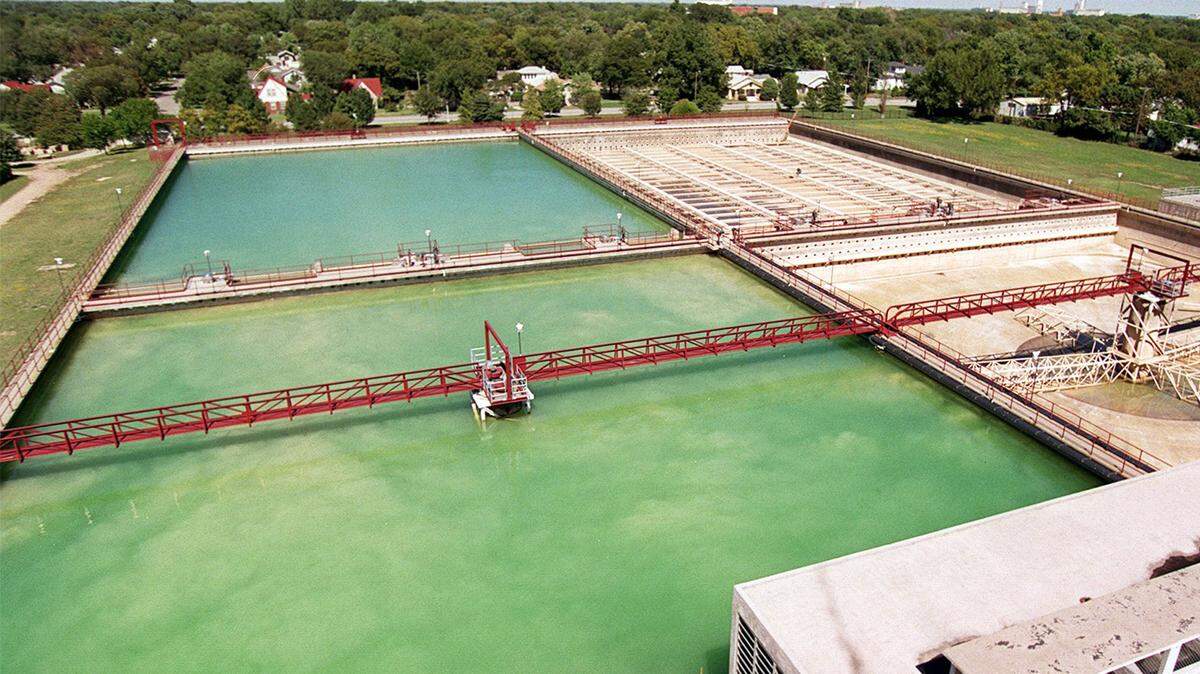
Wichita took steps this week to protect its public drinking water supply in case of a catastrophic failure at its new $574 million water treatment plant.
The new plant — Wichita Water Works — is expected to be certified and permitted for safe operation within the next few months. It would replace the city’s Main Water Treatment Plant as the sole provider of drinking water for about 500,000 residents.
Demolishing or mothballing the old plant would have undercut a major reason the city built the new plant: to address concerns that its water plant is a single point of failure, meaning if it fails, the whole system goes down.
Instead, the city plans to convert the Main Water Treatment Plant near the Wichita Art Museum to an emergency-use water plant that can be fully operational within one or two days if needed.
That change will require a redesign of the plant.
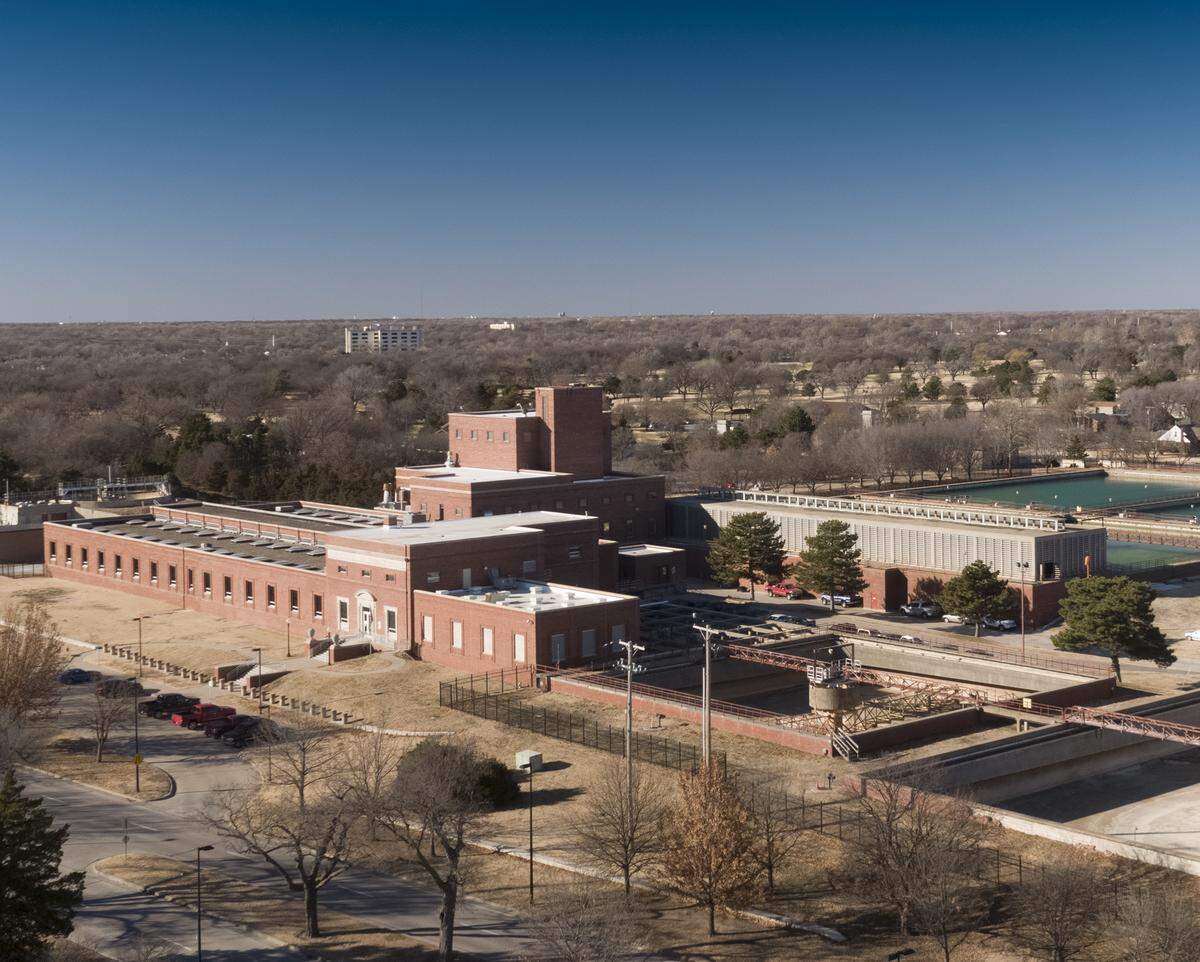
The City Council on Tuesday approved issuing a request for proposals and spending $1 million for a preliminary design. Vice Mayor JV Johnston was the lone dissenting vote.
The conversion project is estimated to cost between $11 million and $16 million. It would be complete by 2028.
“Even though our new water treatment plant will provide a high degree of redundancy, the plant itself is still a single-point of failure in the event of a catastrophe,” Laura Quick, utilities optimization program manager for Wichita’s Public Works and Utilities department, told the council. “What we found is that most of our peer utilities have more than one water treatment plant.”
The redesigned plant would provide capacity of 45 million gallons a day during an emergency. Otherwise, it would remain in “standby mode,” Quick said.
Johnston, who voted against the redesign, said he would rather see the old plant demolished and the land sold to developers. He contended that the new plant has enough “built-in redundancies” to survive a natural disaster.
“When we took a tour of that plant, I asked, ‘What would it do if a tornado hit,’” Johnston said. “The answer was ‘It has to be an F5 to really take it out of commission, and even then, some of the buildings would still not be affected.’ And then a flood — I don’t think that’s going to happen in Wichita, anyway, with our flood control.”
Tornadoes, fires, pipeline breaks, floods and terrorist attacks are among some of the catastrophic events that cities try to plan for with their water systems.
“Someday, this plant will be disassembled,” Johnston said. “It might not be in my lifetime, but someday it will. It’ll never be cheaper than right now.”
Council member Brandon Johnson, who was on the water plant steering committee, said the redesign option makes the most sense in case of an emergency.
“We know that people would need water pretty quickly,” Johnson said. “So [that] was the option we supported.”
Council member Maggie Ballard also spoke in support of the plan.
“With the climate that we’re in with water, and being that 17 percent of our state does depend on us to provide water, we need to really take care of what we have in case of an emergency,” Ballard said.