
Can you break a window to save a child or pet in a hot car? What KS law says
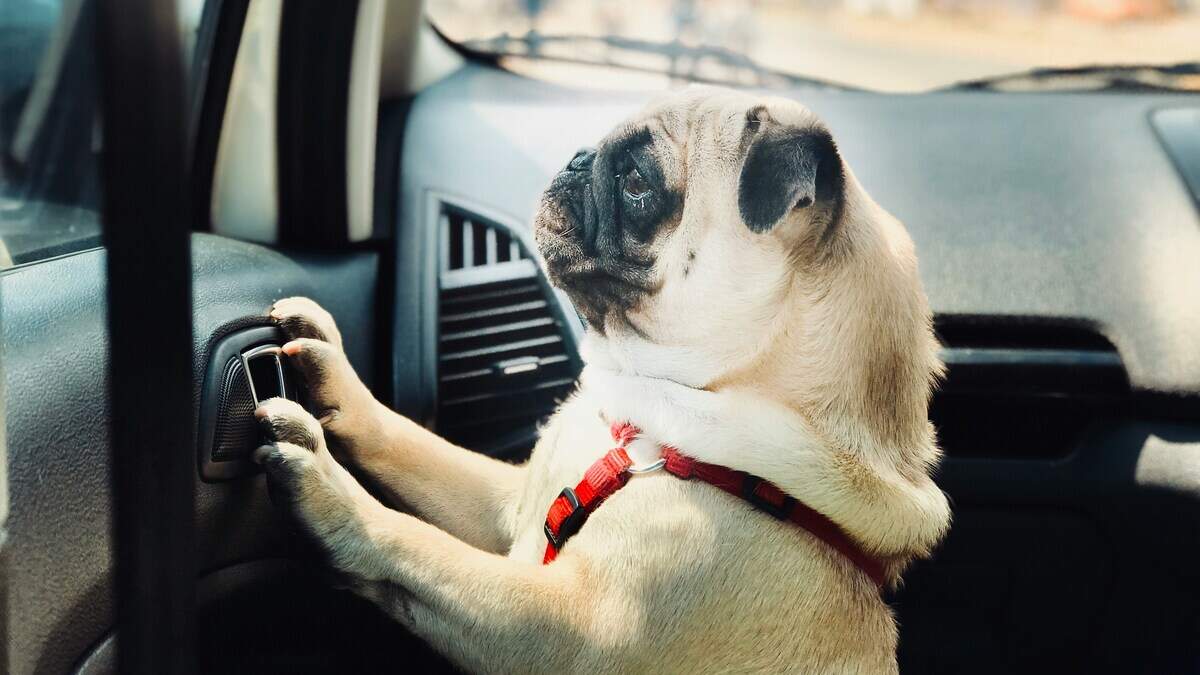
If you come across a child or pet locked in a hot car, you may wonder if you can legally break in to rescue them.
The answer to that question depends on where you are.
About two dozen U.S. states have Good Samaritan laws that protect people who break into vehicles to rescue people or animals trapped and in distress.
“These laws are meant to encourage citizens to act without fear of retribution,” Kids and Car Safety says. “This is critical because minutes can be the difference between life or death for a person or pet trapped inside a hot car.”
With a law passed in 2018, Kansas became one of those states. Here’s what you need to know about the law and what protections a rescuer has in the Sunflower State.
Kansas law on rescuing people, pets locked in cars
In Kansas, a person who enters a vehicle — by force or not — to remove a vulnerable person or domestic animal may be protected under state law. To be given immunity from civil liability for damage to the vehicle, the law says the person should:
- Ensure the vehicle is actually locked and that there’s no way for the vulnerable person or pet to exit the car without help
- Have “good faith and reasonable belief” that they need to break in because the person or animal inside is “in imminent danger of suffering harm”
- Call 911 either before or immediately after entering the vehicle
- Use no more force than necessary
- Stay with the person or pet in a safe place, reasonably close to the vehicle, until a first responder arrives
In Kansas, a vulnerable person is defined as minors and adults who are not able to fully “perform the normal activities of daily living” or fully care for and protect themselves. Domestic animals are defined as dogs, cats or other domesticated animals that may be kept as household pets. This does not include livestock and farm animals.
Preventing heat-related car deaths
While the heat provides extra risk, Sedgwick County health officials say it is never safe to leave children, vulnerable adults and pets locked inside cars.
When the outside temperature is 80 degrees, for example, the inside of a car can reach 100 degrees in about 10 minutes and 123 degrees in 60 minutes.
Sedgwick County health officials encourage you to “look before you lock.” And if you see someone locked in a hot vehicle, they say you should call 911 and get them out.
If the person is showing signs of heat exhaustion or heat stroke — dizziness, thirst, confusion, nausea or weakness — you should move them to a cooler area, loosen their clothing and encourage them to sip cool water. You can also cool them with water or ice.