
6 bodies of water could be unsafe in KS. What to know about toxic algal blooms
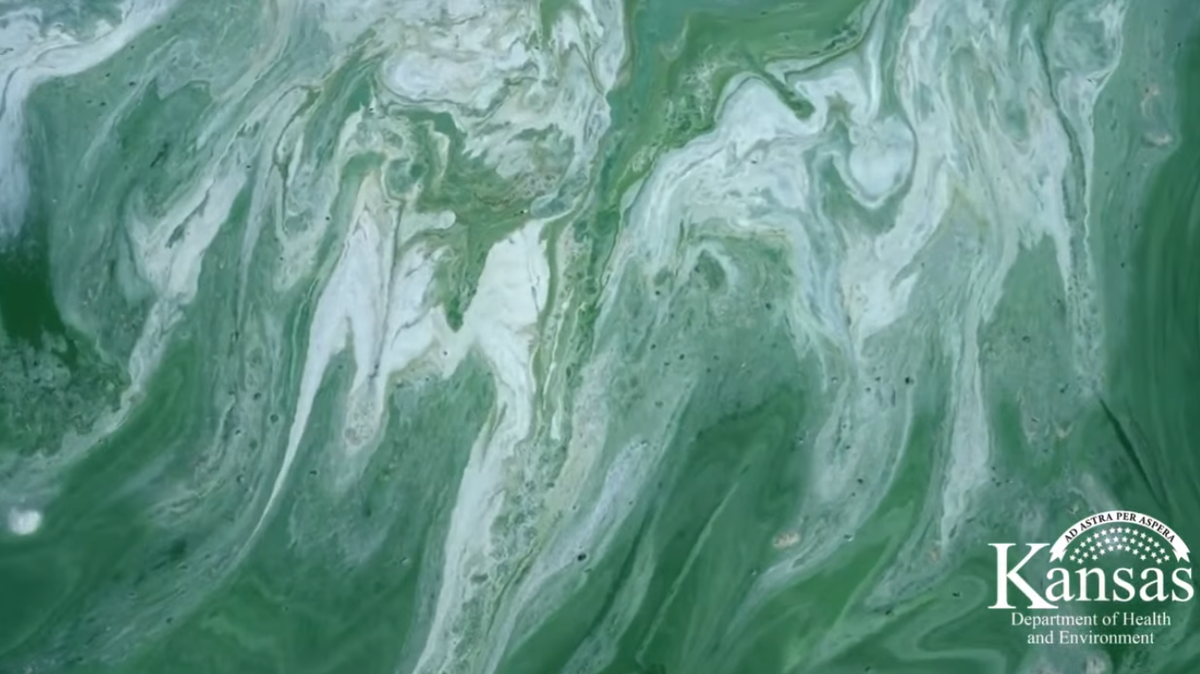
Six bodies of water in Kansas could pose a danger to people and pets because of toxic blue-green algae, state health experts warn.
“Kansans should remain vigilant while engaging in activities taking place in or on the water, such as swimming, boating, and fishing,” the Kansas Department of Health and Environment said May 29. The state department is monitoring harmful algal blooms through Oct. 31.
Here’s what you should know before heading to the water this season.
What lakes are under blue-green algae advisories?
As of the May 29 report, three Kansas lakes are under warning advisories. A warning means a harmful algal bloom is either expected or already present. The three lakes under a warning include:
- King Lake, Lyon County
- Chisholm Ridge Ponds (Clearwater), Sedgwick County
- Lake Afton, Sedgwick County
Three other bodies of water are under watches. A watch means a harmful algal bloom is possible and could be present. The three bodies of water under a watch include:
- Herington City Lake (Old), Dickinson County
- Jewell State Fishing Lake, Jewell County
- Gathering Pond, Geary County
The most current list of harmful algal blooms is updated every Friday by state health officials. It can be found at kdhe.ks.gov/HAB.
What is a harmful algal bloom?
Harmful algal blooms occur when algae colonies grow out of control and produce toxic effects, according to the National Oceanic and Atmospheric Administration.
“Under the right conditions, algae may grow out of control — and a few of these ‘blooms’ produce toxins that can kill fish, mammals and birds, and may cause human illness or even death in extreme cases,” NOAA said. “Other algae are nontoxic, but eat up all of the oxygen in the water as they decay, clog the gills of fish and invertebrates, or smother corals and submerged aquatic vegetation. Still others discolor water, form huge, smelly piles on beaches or contaminate drinking water.”
State health officials say harmful algal blooms could look like paint, scum or foam on top of the water. Blooms can range in color, including bright green, blue, brown and red.
Should I avoid lakes on the advisory list?
KDHE has varying guidances depending on what level of advisory a lake or body of water is given. Here’s what state health officials say about each advisory level.
Watch recommendations
- Water may be unsafe for people and pets
- Avoid any algae that has accumulated
- Do not let people or pets drink contaminated water
- Boating and fishing are considered safe, but inhaling the spray can bother some people
- If you fish, be sure to clean your catches with potable water and only eat the fillet portion
- Swimming and water sports are discouraged near any blooms
- Clean yourself and pets with clean water after contact
Warning recommendations
- Water is unsafe; avoid all contact.
- Inhaling spray from the water could be harmful.
- If you catch fish, clean your catches with potable water and only eat the fillet portion.
Hazard recommendations
- It is recommended the lake, or a portion of it, be closed to the public.
- If there is a partial closure, the remaining areas will be under a warning status.
What do I do if exposed to a harmful algal bloom?
If you are exposed to a harmful algal bloom, state officials say you should rinse off with clean water as soon as you are able. If you notice any exposure symptoms — including a headache, abdominal pain, sore throat or diarrhea — you should seek treatment immediately. Symptoms can appear within minutes or up to a few days after exposure.
If your pet is exposed, rinse them off with clean water while wearing gloves for extra protection. Take them to a vet if they show exposure symptoms. Symptoms in pets include excessive drooling, weakness, vomiting or diarrhea and difficulty breathing.
You should also report the bloom to the Kansas Department of Health & Environment.