Tornado sirens sent false alarms to parts of Wichita early Friday. What went wrong?
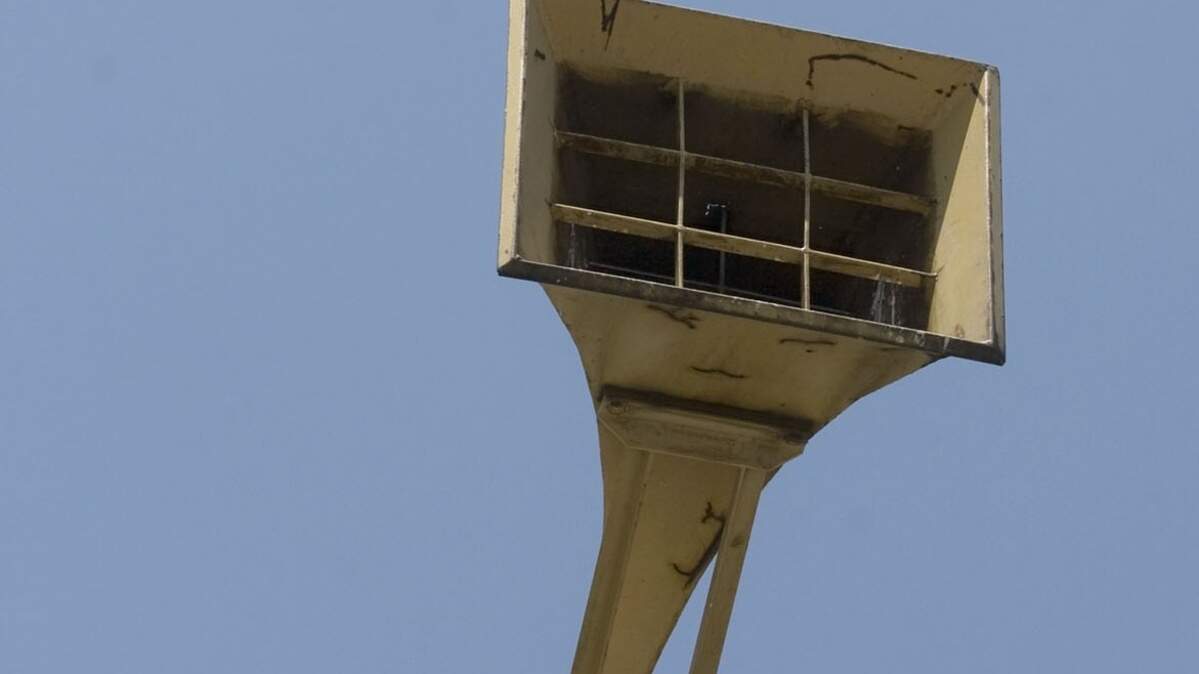
People in some parts of Wichita woke early Friday morning to the sound of tornado sirens, but no warning had been issued for the area.
Tornado sirens are set off when a tornado touches down in the vicinity. While there was a tornado warning in Sumner County, south of Sedgwick County, there had not been a warning issued for the Wichita area Thursday night into Friday morning.
Around midnight Friday, tornado sirens could be heard in parts of metro southeast Wichita, Mulvane and Derby. But shortly after, the National Weather Service alerted people in Sedgwick County that there was no immediate danger.
“We are receiving reports of Tornado Sirens sounding in portions of metro Wichita. THERE IS NO TORNADO WARNING FOR WICHITA & SEDGWICK COUNTY AT THIS TIME,” the post, shared on X and Facebook, reads.
So, what went wrong?
In a news conference Friday afternoon, Julie Stimson, county director of emergency management, said the morning’s sirens were due to a “system programming challenge.”
Sedgwick County’s siren system is undergoing a six-year improvement, and currently, two different system communicate with the sirens. The devices are split into zones so sirens can target various parts of the county. In this week’s case, the wrong zone was activated.
“Because the city of Mulvane falls in both counties and the programming challenges we have with two systems, it did activate our zone in the southeastern part of the county,” Stimson said.
When a tornado warning is issued, it’s for a specific area. In weather broadcasts, the area under a warning will appear as a polygon. That polygon is issued by the National Weather Service and, when under a warning, every siren in that polygon is activated.
In response to Friday’s issue, the county has readjusted its zones.
“What we were able to do is kind of isolate Mulvane into its own zone,” Stimson said. “So if we have another tornado warning that crosses both counties, we won’t activate sirens in that Wichita area unless they’re in the polygon.”
Stimson reiterated the error had been fixed and, ahead of possible severe weather Friday evening, Wichitans should take the sirens seriously.
How do Sedgwick County’s tornado sirens work?
False alarm or not, it’s important to be well versed on tornado safety if you live in Kansas.
That’s because the state ranks as one of the top for tornadoes and general severe weather. On average, there are 84 tornadoes a year across the state, according to National Weather Service data that dates back to 1990.
To keep the public safe, there are 153 tornado sirens in Sedgwick County. Sirens only go off when there is a warning, not a tornado watch.
A tornado watch means there are favorable conditions for a funnel, so people should keep a close eye on the developing weather. In comparison, a tornado warning signals a tornado has been spotted in the area and residents should seek shelter immediately.
It’s important to note tornado sirens are not designed to be heard indoors. So if you are experiencing severe weather, don’t trust that sirens will let you know when to seek shelter. It’s important to have other ways to be alerted of severe weather. A siren is meant to be your last indication, not your first.
But if you do hear a siren, that’s a sign you need to seek shelter. Tornado sirens are one steady tone, as opposed to the siren’s “attack mode” which is a rise and fall.
If your area is under a tornado warning, it’s important to have an emergency plan already in place. Residents should seek shelter first, preferably in a basement. If you don’t have a basement, the next best thing is a small interior room, like a closet or a bathroom, with as many walls between you and the outdoors as possible. Be sure to stay away from windows.