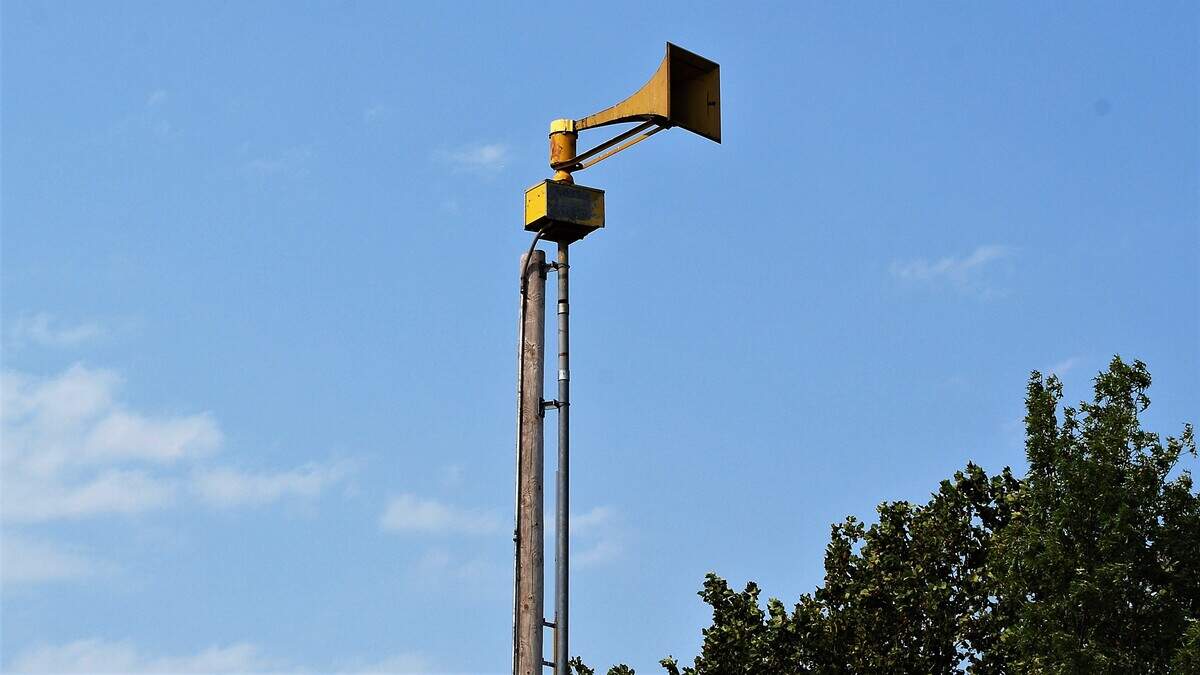
Understanding Sedgwick County’s tornado sirens could save your life. Here’s a guide
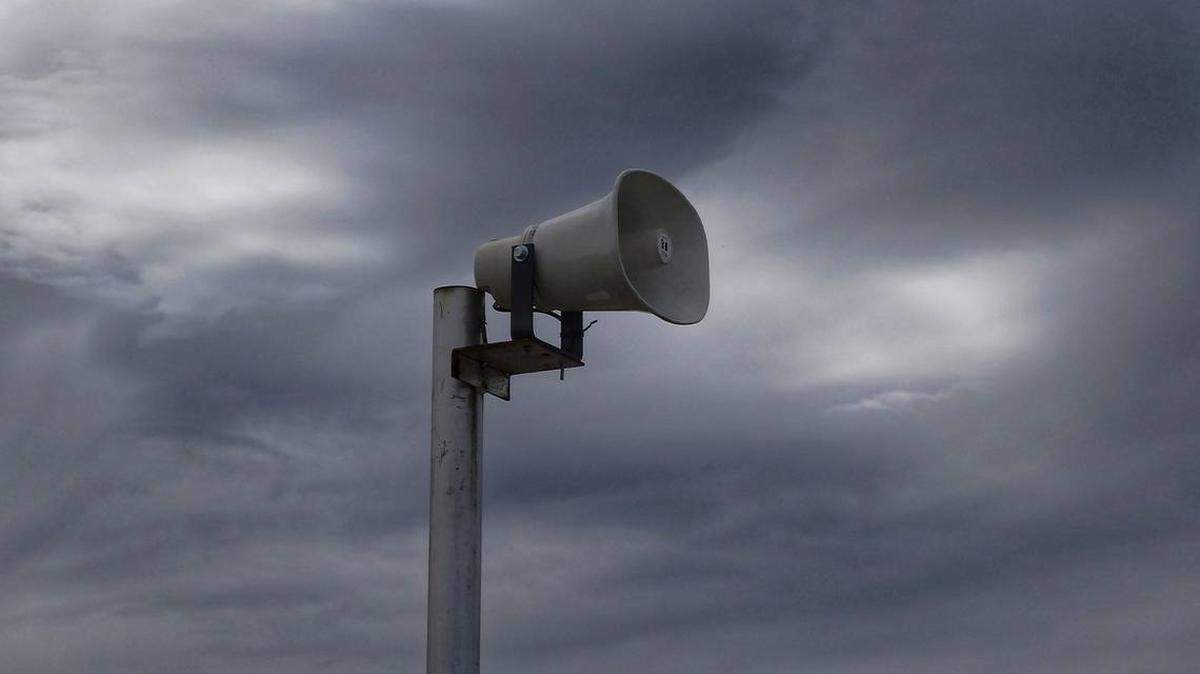
Tornado season officially began this month, and chances are you might hear a tornado siren or two before July arrives.
Kansas ranks as one of the top states for not only tornadoes, but general severe weather. On average, there are 84 tornadoes a year across the state, according to National Weather Service data that dates back to 1990. If you live in Kansas, you should be well-versed in tornado season safety.
A tornado watch means there are favorable conditions for a tornado, so people should keep a close eye on the developing weather. A tornado warning, on the other hand, means a tornado has already been spotted in the area and residents should seek shelter immediately.
If you’re outdoors and away from your phone, tornado sirens can be the only way you know about the danger. But have you ever wondered how many there are? Or exactly how they work? We spoke with Cody Charvat, deputy director of Sedgwick County Emergency Management, to learn more about the sirens. Here’s what we learned.
How many tornado sirens are in Sedgwick County, Kansas?
The county installed its first 13 air raid sirens in the 1950s, but the number has grown to 153 sirens across 21 different jurisdictions.
“They’ve just kind of filled in as the population has grown and expanded,” Charvat said.
The Sedgwick County Commission passed a five-year capital improvement project in 2022 to overhaul the aging outdoor warning system. Under this plan, not only will the warning system become more selective, but aging sirens will be replaced or refurbished.
“We’ve got 60 new ones that are in the ground over the last couple of years, another 30 scheduled to go in the ground over the next few months, and we’ll extend the project out until all sirens have been replaced,” Charvat said.
There are currently three thunderbolt sirens — the original sirens from the ’50s — still working in Sedgwick County. Those are the oldest thunderbolt sirens still in operation, Charvat said.
How far out can tornado sirens be heard?
The scope of the sirens depend on the model. The newest model’s (model 508) advertised range in 7,300 feet, while the oldest model working in the county is advertised to reach 6,300 feet.
“Most of the sirens we’re putting up in the CIP are those model 508[s],” Charvat said. “[We’re] also refurbishing model 2001s and [putting] some of them back in the ground, and their advertised range is 6,400 feet.”
The oldest models, the thunderbolt sirens, can be heard from 6,300 feet.
There are two different alert tones the outdoor sirens make — one is the steady tone, the one you hear during Monday siren drills and when there’s a tornado warning in your area.
The other, a rise and fall, is the “attack mode.” This signal is designed for enemy attacks and air raids.
“We’ve never had to sound the sirens in attack mode,” Charvat said. “We’ll occasionally test them in attack mode, but that’s very rare.”
Tornado siren drills happen every Monday at noon in Sedgwick County unless it’s a holiday or there is concerning weather, and the siren can be confused with a real tornado warning.
If I hear a siren, does that mean a tornado is near?
If you hear a tornado siren, that doesn’t necessarily mean you’ll see a tornado touching down, but it does mean you’re in the path of possible danger.
“If you scroll through the local TV channels, whenever there’s a weather warning in the area, you can see the polygon on the map and the exact same spot on every channel that you switch to, that polygon is [activated] by the National Weather Service,” Charvat explained. “Our siren computers are hooked into that same computer, so we get that polygon that pops up on our siren mask, and so ... the software will recognize sirens that are within the warning polygon, or can be heard within the warning polygon.”
The software will only activate the sirens in that specific area, Charvat said.
“If the tornado, for example, is near Mount Hope and moving towards Newton, we don’t want to sound the sirens in Clearwater and Mulvane and Derby because they’re not under warning,” Charvat said.
To sum it up, if you hear a tornado siren, you should take shelter immediately, even if you can’t see the tornado.
How to stay safe during tornado season
One of the most important things to note about tornado sirens is they are only to signal those outdoors — so you may not hear it indoors, especially when other things are distracting you.
“If it’s a warm summer day and you’ve got all the doors and windows closed and the air conditioner on, a TV going in one room and a Game Boy going on .... in another room, and maybe a radio going in the kitchen, you’re not going to hear that siren inside,” Charvat said. “They are meant to warn people who are outdoors.”
The tornado siren is meant to be the last indicator of imminent danger from a tornado — not the first and definitely not the only.
“It’s really important for folks to have multiple layers of getting that warning information ... radio, cell phone, TV, Internet, apps, whatever it might be, don’t rely on those sirens,” Charvat said.
If your area is under a tornado warning, it’s important to have an emergency plan already in place. Residents should seek shelter first, preferably in a basement. If you don’t have a basement, the next best thing is a small interior room, like a closet or a bathroom, with as many walls between you and the outdoors as possible. Be sure to stay away from windows.