
Wichita once had a rooftop farm overlooking downtown. Now, a new one is sprouting
Until last year, downtown Wichita boasted a semi-secret garden. Built on the rooftop of the Fidelity Bank parking garage at Market and Waterman, Rise Farms functioned as a sky-high, 15,000 square-foot micro-farm that grew herbs, vegetables and flowers that were sold by owner Leah Dannar-Garcia to her customers, including several restaurants around town.
Then, in August, Dannar-Garcia decided to retire, and the secret garden was shuttered.
Now, though, downtown Wichita has another rooftop garden, and it’s just a few blocks away.
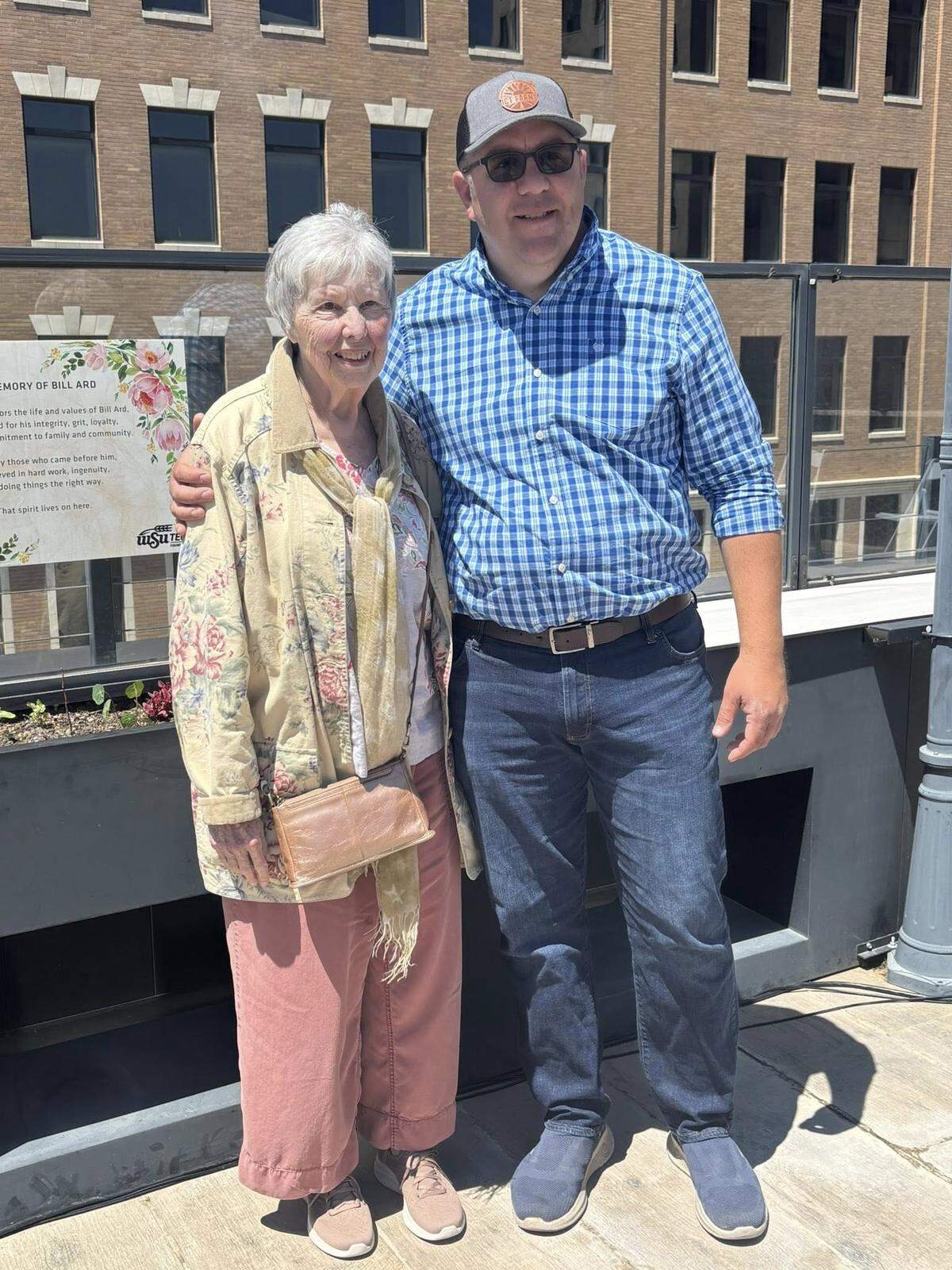
WSU Tech’s culinary school – the National Institute for Culinary and Hospitality Education, or NICHE — recently opened its new rooftop garden, which operates on the top floor of its building, the former Henry’s department store spot at 124 S. Broadway. Earlier this month, the school celebrated the launch of its farm with an event attended by Donna Ard, who gave money to get the garden growing in honor of her late husband, Bill, a Wichita State University graduate, longtime donor and supporter of NICHE.
The new garden is a bit different from the one at Rise Farms, which featured rows and rows of raised beds filled with crops. This garden is instead part of the architecture of the 5,500 rooftop terrace attached to Henry’s Place, a top-floor event venue at NICHE that, during the three years since the building opened, has been home to many weddings, banquets and special events.
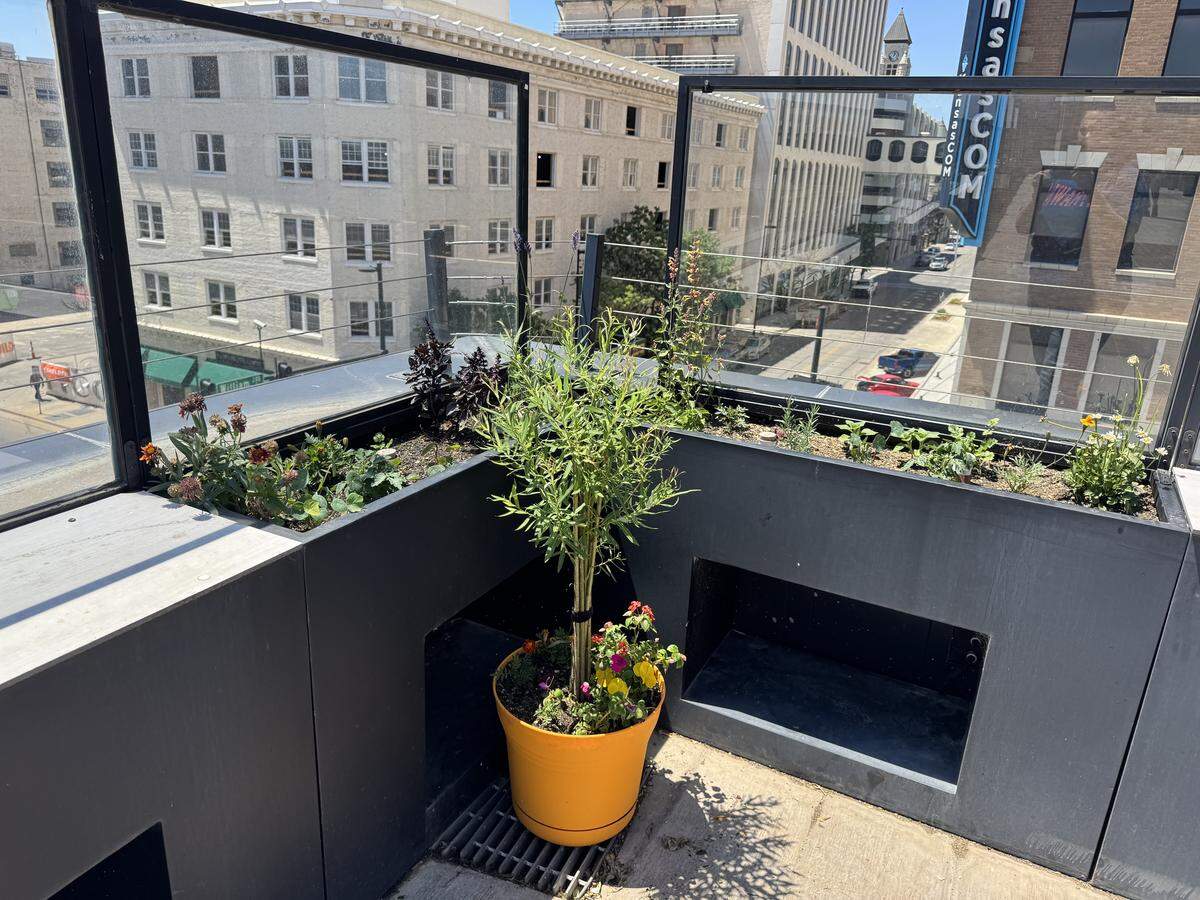
The designer of the terrace — which features panoramic views of downtown Wichita (and at the moment a front-row view of the construction of the Wichita Biomedical Campus —planned for the terrace to be lined along the edges with 19 different 4-foot-by-1-foot planters. The school recently contracted with Thomas Montiel of Montiel Farms to tend to the planters, whose produce will be used by the school’s resident chef instructors and its students as part of their education.
“It’s going to reinforce our tenet of sustainability and give students access to food growing and to making that connection of ‘Where does our food come from?’” said Lexi Michael, the dean of culinary arts at NICHE.
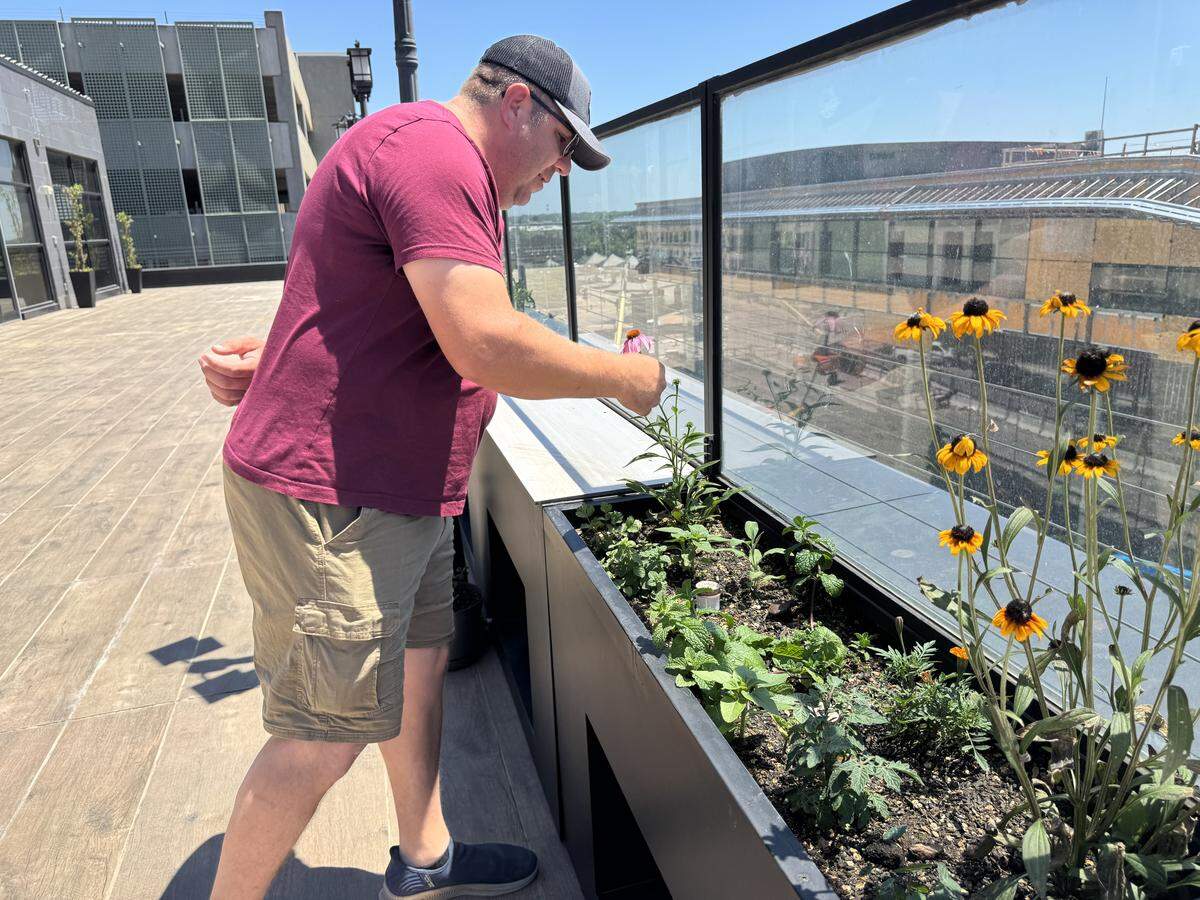
Montiel, whose south-Wichita farm offers you-pick flowers, willow trees and duck eggs, started planting in March, and now many of the plants are well on their way. Montiel believes in polyculture gardening, meaning he mixes lots of different plants together in one bed rather than grouping them. Each planter has four square feet of planting space and includes, for example, strawberries growing next to marigolds growing next to lavender growing next to rhubarb growing next to cherry tomatoes.
“It actually allows everything to borrow from each other,” he said. “All these root systems, through fungus and bacteria in the ground, they trade nutrients. The more stuff you put in, it kind of creates new avenues to trade. So just kind of like in any type of society, garden beds are the same way: The more diversity you have, the more there is to trade.”
Montiel planted the beds using more than 4,000 pounds of worm castings that he transported to the rooftop, one five-gallon bucket at a time. Now, he’s able to visit the farm just once a week to water and check on the plants. Otherwise, it mostly takes care of itself thanks to an ancient growing method he’s utilizing. Each bed includes two ollas, which are refillable porous clay pots that are buried in the soil alongside the plants. Montiel keeps each one filled with water, which slowly seeps out into the bed.
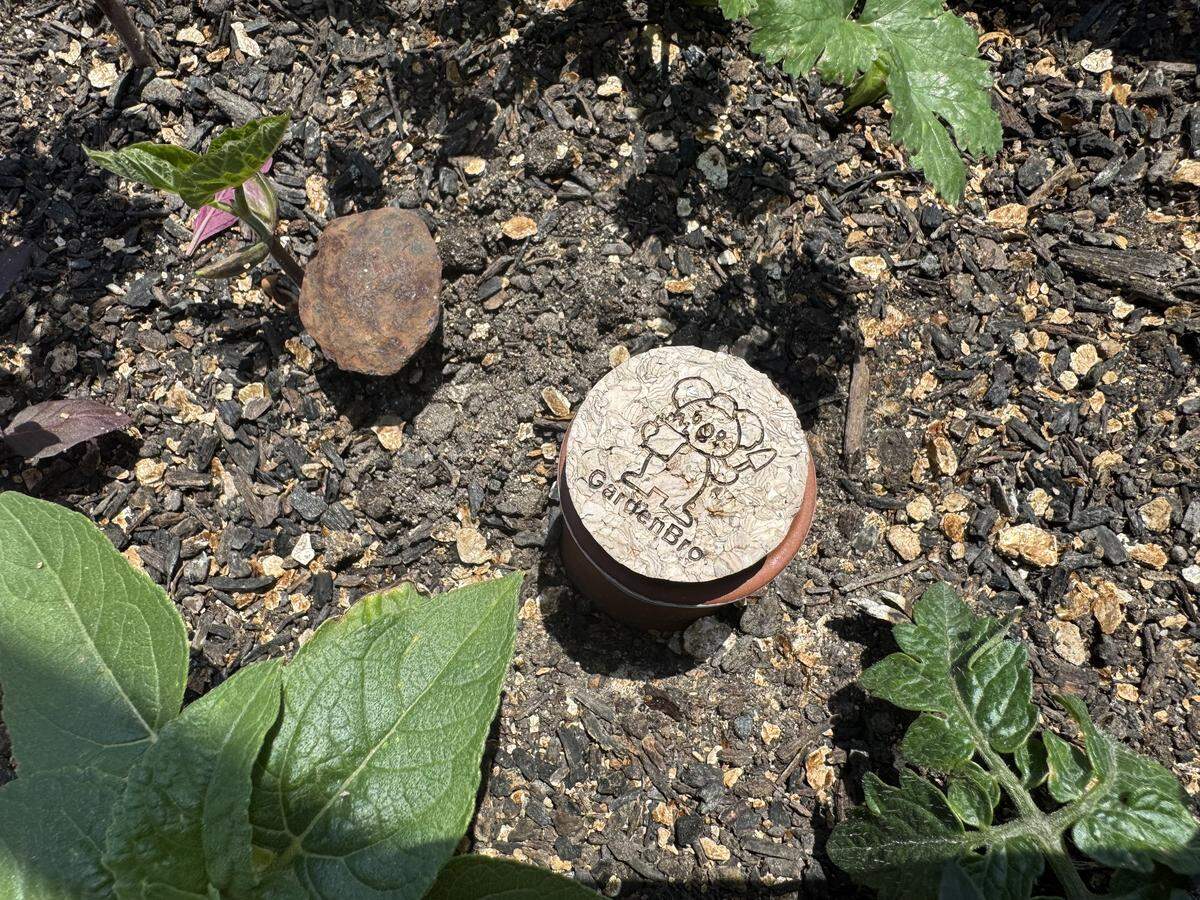
”It allows me to really be kind of hands free, for the most part,” said Montiel, who also placed 18 pots filled with willow cuttings and flowers around the terrace.
As the plants continue to grow, he said, they’ll begin spilling over the planters, which will help give the terrace a landscaped look.
John Michael, the director of NICHE, said that the school has plans for other ways the rooftop garden can be utilized. The school has a partnership with Envision, an organization that serves blind and visually impaired people: Its downstairs Envision Bistro is even named for the organization. Michael said he imagines inviting the group’s clients to work with the plants.
Local school children also frequently tour the culinary school, he said, and he has ideas for projects that would allow middle- and high-school-age students get an up-close understanding of the farm-to-table concept.
“So it really serves multiple purposes,” John Michael said. “And from an event venue perspective, it definitely beautifies the area.”
This story was originally published May 13, 2026 at 1:56 PM.
.jpg)