The new guard: Army of young chefs is leading Wichita toward its culinary future
READ MORE
Changing of the guard
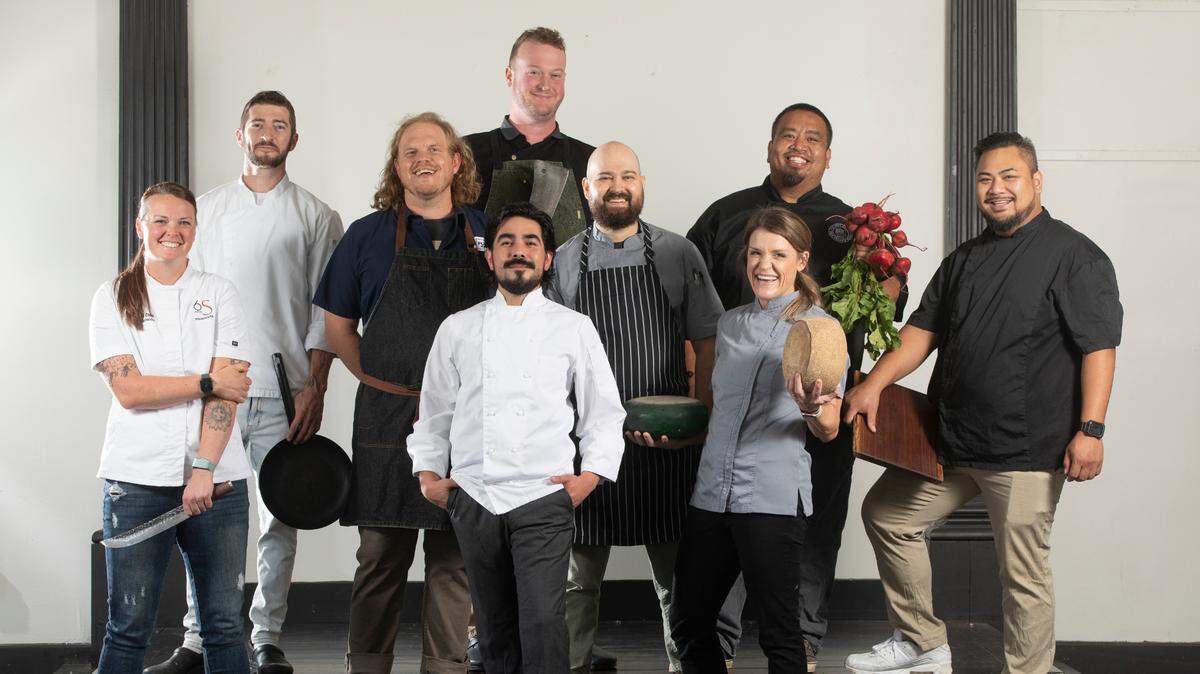
Wichita’s new generation of chefs is young, passionate and earnest, and they’re focused more on sustainability and creativity than their predecessors could be.
Expand All
When Jeremy Wade got his first job in a restaurant kitchen, Food Network wasn’t even 5 years old and Emeril Lagasse had barely uttered his first “Bam!”
It was the late 1990s, and chefs weren’t celebrities, Wade said. They were more like serfs. Paychecks were minuscule, and “Kitchen Confidential” author Anthony Bourdain was preparing to educate America on what life in a big-city restaurant kitchen was really like: cutthroat, testosterone-filled and sometimes drug riddled.
Now, almost 25 years and a resume full of chef jobs later, Wade — a Kansas native who worked in Detroit kitchens before returning home in 2000 for a job at Bradley Fair’s fine-dining restaurant Cibola — is a restaurant owner. A year ago, he opened Napoli Italian Eatery at 7718 E. 37th St. North.
He’s now perhaps the best-known member of a group of chefs who led Wichita through two decades of culinary growth that included the addition of many upscale restaurants and the birth of a growing foodie culture.
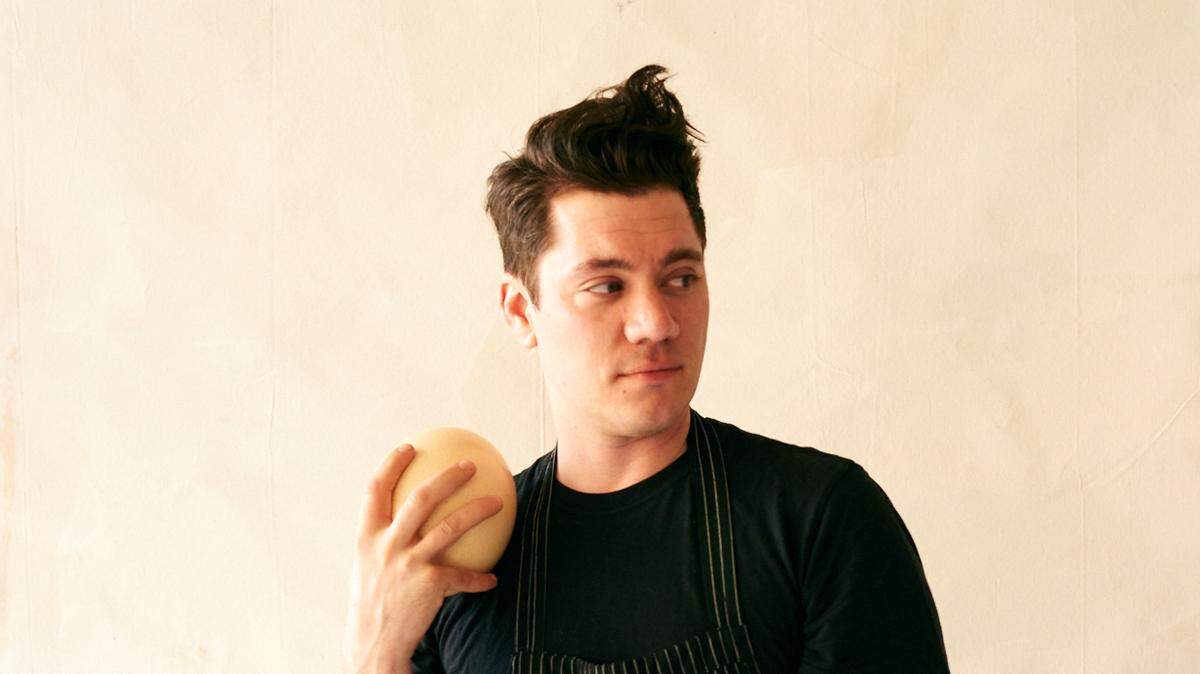
Wade also is a front-row observer and mentor to Wichita’s “new guard” of chefs: passionate young men and women who grew up during a different era than he did, who are local celebrities, not low-paid serfs. They’re mostly millennials who were raised on a diet of Food Network, cooking shows and superstar chefs.
For them, food is an art, a passion and a career, not just a job. They’re not competitors but colleagues. They’re pumped about local vegetables. They’re friends with local farmers. And they’re leading Wichita on a new culinary course that Wade finds fascinating.
“They’re super talented, and they’re so focused,” said Wade, who hired a member of the new guard — Jordan Rickard, 32 — as his executive chef at Napoli. (Rickard recently left to open his own restaurant.) “They demand quality and have high expectations. They’re so wrapped up in the culinary part of it. They’re not as much business people: They’re in it for just the food. They want no other distractions. It’s just the food.”
Changing of the guard
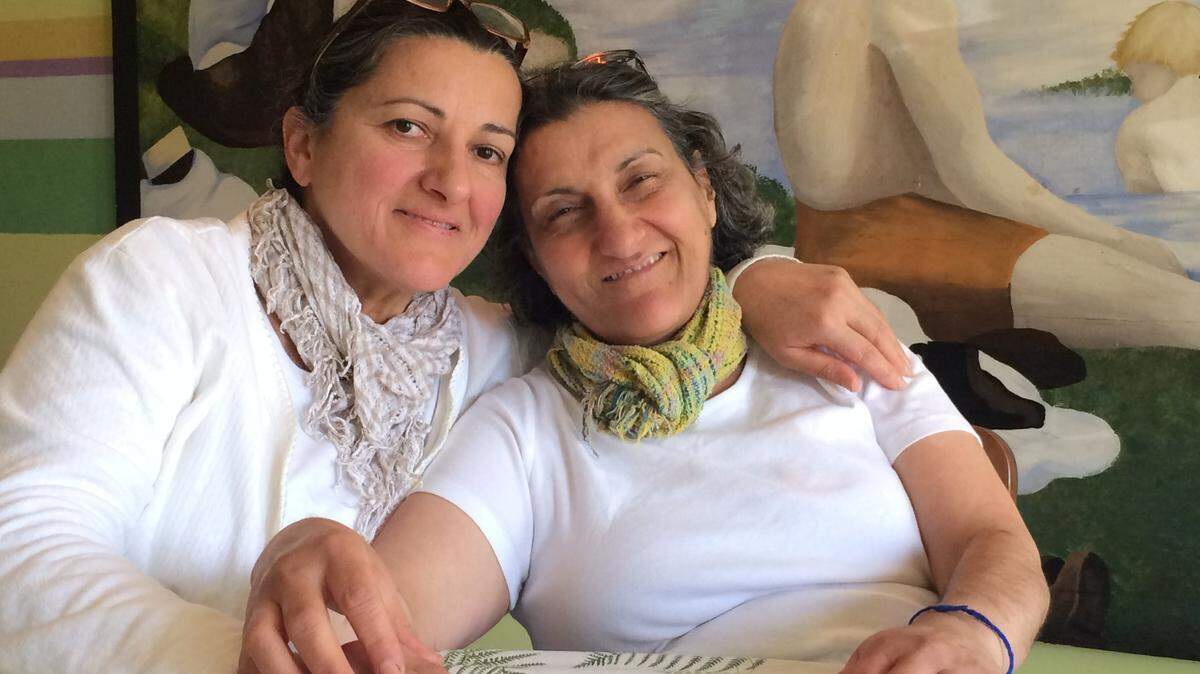
Wichita has long been treated to meals from serious chefs, including Antoine Toubia, the founder of Latour and the force behind restaurants like The Olive Tree and Cafe Chantilly. Toubia, who died in 1996, and his sisters, Joumana and Randa, are largely credited with transitioning Wichita from a meat-and-potatoes town to a city that craved continental preparations and complex sauces.
But through the late 1990s and early 2000s, Wichita’s chefs were largely men who led the fine-dining restaurants in local hotels and clubs (David Wirebaugh at the Hyatt, Peter Moretti at the Wichita Marriott, Damian Lehman at the Wichita Country Club) or young, transitory upstarts who moved from kitchen to kitchen before ultimately burning out and disappearing from the scene.
In recent years, though, the Wichita dining scene has been infused with a new crop of enthusiastic and earnest young cooks who grew up watching “Iron Chef” and admiring celebrity cooks like Wolfgang Puck and Bobby Flay.
Many of them entered restaurant work intentionally, while their predecessors may have fallen into it by taking the first available kitchen job they could find. Some were exposed to culinary classes in high school. Many grew up in Wichita, then left Kansas to attend culinary school and expose themselves to kitchens and chefs in big cities like Denver and Phoenix. Others landed in Wichita with spouses or moved here to take executive chef jobs in local fine-dining restaurants. They’ve become local celebrities, appreciated by the older generation of Wichita foodies and admired by their own peers.
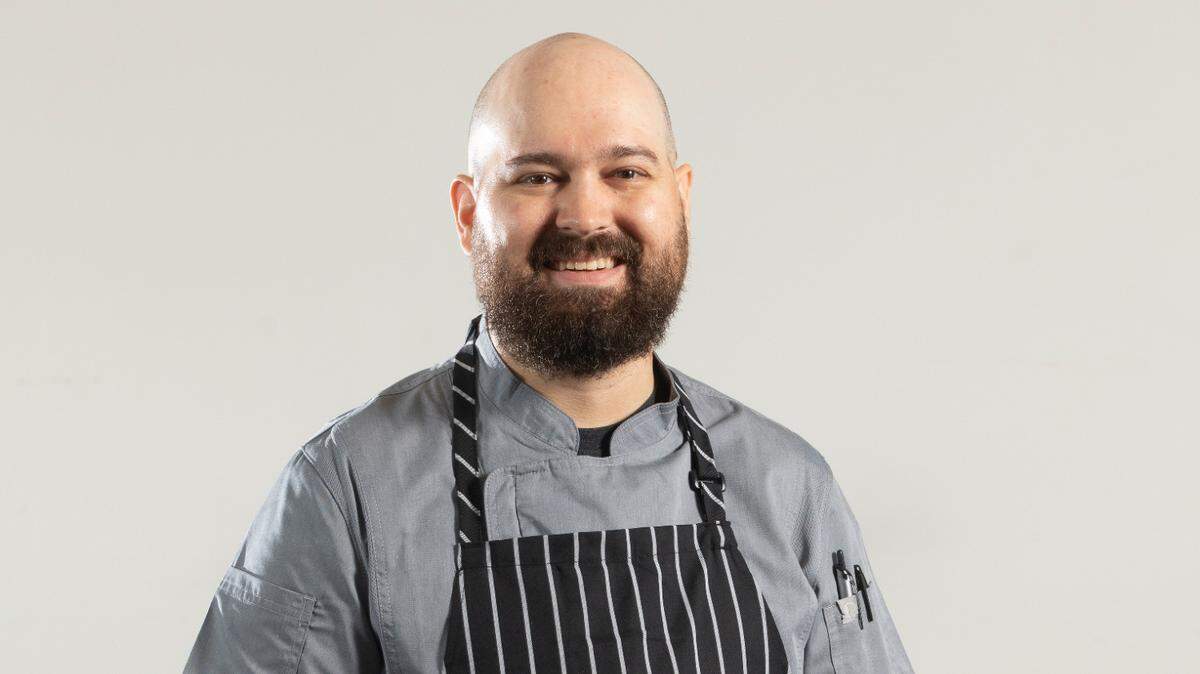
They’re 35-year-old Josh Rathbun, son of well-known local attorney Randy Rathbun, who cooked his way across Sydney, Australia, and Denver before returning to Wichita, rising through the ranks in fine-dining kitchens and becoming one of Wichita’s most outspoken proponents of the farm-to-table movement.
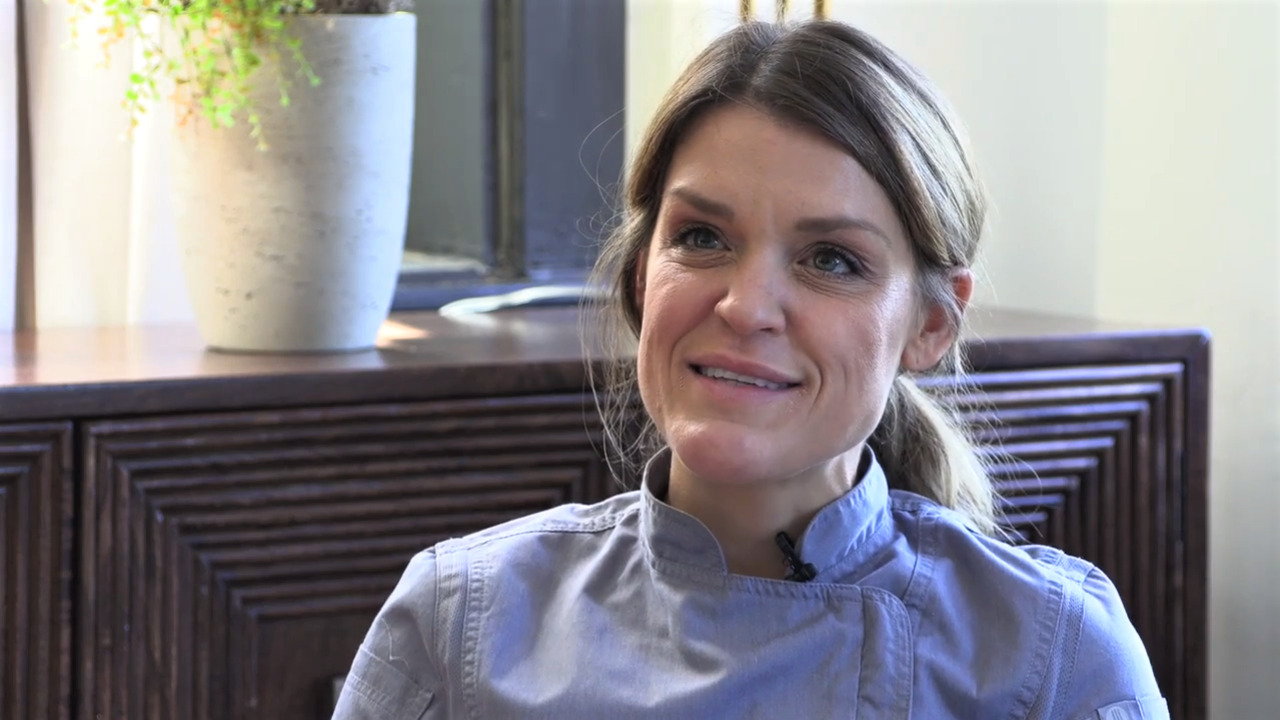
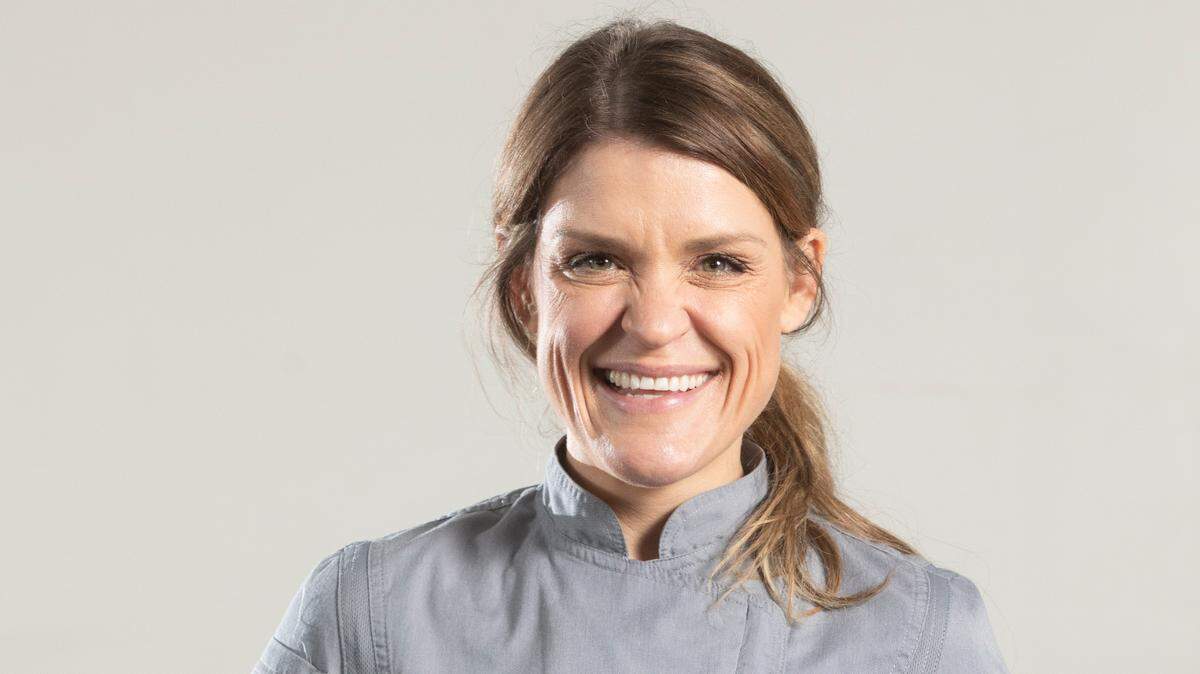
They’re 36-year-old Katharine Elder, who married a farmer and fell in love with turning the produce his family grew on Kechi’s Elderslie Farm into gourmet dishes, ultimately starting a popular farm-based fine-dining restaurant.
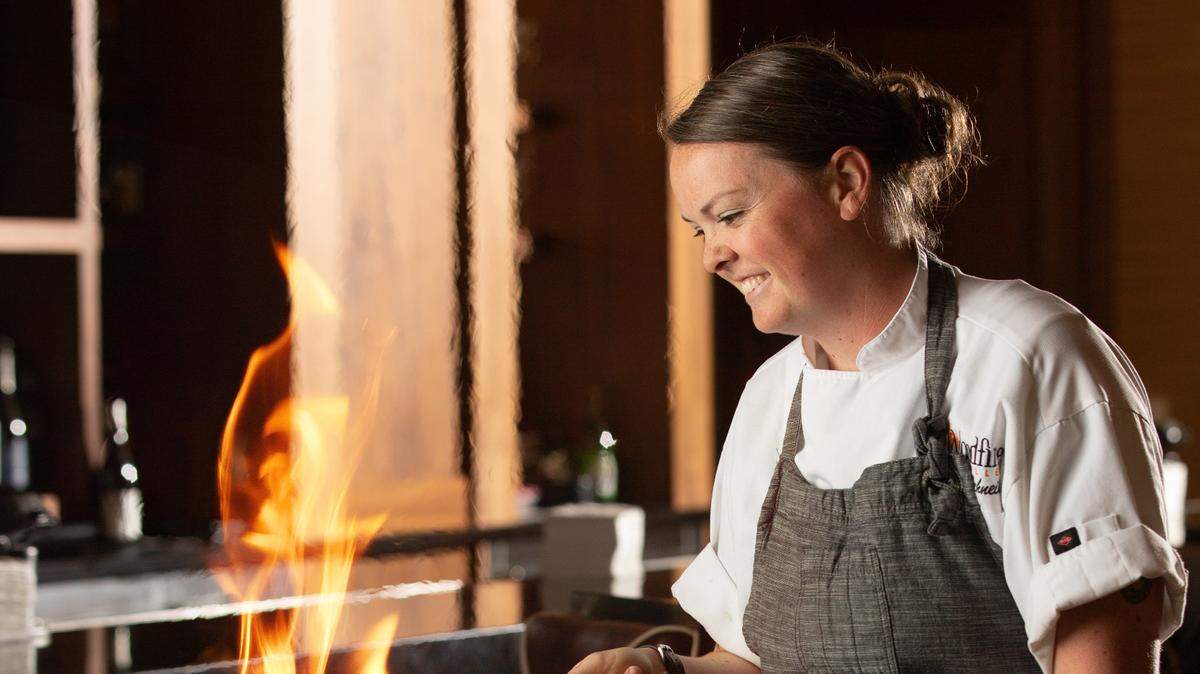
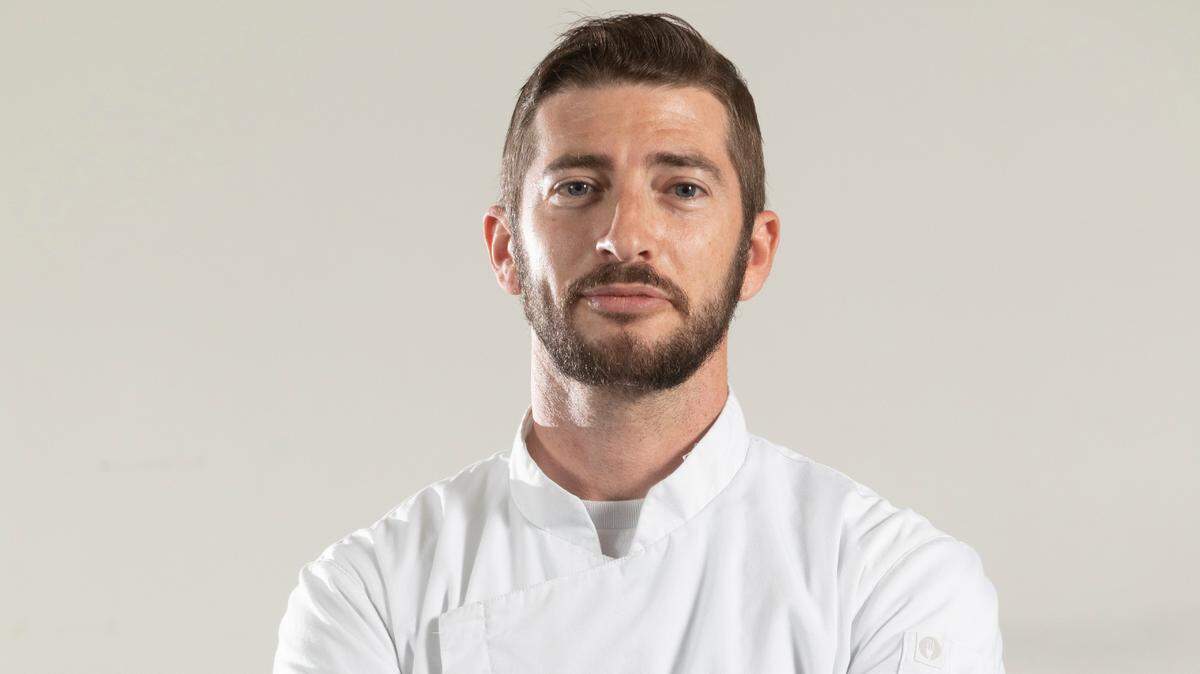
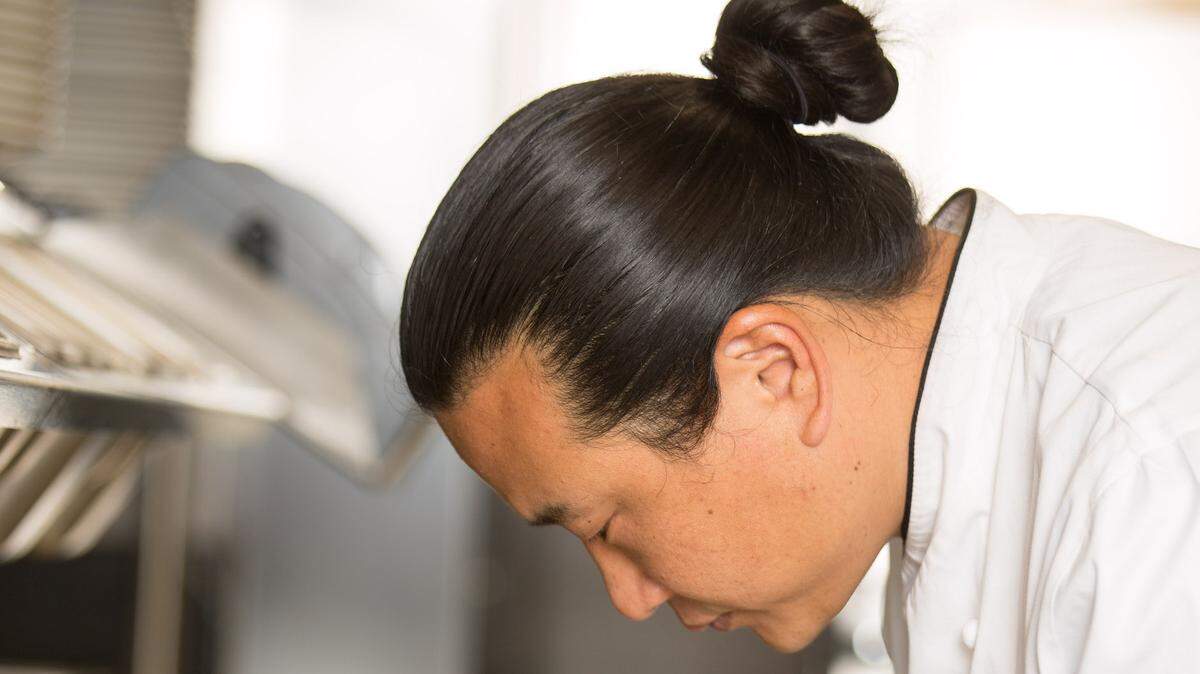
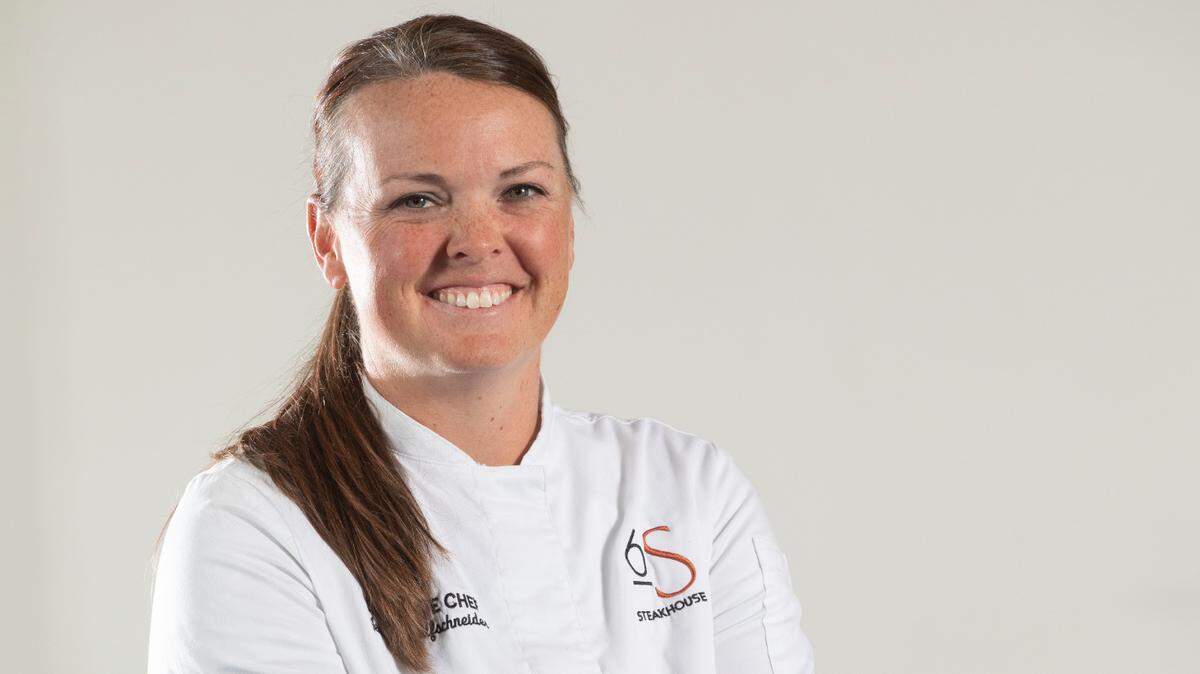
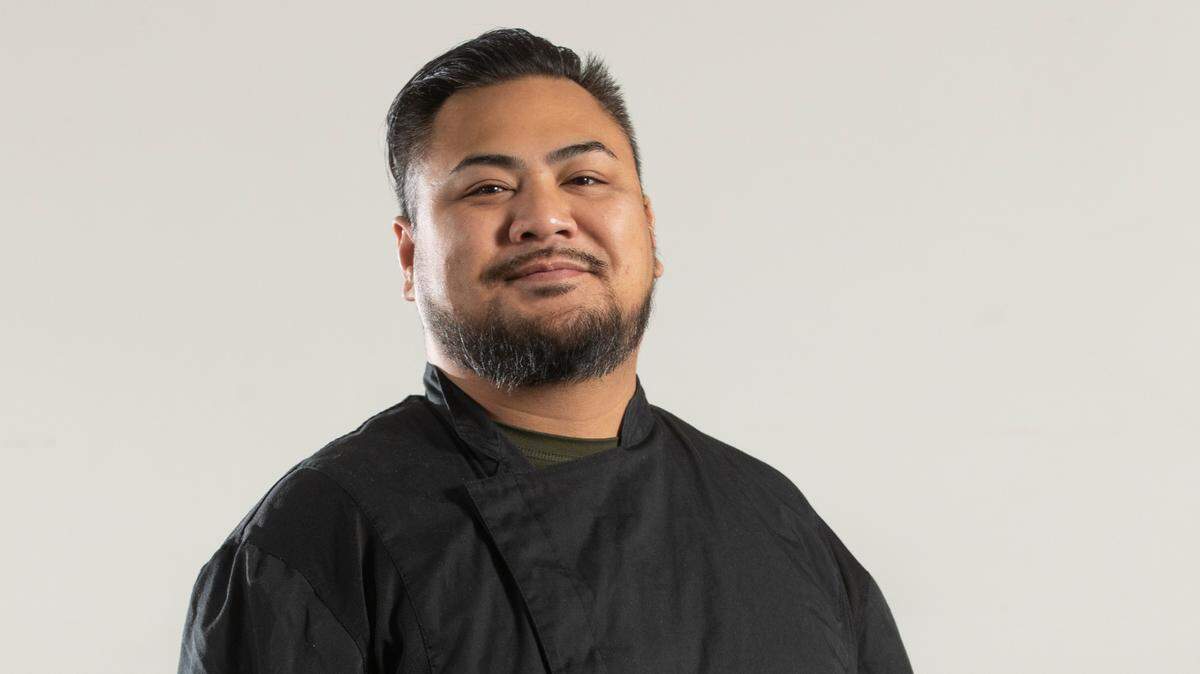
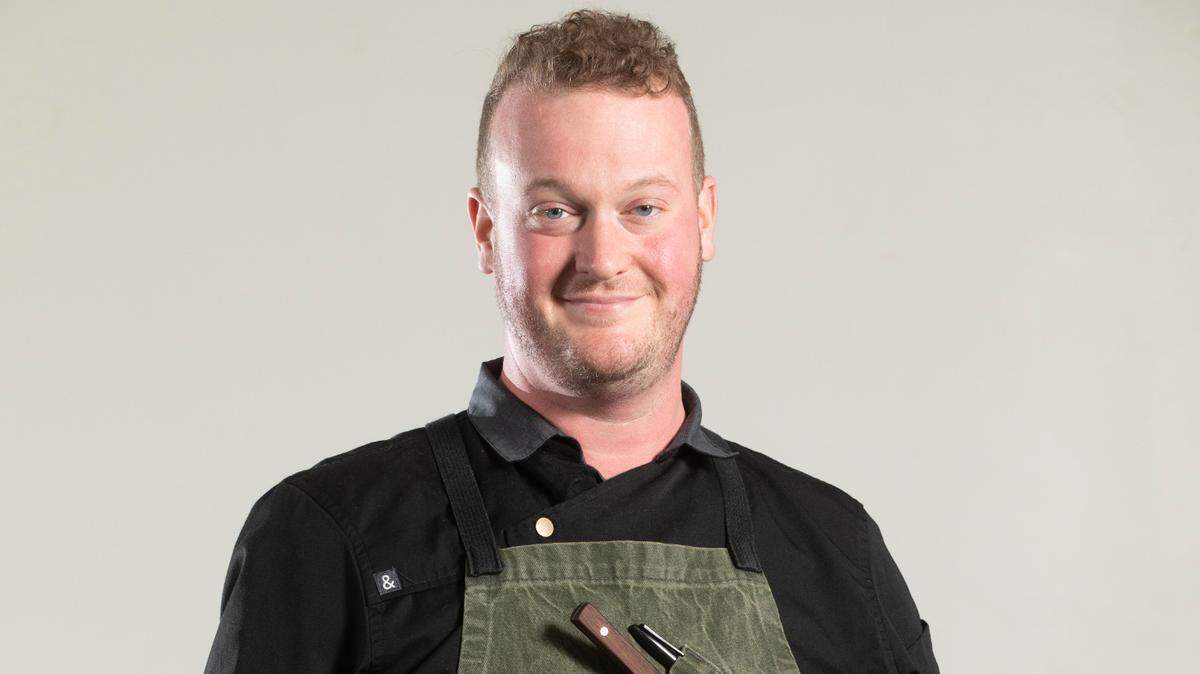
They’re Rickard, a Wichita native who attended culinary school in Denver and cooked in restaurants there before coming home. They’re Jennifer Reifschneider, 6S Steakhouse’s 33-year-old executive chef who decided to become a cook as a kid watching “Emeril Live” on television. And they’re Bill Crites and Kayson Chong — two chefs trained in big cities before moving to Wichita for love or for job offers, then deciding to stay and start their own restaurants.
They know they’re different from their predecessors, they say. As a whole, they’re better paid, and they’re more respected. They have admirers, and they use their platforms to promote the passions that move their generation, namely sustainability, local food sourcing and using their talents to make Wichita a better place to live.
“I think that this younger generation has a different approach when it comes to sourcing and utilizing products,” said Rathbun, who led the kitchen at Siena Tuscan Steakhouse for five years before recently taking the executive chef’s job at Elderslie Farm. “And I don’t think that necessarily has to do with huge philosophical differences as much as generational differences. ... Our ideas about food have been created by the world that we grew up in and the future that we see.”
‘The pieces are in place’
Wichita’s new crop of chefs see food differently than their predecessors, said Jimmy Vo, a local farmer and owner of Kan-Grown Hydro Farm who has become a friend to many young chefs.
Vo, a Wichita native who studied at the University of Kansas, moved to San Diego and managed a restaurant, then returned in 2009 to help his uncle launch a local farm, said Wichita chefs share a passion for quality ingredients grown locally.
The previous generation, he said, was locked into a corporate system of buying. They stocked their kitchens almost solely off the backs of trucks. There weren’t many local farms providing directly to restaurants and there weren’t many chefs with the budgets to work with the ones that were.
Over the past decade, that’s started to change. The national farm-to-table movement, which traces its roots back to 1970s chefs like Alice Waters and her Chez Panisse restaurant in Berkeley, California, has continued to grow in the decades since and has finally taken root in Wichita.
Though the movement is still in its infancy — it requires more costly ingredients and requires owners willing to buy them and customers willing to pay higher prices — the new generation of chefs is committed to it. Many of them attended a “Wichita Area Farm to Table Summit” that Rathbun organized in late 2019, attracting about 50 local farmers and chefs who got together and talked about the benefits and challenges of chef/farmer collaborations.
The new guard of chefs uniquely understands the movement’s importance, Vo said, and so do their younger customers. Over the past decade, Wichita kitchens have also developed a pipeline to local farms that didn’t previously exist, and the new chefs have built relationships with Vo’s Kan-Grow Hydrofarm as well as with places like Firefly Farm in Wichita, Serenity Farm in Sedgwick and Strong Roots Farm in Valley Center.
“Now there’s more knowledge about that way of buying and that way of sourcing, and I think that’s huge,” Vo said. “I think that’s what this new young generation understands — getting the best ingredients and really working with them and trying to portray directly what’s around you.”
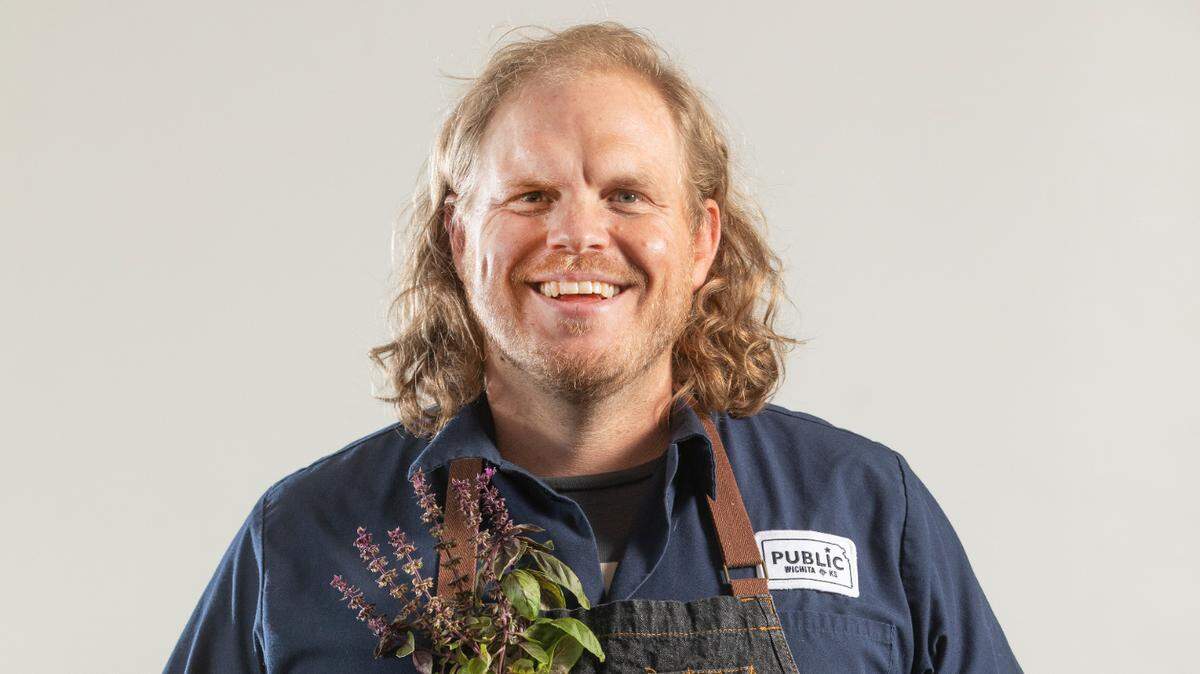
Their challenge is to persuade owners — and customers — that better ingredients are worth the higher price, Vo said. And that’s why it’s important for Wichita’s young chefs to become restaurant owners and lead the way. It’s already happening with chefs like Elder at Elderslie Farm; Travis Russell at Public, 129 N. Rock Island; and Carlos Vera at Taco Locale, 2721 E. Central.
“A lot of the old-school owners nowadays are in a sense behind the curve,” Vo said. “It was for so long just ‘buy it off of a truck, buy it off one invoice and make it easy to track.’ But you have to have a chef who knows how to use it and understands it and an owner who’s OK paying for it.”
Wade, who after years of working in restaurants all over town is now a restaurant owner, said he now feels a little stuck in the middle of the old guard and the new guard. He was one of the first chefs to serve farm-to-table dinners in Wichita, when he worked at Cibola. But back then, purveyors were scarce and few diners were willing to pay higher prices for better ingredients, he said.
He embraces and agrees with the young chefs’ idealism — and says it’s changing the city for the better. But Wichita may still be a ways off from the food utopia they’re trying to build.
“They have this perception of how a restaurant should be, and it’s not always that way,” he said. “Very rarely is there a situation like Elderslie Farm where you can do the food you want to do. In Wichita, you have to balance it with volume, with bringing in customers.”
Rathbun agreed that he and his contemporaries still have work to do.
Because many of them are not yet owners, it could be years before they have the power to shape the dining scene into what they envision.
“I’m not convinced that it has fully formed yet,” he said. “I feel very, very excited because the opportunity is clearly there, the pieces are in place. And then now is the time that we seize our opportunity and make the changes.”
Wichita: A chef incubator
Wichita’s new guard of chefs is also pretty chummy.
They don’t view each other as competitors, they say, and they’re members of a mutual admiration society. They encourage each other. They share information.
Often, they even collaborate. One example is the Chef’s Collective Dinner Theatre series Vo launched earlier this year. His idea was to bring young chefs together once a month in the venue he manages — the historic Odd Fellow Hall at 930 W. Douglas — and let them spread their culinary wings, working together to create elaborate menus using local ingredients and multiple skill sets.
The dinners have been popular with local foodies and with local chefs. Though each dinner usually features two chefs from two different restaurants, other local chefs usually show up to help out in the kitchen, expedite plating and just soak up the atmosphere. (The next one is on Nov. 6 and will feature Rathbun and Elder.)
That atmosphere is one of the things that makes Elder excited about what’s to come, she said. When she was first getting started a decade ago, there was no community of chefs — just individual restaurants doing their own things.
“As a self-taught chef, I’ve experienced so much collaborative energy, a willingness to share ideas to sharpen one another, to really pour into the food of our community, not just our little microcosms,” she said. “. . . There’s a really enthusiastic willingness to collaborate.”
Wichita is poised to keep generating new young chefs, said Vo, who is excited about the fact that the Wichita area is now home to two culinary training programs: the established culinary and hospitality program at Butler Community College, which will soon break ground on a new state-of-the-art facility in Andover, as well as the new Wichita State University Tech culinary arts program that will be based in the old Henry’s building downtown and will be led by local chefs John and Lexi Michael.
Those programs should set loose a whole new generation of young chefs in Wichita, and the ones leading the scene now will need to show them that Wichita is a place they want to stay, Vo said.
“WSU Tech and Butler are our first taste of it, and I think we need that because that whole cycle of rolling through everybody and people getting burned out and the whole state of the industry was not good when I came back 10 years ago,” he said.
Wade said he’s enjoyed watching the new guard rise through the ranks in Wichita, and he’s impressed by their level of talent. Many he’s met — like his just departed chef Jordan Rickard and Jordan’s chef brother Jason Rickard — have traveled and cooked elsewhere and have been exposed to bigger ideas about food.
It’s also been interesting over the years, he said, to watch the role of the chef evolve in restaurants across the country and in Wichita. No longer are chefs line cooks who work 60 hours a week for very little pay, he said. Chefs are now idealized, their jobs glamorized. Now, they get to be creative and come up with specials rather than slave away on the line. They’re personalities in their restaurants and around town. They can afford to pay their bills.
“It’s become as it should be,” Wade says. “It is a skill, and I think it’s taken so long to get to that level where it is respected.”
This story was originally published October 31, 2021 at 5:10 AM.
.jpg)