
Wichita chefs, farmers get together to talk about barriers, advantages to ‘eating local’
If you like to eat out in Wichita, you may have noticed an increasing number of chefs and restaurants touting that their food is locally sourced, their ingredients grown in or near Wichita.
The “eat local” movement has been trendy in big cities for years, and as it gains momentum in Wichita, both chefs and farmers are learning that the concept of farm-to-table, though lofty, is often difficult and expensive to execute.
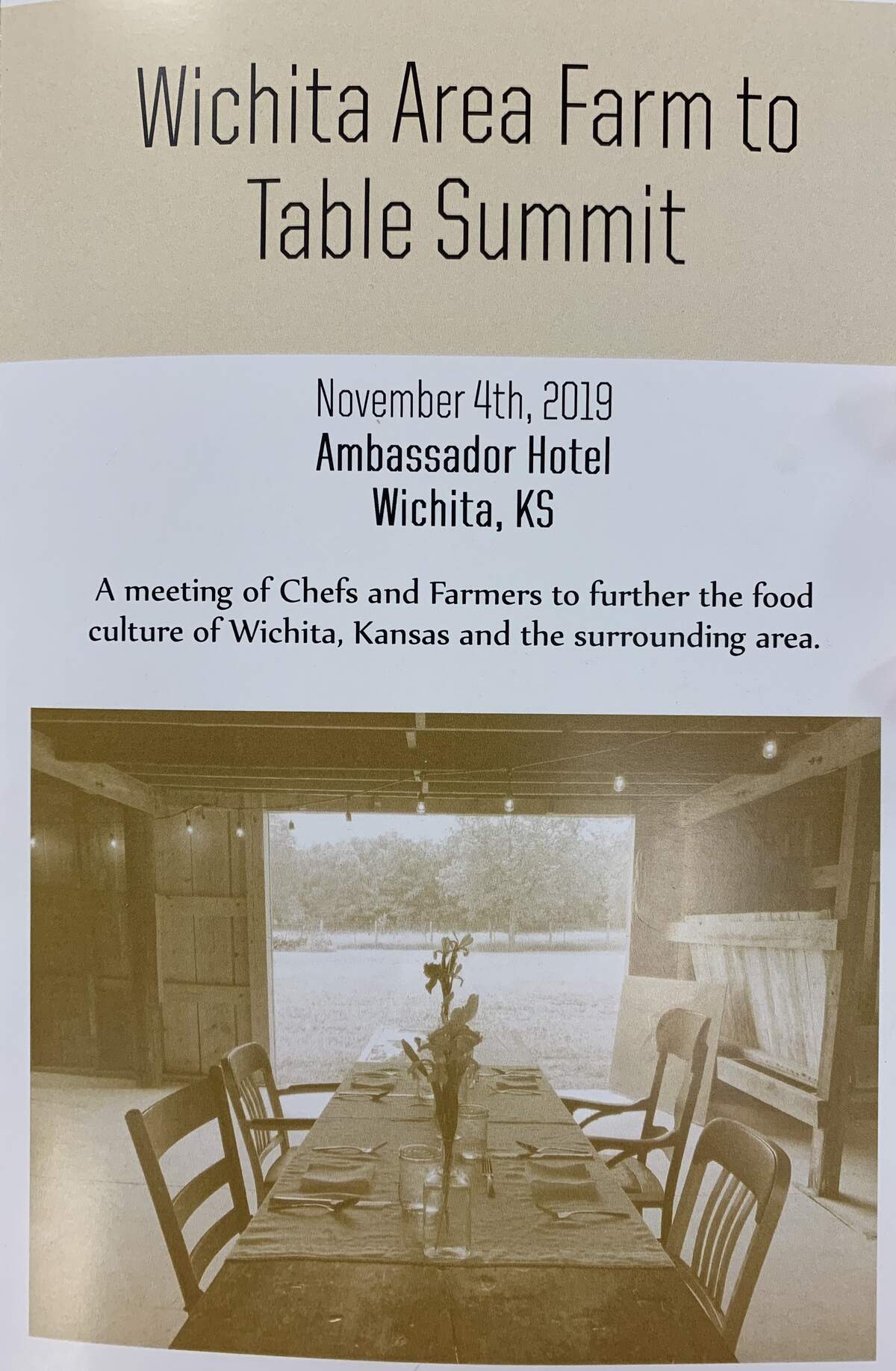
On Monday, a large group of about 50 local farmers, chefs and restaurant industry observers got together at the Ambassador Hotel for a Wichita Area Farm to Table Summit, a first-year event put together by Josh Rathbun, the executive chef at The Ambassador’s restaurant, Siena Tuscan Steakhouse.
The group met all day, attending sessions with titles like “What Locally Sourced Means to You,” “10 Things Chefs Need from Farmers” and “The Importance of Cooking Local.”
The presenters at the event included a who’s who of Wichita’s restaurant scene — Rathbun, Taco Locale’s Carlos Vera; Reverie Coffee Roasters’ Andrew Gough; and Public’s Travis Russell. Speakers also included less recognizable names of local farmers who those chefs have come to rely on, people like Joshua Molello of Strong Roots Healthy Farming LLC in Valley Center; Leah Dannar-Garcia of Firefly Farm; and Linda Pechin-Long of Graze The Prairie, a grass-fed beef farm in Latham.
During a morning “Farmers and Chefs Q&A Panel,” attendees talked about the benefits of serving the public food made with locally-sourced produce and meats — and the many challenges farmers and chefs still face trying to make that happen.
One of the biggest problems, all agreed, is that small farms have to charge chefs more for their produce than big corporate food purveyors, meaning the chefs have to charge the customers more for the dishes. Part of the struggle is making the dining public understand the value.
Rathbun, who has always been public about his passion for using local ingredients, said that restaurant owners have to educate their servers about the importance of eating fresh, seasonal local foods so that they can educate the public.
Sometimes, he said, diners complain online about the high prices of dishes that he makes using products that come from local farms. He’s okay with that to some extent, he said. It’s all part of the education process. As more people understand it, he said, more will see the value in it.
“Your sales go up and up when you start taking these measures and taking these steps, when you start buying and taking care of these ingredients and educating your staff,” he said. “There’s value in all this stuff.”
Pat Randleas, who ran the Old Town Farmer’s Market from 2004 to 2017, talked about how years ago, she was the only local farmer selling to restaurants. When she first started, the Toubias at The Olive Tree were her only customers, she said. Then she started to develop “back door relationships” with chefs, filling her station wagon with coolers and knocking on restaurant’s back doors.
“I had no competition, so it was quite lovely,” she said.
But that’s not the case today, panelists said, and many farmers are out there trying to help each other figure out ways to provide restaurants with fresh food at a price that also allows them to make a living. But there’s also an air of competition creeping into that cooperation, they admitted.
It’s difficult to know, the farmers said, how to decide what to charge for the fruits of their labor, how to anticipate what chefs will want and how to compete with the big food purveyors.
The local food scene is all still something that growers and chefs are still slowly figuring out, but the rewards are there, they say — especially when a chef sees how happy the flavor of a local heirloom tomato makes a customer or when a grower sees how happy the delivery of a local heirloom tomato makes a chef.
“It’s a huge highlight when you walk in the door and the chef grabs what you have and washes it and immediately goes to work on it,” said Molello from Strong Roots Healthy Farming. “I love that aspect of delivery day.”
This story was originally published November 5, 2019 at 9:18 AM.
.jpg)