
Two great places to see wildlife near Wichita
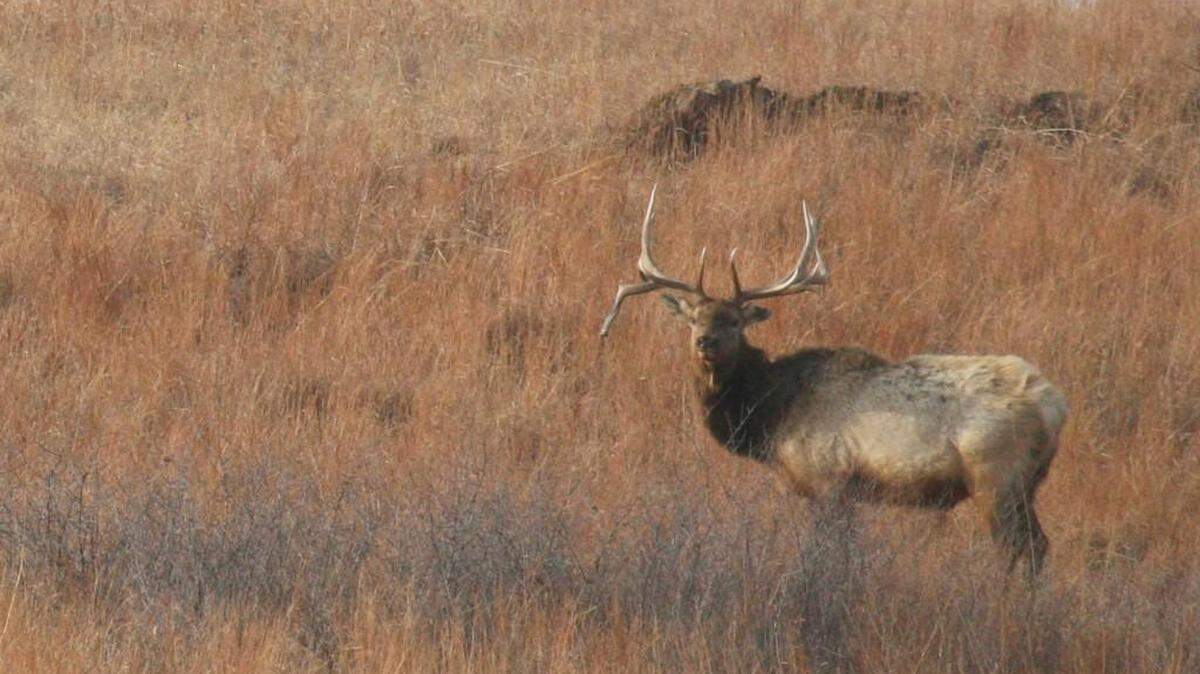
At one spot you can sit in your car and watch thousands of migrating sandhill cranes, ducks geese and, maybe, a few whooping cranes come and go against a sunset. At the other you can take a tram tour amid herds of Kansas’ largest native mammals – buffalo and elk — as they feed only a few yards away.
The next month is prime time for both.
Maxwell Wildlife Refuge
Location: 52 miles north of Wichita, 6 miles north of Canton.
This 2,800 acre, state-owned refuge, is reminiscent of native Kansas with large expanses of tallgrass prairie lined with timbered streams.
Maxwell is home to more than 200 buffalo and an estimated 100 elk, and some smaller wildlife. Access is restricted to most areas but wildlife can often be seen from the main drive or the viewing tower.
The best way, though, is to reserve a spot on the refuge’s tram rides that pull viewers out and amid the bufflo and elk. This time of year, nearly all of the 200 buffalo may be within a few yards of the tram as they come to food scattered along the trail. Bull elk, some with antlers stretching back over their rumps, get close enough for great photography and video.
Tram rides are by reservation and year-round with adequate interest on Tuesday, Thursday and Saturday mornings. The tours last about 45 minutes. The cost is $8 for adults, $5 for children age 5-11. One tram is enclosed for when weather is challenging.
A tour center/museum is open on mornings of tram rides, with historical displays and wildlife photography taken at the refuge by some of Kansas’ top wildlife photographers.
Maxwell’s volunteer group holds a number of special events every year.
McPherson State Fishing Lake, with camping and picnic facilities, sits at the far end of Maxwell and at times offers good fishing. For more information go to maxwellwildliferefuge.com, or call 620-628-4455.
Quivira National Wildlife Refuge
Location: 90 miles northwest of Wichita, 30 miles west of Hutchinson, 8 miles northeast of Stafford.
The 22,135-acre federal refuge is often ranked as one of the premier wetlands in the world, especially at the peak of migration seasons.
Since the days of the Cheyenne and Kiowas, the alkaline marshes have attracted millions of birds annually.
The refuge’s most sought-after birds for viewing are whooping cranes. As recently as Friday, 21 whoopers were seen on Quivira, but the recent spell of cold weather and heavy north winds may have sent them southward.
The same weather system should have brought more ducks, geese and sandhills from the north. Flocks of blackbirds, some a half-mile long that cross the sky like snakes, are in the area, too.
Without question the best place to experience Quivira at its finest is on the Wildlife Drive, at the northwestern part of the refuge. To be there, facing a classic sunset as thousands of birds come and go, is a photographer’s treat.
Binoculars are a must, and preferably a set for every person that is along, because the birds often stay far from road. You should be able to see bald eagles, several species of hawks and falcons that gather to feed on the waterfowl.
Quivira has some of the highest deer densities in Kansas. That means you need to drive slow and pay attention so you don’t hit a deer with your car, or miss a photo opportunity. Slow drives may also produce sightings of coyotes and a myriad of songbirds. You have to look closely, though, because they’re shy around people.
There are several small hiking trails at Quivira, restrooms and observation areas. Most of the roads are packed sand or gravel. They’re a bit rough but easily passable by car unless there’s recently been heavy precipitation.
Quivira has a visitors center near its south entrance, just north of U.S. 50. It’s only open weekdays 7:30 a.m. to 4 p.m. Maps are available outside the center.
The Little Salt Marsh, near the visitors center, normally a great wildlife viewing area, is currently mostly drained for repairs. You’ll do best concentrating your tour on the northern part of the refuge.
For information go to fws.gov/refuge/quivira/ or call 620-486-2393.
This story was originally published November 19, 2016 at 3:03 PM with the headline "Two great places to see wildlife near Wichita."