
Kansas set to miss out on about $800,000 in arts funding
Kansas will miss out on about $800,000 in arts funding this year because state spending on arts does not meet a minimum set by the National Endowment for the Arts.
The state fell about $250,000 short of the minimum it needed to receive federal matching funds from the NEA, according to Peter Jasso, the executive director of the Kansas Creative Arts Industries Commission, the state commission that distributes community arts grants.
The state allocated $191,000 in arts funding for this fiscal year.
Losing more than $400,000 in federal matching dollars will limit the amount of grants the commission can award this year, Jasso said, but it will not prevent Kansas artists from applying for national grants on their own.
The state technically has until January to get the federal dollars if it can meet the NEA’s minimum.
Rodney Miller, the dean of the College of Fine Arts at Wichita State University, said the loss of NEA money will be devastating for the Wichita arts community, and not just in terms of funding.
“On an emotional level or a morale level, it’s very deflating to know that we are not playing on the same level playing field that arts entities in other states are playing on,” he said.
The loss of NEA funding has triggered the loss of other funding, too, bringing the total loss of funding for Kansas art programs to around $800,000.
The Mid-America Arts Alliance announced that it would suspend Kansas’ membership from the regional arts organization earlier this month, saying that one of its requirements is that states must meet the NEA minimum.
The nonprofit alliance provided about $370,000 in programs and services across the state last fiscal year, according to Mary Kennedy, the organization’s CEO, and funding was actually set to increase this year.
“As in all sectors of the Kansas economy, Governor Brownback is focused on fostering economic growth and job creation within the creative community,” Brownback spokeswoman Eileen Hawley said. “While it is disappointing that the Mid-America Arts Alliance is choosing not to join that mission, the Creative Arts Industries Commission will continue its work to promote, support, and expand creative arts industries in Kansas.”
This will disqualify Kansas artists and arts organizations from applying for grants through the program.
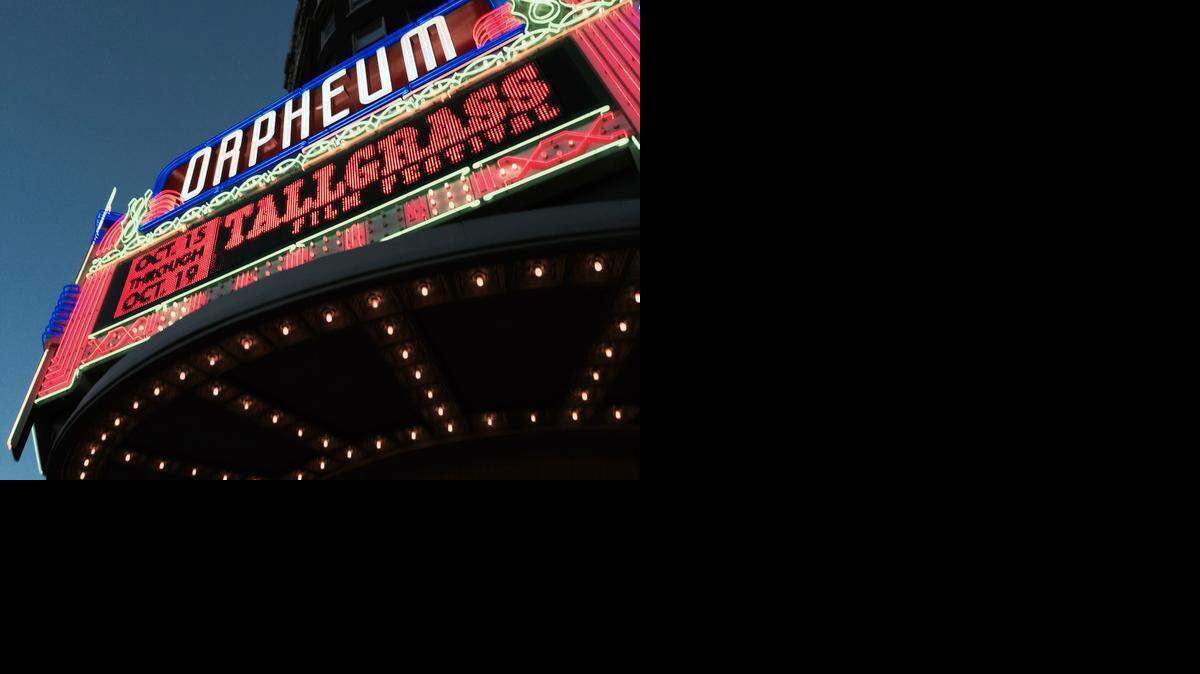
The Orpheum Theatre had planned to potentially use a $15,000 grant from Mid-America to pay for a performance by a dance troupe in late 2016 or early 2017.
“That’s not happening now,” said Diana Gordon, the Orpheum’s president and chief development officer.
“We are not able to bring a dance troupe to Wichita at the Orpheum without some significant underwriting. … Dance is actually an expensive thing to mount because it’s got a lot of lighting and staging requirements,” Gordon said.
The Orpheum can make money off country music and comedy performances, but its mission as a nonprofit theater is to showcase a broad range of performing arts, she said.
This is not the first time that the NEA and Mid-America have suspended funding for Kansas. The state saw its arts funding suspended from both for two years after Gov. Sam Brownback defunded the Kansas Arts Commission in June 2011.
Asked if Kansas would be allowed back into Mid-America if NEA funding is restored next year, Kennedy replied, “Yes with an exclamation point.”
She said the state’s arts programs are highly regarded by her organization. The alliance has worked with organizations including the Junction City Opera House, the Emporia Arts Center and the Wichita-Sedgwick County Historical Museum.
“The issue is simply the Legislature did not appropriate sufficient funding to Kansas to be able to match the NEA matching requirement,” Kennedy said.
Gordon said she understands the state’s budget constraints, but she blamed it on skewed priorities of state policymakers, who cut income taxes substantially and eliminated income taxes for certain businesses in 2012.
“I understand that there is no money to fund this. … But then my perspective as a Kansan is, let’s get our tax income situation turned around,” she said. “Let’s get some money into state coffers.”
“We’re not short because of some terrible disaster that befell the state,” she said. “We’re not short because we’re in a Great Depression. We’re short because of the Legislature’s decision to cut income taxes to zero for LLCs.”
Bryan Lowry: 785-296-3006, @BryanLowry3
This story was originally published July 18, 2016 at 5:36 PM with the headline "Kansas set to miss out on about $$800,000 in arts funding."