
Taxes, guns and beer: How Kansas lawmakers could affect your life
Your taxes may go down, bars may soon have self-serve beer and 18-year-olds could start carrying concealed weapons.
Kansas lawmakers have considered bills that would do all those things and more. Some have been passed; others remain in the legislative process and still need votes.
Lawmakers are in the middle of a three-week break after passing a school funding bill. When they return, they’ll have a chance to make adjustments to the budget and pass bills that haven’t made it through the process, including some listed below.
The session is set to end early this year, May 4. In recent years, lawmakers have sometimes continued working into June.
Here's a quick look at some key bills and proposals in the Legislature, what’s been done and what could still happen.
Your taxes
A bill that passed the Senate just before break holds the potential to lower taxes for a number of Kansans, supporters say. Critics contend it would mean hundreds of millions of dollars less for the state.
The bill would end a rule that prohibits individual income taxpayers from itemizing deductions when filing their Kansas taxes unless they also itemize deductions for their federal tax filing. The bill would allow Kansans to choose whether to itemize at the state level beginning this year, regardless of what they do for federal taxes.
The bill would increase the state-level standard deduction for tax filers beginning in the 2018 tax year. The standard deduction for single filers would rise from $3,000 to $3,750; from $5,500 to $6,875 for heads of household; and from $7,500 to $9,375 for married taxpayers filing jointly.
One fiscal analysis projects the bill could lower revenue to the state by $141 million next year and by upwards of $80 million every year after.
The bill comes after Congress made changes to the federal tax code that some expect may boost revenue to the state by hundreds of millions of dollars over the next few years. Supporters of the proposal say it is a way to return what they call a windfall to the people.
Opponents say Kansas needs the money to pay for a school funding increase of more than $500 million that will be phased in over five years. They say the bill would lower revenues just as Kansas is beginning to recover after years of budget turbulence under former Gov. Sam Brownback’s 2012 tax cuts, which were largely reversed last year.
Status: The Senate passed HB 2228 in a 24-16 vote. The bill heads to the House.

Concealed weapons and gun control
A bill that would prohibit people convicted of misdemeanor domestic abuse from having a gun has passed the Legislature and is before the governor. The legislation also decriminalizes possession of throwing stars.
A bill that would lower the age to carry concealed weapons to 18 from 21 remains alive in the Legislature. Neither the House nor Senate has approved it.
During a wide-ranging gun debate, the Senate voted down a number of gun control proposals, including banning so-called bump stocks that allow semi-automatic weapons to fire like automatic weapons and prohibiting people under 21 from purchasing rifles.
Status: Colyer is deciding whether to sign or veto the bill prohibiting people convicted of misdemeanor domestic abuse from possessing a gun. Legislation to lower the concealed carry age may be debated in the House and Senate.
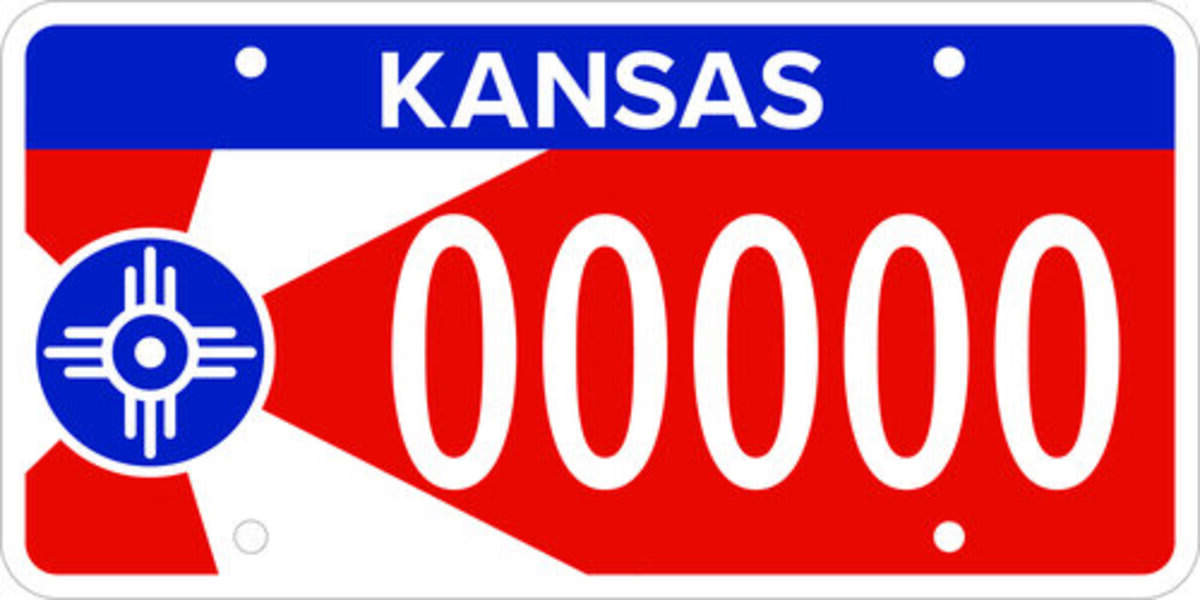
Wichita flag license plate
A bill to be signed by the governor on April 21 will allow Wichita flag license plates.
More than 1,600 people have committed to buy a plate and several businesses have said they will put it on their vehicle fleets.
If signed, the bill would become law in July 2018. Based on that schedule, Wichita flag license plates would be available at county tag offices starting Jan. 1, 2019, according to the Wichita Parks Foundation.
The license plate is the beginning of the foundation's Plates for Parks campaign. The $50 annual royalty fee will go toward supporting city park improvements and programs.
Status: The bill awaits the governor’s approval.
Self-serve beer
A bill that would allow bars and restaurants to install self-serve beer dispensers has passed the Senate and may still see debate in the House.
Customers could buy a prepaid access card when they enter a bar that would allow them to pour beer from dispensers, the bill says. They would have to show identification to prove they are 21.
The card could be used to dispense up to 32 ounces of beer. The customer could again show identification to get an additional 32 ounces.
Lawmakers have already legalized self-serve wine.
Status: Bill has passed the Senate and has been approved by a House committee. It could be debated in the House at any time.
Adoptions
The future of a bill that would allow adoption and foster care organizations to refuse placements to gay and lesbian couples based on religious beliefs remains uncertain.
The Senate passed the bill. The House rejected it and voted to create a conference committee to find a compromise. But some lawmakers say the House may vote again on the bill. If they approve it, it would go to the governor.
Opponents express fear that the bill could result in fewer adoptions. The legislation would put the needs of some child welfare providers over the children they are supposed to serve, they say.
Supporters of the bill say no one would be discriminated against and that it is needed to attract more organizations to help in adoptions. The bill would simply put existing practice into law, supporters say.
Status: Awaiting possible re-vote in the House.
Constitutional changes
Potential changes to the state constitution hang over the remaining days of the legislative session.
A House committee has advanced a constitutional amendment that would give the Legislature the sole power to set spending levels for K-12 education. That comes after years of court decisions that have found Kansas schools are inadequately funded.
For about two days, Senate Republican leaders said the Senate would not debate school funding legislation until lawmakers passed the amendment. They later backed off that threat. The House has yet to debate the proposal.
Lawmakers may return to the plan when they resume business later this month. Any constitutional amendment would need two-thirds support from the House and the Senate, as well as the approval of a majority of voters statewide. Democrats and some Republicans oppose the amendment.
The Legislature also could consider a constitutional amendment that would say the Kansas Constitution does not guarantee the right to an abortion.
The state Supreme Court is expected to issue an opinion any time on whether the state constitution does include a right to an abortion. Anti-abortion activists have signaled that if the court finds such a right, they will pursue an amendment.
Status: Whether the court will rule before lawmakers wrap up their work is unknown, making it unclear whether lawmakers would take up an amendment.

Medicaid expansion
Supporters of Medicaid expansion have been unable to get it passed in either the House or Senate this year.
That’s a sharp turn from 2017, when expansion passed the Legislature and then-Gov. Sam Brownback vetoed it. Lawmakers were unable to override the veto.
Under expansion, states can increase eligibility for Medicaid to cover people who earn too little to buy insurance through the federal health care exchange but too much to otherwise qualify for Medicaid.
The federal government pays for 90 percent of the expansion costs for states that extend Medicaid coverage to people at up to 133 percent of the federal poverty line. Some 150,000 Kansans could join Medicaid under expansion.
Democrats in the House have tried multiple times this year to introduce amendments expanding Medicaid but those amendments have been rejected on procedural grounds.
Status: No bill has been debated this year.
Contributing: Kaitlyn Alanis
This story was originally published April 13, 2018 at 3:25 PM with the headline "Taxes, guns and beer: How Kansas lawmakers could affect your life."