Wind Surge, yes — but Wichita didn’t make the list of ‘Surge Cities’ for startups
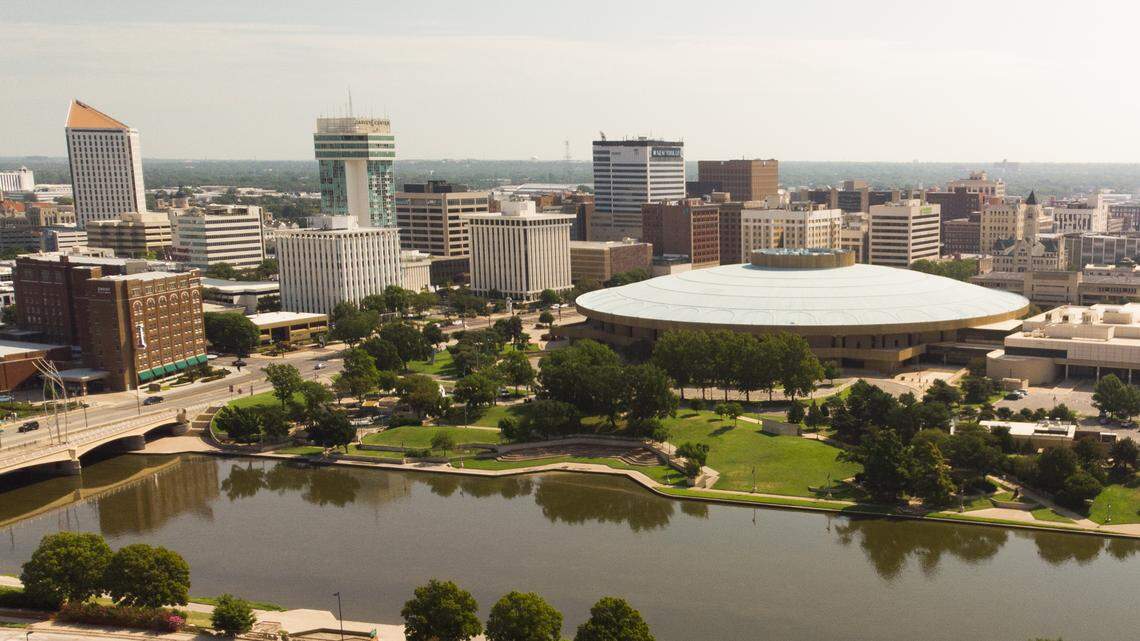
Wichita baseball fans might be shouting, “Go, Surge!” when our new Triple-A team takes the field next spring.
But Wichita does not appear on Inc. magazine’s “Surge Cities” for 2020 — an annual list of the best 50 cities in the United States for starting a business.
Oklahoma City made the list, coming in at No. 39.
So did Tulsa, which ranked 47th overall but No. 1 in wage growth.
Another regional city, Des Moines, Iowa, ranked 48th.
Several communities smaller than Wichita made the list of 2020 Surge Cities, including Chattanooga, Tenn., Boise, Idaho, and Greenville, S.C., one of three South Carolina cities to appear on the list for the first time.
For the second annual Surge Cities index, Inc. magazine and Startup Genome, an innovation policy company, analyzed data on seven key indicators — including job creation, population growth and early-stage funding deals — to determine the 50 best areas in the country for startup growth.
Austin, Texas, ranked No. 1 overall for the second year. Filling out the Top 10 are, in order: Salt Lake City; Durham, N.C.; Denver; Boise; San Francisco; Charleston, S.C.; San Diego; Phoenix; and Miami.
It’s unfortunate but not surprising that Wichita didn’t make the list of hot spots for business startups.
The city’s gross domestic product has been flat since 2010 — actually falling one percent, as analyst James Chung noted in a sobering report on the local economy last summer.
Every city in the central U.S. that’s comparable to Wichita grew faster than the national average since 2010 — except Wichita. And while the U.S. labor force grew significantly over the past decade, Wichita’s shrank.
Other cities are showing us up, as Inc. magazine’s latest Surge Cities list points out.
In its praise for Tulsa, the magazine noted a strong talent pipeline generated by area universities and the Tulsa Remote program, which offers workers $10,000 to move to the city. The program approved 100 visitors in its first year and recently announced that it would increase that number to 250 in year two.
Chattanooga drew praise for its hyper-fast digital network and the INCubator, a 127,000-square-foot complex that houses 55 startups, including Branch Technology.
The magazine praised Oklahoma City for “getting creative in their efforts to help founders secure cash,” including Thunder Launchpad, a 12-week mentorship and support program for startups, and nonprofit i2E, which has invested about $61 million across 169 companies.
Wichita has made steps in the right direction. Wichita Promise MOVE pays expenses for students who want to move here to train for certain high-demand jobs. Wichita State University’s effort to widen the boundaries for in-state tuition might also boost the entrepreneurial ecosystem.
Mayor-elect Brandon Whipple mentioned business startups as a top priority during his campaign, even mentioning the Tulsa Remote program as an example of something Wichita could emulate. When he takes office next month, he and other city leaders should pledge to get creative with economic development.
The Wind Surge baseball team will be something to celebrate in 2020. But the surge we really need is the commitment and will to turn Wichita into a business boomtown.