
Wichita PR podcasts are fun, but we’ve got problems beyond Dad jokes and coffee chats
Earlier this month, local business owner and civic activist Todd Ramsey stood before the Wichita City Council and issued a harsh rebuke of Mayor Brandon Whipple. “For someone who constantly champions transparency and accountability and open, hard dialogue,” Ramsey said of the mayor, “it is dismaying—but, sadly, unsurprising—to see this behavior.”
The specific action that he was protesting was the mayor’s decision to block Ramsey (a backer of Whipple’s rival Lyndy Wells in the 2019 mayoral election) on Facebook. But the bigger issue at stake is a perceived lack of transparency in city government, which, Ramsey alleged, contributes to “woefully low engagement” in civic affairs among Wichitans.
This is not a new allegation. Recent scandals in city government and in the police force, investigative reporting by the Wichita Eagle into mysterious deals and questionable uses of public funds, and complaints from local activists about obstructionist city staff blocking their access to public records have contributed to a widespread perception that City Hall is opaque, secretive, and hostile to public input.
The city government has responded to these concerns about openness and transparency with what appears to be a coordinated campaign to be as accessible and forthcoming as possible. They hold public hearings on controversial issues, allow residents to express their priorities on the “budget simulator” tool, and schedule some City Council meetings at night to allow for greater attendance.
Whipple is perhaps the most accessible mayor in Wichita’s history. Along with his weekly press conferences and his monthly TV show, “What’s Up Wichita,” he also hosts regular online videos in which he engages with his Facebook followers. He is known to give out his personal phone number to residents, and you can find him frequently following and commenting on social media posts.
The rest of City Hall seems to be following the mayor’s lead regarding constant engagement. This is most evident in a collection of new official podcasts that have recently debuted.
Each week on “Council Chat,” City Council members provide an overview of the decisions they made in their previous meeting.
On “Coffee Break,” officers from the WPD Public Relations unit banter about food preferences, interview leaders of the police force, and play a game called “One’s Gotta Go.”
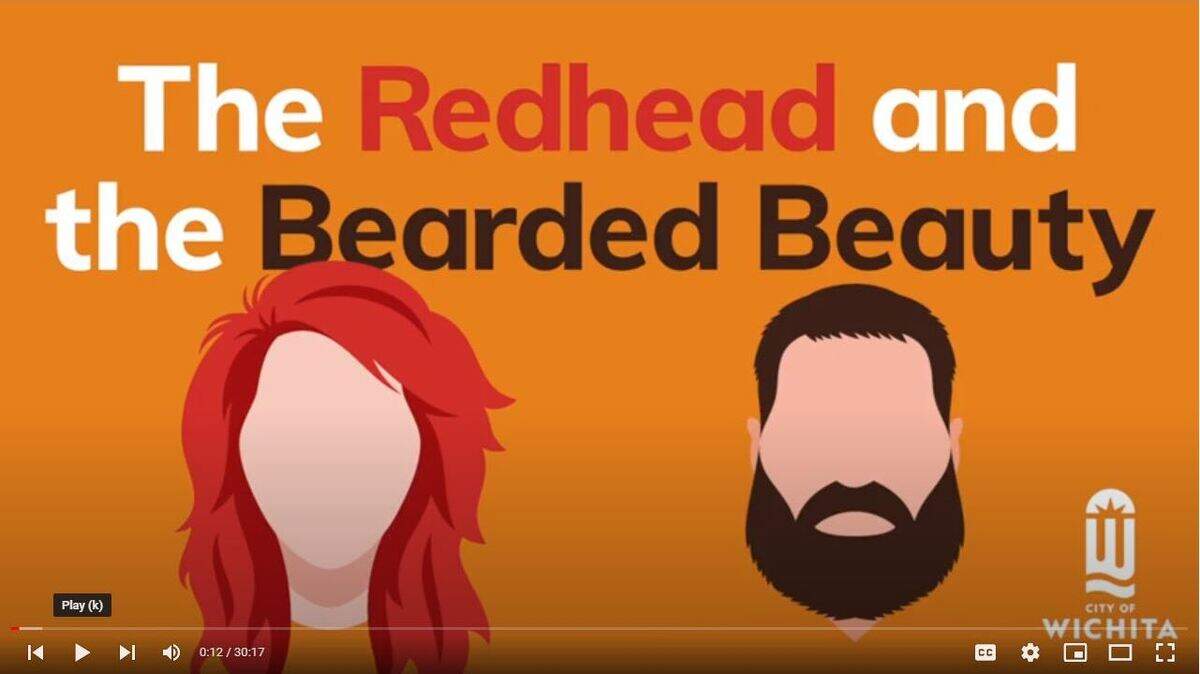
And on the newest podcast, “The Redhead and the Bearded Beauty,” staff members from the city’s Communications Department interview high-ranking staff members and share “Dad Jokes” with one another.
These sorts of lighthearted ventures are effective in helping residents to get to know the elected and appointed leadership of the city. They help to humanize government, and they provide new vehicles for disseminating information to residents.
However, they are unlikely to resolve the enduring crisis of mistrust, because for the most part they skirt the issues that have provoked so much citizen concern in the first place.
The hosts of “Coffee Break” never broach the circumstances surrounding the death of Cedric Lofton or the culpability of WPD leadership in the recent text message scandal.
“Dad Jokes” are no substitute for concrete information regarding the city’s plans for Century II or the viability of the financing structure for the new stadium and the new water plant. And the mayor’s live feeds serve more frequently to settle political scores than to explain details of city operations.
What Wichitans truly crave from their government is not “transparency,” but trustworthiness.
Building confidence in City Hall will not be accomplished through more public relations campaigns. It can only be achieved by a recommitment of every appointed and elected official in City Hall to serving the public interest with integrity and selflessness.
This story was originally published May 23, 2022 at 12:30 PM.