
Wichitans are hungry
Much of Wichita looks like a city of plenty, even after all the layoffs and funding cuts of the past six years. But it’s also home to a growing number of people who strain every day to meet their basic needs, starting with enough food for themselves and their families, and who need more help from their neighbors.
Two articles in The Eagle this week have shed light on how Wichita is struggling to feed itself.
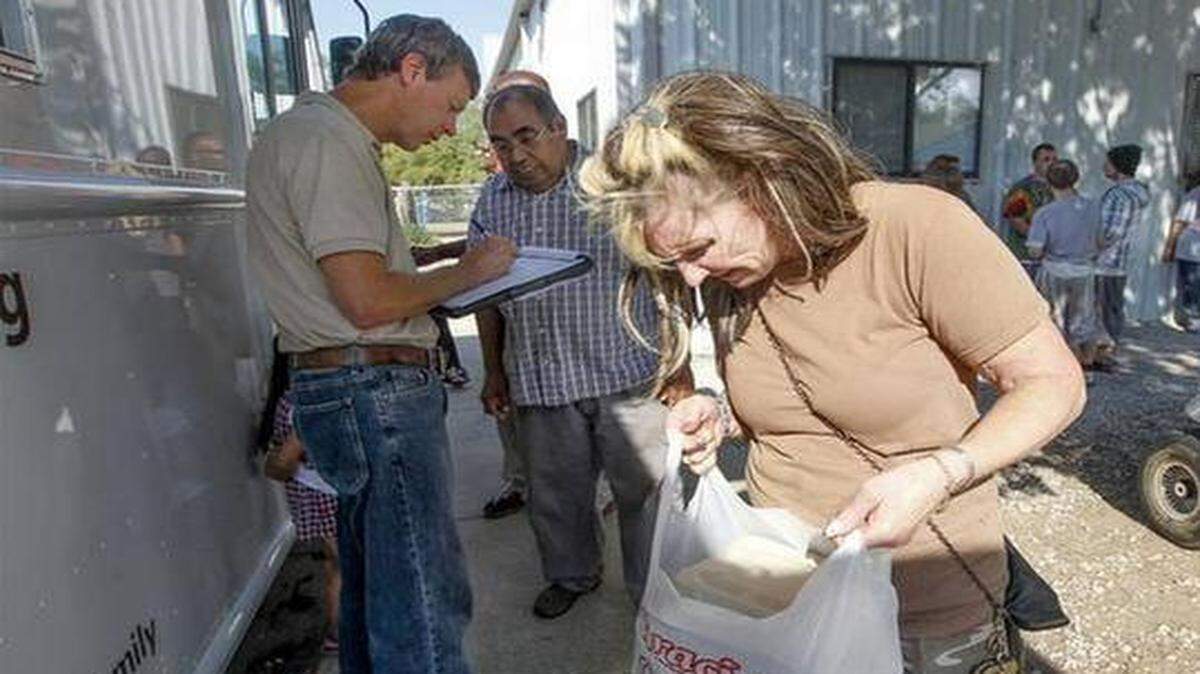
In the Sunday Eagle, Roy Wenzl reported that the food truck the Lord’s Diner sends to the Hilltop neighborhood has exceeded 1,200 meals a night, up from 500 when service began in June, and the Bread of Life food pantry, also in south Wichita, has seen the families seeking food per week rise from 800 last year to 1,000 now. At the Lord’s Diner truck, 60 percent of those lining up for meals are children, with many people requesting 10 to 14 meals apiece to feed households in which families are doubling up because of homelessness.
“Many of these people have jobs – they are not lazy. But the jobs are minimum wage,” Sister Ann Catherine, a 93-year-old nun who has long delivered food to people in the community, said of those in line at the Hilltop truck stop.
The Lord’s Diner operates a second truck near Evergreen Recreation Center in north Wichita, in addition to its 12-year-old main location in downtown Wichita and satellite site in Planeview.
Then in Monday’s Eagle, Beccy Tanner wrote about the new study by the Health and Wellness Coalition of Wichita looking at barriers to healthful eating within the 44 square miles of the city considered “food deserts” because of a scarcity of supermarkets. The study found that “accessibility, affordability, transportation, food quality and perceived safety” can interfere with the ability of low-income residents to find healthful food.
Recent closings of neighborhood grocery stores have deepened the challenge of finding fresh fruits and vegetables, which often aren’t available at the convenience stores that remain.
It does not help that – whether for budget or political reasons or both – federal and state governments have reduced the money for hunger programs or tightened requirements. And, unfortunately, Kansas stands out among states for still charging sales tax on food.
The Health and Wellness Coalition’s study recommendations included more farmers’ markets and community gardens to bring healthful food to low-income neighborhoods. And “more support for food banks (via food donations or assistance with operating expenses like freezers and refrigerators) may be needed to provide healthy food to this vulnerable population,” the study said.
Individuals, businesses, churches and others communitywide can and should do more to help charities such as the Lord’s Diner and the Kansas Food Bank, as elected officials review their role in wiping hunger off the local map.
For the editorial board, Rhonda Holman
This story was originally published October 7, 2014 at 7:07 PM with the headline "Wichitans are hungry."