More stories of the Kansans who made the ultimate sacrifice in World War 2
Following Sunday’s article honoring Kansans who died while serving in World War 2, The Eagle heard from more of you who wanted to share accounts of the men and women who laid down their lives.
As the war raged on following the Dec. 7, 1941, attack on Pearl Harbor, an estimated 215,000 Kansas men and women were in uniform, about 12% of the state’s population. More than 5,000 made the ultimate sacrifice.
Today, Sept. 2, 2020, marks 75 years since Japan signed formal surrender documents aboard the USS Missouri, officially ending the war.
And so we continue to share their stories.
2nd Lt. Beryl Wyatt
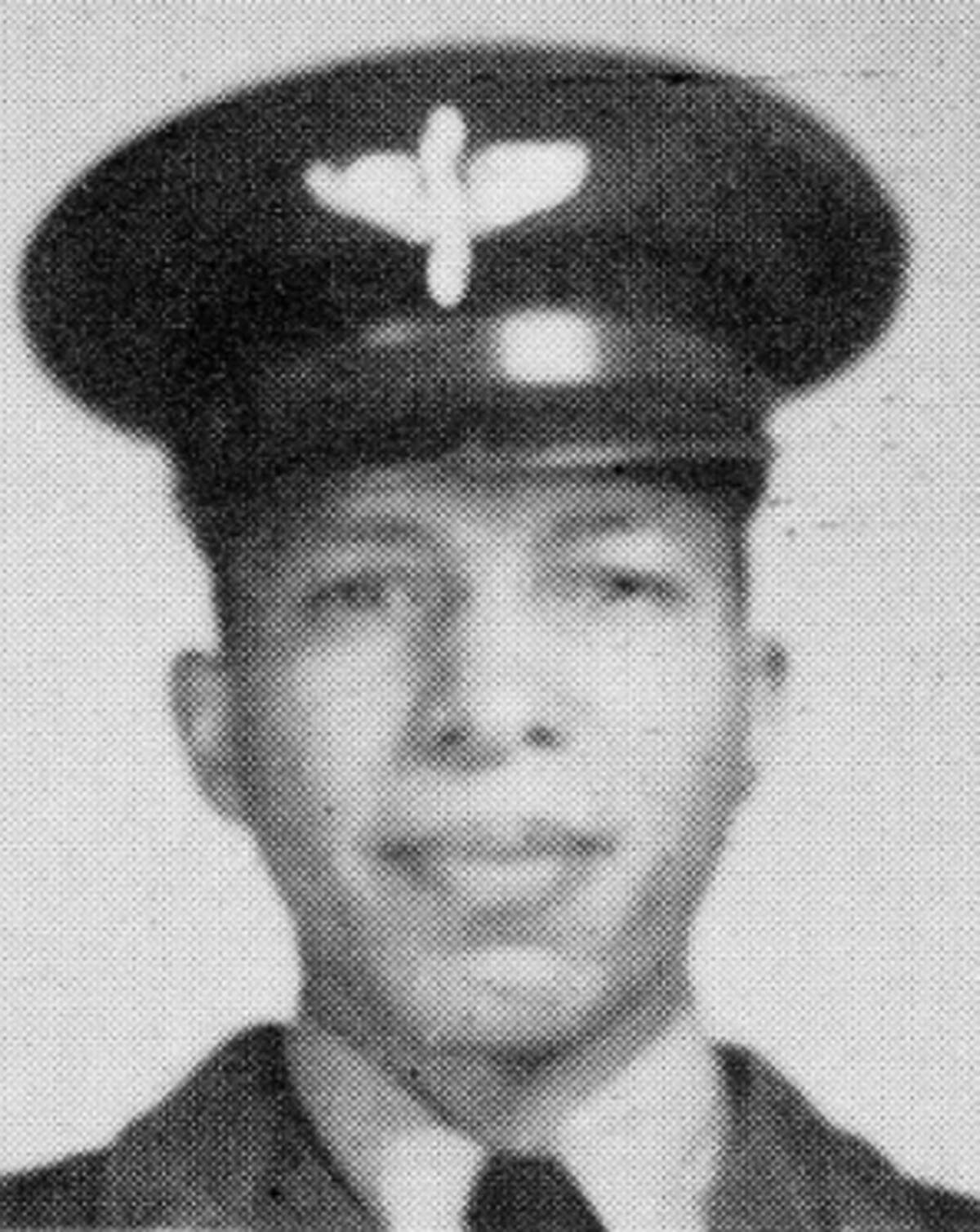
The last time 2nd Lt. Beryl Wyatt’s young wife saw him, he was boarding a train in his hometown of Independence in 1943. His final destination: overseas.
The couple were newlyweds with a baby daughter, just settling into married life.
But Beryl, a pilot, was answering the call to serve in the war as a member of the Tuskegee Airmen Squadron, the first Black military aviators in the U.S. Army Air Corps.
As he left, his wife wept and made a dire prediction family members would later talk about – that she’d never see him alive again.
That July, Beryl graduated from flight training at Alabama’s Tuskegee Army Air Field. By December, he deployed to Italy with the 332nd Fighter Group, 100th Fighter Squadron, which flew its first combat mission a few months later.
While he was on an escort mission in Europe, Beryl’s plane came under enemy attack near Naples. He tried to land following a misfire. But, tragically, his P-39 Airacobra crashed just short of the runway.
According to reports, Beryl’s wife received two wires after her husband’s crash.
One said the 23-year-old was lying injured in an Italian hospital. The other brought news of his death.
Sources list his date of death as April 18, 1944.
In all, 66 of the Tuskegee-trained airmen were killed in action while another 32 spent time as prisoners of war. The Tuskegee program trained around 15,000 people, including a thousand pilots.
Beryl, who was awarded a Purple Heart for his military service, was buried in the Sicily-Rome American Cemetery and Memorial in Nettuno, Italy.
- Compiled from various news and military sources
1st Lt. John E. Hesselbarth
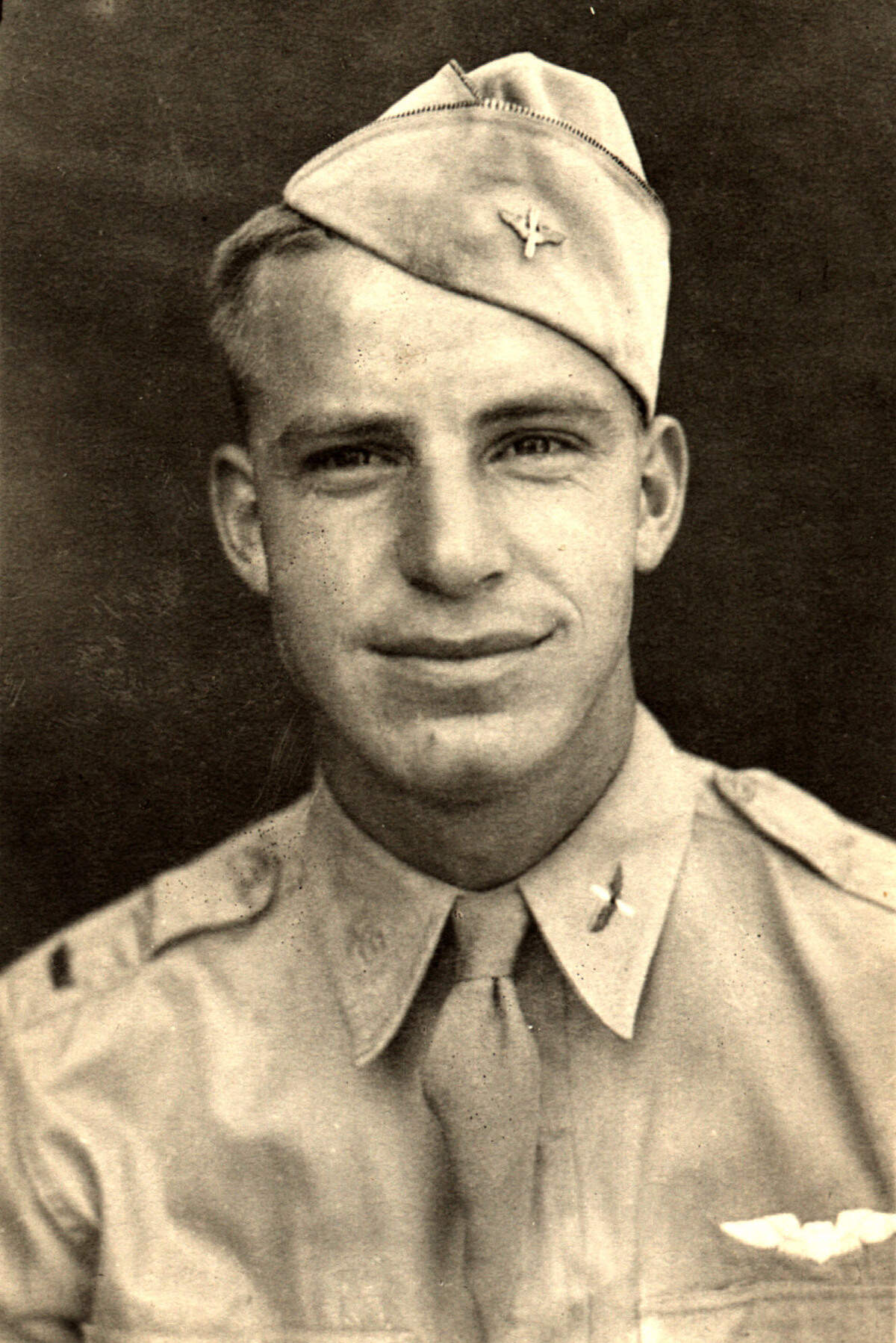
John Emmett Hesselbarth (called “Emmett” by the family) posthumously received the Silver Star after he flew his B-25c into murderous fire while bombing the Japanese airfield at Lae, New Guinea, on May 25, 1942. Five B-25’s out of a total of eight planes were lost that day, and 25 men made the ultimate sacrifice. Emmett was listed as missing in action until 1946. His mother, my grandmother, Cora Bell, waited in anguish for news at the family home in Abilene, Kan.. Three of her other four sons were at war as well.
Ten days before Emmett’s death, on another mission against Lae, Emmett’s bomber was attacked by Zeros, shot up, and limped back to a belly crash landing in a dirt field. His last letter home (May 24) described that day: “I sweated more that half hour than ever before or since.“
His fellow B-25 pilot, Wes Dickenson, was shot down just days before Emmett’s death. He parachuted and was rescued. In his dairy, Wes described how they knew few would survive as the Allies threw everything they could to stop the Japanese advance nearing Australia.
Sababuro Sakai, one of the Zero pilots at Lae, wrote a memoir, Samurai, and described those days: ”On May 23, seven Zeros caught five B-25s over Lae, and sent one into the sea ... The following day six bombers returned to Lae ... our island warning net sighted them far from Lae, and eleven fighters [thirteen] stormed the hapless bombers, burning and shooting down five, and badly crippling the sixth.”
“Unforgettable was the slaughter of [May 25] when an alarm of incoming planes threw Lae into an uproar ... We were airborne without a moment to spare; my own fighter cleared the ground even as a stick of bombs tore the runway apart directly behind me. At least eleven [thirteen] Zeros were airborne by the time the B-25s completed their runs ... All eleven fighters winged in hot pursuit ... It was a good day. Five out of six planes definitely destroyed.”
- Dennis Hesselbarth, nephew
Pvt. George L. Sailing Jr.
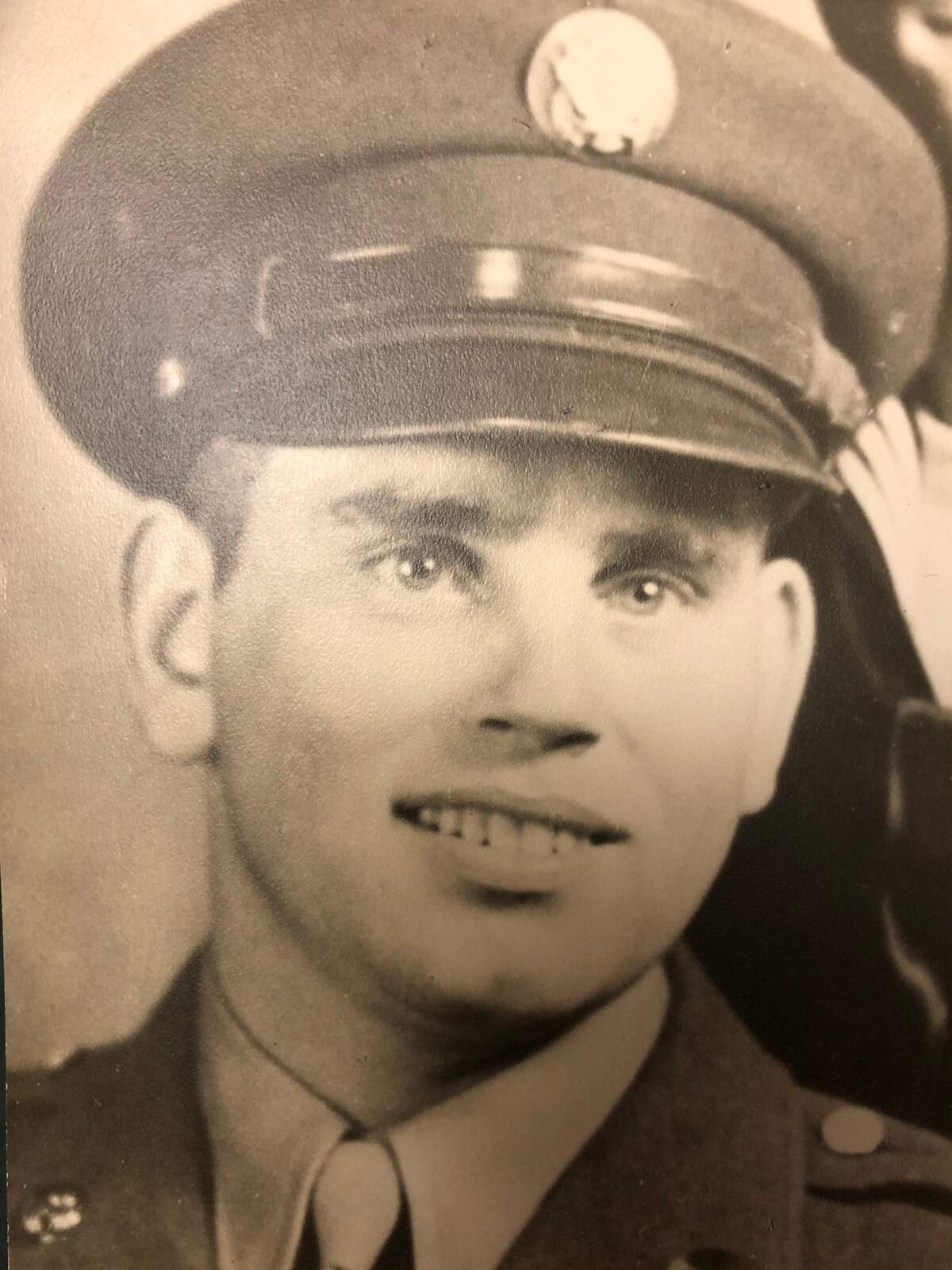
George went by “Buddy.” He was my dad’s older brother... the extrovert... the tough guy. My dad was serving overseas at the same time and had a difficult time believing that his brother had been killed because he was such a tough guy.
In 2019, I first saw some letters from a commanding officer about Buddy’s death at the Battle of the Bulge following the death of my aunt, Buddy’s older sister — the last one of her generation. They were emotional for me to read.
In them, the commanding officer describes how Buddy’s squad were fired upon by hidden German soldiers as they made a drive through heavy snow in the dense growth of the Ardennes Forest. Buddy went missing during the attack and was later found dead when his fellow soldiers pushed through the area.
He wrote: “I have been company commander and platoon leader for many months in battle and I have seen many sights but it is always hard for me to break the sad news to loving families about their loss and the Army’s loss. Your son was a good, brave soldier and you can be most proud of your contribution to the cause of right.
“Nothing I can say will lessen the terrible heartache which is yours. ... He did not die in vain, his spirit will live along with all the others who have given the supreme sacrifice. If you could see all the salves we have liberated you would know it was a cause of right.”
- Donald Sailing, nephew
2nd Lt. Charles T. Euwer Jr.
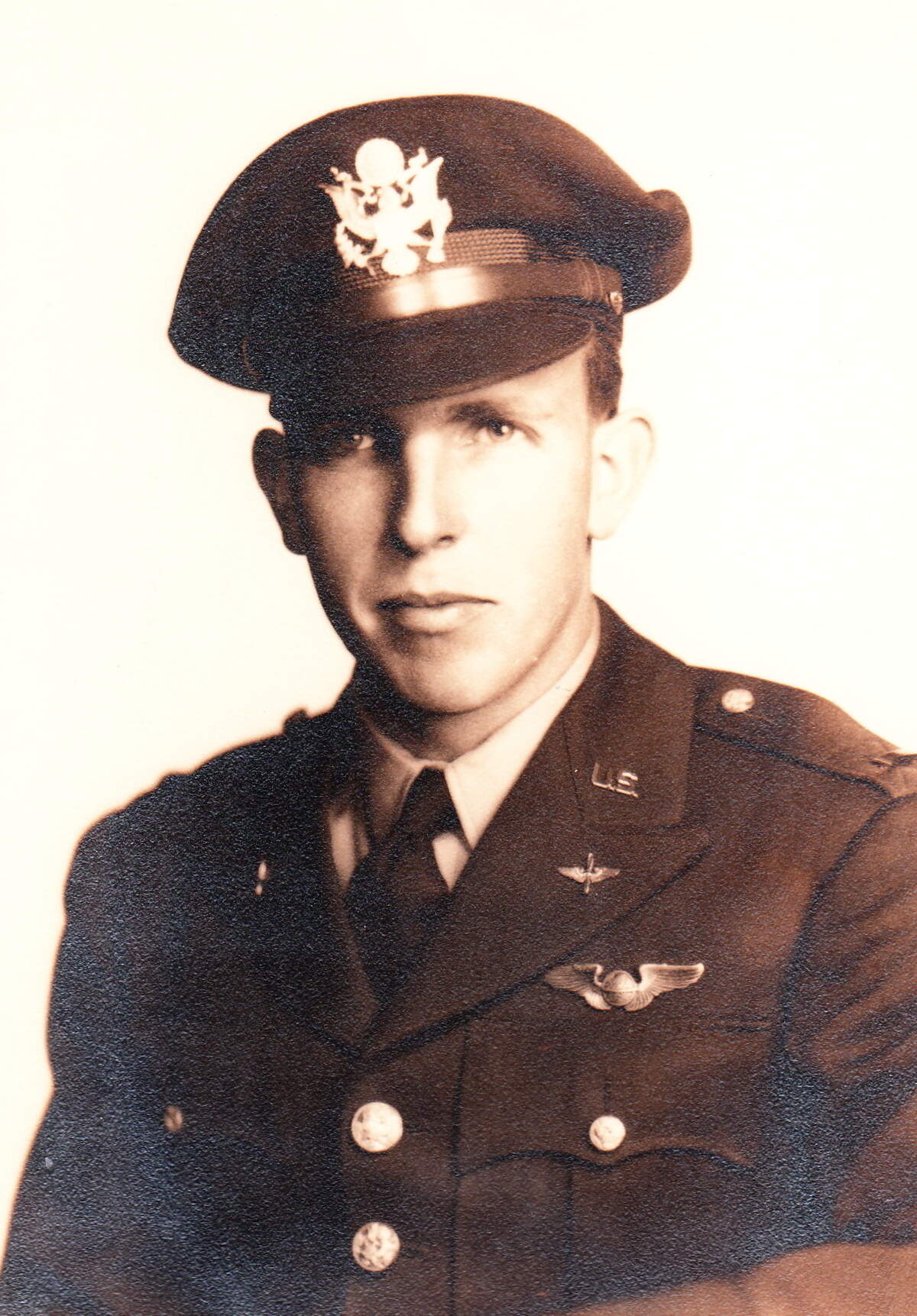
Charles was the Navigator on a B-24 Liberator shot down over Egeln, Germany, on July 7, 1944. This was the crew’s first mission together. They planned to name their plane the “Jayhawker” but had not yet completed the paperwork.
He died along with all but one member of the crew, who survived and was taken prisoner of war.
Charles was initially buried by the local townspeople in their town cemetery. After the war, his body was recovered and re-buried in the Ardennes American Cemetery in Belgium. He was survived by his father, one brother, and one sister, all of whom have since joined him in Heaven.
- Charles Kissling, nephew
1st Lt. John R. Camien Jr.
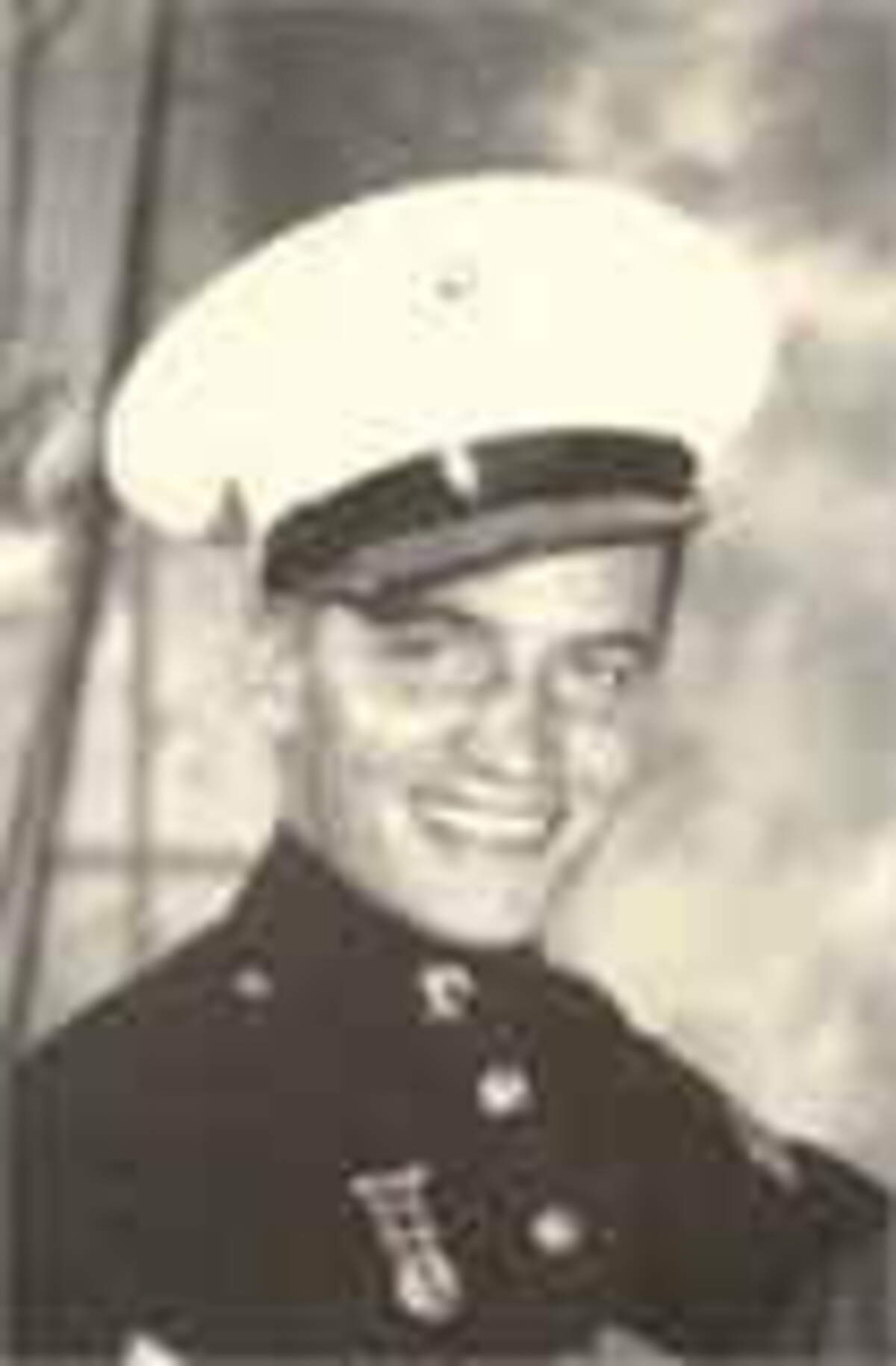
As the grandson of Elisha Root, an early citizen of Wichita, and Henry T. Camien, an immigrant from Prussia via St. Louis, Missouri, the fourth son of John R. and Mabel A. Camien, John Jr. was proudly spoken of by his brothers, Laiten, Ralph, and Kenneth, and looked up to by younger brother, Orville.
How my grandmother handled John Jr.’s death and the possible deaths of her three older boys as they also served in the Army during World War II, I don’t know. But she stood strong as her youngest served in the Air Force during the Korean War and Vietnam War.
John served in the K/3/25th Marines as a 1st Lieutenant after graduating from Wichita East High and was killed at Iwo Jima on Feb. 20, 1945. He married before he shipped out and was the proud father of a daughter who never knew him and who mourns what should have been.
- Anne Camien, niece
Pvt. Francis L. Costello
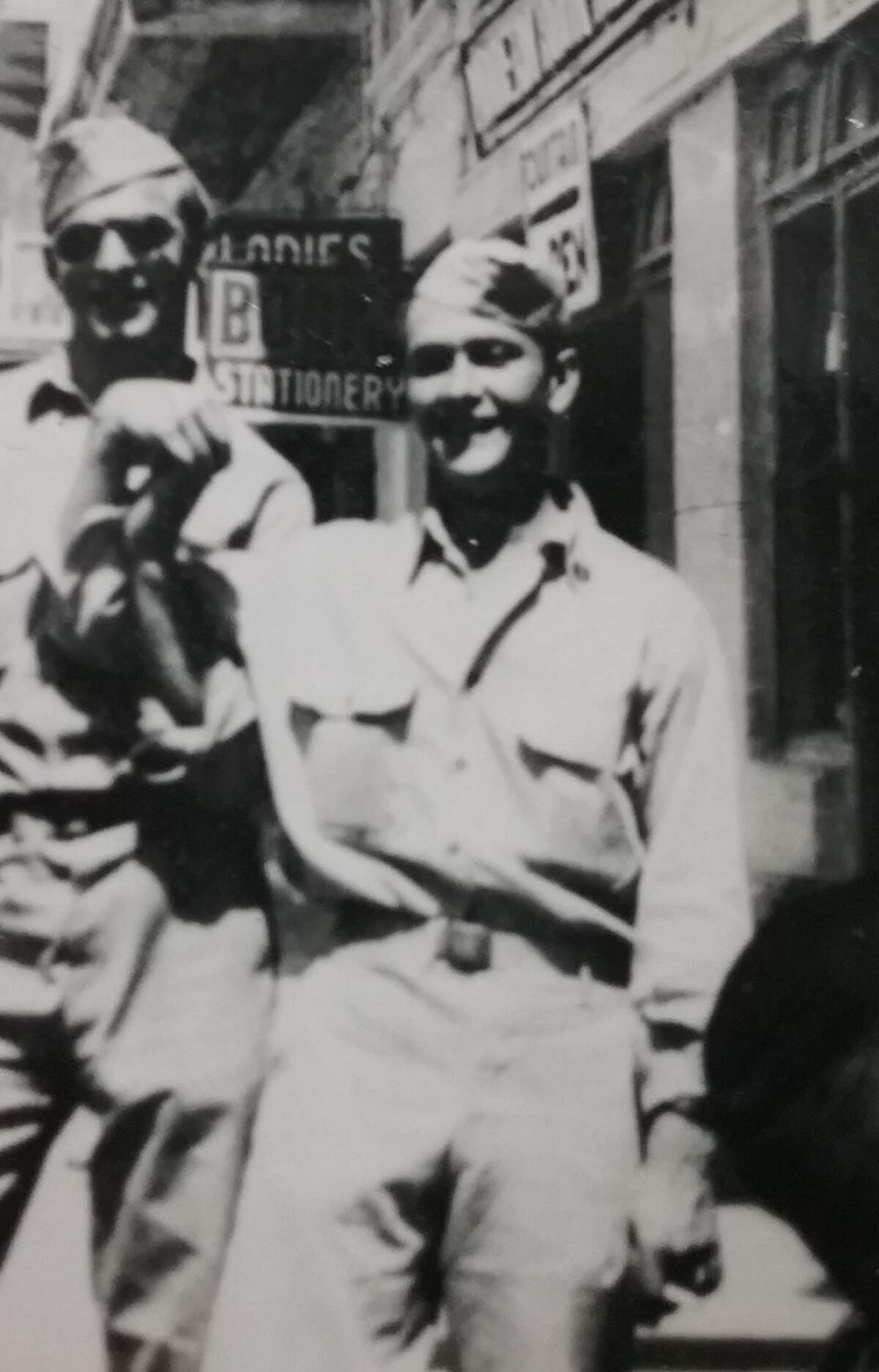
My uncle Francis was an armorer in the Army Air Corps for a P-40 Squadron in India. He died of an illness there and was buried at Barrakpore, India. He was 20 years old.
In 1948, after the war, his remains were returned to the United States. He is buried at the Golden Gate National Cemetery.
- Mike Costello, nephew
Do you have a story to share about someone killed in the war? Find their name on the list below and fill out the form. If you have a story about a male or female World War II survivor, or can’t find your loved one’s name on the casualty list, please use this form.
This story was originally published September 2, 2020 at 4:41 AM.